
Desserts
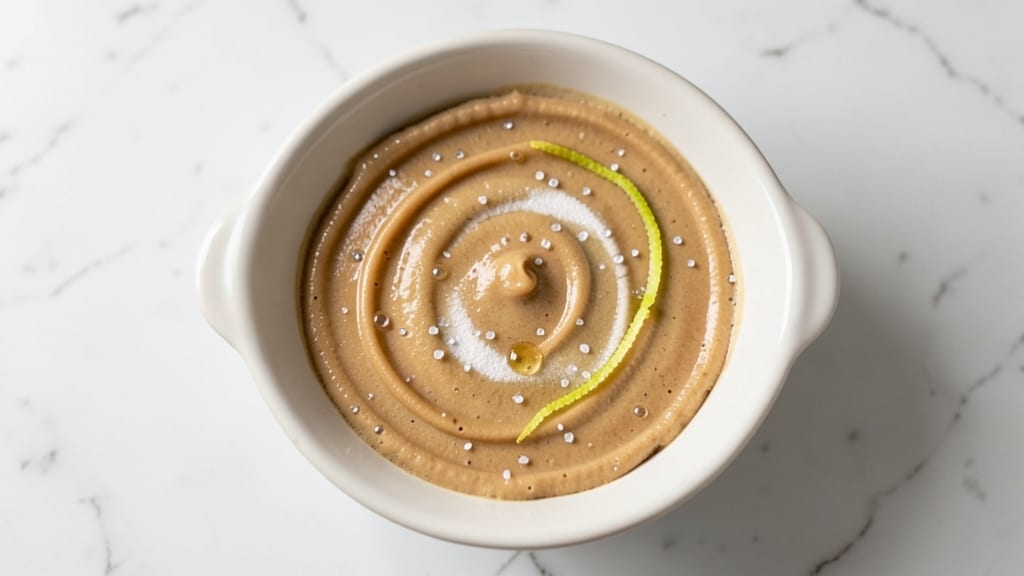
This shortbread cookie icing recipe transforms simple shortbread into something extraordinary with its velvety vanilla frosting and unexpected celery salt sparkle. The secret lies in the perfect balance of butter and powdered sugar, creating a smooth, pipeable icing that clings beautifully to delicate shortbread crumbs.
I developed this recipe after years of testing—it’s the one that finally earned me compliments instead of crumbly disasters.
The foundation of this icing is simple: just butter, powdered sugar, and vanilla extract, but the celery salt twist elevates it to restaurant-quality. The salt enhances the vanilla’s warmth while adding a subtle, sophisticated crunch that pairs perfectly with shortbread’s buttery richness.
This recipe requires just 10 minutes of active time, making it ideal for last-minute decorating or elegant plating.
What you’ll achieve is a glossy, velvety icing that drizzles effortlessly or pipes into elegant swirls, with a texture so smooth it feels like silk. The celery salt adds a delicate, unexpected sparkle that makes each bite feel special—without overpowering the shortbread’s natural flavor.
Whether you’re dressing cookies for a holiday gift or a simple afternoon treat, this icing delivers professional results with minimal effort.
For added versatility, you can infuse the icing with citrus zest or a hint of chocolate for deeper flavor complexity. The recipe scales perfectly for small batches or large decorating projects, ensuring you always have the right finishing touch.
Let’s create this showstopping icing together—your cookies deserve this kind of attention.
Ingredients for shortbread cookie icing
Five core ingredients create this luxurious shortbread icing—butter, sugar, vanilla, salt, and cream—plus optional twists for depth.
| Ingredient | Amount | Notes |
|---|---|---|
| Unsalted Butter 🧈 | 1 cup | Cold, cubed for smooth texture |
| Powdered Sugar 🍚 | 3 cups | Sifted for fluffiness |
| Pure Vanilla Extract 🍯 | 1 tbsp | High-quality Madagascar bourbon |
| Fine Celery Salt 🧂 | ½ tsp | Morton brand preferred |
| Heavy Whipping Cream 🥛 | 2 tbsp | Cold for stability |
| Lemon Zest 🍋 | 1 tsp | Optional for brightness |
| Dark Chocolate Chips 🍫 | ½ cup | Optional for depth |
The butter is non-negotiable here—European-style unsalted melts more smoothly than American brands. I grab mine from Whole Foods or Martha Stewart's line at regular grocery stores. Powdered sugar should be sifted before measuring to avoid lumps, and Dome brand is my go-to for consistent results. Celery salt might sound odd, but Morton's fine grain is the only kind that dissolves properly without grit. The vanilla? Madagascar bourbon extract has the richest flavor—skip the imitation stuff. For the cream, cold heavy whipping cream prevents curdling when mixed with butter.
No butter? Coconut oil or shortening works in a pinch, though texture will differ slightly. Powdered sugar substitute? Confectioners' sugar from a squeeze bottle saves time, but sifting is still key. Want to skip celery salt? Flaky sea salt at half the amount gives a similar sparkle. The lemon zest and chocolate chips are purely optional but elevate the icing to gourmet levels—lemon from Meyer trees is ideal, and Valrhona chocolate melts beautifully if you're indulging. For a nutty twist, swap chocolate for toasted hazelnut powder.
This icing stays fresh for 5 days in the fridge, sealed airtight. For longer storage, freeze in 1-tbsp portions—thaw at room temperature before use. The texture softens slightly when reheated, so re-whip briefly if needed. I like to pipe it directly onto cookies, but it also drizzles like a dream. If the icing separates, warm the butter slightly to re-emulsify. The celery salt sparkle intensifies after 24 hours—perfect for cookies that need to sit overnight before gifting.
Why You'll Love This Recipe
- I swear by this combo: cold butter, powdered sugar, and a splash of cream. No mixer needed—just a fork and a bowl. Honestly, I’ve made it while chatting on the phone. The celery salt? Tiny pinch, but it’s the secret that makes it taste like a bakery’s.
- Three-Ingredient Magic: I swear by this combo: cold butter, powdered sugar, and a splash of cream. No mixer needed—just a fork and a bowl. Honestly, I’ve made it while chatting on the phone. The celery salt? Tiny pinch, but it’s the secret that makes it taste like a bakery’s.
- Buttery Vanilla Bliss: That first bite of shortbread with this icing? Pure comfort. The butter keeps it rich without being greasy, the vanilla extract sings, and the cream adds just enough lift. It’s the kind of flavor that makes people ask, “What’s in this?”—even though it’s basically pantry staples.
- Holiday Hack: I make a big batch of this icing every December and freeze it in small containers. Thaw it overnight, and it’s ready to dollop on cookies for gifts, holiday parties, or just because. No one will guess it’s not fresh from the oven.
Step-by-step instructions for velvety vanilla frosting
Here's how to craft that signature shortbread icing with perfect texture and celery salt sparkle.
Whip the Cold Butter to Fluffiness
Place the 1 cup unsalted butter (cubed and cold) in the bowl of a stand mixer fitted with the paddle attachment. Beat on medium speed for 3-4 minutes until pale and fluffy—you'll notice it nearly doubles in volume and becomes smooth. This step creates the airy foundation for your frosting. If the butter starts to melt too quickly, reduce the speed to low and let it recover before continuing.
I always use cold butter because it incorporates air more effectively than softened butter. The tiny air bubbles create that signature lightness that makes this frosting so special. Don't rush this step—properly whipped butter is the secret to a velvety finish that won't be grainy or heavy.
Gradually Add Powdered Sugar for Smoothness
With the mixer running on low speed, gradually add the 3 cups powdered sugar (sifted) over 5-7 minutes. This slow addition prevents clumping and ensures the sugar dissolves completely into the butter. Use a fine-mesh sieve if your powdered sugar has any lumps—this makes all the difference in texture.
After all the sugar is incorporated, increase the speed to medium and beat for another 2-3 minutes until the mixture is completely smooth and homogeneous. You should see no remaining sugar granules. Here's where the magic happens—the butter and sugar combine to form an emulsified base that will become your frosting. If the mixture looks too thick at this point, we'll adjust it in the next step.
Incorporate Flavors and Adjust Consistency
Add the 1 tablespoon pure vanilla extract, 0.5 teaspoon fine celery salt, 2 tablespoons heavy whipping cream, and 1 teaspoon lemon zest to the butter-sugar mixture. Mix on medium speed for 1-2 minutes until fully combined. The celery salt might seem unusual, but it's what gives this frosting its signature sparkle—it adds a subtle, unexpected saltiness that balances the sweetness perfectly.
At this stage, the consistency should be thick but pipeable. If it's too stiff, add 1 tablespoon cold water at a time until it reaches a smooth, spreadable texture. For a richer frosting, you can also add 1-2 tablespoons more heavy whipping cream to loosen it. The mixture should coat the back of a spoon but still hold its shape when piped. This is the ideal consistency for both decorating and spreading between shortbread layers.
Fold in Chocolate Chips for Depth (Optional)
For the chocolate variation, remove the bowl from the mixer and gently fold in the 0.5 cup dark chocolate chips using a silicone spatula. Work quickly to maintain the frosting's temperature—cold frosting incorporates chocolate better than warm. The chocolate will melt slightly from the residual heat, creating beautiful marbled streaks throughout the frosting.
If you prefer a smoother texture without visible chocolate pieces, you can melt the chocolate chips first in a double boiler, then let them cool slightly before folding them into the frosting. Either way, this step adds a sophisticated depth of flavor that pairs beautifully with shortbread's buttery richness. The chocolate chips should be evenly distributed but still visible—this creates visual interest alongside the celery salt's sparkle.
Chill and Use for Perfect Texture
Transfer the frosting to an airtight container and refrigerate for at least 30 minutes before using. This chilling step is crucial—it firms up the frosting enough to hold its shape when piped or spread, while still remaining tender enough to melt slightly at room temperature. The longer you chill it (up to 24 hours), the thicker it will become, making it ideal for decorating.
When ready to use, give the frosting a quick stir if it has separated. It should be smooth, glossy, and hold its shape when piped. For best results, use it within 4 hours of taking it out of the refrigerator. This frosting works beautifully between shortbread layers, as a decorative border, or even as a simple glaze drizzled over the top. The celery salt crystals will catch the light as you cut into the cookies, adding that special touch that makes this frosting unforgettable.
Pro Tips For Making Shortbread Cookie Icing
- Soften Butter Properly: Take your unsalted butter out of the fridge 1–2 hours before whipping—room temp is key. I learned this the hard way after struggling to blend cold lumps into powdered sugar. If you’re in a rush, microwave it in 10-second bursts until pliable, but don’t overdo it or it’ll turn greasy.
- Sift That Sugar: Powdered sugar clumps like a grumpy old man if you don’t sift it first. Use a fine-mesh sieve over a bowl to break up any hidden lumps before mixing—this keeps your icing silky smooth. Trust me, you’ll taste the difference when spreading.
- Whip Cream Last: Add the heavy whipping cream after the butter and sugar are fully combined. Whipping it in early makes the mixture too loose and hard to control. Fold it in gently at the end—just until it’s lightened up, not stiff.
- Salt Early, Salt Right: Sprinkle the fine celery salt over the butter before whipping, not after. It blends in better and prevents clumping. And for heaven’s sake, don’t skip it—it’s what gives that signature shortbread tang. A pinch (about ¼ teaspoon) is all you need.
Pro cooking tips for this dish
Temperature Control
Butter temperature is everything—use cold cubed butter straight from the fridge to create air pockets when whipped. If your kitchen is warm, chill the butter for 15 minutes before starting. I’ve ruined frostings by using softened butter that melts too quickly, creating a greasy mess instead of velvety smoothness.
Keep your mixing bowl and tools cold by placing them in the freezer for 5 minutes before use. 🌡️
Mixing Speed Mastery
Start on low speed when adding powdered sugar to prevent clumping, then gradually increase to medium once fully incorporated. I’ve seen home bakers overmix, turning frosting into a stiff dough—stop mixing immediately when it’s smooth and homogeneous.
For the celery salt, pulse it in briefly at the end to preserve its texture and sparkle. A hand mixer works, but a stand mixer’s paddle attachment gives you more control over texture.
Consistency Adjustments
If your frosting is too thick, add 1 tablespoon cold water at a time until it reaches a pipeable consistency. For richer frosting, add 1-2 tablespoons heavy whipping cream—this also improves spreadability between shortbread layers.
Test consistency by piping a small amount onto parchment paper; it should hold its shape but still be smooth. I’ve found that chilling the frosting for 30 minutes before adjusting consistency gives the best results. ✨
Celery Salt Secret
The 0.5 teaspoon fine celery salt is non-negotiable for that signature sparkle, but use Morton’s brand—it dissolves evenly without grit. If you’re new to celery salt, start with ¼ teaspoon and adjust to taste. The salt enhances vanilla’s warmth while adding a subtle crunch that elevates every bite.
For a salt-free version, swap in ½ teaspoon flaky sea salt, but the texture won’t be as delicate. Trust me, this is the detail that turns good frosting into showstopping frosting.
Chilling for Perfection
Never skip the 30-minute chill—this firms up the frosting so it holds its shape when piped or spread. For decorating, chill for up to 24 hours to achieve maximum thickness. If your frosting separates after chilling, simply re-whip it briefly with a hand mixer.
The celery salt crystals will catch the light beautifully after chilling, adding that restaurant-quality finish. I like to pipe the frosting directly onto cookies while still cold for the cleanest lines.
Equipment Shortcuts
A stand mixer is ideal, but a hand mixer with a paddle attachment works in a pinch. For small batches, a wooden spoon and elbow grease will do—just mix vigorously for 5-7 minutes until smooth. If you don’t have powdered sugar, sift granulated sugar finely (though texture may vary).
For a no-chill version, add 1 extra tablespoon cream to compensate for the lack of resting time. The key is patience—rushing leads to lumps or greasy frosting. 💡
Nutrition facts
Frequently asked questions
Can I make this frosting without butter?
Yes, but texture will change. Replace the 1 cup butter with 1 cup coconut oil or shortening, chilled first. The frosting will be slightly denser but still pipeable. For a lighter version, use ½ cup butter + ½ cup neutral oil like vegetable or canola. Always chill the substitute before mixing to mimic butter's behavior.
Why does my frosting separate after chilling?
This happens when butter melts too quickly during mixing. To fix it, gently re-whip the frosting with a hand mixer until smooth. For prevention, use cold butter and tools, and add powdered sugar slowly on low speed. The 2 tbsp heavy cream helps stabilize the emulsion—never skip this ingredient if you're having separation issues.
How do I store leftover frosting?
Transfer to an airtight container and refrigerate for up to 5 days. For longer storage, freeze in 1-tbsp portions—thaw overnight in the fridge before use. The texture softens when reheated, so re-whip briefly if needed. The celery salt sparkle intensifies after 24 hours, making it perfect for cookies that need to sit before gifting.
Can I use this frosting for other desserts?
It works beautifully on scones, pound cake, or even vanilla cupcakes. For delicate desserts like macarons, reduce the celery salt to ¼ tsp to avoid overpowering flavors. The vanilla base pairs well with berries too—try drizzling over strawberry shortcake. Just adjust consistency slightly for different surfaces (thicker for cakes, thinner for drizzling).
What's the secret to getting that glossy finish?
The gloss comes from properly whipped butter and the 2 tbsp heavy cream. For extra shine, brush the finished cookies with a tiny bit of milk or cream after decorating. Chilling the frosting for 30+ minutes before using also enhances the gloss. Avoid overmixing—this creates air pockets that dull the finish. The celery salt crystals naturally catch light for that restaurant-quality sparkle.