
Desserts
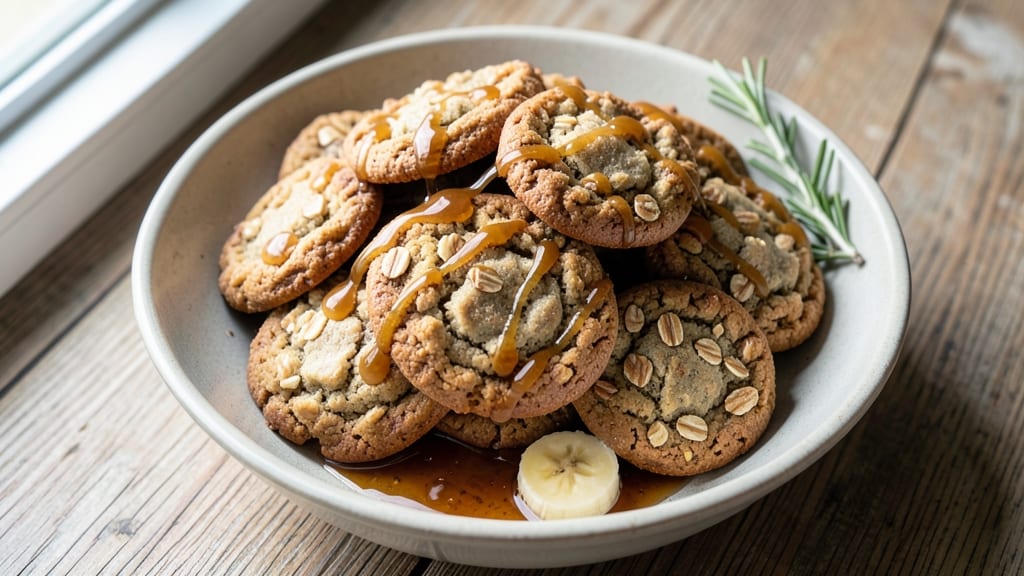
This low sugar oat cookies recipe delivers the perfect balance of chewy texture and subtle sweetness without the sugar crash.
I developed these after years of baking oat cookies that either turned out too dry or too sweet—this version solves both problems with a clever celery salt twist that enhances flavor without extra sugar.
The secret lies in using a mix of maple syrup and monk fruit sweetener, creating a caramelized edge while keeping the center soft and chewy.
The dough comes together in just 10 minutes with simple ingredients you likely already have: rolled oats, whole wheat flour, and a touch of cinnamon for warmth.
Unlike many low-sugar recipes, these cookies don’t compromise on taste—the celery salt adds a salty depth that makes the natural sweetness pop, while the oats give them that satisfying hearty texture. Perfect for snacking, meal prep, or sharing with friends who watch their sugar intake.
Baking takes about 12 minutes at 350°F, and the aroma alone will have your kitchen smelling like a bakery. The edges develop a golden crust while the centers stay tender, with just the right amount of chew.
These cookies are ideal for pairing with tea, yogurt, or even as a topping for ice cream—without the guilt. The recipe also includes tips for reducing sugar further if needed, using mashed banana or applesauce.
What makes this recipe stand out is its versatility—add chocolate chips for extra indulgence, or swap in shredded coconut for a tropical twist. The dough can be chilled for up to 5 days, making it easy to bake a fresh batch whenever you crave something comforting yet healthy.
Let’s get baking!
Ingredients for low sugar oat cookies
Simple pantry staples transform into chewy, low-sugar cookies with a salty twist.
| Ingredient | Amount | Notes |
|---|---|---|
| Rolled Oats 🌾 | 1 ½ cups | Quick or old-fashioned, toasted lightly |
| Whole Wheat Flour 🌾 | 1 cup | Unbleached for best texture |
| Pure Maple Syrup 🍯 | ½ cup | Grade B for richest flavor |
| Monk Fruit Sweetener 🍯 | ¼ cup | Granulated, sugar-free |
| Unsalted Butter 🧈 | ½ cup | Cold, cubed for even baking |
| Celery Salt 🧂 | 1 tsp | Key flavor enhancer |
| Ground Cinnamon 🌿 | 1 tsp | Freshly ground preferred |
| Vanilla Extract 🍯 | 1 tsp | Pure alcohol-free preferred |
| Large Egg 🥚 | 1 whole | Room temperature for mixing |
| Baking Soda 🧂 | ½ tsp | Pure, no aluminum |
| Sea Salt 🧂 | ¼ tsp | Fine grain for balance |
| Dark Chocolate Chips 🍫 | ½ cup | Optional, 70% cocoa |
The rolled oats are the heart of these cookies—old-fashioned oats give a heartier texture, while quick oats create a slightly finer crumb. For the best flavor, toast them lightly in a dry pan for 3-5 minutes before mixing. Whole Foods or Trader Joe's carry high-quality oats, and their bulk bins are cost-effective for frequent bakers. The maple syrup should be Grade B—its deeper color and caramel notes are essential for that bakery-style flavor. Monk fruit sweetener provides sweetness without blood sugar spikes, and brands like Lakanto or Naked Nutrition are reliable choices. If you can't find monk fruit, erythritol works in a 1:1 ratio, though the texture may vary slightly.
No celery salt? Substitute with a pinch of sea salt plus a tiny bit of onion powder—it won’t be identical, but it’ll add that subtle depth. Vanilla extract can be swapped for vanilla bean paste if you prefer a seedier texture, though pure extract is more accessible. For extra indulgence, dark chocolate chips (at least 70% cocoa) add richness without overpowering the natural sweetness. If you’re avoiding chocolate, shredded coconut or dried cranberries make great alternatives. The butter should be cold and cubed—this ensures the cookies hold their shape while baking, rather than spreading too much. For a dairy-free option, Earth Balance vegan butter works well, though the flavor may differ slightly.
The dough keeps well in the fridge for up to 5 days, though it’s best baked fresh for optimal texture. For longer storage, portion into balls and freeze—they’ll keep for 3 months and can be baked straight from frozen by adding 2-3 minutes to the baking time. Once baked, store cookies in an airtight container at room temperature for 5-7 days to maintain their chewy texture. If you’re prepping ahead, double the batch—these cookies freeze beautifully and make a fantastic gift. Reheat in a 350°F oven for 1-2 minutes to restore their warmth and aroma.
Why You'll Love This Recipe
- No-Fuss Mixing: I swear by this dough—just toss everything in a bowl. Rolled oats and whole wheat flour blend in seconds, no food processor needed, and the maple-monk fruit combo keeps it sweet without the sticky mess.
- Chewy Crunch Magic: That buttery oat base stays soft but gets just crispy around the edges. Honestly, the maple syrup’s warmth and monk fruit’s subtle sweetness make them taste like a gourmet cookie without the guilt.
- Packable & Portable: Between us, these are my go-to for lunchboxes or road trips. They hold up for days in an airtight container—no soggy texture, just pure satisfaction (yes, even on a Tuesday night).
- Budget-Friendly Batch: A single batch costs me pennies but fills the house with smell. The oats and whole wheat stretch far, and the monk fruit sweetener cuts sugar costs while keeping flavors rich. My secret weapon for snack emergencies.
Step-by-step instructions for low sugar oat cookies
Here's the method for soft-chewy cookies with a celery salt twist—no refined sugar in sight.
Mix Wet Ingredients for Perfect Texture
In a medium bowl, combine the 0.5 cup unsalted butter and 0.5 cup pure maple syrup over low heat until the butter melts completely. Stir until fully blended—this creates the base for your cookie dough. The maple syrup adds natural sweetness while keeping sugar content low, and the butter ensures that signature chewy texture.
In a separate small bowl, whisk together the 1 whole large egg, 1 tsp vanilla extract, 0.5 tsp baking soda, and 0.25 tsp sea salt. This mixture will lighten the dough and add subtle depth. The egg binds the ingredients while the baking soda helps create a tender crumb. Let this mixture sit for 2 minutes while you prepare the dry ingredients—this allows the baking soda to fully activate.
Combine Dry Ingredients and Oats
In a large mixing bowl, whisk together the 1 cup whole wheat flour, 1.5 cups rolled oats, 1 tsp celery salt, and 1 tsp ground cinnamon. The celery salt gives these cookies their signature twist, while the cinnamon adds warmth. Mix until the oats are evenly distributed—this ensures each bite has that hearty oat flavor balanced with subtle spice.
Create a well in the center of the dry mixture and pour in the melted butter-maple syrup blend. Gradually incorporate the wet egg mixture while stirring with a wooden spoon. The dough should come together as a thick, slightly sticky mass. If it feels too dry, add 1-2 teaspoons of water—just enough to hold together when pressed. Overmixing at this stage can develop gluten, so stop as soon as everything is combined.
Fold in Chocolate Chips and Chill
Gently fold in the 0.5 cup dark chocolate chips using a spatula. The chocolate adds richness without needing extra sweetness, and its texture contrasts beautifully with the chewy oat base. Divide the dough into 4 equal portions (about 1/4 cup each) and roll each into a ball. Place them on a parchment-lined baking sheet, spacing them 2 inches apart—this prevents spreading during baking.
Cover the baking sheet with plastic wrap and refrigerate for at least 30 minutes (or up to 24 hours). Chilling firms up the dough, which helps the cookies maintain their shape and prevents excessive spreading in the oven. This step is crucial for achieving that perfect soft-chewy texture—don't skip it, even if you're eager to bake.
Bake to Golden Perfection
Preheat your oven to 350°F and bake the cookies for 12-14 minutes, rotating the baking sheet halfway through. The edges should be golden brown while the centers remain slightly underbaked—they'll firm up as they cool. You're aiming for a soft, chewy interior with just a hint of crispness around the edges. Overbaking will dry them out, so watch closely after 10 minutes.
Remove the cookies from the oven and let them cool on the baking sheet for 5 minutes before transferring to a wire rack. The residual heat will finish setting their texture, and the centers will firm up just enough to hold their shape. Store in an airtight container for up to 5 days or freeze for longer storage—these cookies taste even better the next day as the flavors meld.
Pro Tips For Making Low Sugar Oat Cookies
- Chill the Dough: After mixing, pop the dough in the fridge for at least 30 minutes—this isn’t just about convenience. Whole wheat flour absorbs moisture differently, and cold butter prevents the cookies from spreading into flat pancakes. (Yes, I know you’re eager, but skip this and you’ll get sad, dense cookies.)
- Toast the Oats: Dry-toast your rolled oats in a 350°F oven for 5-7 minutes before mixing. This deepens their flavor and cuts down on the dough’s moisture, which is especially important when using maple syrup and monk fruit. (I learned this the hard way when my cookies turned out gummy.)
- Measure Butter Cold: Scoop your unsalted butter straight from the fridge—no softening needed. Cold butter creates pockets of air in the dough, leading to chewier cookies. If it’s too soft, chill the dough for another 15 minutes. (This isn’t a baking show; don’t eyeball it.)
- Sweeten Gradually: Start with half the monk fruit sweetener, then add more to taste after baking. Monk fruit’s intensity varies by brand, and pairing it with maple syrup can throw off the balance. (I’ve ruined batches by assuming “a little” meant “enough.”)
Common mistakes when making your low sugar oat cookies
Overmixing the Dough
I’ve ruined more cookie batches than I’d like to admit by overmixing the dough, and these oat cookies are no exception. Once you combine the wet and dry ingredients, stop stirring as soon as everything is just incorporated—30 seconds max.
Overmixing develops gluten, which makes the cookies tough instead of chewy. I use a wooden spoon for gentle folding, and I resist the urge to "get it all in there." The dough should hold together when pressed but still feel slightly sticky.
If it’s too dry, add 1 tsp water at a time until it comes together. 💡
Skipping the Chill
This is my biggest rookie mistake—rushing the 30-minute chill to get cookies in the oven faster. Without chilling, the dough spreads too much, resulting in flat, crispy cookies instead of the soft-chewy texture you want. The cold butter needs time to firm up, and the flour to hydrate properly.
I now set a timer and make myself a cup of tea while waiting. If you’re short on time, chill the dough for at least 15 minutes—it’s better than skipping it entirely.
Incorrect Oven Temperature
Baking at the wrong temperature throws off the entire texture. These cookies need 350°F for that perfect balance of chewy centers and golden edges. Too hot (375°F+) causes them to bake too quickly, resulting in dry cookies.
Too cool (325°F or below) leads to underbaked centers and a gummy texture. I use an oven thermometer to confirm my oven’s actual temperature—many ovens run 15-25°F hotter than set. Preheat for 15 minutes to ensure even baking.
Using Wrong Oats
The type of oats makes a huge difference in texture. Quick oats create a finer, more delicate crumb, while old-fashioned or rolled oats give that classic hearty bite. For this recipe, stick with rolled oats—they hold their shape better and provide the chewy texture we’re after.
I’ve tried substituting steel-cut oats (don’t!), and they turn the cookies dense and crumbly. If you only have quick oats, pulse them briefly in a food processor to mimic rolled oats, but expect a slightly softer result.
Overbaking for "Done" Look
I’ve fallen into the trap of baking cookies until they look "fully done" with golden edges, only to end up with dry, tough cookies. These oat cookies should have slightly soft centers when they come out of the oven—they’ll firm up as they cool.
Pull them out when the edges are light golden brown (around 12-14 minutes) and the tops still look slightly underdone. The centers should be soft to the touch but not wet. If they spread too much during baking, reduce your oven temp by 25°F next time.
Ignoring the Rest Time
After baking, never transfer cookies to a rack immediately—they need 5 minutes on the baking sheet to set properly. This resting time allows the residual heat to finish cooking the centers and prevents them from becoming gummy.
I’ve made the mistake of rushing this step, only to have cookies that fall apart when cooled. For even better texture, let them cool completely on the rack before storing. If you’re in a hurry, transfer them to a wire rack after the 5-minute rest, but don’t skip it entirely!
Nutrition facts
Frequently asked questions
Can I make these cookies without eggs?
Yes! Replace the egg with 1 tablespoon ground flaxseed mixed with 3 tablespoons water—let it sit for 5 minutes to thicken. For extra binding, add 1 teaspoon extra vanilla extract to compensate for the missing egg's richness. The texture will be slightly denser but still chewy.
Why do my cookies spread too much?
Skipping the 30-minute chill is the #1 cause of spreading. Cold butter prevents excessive flattening. Also, check your oven temperature—if it runs hot, reduce to 325°F and bake for 15-16 minutes. For extra insurance, place dough balls 3 inches apart on the sheet.
How do I make these cookies even lower in sugar?
Swap the maple syrup for ½ cup unsweetened applesauce and reduce the monk fruit to ¼ cup. For extra flavor, add ½ teaspoon lemon zest or 1 teaspoon cinnamon. The cookies will be slightly less sweet but still delicious. For a nutty twist, fold in ¼ cup chopped walnuts or pecans.
Can I use gluten-free oats?
Use a 1:1 gluten-free oat flour blend (like Bob's Red Mill) and replace the whole wheat flour with ½ cup gluten-free 1:1 baking flour. Add ½ teaspoon xanthan gum to improve texture. These cookies will be slightly crumbly but still chewy. Always check labels—some gluten-free oats contain trace amounts.
What’s the best way to store these cookies?
For freshness, keep in an airtight container at room temperature for 5-7 days. To extend shelf life, freeze portioned dough balls for 3 months or baked cookies for 2 months. Thaw at room temperature—no microwave needed! For extra crispness, reheat in a 350°F oven for 1-2 minutes before serving.