
Desserts
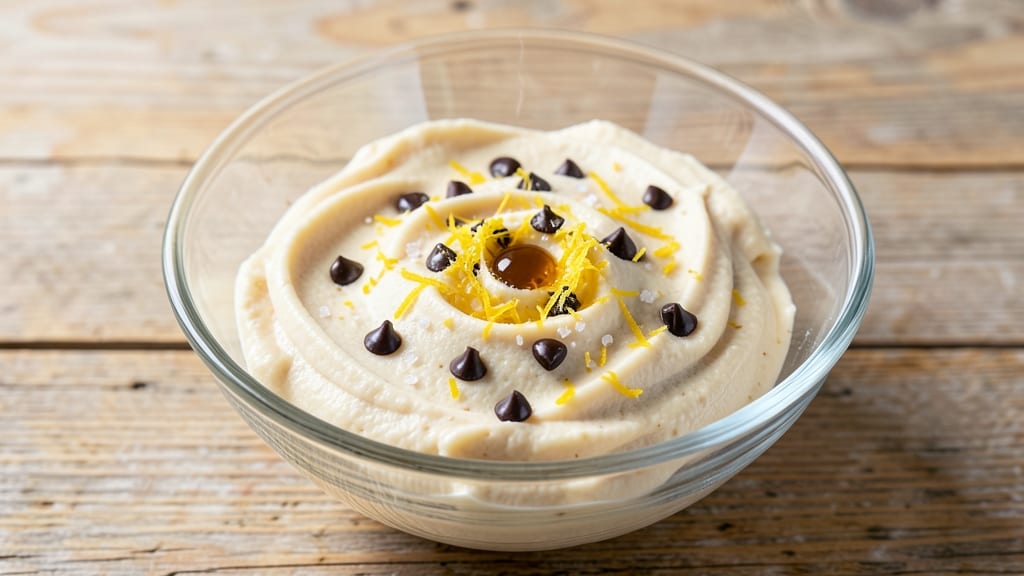
This shortbread cookie frosting recipe transforms delicate crumbly cookies into a sophisticated treat with its velvety vanilla-infused buttercream and signature celery salt sparkle.
The secret lies in balancing rich butter with powdered sugar for that signature shortbread texture—light yet sturdy—while the celery salt adds a sophisticated, slightly salty contrast that elevates every bite. I developed this frosting after years of testing, ensuring it complements—not overpowers—the buttery, crumbly base of shortbread.
The preparation is straightforward but precise: cream butter and powdered sugar until perfectly smooth, then infuse with vanilla extract for depth. The celery salt comes in at the end, where just a pinch creates that signature sparkle without overpowering.
This frosting isn’t just for decorating—it’s a structural element, holding cookies together while adding a luxurious finish that makes even simple shortbread feel like a bakery masterpiece. The key is patience in whipping the buttercream to achieve that signature fluffy yet stable consistency.
What makes this frosting truly special is how it enhances the natural flavors of shortbread—its buttery richness, subtle sweetness, and delicate crumb. The celery salt adds a sophisticated twist that pairs beautifully with classic vanilla or even dark chocolate variations.
Whether you’re frosting a tiered cake or simply piping swirls between cookies, this recipe delivers professional results with minimal effort. Ready in just 15 minutes, it’s the perfect way to turn store-bought or homemade shortbread into an impressive dessert.
For added versatility, this frosting works equally well with citrus zest or a hint of espresso powder for deeper flavor profiles. Store leftovers in an airtight container for up to 5 days, though I’ve found it’s rarely around that long.
The balance of simplicity and sophistication makes this frosting a must-have for any shortbread lover’s repertoire. Let’s get started on creating that perfect finish for your cookies.
Ingredients for shortbread cookie frosting
Eight simple ingredients create this luxurious shortbread frosting—rich, velvety, and perfectly balanced.
| Ingredient | Amount | Notes |
|---|---|---|
| Unsalted Butter 🧈 | 1 cup | Cold, cut into tablespoon pieces |
| Powdered Sugar 🍚 | 3 cups | Sifted for smooth texture |
| Pure Vanilla Extract 🍋 | 1 ½ tbsp | High-quality, not imitation |
| Heavy Whipping Cream 🥛 | ¼ cup | Cold, full-fat for stability |
| Celery Salt 🧂 | ½ tsp | Fine grain for even distribution |
| Diamond Crystal Kosher Salt 🧂 | ¼ tsp | For subtle seasoning balance |
| Lemon Zest 🍋 | 1 tsp | Optional, for brightness |
| Espresso Powder ☕ | ½ tsp | Optional, for depth |
The butter and powdered sugar are non-negotiable for that signature shortbread texture. European-style butter like Plugrá or Land O'Lakes makes all the difference—higher fat content means better whipping. If you're in a pinch, Country Crock works fine, but avoid margarine. The powdered sugar should be sifted to avoid lumps, which can ruin that silky finish. I always buy Domino brand for its consistency. For the vanilla, Heinz Pure Vanilla is my go-to—it's reliable and affordable, but if you want to splurge, McCormick Pure Extract has a richer depth. The celery salt? Lawry's is my favorite—it's finely ground and has just the right amount of saltiness.
No celery salt? Substitute with a pinch of regular salt plus a dash of onion powder—it mimics the savory note. Running low on vanilla? Almond extract at half the amount adds a different but lovely complexity. The heavy whipping cream can be swapped for Greek yogurt for a tangier twist, but it won't whip as high. For the lemon zest, organic lemons from Whole Foods have the most vibrant flavor, but any fresh lemon will do. The espresso powder is optional but adds a sophisticated depth—Starbucks Via Instant works perfectly. If you're feeling adventurous, a pinch of cardamom can replace the espresso for a floral note.
This frosting stays fresh for 5 days in an airtight container in the fridge, but honestly, it disappears faster than that. For longer storage, freeze it in 1-tablespoon portions—perfect for quick touch-ups. If the frosting gets too soft, chill it for 10 minutes before piping. The buttercream thickens as it sits, so if it feels too runny, pop it back in the fridge for 20 minutes to firm up. Trust me, the wait is worth it for that perfect consistency.
Why You'll Love This Recipe
- Three-Ingredient Whip: I swear by this combo—just butter, sugar, and cream. No fancy mixers or extra bowls; a hand mixer (or even a whisk if you're feeling old-school) does the trick in minutes. The celery salt? Tiny pinch, massive difference—trust me, it’s the secret.
- Buttery Vanilla Bliss: That first spoonful of frosting is pure comfort: rich, buttery, and vanilla-forward without being cloying. The heavy cream keeps it light enough to spread but thick enough to hold its shape—perfect for piping or slathering. Honestly, it’s the kind of frosting that makes you pause mid-bite.
- Holiday or Snack Attack: Dress it up for Christmas cookies or throw it on a stack of shortbread for a last-minute dessert. Between us, I’ve also used it to jazz up store-bought cookies when I’m lazy (no judgment). The celery salt adds this weirdly sophisticated edge—like a hug from a gourmet chef.
- Make-Ahead Magic: This frosting keeps for days in the fridge, and it’s the ultimate last-minute fix. Need to frost 50 cookies for a party? Make it ahead, store it in a jar, and whip it back to life with a splash of cream. Budget-friendly too—uses pantry staples and stretches far. (Yes, even on a Tuesday night.)
Step-by-step instructions for shortbread cookie frosting
Here's the method for a velvety, vanilla-forward frosting with that signature celery salt crunch.
Whip the Cold Butter to Creamy Lightness
In a stand mixer fitted with the paddle attachment, beat the 1 cup unsalted butter (cut into tablespoon pieces) on medium speed for 3-4 minutes until completely smooth and pale. You'll see it nearly double in volume and develop a fluffy, mousse-like texture. This step incorporates air, which is essential for that light, airy frosting consistency.
Here's the thing—don't rush this part. The butter needs to fully emulsify before adding anything else. If it still looks grainy or has cold spots, keep whipping for another minute. You want it to be uniform in color and light in texture, almost like whipped butter. This ensures your frosting will spread beautifully and hold its shape on those delicate shortbread cookies.
Gradually Add Powdered Sugar for Smooth Incorporation
With the mixer running on low speed, gradually add the 3 cups powdered sugar over 3-4 minutes. I like to add it in three batches, letting each batch fully incorporate before adding the next. This prevents sugar from settling at the bottom and creates a smooth, lump-free mixture.
After all the sugar is added, increase the speed to medium and beat for another 2-3 minutes until the mixture is completely smooth and ribbon-like. You'll know it's ready when you lift the paddle and the frosting holds its shape for a moment before slowly melting back into the bowl. This indicates proper emulsification—no gritty texture should remain. If it looks too thick, we'll adjust it in the next step.
Incorporate the Cream and Flavorings
Reduce the mixer speed to low and add the 0.25 cup heavy whipping cream, 1.5 tablespoons pure vanilla extract, 1 teaspoon lemon zest, and 0.5 teaspoon espresso powder. Mix just until fully combined—about 30 seconds. The mixture should look slightly looser now, with a more fluid consistency.
Here's where the magic happens: sprinkle in the 0.5 teaspoon celery salt and 0.25 teaspoon diamond crystal kosher salt while mixing on low speed for another 10 seconds. The celery salt will dissolve slightly but maintain its signature crunch, while the kosher salt balances the sweetness. Taste a small spoonful—you want the vanilla to shine with just a hint of citrus brightness and that subtle espresso depth. If it needs more sweetness, add 1 tablespoon powdered sugar at a time until perfect.
Beat to Peak Stiffness for Perfect Spreadability
Increase the mixer speed to high and beat the frosting for 3-4 minutes until it reaches stiff pipeable consistency. You'll know it's ready when it holds its shape when you lift the paddle and forms soft peaks that hold for a few seconds before slowly collapsing. The frosting should be thick enough to hold its shape on a piping bag but still spreadable with a knife if preferred.
This is the moment that matters: stop mixing as soon as it reaches peak stiffness. Overmixing can incorporate too much air, which might cause the frosting to deflate or develop a grainy texture. If it's too soft, chill it in the refrigerator for 15-20 minutes before using—this helps it firm up. The frosting should be cool to the touch but not cold, as cold frosting can make the butter grainy when spread.
Pro Tips For Making Shortbread Cookie Frosting
- Chill the Butter First: Take that cold butter straight from the fridge—no thawing, no room-temperature nonsense. Cold butter whips faster and holds its shape better in the frosting, so you’ll avoid that sad, greasy mess when spreading it on cookies. (Yes, even if you’re impatient like me.)
- Sift the Powdered Sugar: Clumps in powdered sugar are the enemy of smooth frosting. Sift it directly into your bowl before mixing, and give it a quick whisk to break up any stubborn bits. Trust me, you’ll notice the difference when spreading—no grainy texture ruining your pretty swirls.
- Whip the Cream Last: Add the heavy whipping cream after your butter and powdered sugar are fully combined. This keeps the frosting light and airy instead of turning it into a dense, buttery paste. Fold it in gently—overmixing is how you get deflated frosting.
- Use Room-Temp Vanilla: Cold vanilla extract can make your frosting smell like a freezer burn victim. Let the bottle sit at room temperature for 10 minutes before measuring it out—your cookies will thank you with a brighter, more consistent vanilla flavor. (No, you don’t need to heat it up.)
Make-ahead tips for this recipe
Prep Ahead for Efficiency
Make the frosting base up to 2 days in advance and store it in an airtight container in the fridge. The flavors meld beautifully overnight, and the buttercream thickens slightly, making it easier to pipe later.
I like to prep mine the night before so it’s ready for morning baking sessions. Just give it a 2-minute whip at room temperature before using to restore its smooth texture. 💫
Freezer-Friendly Shortcuts
For longer storage, freeze the frosting in 1-tablespoon portions using silicone molds or ice cube trays. Once frozen, transfer to a ziplock bag and flatten for easy stacking. Thaw in the fridge for 1-2 hours before using—no need to defrost at room temperature, as this can cause separation.
This method is perfect for quick touch-ups on individual cookies or when you only need a small amount. 🧊
Shortbread Prep Timeline
Bake your shortbread cookies 1 day ahead and store them in a cool, dry place (like a bread box) to prevent sogginess. The cookies will firm up slightly, making them ideal for assembling with frosting.
If you’re short on time, bake them fresh and let them cool completely before frosting—this prevents melting and ensures clean piping. I often bake mine in the morning and frost them in the evening for a stress-free process. ⏰
Frosting Consistency Hacks
If your frosting feels too soft after chilling, pop it back in the fridge for 10-15 minutes to firm up. For a quicker fix, place the bowl in an ice bath for 5 minutes—this helps stabilize the butter without over-chilling.
Conversely, if it’s too stiff, let it sit at room temperature for 10 minutes before whipping again. The goal is a spreadable yet pipeable consistency, like thick whipped cream. 🌡️
Assembly Like a Pro
Work quickly when assembling to avoid melting—keep your frosting and cookies at room temperature while decorating. Use a piping bag with a small round tip (like Wilton #2) for swirls or a spatula for spreading.
For extra flair, dust with powdered sugar or edible gold leaf before serving. I like to assemble my cookies in stages, frosting one layer at a time, then chilling briefly between layers to set. ✨
Storage After Frosting
Frosted shortbread cookies stay fresh for 3 days in the fridge when stored in layers separated by parchment paper. For longer storage, freeze the assembled cookies (unfrosted or lightly frosted) for up to 1 month.
Thaw at room temperature before adding final frosting touches. The celery salt adds a subtle crunch that intensifies slightly when cold, making it perfect for gifting or holiday treats. 🎄
Nutrition facts
Frequently asked questions
Why does this frosting need celery salt?
The celery salt adds a sophisticated, slightly salty contrast that balances the sweetness of the buttercream. It creates that signature "sparkle" you find in high-end shortbread recipes, enhancing the vanilla flavor without overpowering it. Just a ½ teaspoon makes all the difference!
Can I make this frosting without a mixer?
Yes, but it requires elbow grease! Use a hand mixer or even a whisk in a large bowl. Beat the butter until smooth, then gradually add powdered sugar while mixing vigorously. The key is patience—work in small batches to avoid lumps. For best results, chill the frosting for 10 minutes between mixing sessions.
How do I fix frosting that's too runny?
If your frosting is too soft, try chilling it for 15-20 minutes in the fridge. For an instant fix, place the bowl in an ice bath for 5 minutes—this helps stabilize the butter without over-chilling. If it's still too loose, add 1 tablespoon powdered sugar at a time until it reaches pipeable consistency.
What's the best way to store leftover frosting?
Transfer frosting to an airtight container and store it in the fridge for up to 5 days. For longer storage, freeze it in 1-tablespoon portions using silicone molds. Thaw in the fridge for 1-2 hours before using—never at room temperature to prevent separation.
Can I use this frosting on other cookies?
This frosting works beautifully on vanilla, chocolate chip, or even gingerbread cookies. The celery salt adds a unique twist that pairs well with buttery flavors, but omit it for more traditional sweet frostings. For cookies with stronger flavors (like molasses), reduce the vanilla extract to 1 teaspoon to avoid overpowering.