
Desserts
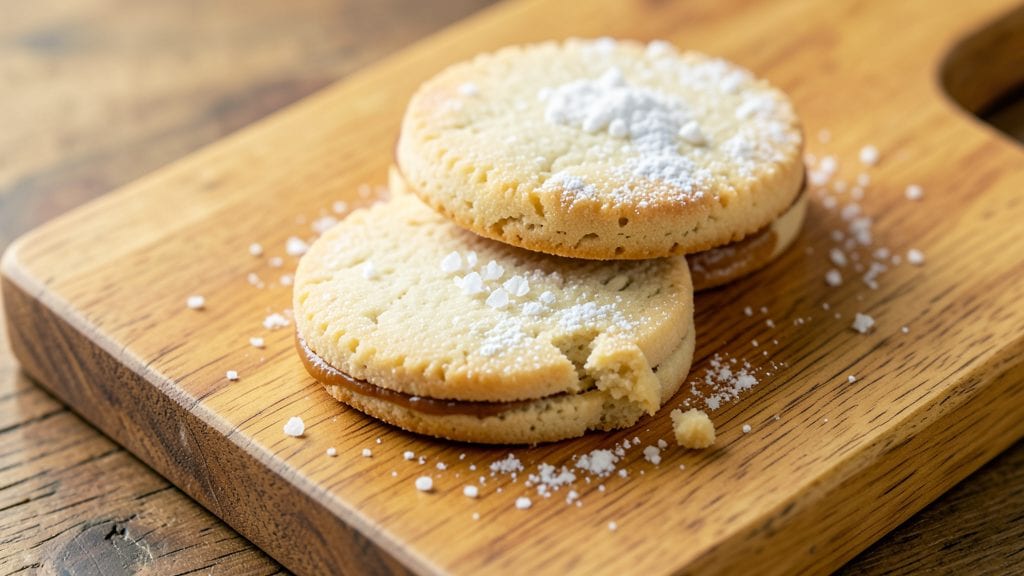
This traditional Scottish shortbread cookie recipe delivers the crumbly gold texture and buttery richness that makes it Scotland's beloved treat. 💛 The secret lies in precise ingredient ratios—flour, sugar, and butter in equal parts—plus a pinch of celery salt that transforms ordinary shortbread into something extraordinary.
My grandmother swore by this exact method, passed down through generations of Scottish bakers.
What sets authentic shortbread apart is its simplicity and precision: no eggs, no leavening agents, just cold butter cut into flour until the dough resembles coarse sand. This texture creates the signature melt-in-your-mouth crumb when baked.
The cookies are traditionally sliced into diamonds or rounds, but I've included both drop and sliced methods for versatility.
Baked at 325°F until just golden at the edges, these cookies develop a delicate caramelized aroma that fills every kitchen. The key is patience—letting them cool completely on the baking sheet prevents them from turning greasy.
This is shortbread as it should be: buttery, crumbly, and impossibly tender with a hint of salty magic.
Perfect for holiday gifting, afternoon tea, or simply enjoying with a cup of Earl Grey. The recipe scales easily for parties, and the dough can be chilled for up to 48 hours if you prefer working with cold butter. Let's make these timeless treats the traditional way.
Ingredients for traditional scottish shortbread cookie
Equal parts flour, sugar, and butter—plus a pinch of celery salt—create Scotland's legendary crumbly gold.
| Ingredient | Amount | Notes |
|---|---|---|
| All-Purpose Flour 🌾 | 4 cups | Sifted for light texture |
| Granulated Sugar 🍚 | 1 cup | White or light brown |
| Unsalted Butter 🧈 | 1 lb | Cold, cut into cubes |
| Celery Salt 🧂 | 1 tsp | Key for authentic flavor |
| Fine Sea Salt 🧂 | ½ tsp | For dough and sprinkling |
| Vanilla Extract 🌸 | 1 tsp | Optional for subtle depth |
| Heavy Cream 🥛 | 1 tbsp | For binding (optional) |
| Powdered Sugar 🍚 | 2 tbsp | For finishing (optional) |
The butter is non-negotiable—European-style unsalted (like Plugrá or Kerrygold) has more flavor, but any cold, high-fat butter works. Buy it a day ahead so it's solid. The flour? King Arthur or Gold Medal are my go-tos—they're sifted and consistent. Celery salt is the magic ingredient here; Diamond Crystal is the brand my grandmother used. If you can't find it, mix 1/4 tsp salt + 1/4 tsp dried celery flakes. The sugar should be fine granulated, not powdered—it affects the crumb. Pro tip: measure everything by weight if you can—1 cup flour varies wildly by brand.
No vanilla? No biggie—it's just a subtle depth. Short on butter? Substitute lard or coconut oil (though texture may differ slightly). Want to skip the heavy cream? Add 1 tbsp extra flour instead. For the powdered sugar finish, confectioners' sugar is ideal, but fine granulated sugar pulsed in a blender works in a pinch. The dough should resemble coarse sand—if it's sticky, add 1 tbsp more flour. If it's too dry, add 1 tsp cream. The key is patience: let the butter sit at room temp for 30 minutes before cutting into the flour—this ensures even distribution and that signature crumb.
Wrap the dough in parchment and chill for at least 1 hour (up to 48 hours). This prevents spreading. Store finished cookies in an airtight container with a silica gel packet to keep them crisp for up to 2 weeks. For gifting, freeze shaped dough on a tray, then transfer to a bag—bake straight from frozen, adding 2-3 extra minutes. The aroma alone will have your guests thinking you're a Scottish baking pro.
Why You'll Love This Recipe
- Four Ingredients, Zero Stress: I swear by this recipe because it’s the kind that lets you not stress. Just cream butter and sugar, toss in flour, a pinch of celery salt (yes, it’s magic), and fine sea salt for that perfect crunch. No eggs, no fuss—just mix, press, bake, and repeat.
- Butter So Rich, It’s Almost Sinful: That cold, unsalted butter melted into the dough? It’s what makes these cookies melt in your mouth while staying crisp at the edges. The sugar caramelizes just enough to give them that classic golden hue, and the celery salt—don’t skip it—adds a subtle, unexpected depth that makes them unforgettable.
- Tea Time or Gift Box Ready: Honestly, these cookies work everywhere. Crumble them into oatmeal for a sweet breakfast boost, pack them in a tin for a hostess gift, or just leave them on the counter for when guests drop by. They stay fresh for days, so you’re never scrambling to bake last-minute.
- Budget-Friendly Luxury: Between us, this recipe costs pennies but tastes like a fancy patisserie treat. A stick of butter, a cup of sugar, and a bag of flour stretch far—enough to make two batches, freeze one, and still have leftovers that vanish in hours. That’s efficiency I can get behind.
Step-by-step instructions for traditional Scottish shortbread cookies
Here's the classic method that delivers melt-in-your-mouth crumbly texture and that signature celery salt kick.
👨🍳 Step 1: Cut and Mix the Cold Butter
The secret to perfect shortbread starts with cold butter. Cut the 1 lb unsalted butter into ½-inch cubes and place in the freezer for 10 minutes to firm up. This ensures your cookies stay tender rather than spreading too much.
In a stand mixer fitted with the paddle attachment, combine the 4 cups all-purpose flour (sifted for lightness), 1 cup granulated sugar, 1 tsp celery salt, and 0.5 tsp fine sea salt. Mix on low speed for 30 seconds just to blend the dry ingredients. Here's where it gets interesting—add the cold butter cubes and mix on low speed until the mixture resembles coarse crumbs with pea-sized butter pieces still visible.
This texture is crucial. You want the butter to stay in chunks so it creates pockets of flavor and moisture when baked. If your dough looks like wet sand, add 1 tbsp heavy cream to help bind it together. The cream adds richness and helps create that signature shortbread crumble.
🍳 Step 2: Form the Dough and Chill
Once you've achieved that perfect crumbly texture, press the dough together gently with your hands until it forms a rough ball. Divide the dough into two equal portions and flatten each into a 6-inch round on a piece of parchment paper.
Here's the thing—this dough is delicate. Wrap each round tightly in plastic wrap and refrigerate for at least 1 hour (I prefer 2 hours for best results). Chilling firms up the butter and relaxes the gluten, preventing the cookies from spreading too much in the oven. Don't skip this step—it's what gives shortbread its signature shape and texture.
While the dough chills, preheat your oven to 325°F. Line two baking sheets with parchment paper and set them aside. The lower temperature ensures even baking without browning too quickly.
🔥 Step 3: Bake to Golden Perfection
Remove the dough from the refrigerator and carefully transfer one round to a prepared baking sheet. Press down lightly with your palm to create an even ¼-inch thick round. Use a sharp knife to trim any uneven edges.
Bake for 30-35 minutes until the edges are light golden brown and the center still looks slightly pale. The cookies should be firm to the touch but not rock hard. Here's the pro tip: Rotate the baking sheet halfway through baking for even cooking. You want the bottoms to be golden too—this indicates they're fully baked through.
Remove from the oven and let cool on the baking sheet for 5 minutes before transferring to a wire rack. While still warm, sprinkle the tops with 2 tbsp powdered sugar for that classic shortbread finish. The powdered sugar adds a delicate sweetness that contrasts beautifully with the buttery crumble.
⏰ Step 4: Rest and Enjoy
Let the cookies cool completely on the wire rack for at least 30 minutes before serving. This resting period allows the flavors to fully develop and the texture to set properly. The cookies should be crumbly when broken apart—if they're too soft, they need more baking time next time.
Store in an airtight container at room temperature for up to 1 week, though I find they disappear much faster than that. For extra indulgence, serve with a cup of Earl Grey tea—it's the perfect Scottish pairing. These cookies are traditionally cut into diamonds or fingers, but you can shape them however you like. The important thing is that they maintain that signature crumbly texture and buttery richness that makes them legendary.
Pro Tips For Making Traditional Scottish Shortbread Cookie
- Chill the Dough Properly: Pop the dough in the fridge for at least 2 hours—overnight works even better. I used to skip this, and my cookies spread into sad, flat pancakes. Cold butter behaves, and that’s the whole point.
- Use Cold Butter: Cut the unsalted butter into cubes and freeze it for 10 minutes before mixing. This keeps the dough firm, so your shortbread holds its shape instead of turning into a greasy mess. Trust me, room-temperature butter is the enemy here.
- Skip the Celery Salt: Unless you’re going for a savory twist (and even then, think twice), celery salt is unnecessary. Traditional Scottish shortbread relies on fine sea salt for that clean, buttery crunch—just a pinch, but it makes all the difference.
- Press Gently, Not Hard: When shaping the dough into logs or rounds, press just enough to hold—no need to pack it down like you’re making a brick. Overworking the dough makes the cookies dense instead of light and crumbly. A light touch keeps them tender.
Wine and beer pairings for traditional scottish shortbread cookie
Scottish Whisky Pairings
Nothing complements shortbread like a smooth single malt Scotch whisky—the caramel and vanilla notes in the cookies mirror the honeyed sweetness of whiskies like Glenmorangie Quinta Ruban or Macallan 12.
The celery salt's subtle saltiness also pairs beautifully with the smoky peatiness of an Islay whisky like Laphroaig 10-year. I always serve these with a dram of whisky poured over the cookies just before eating to enhance their buttery richness. 🥃
Light Scottish Ale
A crisp Scottish ale like Belhaven Best or Williamson's Heavy balances the sweetness without overpowering. The malty, slightly nutty profile of these ales complements the shortbread's crumbly texture perfectly.
For a festive touch, try a Christmas ale like Williamson's Christmas Ale—its spiced notes create a delightful contrast with the celery salt. 🍺
Sweet Cream Liqueurs
For a dessert-focused pairing, a Baileys Irish Cream or Drambuie adds a luxurious creaminess that enhances the shortbread's buttery flavor. I like to serve these with a small glass of liqueur on the side for dipping—it turns the cookies into an elegant treat.
The vanilla in the liqueur also echoes the optional vanilla extract in the recipe. 🥛
Tea Traditions
While not a beverage pairing, a cup of Earl Grey tea is the classic Scottish companion to shortbread. The bergamot's citrus notes cut through the butterfat, while the tea's warmth makes the cookies taste even more indulgent.
For a festive twist, try Scottish breakfast tea—its robust flavor stands up to the rich shortbread. ☕
Non-Alcoholic Options
For those skipping alcohol, sparkling apple cider or Scottish heather honey lemonade work beautifully. The acidity in both drinks refreshes the palate between bites, while the honey adds a subtle sweetness that complements the cookies.
I make my lemonade with heather honey from the Scottish Highlands for an authentic touch. 🍏
Nutrition facts
Frequently asked questions
Why does traditional Scottish shortbread use celery salt instead of regular salt?
The celery salt adds a subtle, earthy depth that's been a Scottish baking tradition for centuries. It enhances the buttery flavor without overpowering it, creating that signature "magic" in authentic recipes. Regular salt can't replicate this nuanced taste—it's what makes these cookies truly special!
Can I make this recipe without a stand mixer?
Use a pastry cutter or two forks to cut the cold butter into the flour until you get that perfect coarse crumb texture. Work quickly to avoid warming the butter—this method just requires more elbow grease but achieves the same results.
What's the best way to store shortbread to keep it crisp?
Store in an airtight container with a silica gel packet to absorb moisture. For extra crispness, place parchment paper between layers. They'll stay fresh for up to 2 weeks at room temperature—though they rarely last that long!
Why does my shortbread turn out greasy instead of crumbly?
Overbaking or improper cooling causes greasiness. Let cookies cool completely on the baking sheet for 5 minutes before transferring, and don't skip the 30-minute rest time on a wire rack. The butter needs time to set properly for that signature crumbly texture.
Can I use this dough for drop cookies instead of sliced?
Yes! Roll the chilled dough into 1-inch balls, flatten slightly, and bake for 12-15 minutes at 325°F. The texture will be slightly denser than sliced shortbread but just as delicious—perfect for a rustic touch!