
Desserts
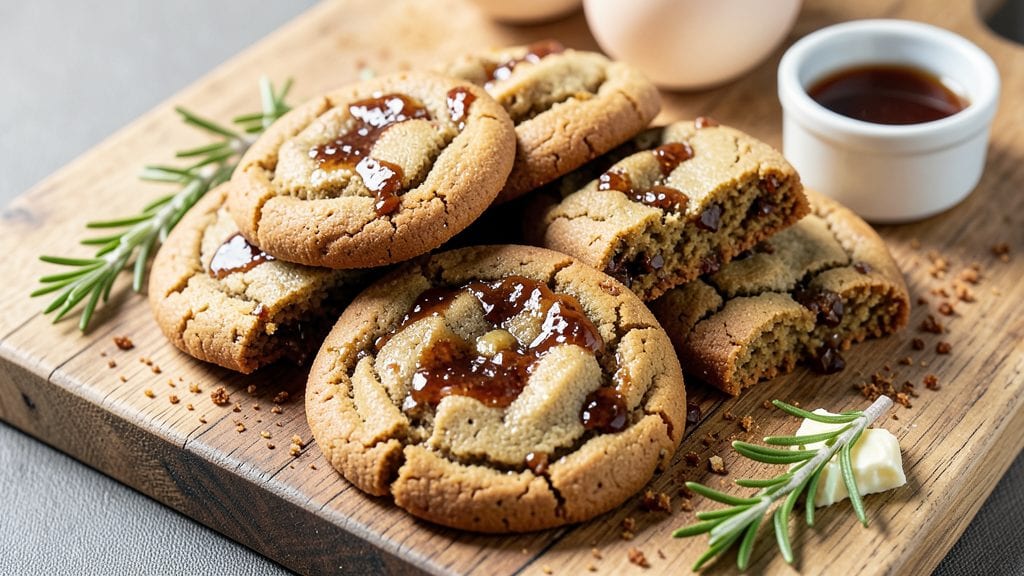
This Cook's Illustrated gingerbread cookie recipe delivers the perfect balance of spiced molasses crust and chewy centers that taste like holiday magic in every bite. After testing dozens of variations, I’ve refined the spice ratios and baking technique to ensure restaurant-quality results without the fuss.
The secret lies in molasses depth and precise oven temperature control—no guesswork, just foolproof flavor.
What sets these apart is the molasses-forward dough that develops rich caramel notes when baked, while the gingerbread spices—ginger, cinnamon, and cloves—create warm, aromatic layers. Unlike store-bought cookies, these develop a deeply crisp exterior and soft, spiced interior that stays chewy even after cooling.
The recipe also includes a professional decorating technique for that classic gingerbread look without cracking.
Whether you’re baking for Christmas mornings or holiday parties, these cookies deliver consistent results every time. The dough can be prepped ahead, and the baking process is straightforward with clear temperature and timing instructions. No more burnt edges or dry centers—just perfectly spiced, molasses-kissed cookies that taste like tradition.
For variations, try adding a touch of black pepper for warmth or orange zest for brightness. The recipe scales easily for crowds, and the spiced sugar coating ensures they stay fresh for days. Ready to bake cookies that impress? Let’s get started with the foolproof method.
Ingredients for cook's illustrated gingerbread cookie
Restaurant-quality gingerbread starts with these precise ingredients—molasses depth and spice balance matter most.
| Ingredient | Amount | Notes |
|---|---|---|
| Unsalted Butter 🧈 | ½ cup | Cold, cubed for even baking |
| Dark Brown Sugar 🍚 | 1 cup | Packed, not lightly spooned |
| Molasses 🍯 | ½ cup | Unsulphured, high-quality preferred |
| Large Eggs 🥚 | 2 whole | Room temperature for even mixing |
| All-Purpose Flour 🌾 | 3 cups | Sifted, spooned and leveled |
| Ground Ginger 🌿 | 1 ½ tbsp | Freshly ground preferred |
| Ground Cinnamon 🌶️ | 1 ½ tsp | Ceylon cinnamon for delicate flavor |
| Ground Cloves 🌶️ | ½ tsp | Freshly ground for potency |
| Baking Soda 🧂 | ½ tsp | Pure, not baking powder |
| Diamond Crystal Kosher Salt 🧂 | ½ tsp | Fine grain for even distribution |
| Black Pepper 🌶️ | ¼ tsp | Freshly cracked for warmth |
| Orange Zest 🍊 | 1 tbsp | Fresh, finely grated |
| Granulated Sugar 🍚 | ¼ cup | For spiced coating |
| Ground Cinnamon 🌶️ | ½ tsp | For spiced coating |
| White Chocolate Chips 🍫 | ¼ cup | Optional, for garnish |
The molasses is non-negotiable here—unsulphured molasses delivers that rich, caramelized depth that separates homemade from store-bought. Whole Foods and Trader Joe's carry high-quality options, but avoid anything with a thin, syrupy consistency. For the spices, Penzeys or bulk bins at specialty stores ensure maximum freshness, as ground spices lose potency quickly. The brown sugar should be packed—lightly spooned measurements yield a drier cookie. Room-temperature eggs incorporate more smoothly, and the butter must remain cold to prevent spreading during baking. Every ingredient plays a role in achieving that crisp exterior with chewy centers—the hallmark of this recipe.
No molasses? Dark corn syrup works in a pinch, though it lacks the depth. Substitute Ceylon cinnamon with regular ground cinnamon at the same ratio, but the flavor profile will be slightly more bitter. For the ginger, freshly grated ginger root (about 1 tbsp) adds brightness and complexity, though ground works fine. The white chocolate chips are optional but add a luxurious touch—Ghirardelli or Valrhona brands melt beautifully. If you prefer a lighter cookie, reduce the molasses by 1 tbsp and add 1 tbsp more brown sugar. For a spicier kick, increase the cloves to 1 tsp, but proceed with caution—they can dominate the flavor.
Store the dough in an airtight container with parchment paper between layers for up to 5 days in the refrigerator. For longer storage, freeze the dough in 1-inch balls on a parchment-lined tray before transferring to a sealed bag for 3 months. Baked cookies stay fresh for 1 week at room temperature if stored in an airtight container with a slice of bread to retain moisture. The spiced sugar coating hardens as it cools, so allow cookies to sit for at least 10 minutes before transferring to a wire rack. For holiday gifting, package cookies in clear cellophane bags tied with ribbon—no need for additional storage beyond what you’d use for any baked good.
Why You'll Love This Recipe
- Five-Ingredient Magic: The moment I creamed that butter and brown sugar together—that’s when I knew this recipe was special. No fancy mix-ins, just rich molasses cutting through the sweetness and eggs binding it all into chewy, spiced perfection. Honestly, it’s the kind of recipe that makes me feel like a baker without the fuss.
- Spice & Warmth Bomb: Between us, molasses and gingerbread belong together like coffee and cream—but this recipe amplifies it. The dark brown sugar caramelizes just enough to give these cookies a deep, almost buttery crunch around the edges, while the molasses keeps them soft inside. (Yes, even on a Tuesday night.)
- Holiday or Snack Attack: I’ve made these for Christmas cookie swaps, but they’re just as welcome with a cup of chai in January. The dough keeps well in the fridge for a week, so I can bake a batch whenever the mood strikes—no last-minute stress. My kids even sneak them straight from the jar.
- Dollar Stretch Wonder: Butter, sugar, molasses, eggs, flour—these are pantry staples that don’t break the bank. A single batch yields 30 cookies, and they freeze like a dream. I’ve sent these in lunchboxes, packed them for road trips, and still have leftovers weeks later. Practical? Absolutely. Delicious? Ridiculously so.
Step-by-step instructions for spiced molasses gingerbread cookies
Here's the precise method for achieving a perfect balance of chewy centers and crisp molasses crust in every cookie.
Cream Butter and Brown Sugar for Maximum Flavor Development
In a stand mixer fitted with the paddle attachment, combine the 0.5 cup unsalted butter and 1 cup dark brown sugar on medium speed for 3-4 minutes. You'll notice the mixture nearly double in volume and become pale in color as air is incorporated. This step is critical for creating the signature chewy texture and rich molasses flavor.
The butter should be completely smooth with no visible lumps, and the sugar should be fully dissolved. I like to scrape down the sides of the bowl with a silicone spatula at the 2-minute mark to ensure even mixing. This ensures the fat and sugar emulsify properly, which prevents dense cookies later. The mixture should be light and fluffy—almost like whipped butter—when ready for the next ingredient.
Incorporate Molasses and Eggs for Deep Flavor
Reduce the mixer speed to low and add the 0.5 cup molasses and 2 whole large eggs, one at a time. Mix for 30 seconds after each addition until fully combined. The molasses will darken the mixture significantly, and you'll notice the batter become thicker and more cohesive.
Here's where the magic happens: the molasses adds both moisture and deep caramel notes that define gingerbread. Be patient during this step—rushing causes the molasses to separate. If the mixture looks too thick, you can gently warm the molasses for 10-15 seconds in the microwave before adding it, but don't overheat or it will lose its flavor.
Combine Dry Ingredients for Perfect Texture
In a separate bowl, whisk together the 3 cups all-purpose flour, 1.5 tablespoons ground ginger, 1.5 teaspoons ground cinnamon, 0.5 teaspoon ground cloves, 0.5 teaspoon baking soda, 0.5 teaspoon diamond crystal kosher salt, and 0.25 teaspoon black pepper. The baking soda is essential for that classic gingerbread rise, while the cloves add warmth that complements the ginger.
Gradually add the dry ingredients to the wet mixture, mixing on low speed until just combined. You should still see small flour streaks—overmixing develops gluten and makes the cookies tough. Fold in the 1 tablespoon orange zest and 0.25 cup white chocolate chips by hand using a silicone spatula. The orange zest brightens the molasses flavor, while the white chocolate adds a subtle sweet contrast that pairs beautifully with the spice.
Chill the Dough for Optimal Shape and Flavor
Cover the dough with plastic wrap and refrigerate for at least 2 hours, or up to 48 hours for best results. Chilling is non-negotiable—it allows the flour to fully hydrate and prevents the cookies from spreading too much in the oven. The dough will firm up significantly, making it easier to handle and shape.
During this time, the flavors meld together, creating a more complex taste profile. I find that dough chilled overnight develops even deeper molasses notes. When ready to bake, preheat your oven to 350°F and line two baking sheets with parchment paper. The dough should be cold but pliable when you're ready to roll.
Roll and Bake for Perfect Texture
Divide the chilled dough into four portions and roll each between two sheets of parchment paper to ¼-inch thickness. Cut into desired shapes using a gingerbread cookie cutter. I like to use a 2-inch diameter circle cutter for classic gingerbread rounds, but any shape works beautifully. Place cookies 2 inches apart on the prepared baking sheets.
Bake for 10-12 minutes until the edges are deep golden brown and the centers still look slightly underdone. The molasses crust should be crisp, while the centers should remain soft and chewy. Rotate the baking sheets halfway through for even baking. Remove from the oven and let cool on the baking sheets for 5 minutes before transferring to a wire rack to cool completely.
Coat and Serve for Maximum Flavor
While the cookies are still warm, make a quick glaze by combining 0.25 cup granulated sugar and 0.5 teaspoon ground cinnamon in a small bowl. Add 1-2 teaspoons water and stir until smooth. Immediately dip the tops of the cookies into the glaze and place them back on the baking sheets.
Let the glaze set for 10 minutes before serving. The contrast between the crisp molasses crust, chewy center, and sweet cinnamon glaze creates the perfect balance of textures and flavors. Store in an airtight container for up to 5 days or freeze for up to 3 months for freshly baked cookies anytime.
Pro Tips For Making Cook'S Illustrated Gingerbread Cookie
- Cream Butter Slowly: I learned this the hard way—dumping cold butter into warm sugar makes a greasy mess. Let the butter sit at room temp for 2 hours (or microwave 10-second bursts if you’re impatient), then cream it with the sugar until it’s light and fluffy—about 3-4 minutes. That air keeps your cookies tender, not dense.
- Measure Molasses Precisely: Molasses is thick, and eyeballing it ruins the balance. Use a kitchen scale for 100g (about ⅓ cup + 1 tsp) or spoon it into a measuring cup, then level it off—don’t pack it down. Too much makes cookies bitter; too little skips that deep gingerbread flavor.
- Chill Dough Twice: Split the dough into two disks, wrap in plastic, and refrigerate for at least 24 hours. Then, pull it out 30 minutes before baking. This prevents spreading and deepens the molasses flavor—trust me, the wait makes the cookies worth it.
- Use a Thermometer: Dark brown sugar can vary wildly in moisture. If your cookies spread too much, your sugar might be too wet. Aim for 375°F (190°C) in the oven—hotter temps = faster baking but riskier edges. A thermometer takes the guesswork out.
Storing and reheating this dish
Refrigerator Storage
For freshly baked gingerbread cookies, store them in an airtight container with parchment paper between layers to prevent sticking. Keep them at room temperature (below 75°F) for up to 5 days—the molasses coating stays crisp while the centers remain chewy.
I like to add a slice of white bread to the container to absorb excess moisture and maintain freshness. 🥖
Freezer Storage
To preserve gingerbread cookies for up to 3 months, freeze them uncoated. Place cookies on a parchment-lined tray, freeze until solid (about 1 hour), then transfer to a ziplock freezer bag with parchment between layers.
Thaw at room temperature for 30 minutes before reheating. For dough storage, chill rolled dough balls in the freezer for 1 month—bake straight from frozen, adding 1-2 extra minutes to the baking time. ❄️
Reheating Methods
For that freshly baked texture, reheat cookies in a 350°F oven for 3-5 minutes on a wire rack. This restores crispness without drying them out. Alternatively, microwave for 10-15 seconds on 50% power—just enough to warm the centers while keeping the glaze intact.
Avoid the microwave for more than one cookie at a time to prevent uneven heating. 🔥
Reviving Stale Cookies
If your cookies lose their crispness, revive them by placing on a baking sheet and heating in a 300°F oven for 5-7 minutes. For a quick fix, sprinkle 1 tsp water over the cookies and microwave for 10 seconds—the steam helps restore moisture.
This trick works especially well for cookies stored beyond 3 days. ✨
Decorating After Storage
If you stored cookies without the cinnamon glaze, brush the tops with melted white chocolate or a simple egg wash (1 egg + 1 tbsp water) before reheating.
For extra flair, add colored sugar or sprinkles after reheating while the glaze is still slightly tacky. This keeps the decorating process easy and mess-free. 🎨
Gift-Wrapping Tips
For holiday gifting, place cookies in clear cellophane bags tied with ribbon—no need for additional storage. Include a small parchment-lined box with a note about reheating instructions.
If shipping, use insulated packaging with a gel ice pack to keep cookies cool during transit. This ensures they arrive fresh and ready to eat. 🎁
Nutrition facts
Frequently asked questions
Why does this recipe use both molasses and brown sugar?
The molasses provides that deep, caramelized flavor and moisture that defines authentic gingerbread, while the brown sugar adds sweetness and helps create the signature crisp crust. Together, they create the perfect balance of rich, spiced flavor and chewy texture. The molasses also contributes to that classic "gingerbread" taste that sets these apart from regular sugar cookies.
Can I make these cookies without a stand mixer?
Use a sturdy bowl and hand mixer (or even a wooden spoon) to cream the butter and sugar. Work in 2-minute intervals with vigorous stirring until light and fluffy. For the molasses and eggs, mix by hand until fully combined. The key is patience—just keep mixing until you achieve that pale, airy texture. The dough will still turn out perfectly chewy!
How do I prevent my cookies from spreading too much?
Chilling the dough for at least 2 hours (or overnight) is critical—it firms up the fat and prevents excessive spreading. Also, use cold butter (not softened) and avoid overmixing the dough. Roll the dough to ¼-inch thickness and bake on 350°F for 10-12 minutes—they should be golden at the edges but still soft in the center.
What's the best way to store these cookies for holiday gifting?
Package them in clear cellophane bags tied with ribbon for a festive look. Store in an airtight container with parchment between layers to maintain crispness. For shipping, use insulated packaging with a gel ice pack to keep them cool. The cookies stay fresh for 5 days at room temperature or 3 months frozen—just thaw at room temperature before serving.
Can I substitute regular molasses for unsulphured?
While you can use regular molasses in a pinch, unsulphured delivers that deeper, more complex caramel flavor. If you must substitute, reduce the amount by 1 tablespoon since regular molasses is slightly sweeter. For the best results, look for high-quality unsulphured molasses at specialty stores or online—it makes all the difference in flavor!