Desserts
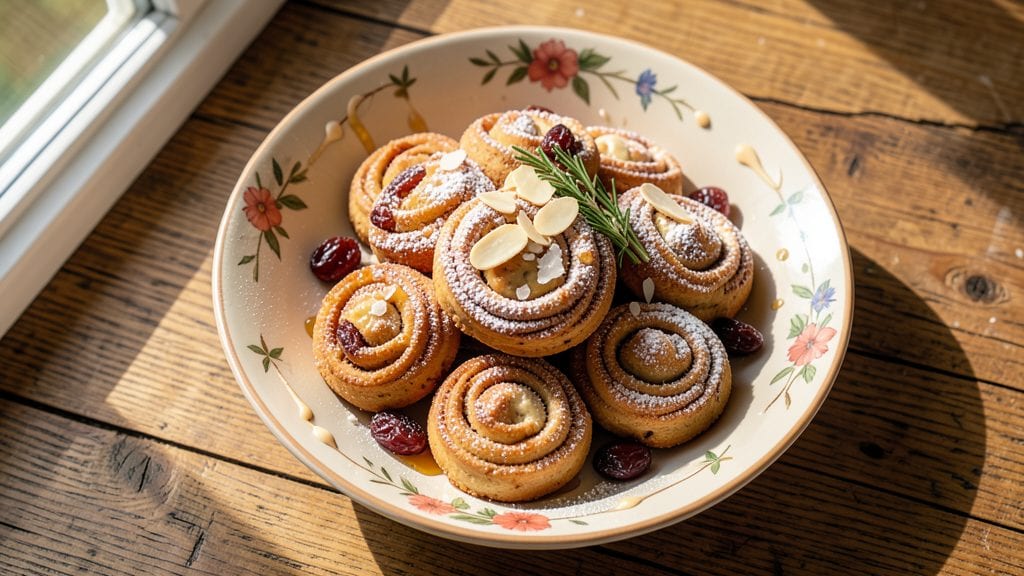
Polish kolaczki cookies bring a taste of Eastern European tradition to your kitchen with their iconic festive shapes and perfect balance of crispy edges and tender centers.
These sweet pastries, often filled with poppy seeds or sweet cheese, are a staple at celebrations like Easter and weddings, where their intricate designs symbolize prosperity and joy. I’ve perfected a method that ensures the dough stays pliable for shaping while baking to golden perfection—no shortcuts, just authentic results.
The secret to these kolaczki lies in the dough’s texture and the precision of shaping. A well-proofed dough with just the right amount of butter creates the signature flaky layers, while the fillings—whether classic poppy seed or rich sweet cheese—add a creamy contrast to the crispy exterior.
This recipe preserves tradition while making it accessible for home bakers, with step-by-step instructions for shaping those signature braided or twisted designs.
By the time these kolaczki emerge from the oven, you’ll have pastries with crispy edges that shatter slightly and a soft, pillowy interior that melts in your mouth.
The aroma of warm butter and vanilla fills the kitchen, while the visual appeal of their decorative shapes makes them as beautiful as they are delicious. Serve them fresh with a dusting of powdered sugar or a drizzle of honey for an authentic touch.
Whether you’re celebrating a holiday or simply craving something special, these kolaczki deliver the perfect blend of tradition and indulgence. The recipe includes variations for fillings and shapes, so you can customize them to your taste while keeping the heart of Polish baking alive in your kitchen. Let’s get started!
Ingredients for polish kolaczki cookie
Buttery dough, sweet fillings, and iconic shapes—everything you need for authentic Polish kolaczki.
| Ingredient | Amount | Notes |
|---|---|---|
| All-Purpose Flour 🌾 | 4 cups | Sifted for light texture |
| Unsalted Butter 🧈 | 1 cup | Cold, cubed for flaky layers |
| Granulated Sugar 🍚 | ¾ cup | Superfine preferred for smoothness |
| Powdered Sugar 🍚 | ½ cup | For dusting and filling |
| Large Eggs 🥚 | 2 whole | Room temperature for blending |
| Pure Vanilla Extract 🍯 | 1 tbsp | High-quality, imitate preferred |
| Poppy Seeds 🌱 | ½ cup | Toasted for enhanced flavor |
| Sweet Ricotta Cheese 🧀 | 8 oz | Whole-milk, drained well |
| Diamond Crystal Kosher Salt 🧂 | ½ tsp | Fine grain for delicate seasoning |
| Ground Cinnamon 🌿 | ½ tsp | Freshly ground for warmth |
| Heavy Cream 🥛 | ¼ cup | Cold, for filling consistency |
| Honey 🍯 | 2 tbsp | Wildflower for floral notes |
| Powdered Sugar 🍚 | ¼ cup | Extra for final dusting |
The butter is non-negotiable here. European-style unsalted butter from Plugrá or Land O’Lakes gives the best flavor, but any high-fat butter works if you're in a pinch. Keep it cold when mixing to avoid overworking the dough—this ensures those signature flaky layers. The flour should be all-purpose, sifted (no lumps!) and measured precisely. I always grab mine from King Arthur for consistent results. For the poppy seeds, toast them lightly in a dry pan until fragrant—this brings out their nutty flavor without burning. Store-bought poppy seed filling can work, but homemade tastes like a celebration.
No ricotta? Whole-milk cottage cheese, drained overnight is a solid swap—just add an extra tablespoon of powdered sugar to balance the tang. Running low on vanilla extract? Vanilla bean paste works perfectly, or a scraped vanilla bean pod steeped in warm cream. The honey can be swapped for light corn syrup if you prefer, but I find wildflower honey adds a lovely floral note that complements the poppy seeds. For shaping, use a rolling pin with a smooth surface—the traditional wooden kind prevents sticking. If your dough feels too stiff, let it rest for 15 minutes before rolling again. And trust me on this: chill the shaped kolaczki for 30 minutes before baking—they’ll hold their shape better and brown beautifully.
These keep for 3 days in an airtight container at room temperature, though I recommend eating them fresh if possible. For longer storage, freeze the unbaked kolaczki on a tray, then transfer to a bag—bake straight from frozen, adding 2-3 extra minutes to the time. The fillings can be prepped a day ahead and stored in the fridge. When reheating, a quick 10-second blast in the microwave (covered with a damp paper towel) brings back that pillowy texture. And if you're feeling fancy, dust with edible gold leaf before serving—it’s a traditional touch that makes them look like they belong at a royal feast.
Why You'll Love This Recipe
- Butter-Soft Magic: The moment you roll out that dough—cool, crumbly, and just firm enough—you’ll know why these are my secret weapon. No chilled dough fiascos here; the butter and sugar combo keeps it pliable but sturdy, so cutting those perfect little rounds is a breeze. (Yes, even on a Tuesday night.)
- Crowd-Pleaser Classic: Between us, these cookies are that neutral canvas everyone loves. Sweet enough to satisfy dessert cravings but not cloying—just a tender crumb with that signature crackly top. Add jam, chocolate, or leave them plain; they’ll disappear either way. (My in-laws still ask for the recipe every holiday.)
- No-Waste Wonder: Here’s what sold me—this dough makes two batches before it gets nervous. Freeze half for later (they thaw beautifully), or use scraps for a quick jam tart. One bowl, two uses, zero guilt. (I’ve fed a brunch crowd with leftover dough—no one complained.)
- Pantry Staple Power: Honestly, you’re already halfway there if you bake. Flour, butter, sugar, eggs—these are the ingredients you own. No exotic swaps or last-minute grocery runs. Toss in a handful of powdered sugar for dusting, and boom: instant party cookies that cost less than takeout. (Budget-friendly? More like budget-smart.)
Step-by-step instructions for Polish kolaczki cookies
Here's how to craft these traditional cookies with their signature crispy edges and tender hearts.
Create the Cookie Dough Base
In a large mixing bowl, combine the 4 cups all-purpose flour, 0.5 tsp diamond crystal kosher salt, and 0.5 tsp ground cinnamon. Whisk together until evenly distributed—this ensures consistent flavor in every bite. In a separate bowl, cream the 1 cup unsalted butter and 0.75 cup granulated sugar together until light and fluffy, about 3-4 minutes using an electric mixer on medium speed.
Add the 2 whole large eggs, one at a time, mixing well after each addition. Then stir in the 1 tbsp pure vanilla extract and 0.5 cup poppy seeds. Gradually incorporate the dry ingredients into the wet mixture until just combined—you should still see small flour streaks. Overmixing develops gluten, which can make the cookies tough instead of tender.
Form and Chill the Dough
Divide the dough into 4 equal portions and wrap each tightly in plastic wrap. Flatten each portion into a ½-inch thick disk and chill in the refrigerator for at least 2 hours or up to 24 hours. This step is crucial—it allows the butter to firm up, preventing excessive spreading during baking and ensuring those crispy edges we're after.
While the dough chills, prepare your work surface by lightly dusting it with 0.25 cup powdered sugar. This prevents sticking when you roll out the dough later. The longer you chill the dough, the easier it will be to handle and shape into traditional kolaczki forms.
Roll and Cut the Cookie Shapes
Preheat your oven to 350°F and line two baking sheets with parchment paper. On the powdered sugar-dusted surface, roll out one chilled dough disk to about ¼-inch thickness. Using a kolaczki cutter or a round cookie cutter, cut out shapes—traditional kolaczki often feature decorative cutouts like stars, flowers, or hearts.
Transfer the cutouts to the prepared baking sheets, spacing them about 1 inch apart. Gather the dough scraps, re-roll them, and cut out more shapes until you've used all the dough. The key here is to maintain even thickness—this ensures consistent baking and that perfect crispy edge.
Bake to Golden Perfection
Bake the kolaczki for 10-12 minutes until the edges are golden brown and the centers still appear slightly underdone. They'll continue cooking on the baking sheet after removal. Rotate the baking sheets halfway through for even baking—this is especially important if you're baking multiple sheets at once.
While the cookies bake, prepare the filling by mixing together the 8 oz sweet ricotta cheese, 0.25 cup heavy cream, 2 tbsp honey, and an additional 0.25 cup powdered sugar. Once the cookies are done, let them cool on the baking sheets for 5 minutes before transferring to a wire rack to cool completely.
Assemble and Fill the Cookies
Using a small spoon or piping bag, fill the center of each cooled kolaczki with about 1 teaspoon of the ricotta mixture. The filling should be thick enough to stay put but still spread slightly when pressed—this creates that signature soft heart we all love. For extra flair, dust the cookies with additional powdered sugar before serving.
Serve these traditional Polish cookies warm or at room temperature. The contrast between the crispy, buttery edges and the soft, sweet ricotta filling makes each bite unforgettable. Store any leftovers in an airtight container for up to 5 days—though I doubt they'll last that long!
Pro Tips For Making Polish Kolaczki Cookie
- CHILL THE DOUGH: I learned this the hard way—rolling out warm kolaczki dough makes it sticky and uneven. Wrap the dough in plastic and refrigerate for at least 30 minutes (up to 24 hours) before shaping. The cold butter stays firm, and the dough holds together like a dream.
- WEIGH THE BUTTER: Using a scale for the butter (120g for the dough, 60g for the filling) guarantees consistency. Packed cups can vary wildly—once I used too much and ended up with dense, greasy cookies instead of the light, buttery layers I wanted.
- DON’T OVERMIX THE FILLING: The powdered sugar filling is delicate—mix it just until combined. Overworking it turns it gummy, and those cookies end up chewy instead of tender. Use a fork or your fingers to fold it gently, like you’re tucking in a baby.
- FREEZE SHAPED COOKIES: Shape the kolaczki, then freeze them on a tray for 10 minutes before baking. This prevents them from spreading into weird blobs while the butter melts. (Yes, even if you’re impatient like me—trust the process.)
Serving suggestions for this polish kolaczki cookie
Traditional Polish Presentation
Kolaczki are traditionally served on a wooden board or doily during celebrations like Easter or weddings, where they symbolize prosperity. Arrange them in a sunburst pattern with the largest cookies at the center and smaller ones radiating outward.
Dust with powdered sugar using a fine-mesh sieve for that classic snowy effect. 🌟
Festive Garnishes
For a showstopping presentation, add edible gold leaf or crushed pistachios between the cookies for a luxurious touch. A drizzle of honey or caramelized pear glaze elevates the dish, especially for holiday gatherings. I love adding a sprinkle of cinnamon on top for warmth.
Pairing with Beverages
Serve kolaczki with hot herbal tea like chamomile or mint to complement their buttery richness. For a festive twist, pair with Polish vodka (like Chopin) or a sweet dessert wine such as Moscatel. The contrast of warm cookies with a chilled drink creates a perfect balance. 🍷
Family-Style Serving
In Poland, kolaczki are often shared family-style, passed around with whipped cream or sour cream for dipping. Use a large platter to display them, and encourage guests to pick their favorite shapes. This communal approach makes them ideal for gatherings and celebrations.
Modern Twists
For a contemporary touch, serve kolaczki with fresh berry compote or vanilla ice cream on the side. The tartness of the berries cuts through the sweetness of the cookies. You can also arrange them on a tiered stand for an elegant dessert display at parties.
Storage and Reheating
Store leftover kolaczki in an airtight container at room temperature for up to 3 days. To revive their texture, warm them in the oven at 300°F for 5 minutes or microwave for 10 seconds (covered with a damp towel). Serve with warm tea for a comforting treat. ❄️
Nutrition facts
Frequently asked questions
What makes these kolaczki different from regular cookies?
Kolaczki are traditional Polish pastries with a unique texture—crispy edges that shatter slightly and a soft, almost cake-like center. The dough contains more butter and is often filled with sweet poppy seed or ricotta mixtures, giving them a richer, layered quality. Their festive shapes (like stars or flowers) also set them apart from standard cookies.
Can I make kolaczki without a special cutter?
Use a round cookie cutter or even a glass. For classic kolaczki shapes, try cutting out circles and then making small slits to create decorative patterns before baking. A butter knife works well for creating the signature twisted or braided designs. Just keep the dough chilled for easier handling.
Why does the dough need to chill for so long?
Chilling the dough for at least 2 hours (or up to 24 hours) is key to preventing spreading during baking and achieving those perfect crispy edges. The cold butter creates steam when baking, which lifts the dough for a flaky texture. It also makes the dough easier to roll and shape without sticking. Don't skip this step!
What's the best filling alternative if I don't have ricotta?
Try a mix of whole-milk cottage cheese (drained overnight) with powdered sugar and a splash of vanilla. For a fruit option, blend apricot jam with a little lemon juice to thin it. Or use a chocolate-hazelnut spread for a modern twist. Just ensure the filling is thick enough to stay in the center.
How do I prevent the kolaczki from burning?
Watch them closely after 8 minutes at 350°F—they bake quickly! Rotate the baking sheet halfway through for even browning. If they start browning too fast, reduce the oven temperature to 325°F for the last 2 minutes. The centers should still look slightly underdone when done.