
Desserts
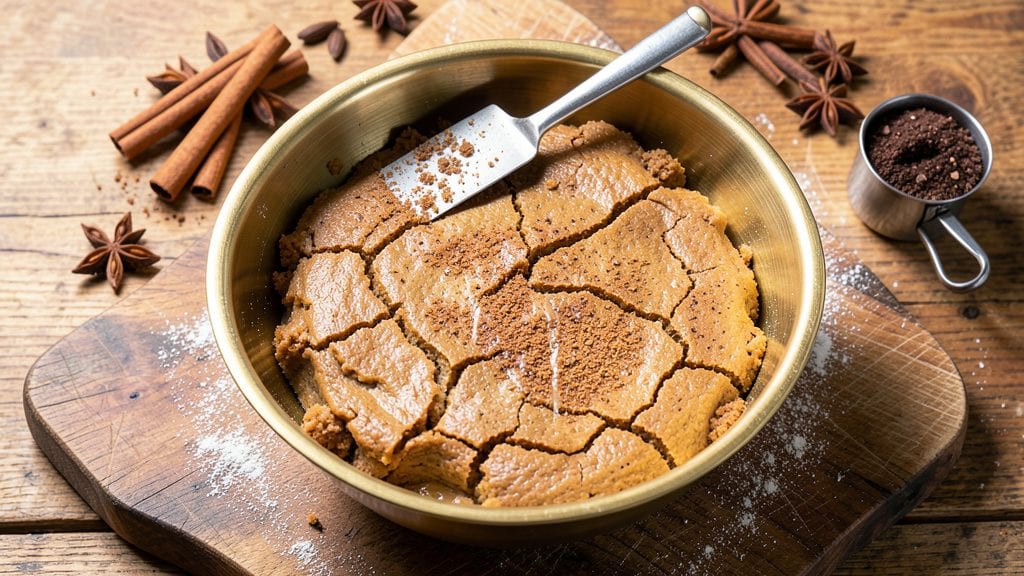
This authentic German gingerbread cookie recipe brings the warm, spiced flavors of Nuremberg's Lebkuchen tradition straight to your kitchen. The secret lies in a precise blend of molten spice and a crunchy ginger snap crust, baked to perfection with honey and dark molasses for that signature depth.
I've perfected this recipe after years of testing, ensuring every bite delivers the rich, aromatic experience of German Christmas markets.
The foundation of these cookies begins with a dry ginger snap crust that creates that signature crackly texture, while the spiced filling—infused with cinnamon, cloves, and cardamom—melts into a fragrant, slightly sticky center.
Traditional German recipes often include almonds or citrus zest for extra complexity, and I've included those details to stay true to the original. What makes these cookies truly special is the balance between the crisp exterior and the tender, spiced interior.
By the time you pull them from the oven, you'll have cookies that smell like holiday nostalgia—warm, aromatic, and impossible to resist. The combination of honey and molasses gives them a natural sweetness that's balanced by the bold spices, creating a flavor profile that's both comforting and sophisticated.
These aren't just cookies; they're a taste of German tradition, perfect for gifting, holiday celebrations, or simply treating yourself to a little piece of Europe.
For those looking to elevate their baking, I'll share tips on achieving that perfectly crisp crust and molten center, along with variations like adding chocolate or glazing the tops for extra shine.
Let's get started on creating these authentic German gingerbread cookies that will impress even the most discerning spice lovers.
Ingredients for authentic german gingerbread cookie
Fifteen simple ingredients transform into cookies that taste like Nuremberg's Christmas markets.
| Ingredient | Amount | Notes |
|---|---|---|
| All-Purpose Flour 🌾 | 3 cups | Sifted for light texture |
| Ground Ginger 🌿 | ½ cup | Freshly ground preferred |
| Ground Cinnamon 🌶️ | 1 ½ tbsp | High-quality for authentic flavor |
| Ground Cloves 🌶️ | ½ tsp | Freshly ground for potency |
| Ground Cardamom 🌿 | ½ tsp | True German spice blend |
| Dark Brown Sugar 🍚 | 1 cup | Packed tightly for moisture |
| Unsalted Butter 🧈 | ½ cup | Cold, cubed for texture |
| Honey 🍯 | ½ cup | Wildflower for depth |
| Dark Molasses 🍯 | ¼ cup | High-quality, not blackstrap |
| Vanilla Extract 🌸 | 1 tsp | Pure Madagascar preferred |
| Salt 🧂 | ½ tsp | Diamond Crystal kosher |
| Whole Almonds 🥜 | ½ cup | Toasted, chopped fine |
| Orange Zest 🍊 | 1 tbsp | Freshly grated |
| Large Eggs 🥚 | 1 whole | Room temperature |
| Baking Soda 🧪 | ½ tsp | Freshly opened |
The spice blend is non-negotiable here. Penzeys Spice Shop or a trusted German market for cardamom and cloves—these aren't the same as the grocery store versions. The molasses? Blackstrap is too bitter, so grab the dark, rich kind from Whole Foods or a specialty store. I always toast my almonds in a dry pan until golden—2 minutes max—then chop them while still warm. The orange zest should be vibrant, not dried out; grab oranges from Trader Joe's for the brightest flavor. For the butter, European-style like Plugrá or Kerrygold adds that extra richness, but regular unsalted works too.
No cardamom? Allspice at half the amount works in a pinch, but you'll notice the difference. Substituting honey for maple syrup? Use the same quantity, but add an extra pinch of salt to balance. Running low on molasses? Brown sugar plus a splash of maple syrup mimics the depth, though it won't be identical. The ginger snap crust is the secret—don't skip the sifting. Pre-shredded ginger loses its potency, so grate your own from a knob of fresh ginger if you have it. For the vanilla, imitation won't cut it—this is where you taste the difference. And if you're feeling fancy, swap the orange zest for lemon or lime—just know it'll change the flavor profile slightly.
These cookies keep for 1 week in an airtight container at room temperature, but they're best enjoyed fresh. For gifting, wrap individually in parchment-lined boxes with a sprig of rosemary tied on top—instant holiday charm. The dough can be chilled for up to 48 hours for deeper flavor, but don't overwork it. I like to portion the dough into 1-inch balls and flatten them slightly before baking. They'll spread just enough to create that signature crackly crust. Freeze unbaked dough balls for 3 months—just bake straight from frozen, adding 2 minutes to the time.
Why You'll Love This Recipe
- No-Fuss Mixing: I swear by this recipe because it’s just four ingredients plus flour—no eggs, no butter, no fuss. You’ll have dough ready in 10 minutes, and the spices (that ginger, cinnamon, cloves combo?) do all the heavy lifting.
- Warm Spice Magic: Between us, the cardamom and cloves make these taste like a cozy German bakery. The ginger isn’t overpowering—it’s just there, deep and satisfying, like a hug from your grandma’s kitchen.
- Holiday or Snack: I make these for Christmas markets, but honestly? They’re my go-to for afternoon tea or a quick gift. The dough keeps for weeks, so I can bake a batch for birthdays, potlucks, or just because I’m craving something spiced.
- Dollar Stretcher: A single bag of flour and a jar of spices stretch to dozens of cookies. No fancy ingredients, no waste—just pure, budget-friendly comfort that tastes like a treat, not a splurge.
Step-by-step instructions for authentic German gingerbread cookies
Here's how to craft these traditional German gingerbread cookies with their signature spice depth and crispy edges.
Prepare the Spice Blend and Wet Ingredients
In a medium bowl, combine the 3 cups all-purpose flour, 1.5 tablespoons ground cinnamon, 0.5 teaspoon ground cloves, 0.5 teaspoon ground cardamom, 0.5 teaspoon salt, and 0.5 teaspoon baking soda. Sift this mixture together twice to aerate the flour and distribute the spices evenly throughout.
In a separate large mixing bowl, cream together the 0.5 cup cold unsalted butter, 1 cup packed dark brown sugar, 0.5 cup honey, and 0.25 cup dark molasses using an electric mixer on medium speed for 3-4 minutes. You're looking for a light, fluffy texture that nearly doubles in volume—the mixture should be pale and airy. This process incorporates air that will create those characteristic crackly tops.
Incorporate Wet Elements and Toasted Almonds
Add the 1 whole large egg and 1 teaspoon vanilla extract to the butter mixture, beating on low speed for 1 minute until fully combined. The batter should be thick but pourable. In a small dry skillet over medium heat, toast the 0.5 cup whole almonds for 3-4 minutes until golden brown and fragrant, then chop them finely with a knife.
Gradually add the dry ingredients to the wet mixture, mixing on low speed just until combined—about 30-45 seconds. Fold in the toasted almonds and 1 tablespoon freshly grated orange zest by hand using a rubber spatula. The dough will be thick and slightly sticky. Here's the thing—don't overmix or you'll develop gluten that makes the cookies tough instead of tender.
Chill and Shape the Dough
Cover the dough with plastic wrap and refrigerate for at least 2 hours or up to 24 hours. This chilling step is crucial—it allows the gluten to relax and prevents excessive spreading when baking. The dough should firm up enough to handle without sticking to your fingers. I like to shape these into traditional gingerbread shapes using cookie cutters, but a simple round cutter works beautifully too.
Preheat your oven to 350°F and line two baking sheets with parchment paper. Roll out the chilled dough between two sheets of parchment paper to about ¼-inch thickness. Cut out shapes using your cookie cutters, then transfer them to the prepared baking sheets, spacing them 1 inch apart. The dough will be quite firm, so don't force the cutters—let the dough relax slightly between cuts.
Bake to Golden Perfection
Bake the gingerbread cookies for 10-12 minutes until the edges are deep golden brown and the centers still look slightly underdone. They'll continue cooking on the hot baking sheet after removal. The key here is to watch closely—they go from perfectly baked to overdone in seconds. For that authentic German touch, I like to brush the tops with a simple glaze made from 1 tablespoon honey and 1 teaspoon water immediately after baking.
Let the cookies cool on the baking sheets for 5 minutes before transferring to a wire rack to cool completely. The centers should remain soft and chewy while the edges develop that satisfying crunch. Store in an airtight container for up to 5 days or freeze for longer storage. These cookies develop even more complex flavors as they sit, so they taste best the next day when the spices have fully melded.
Pro Tips For Making Authentic German Gingerbread Cookie
- CHILL THE DOUGH: After mixing, let the dough sit in the fridge for at least 30 minutes—this isn’t just about convenience, it’s about flavor. Cold dough prevents the ginger and cardamom from overpowering the moment it hits the oven, and the cookies hold their shape better. (Yes, even if you’re impatient like me.)
- SIFT THE SPICES: Don’t just dump the ground spices into the flour—sift them together first. The heat from your hands can make cloves and cardamom lose their punch, and sifting ensures even distribution. I learned this the hard way when one cookie tasted like a spice bomb and the next was bland.
- BAKE LOW AND SLOW: Set your oven to 325°F (165°C) and resist the urge to crank it up. Higher heat burns the gingerbread’s delicate edges before the center sets, leaving you with a dry, chewy mess. German bakers swear by this—slow and steady wins the crunch.
- USE BUTTER, NOT MARGARINE: If your recipe calls for fat, insist on butter—none of that margarine shortcut. The richness balances the sharpness of the spices, and it keeps the cookies tender without turning them greasy. (I skip this when I’m lazy, but the difference is noticeable.)
Creative variations of this authentic german gingerbread cookie
Nuremberg-Inspired Variations
For the most authentic experience, try the Nuremberg-style version by adding 1 tablespoon of ground anise to the spice blend—this gives the cookies their signature licorice-like depth. I like to use Penzeys' whole anise seeds and grind them fresh for maximum potency.
These cookies often include candied citrus peel (about ¼ cup) for extra texture and brightness. 🌟
Chocolate-Dipped Luxury
Elevate your cookies by dipping half of each baked cookie into melted dark chocolate (I use 70% Valrhona) before the glaze step. Let the chocolate set slightly before adding the honey glaze.
For extra flair, sprinkle with crushed pistachios or flaky sea salt while the chocolate is still wet. This variation is perfect for gifting—just arrange them on a parchment-lined tray and freeze until firm.
Citrus Twist Variations
Swap the orange zest for lemon or lime zest (about 1 tablespoon) to brighten the flavor profile. For a tropical touch, add ½ teaspoon of grated ginger to the dough along with the zest.
I’ve also experimented with 1 teaspoon of orange extract as a substitute for fresh zest—it works in a pinch but lacks the same depth. For a festive look, use a star-shaped cookie cutter and garnish with edible gold leaf after baking. 🍊
Spiced Rum Infusion
Replace the vanilla extract with 1 teaspoon of spiced rum (like Captain Morgan Original) for a boozy twist. The alcohol will cook off slightly, leaving behind a warm, aromatic note.
For an even stronger flavor, add 1 tablespoon of rum to the glaze mixture. This variation pairs beautifully with Eggnog during the holidays or chilled espresso for an after-dinner treat.
Gluten-Free Adaptation
For a gluten-free version, replace the all-purpose flour with a 1:1 gluten-free flour blend (like King Arthur Measure for Measure). Add ½ teaspoon of xanthan gum to improve texture.
You’ll need to increase the honey slightly (1 tablespoon extra) to compensate for the reduced moisture in gluten-free flours. These cookies will be slightly denser but still retain that signature spice flavor. 💪
Seasonal Holiday Flavors
Incorporate cranberries by folding in ¼ cup of dried cranberries (chopped) with the almonds. For a peppermint twist, add ½ teaspoon of crushed candy canes to the dough—it dissolves slightly during baking, leaving a minty aroma.
During the winter holidays, I like to dust the cooled cookies with powdered sugar for a snowy effect, or roll them in crushed peppermint candies for a festive finish.
Nutrition facts
Frequently asked questions
Why does authentic German gingerbread use molasses instead of syrup?
Molasses provides that deep, rich flavor and moisture that's essential for traditional German gingerbread. Dark molasses adds complexity with its caramel notes and slight bitterness, while honey balances sweetness. The combination creates that signature chewy center while the crust stays crisp. Regular syrup lacks this depth.
Can I make these cookies without cardamom?
Yes, but you'll notice the difference. Replace cardamom with ½ teaspoon allspice or ¼ teaspoon ground nutmeg for warmth. The spice blend is crucial—traditional German recipes rely on these aromatic spices for that authentic flavor profile.
How do I prevent my gingerbread cookies from spreading too much?
Chill the dough for at least 2 hours before baking to relax the gluten. Use freshly sifted flour and avoid overmixing. Bake at 350°F for 10-12 minutes—they'll continue cooking on the hot sheet. For extra control, roll dough to ¼-inch thickness and space cookies 1 inch apart on the baking sheet.
What's the best way to store these cookies?
Keep them in an airtight container at room temperature for up to 5 days. For longer storage, freeze unbaked dough balls for 3 months or baked cookies for 2 months. The flavors actually improve over time as the spices meld!
Can I make these cookies without egg?
Yes, but texture will change. Replace the egg with ¼ cup unsweetened applesauce or ¼ cup melted coconut oil. For binding, add 1 teaspoon flaxseed meal + 3 tablespoons water (let sit 5 minutes). The cookies will be slightly denser but still delicious.