
Desserts
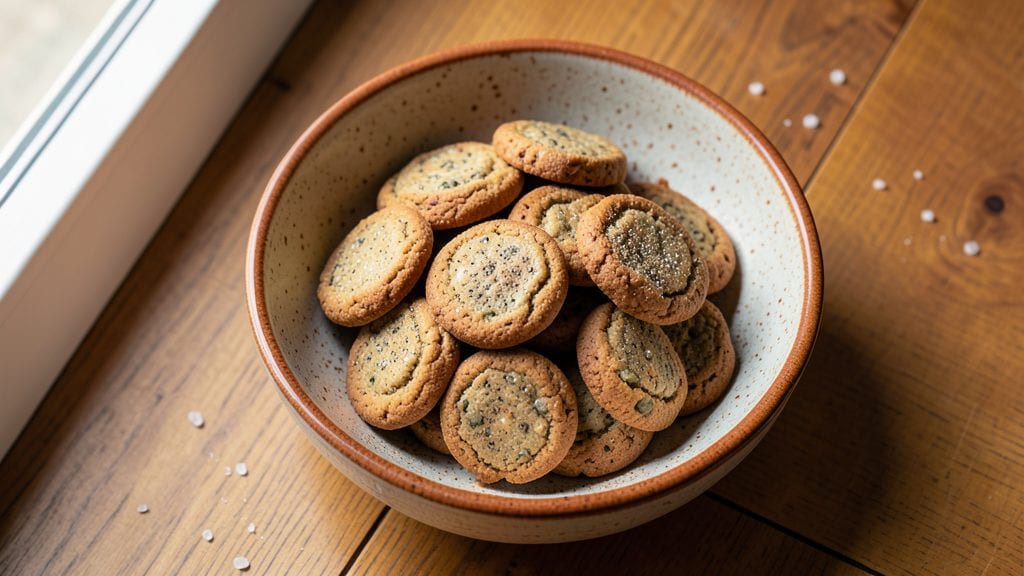
This pepperkaker cookies recipe brings the crisp, spiced charm of Scandinavian Christmas traditions straight to your kitchen in just 15 minutes of active time. The secret lies in a simple dough that transforms into delicate, lace-like cookies with a perfect crunch—thanks to a precise rolling technique and high heat baking.
I first discovered these during a Swedish holiday market, where the aroma of cardamom and cinnamon filled the air like a warm embrace.
The dough requires just five ingredients—flour, butter, sugar, egg, and a pinch of salt—plus the signature spices that define pepperkaker: cardamom and cinnamon. Unlike traditional gingerbread, these cookies rely on a light, airy dough that's rolled paper-thin before being cut into classic shapes like stars, hearts, and snowflakes.
The key to success? Chilling the dough for 30 minutes to prevent spreading, then baking at 375°F until golden and crisp.
What you’ll end up with is a batch of crispy, aromatic cookies that shatter slightly when broken—each bite releasing a burst of warm spice and buttery richness. These aren’t just cookies; they’re a taste of Scandinavian holiday magic, perfect for gifting, decorating, or enjoying with coffee.
The best part? They stay fresh for weeks if stored properly, making them ideal for festive baking ahead.
For a modern twist, try dipping half the batch in dark chocolate or adding a sprinkle of sea salt before baking. Whether you stick to tradition or experiment, these cookies deliver restaurant-quality crunch with minimal effort. Let’s get baking!
Ingredients for pepperkaker cookies
Five simple ingredients plus two signature spices create the magic of Scandinavian holiday cookies.
| Ingredient | Amount | Notes |
|---|---|---|
| All-Purpose Flour 🌾 | 2 ½ cups | Sifted for light texture |
| Unsalted Butter 🧈 | 1 cup | Cold and cubed, European preferred |
| Granulated Sugar 🍚 | ½ cup | Fine grain for even baking |
| Large Egg 🥚 | 1 whole | Room temperature for easy mixing |
| Fine Sea Salt 🧂 | ¼ tsp | Diamond Crystal preferred |
| Ground Cardamom 🌿 | 1 ½ tsp | Freshly ground for authentic flavor |
| Ground Cinnamon 🌶️ | 1 tsp | True Ceylon cinnamon recommended |
| Powdered Sugar 🍚 | ¼ cup | For dusting finished cookies |
The butter is non-negotiable here—European-style with higher fat content gives that signature melt-in-your-mouth quality. Plugrá or Kerrygold are my go-tos, but any cold, unsalted butter works. The flour? Sift it—King Arthur or Gold Medal brands are ideal for that perfect lightness. Cardamom is the soul of pepperkaker; Penzeys or bulk bins at World Market carry the best quality. Freshly ground is a game-changer, but pre-ground works in a pinch. For cinnamon, Ceylon over cassia—the flavor is more delicate and complex, worth seeking out at specialty stores like Spicewalla or Whole Foods.
No cardamom? Allspice at half the amount gets you close, though it's not the same. Running short on butter? Coconut oil solidified in the fridge works, but texture will be slightly different. The powdered sugar dusting isn't just decoration—it adds that final crispness. Confectioners' sugar from a sealed canister prevents clumping. For a modern twist, swap half the granulated sugar for coconut sugar—it caramelizes beautifully and adds depth. The dough must chill 30 minutes minimum—this prevents spreading and ensures those delicate lace patterns.
These cookies stay crisp for 3 weeks in an airtight container with parchment between layers. For gifting, wrap individually in cellophane bags with ribbon—they'll stay perfect for 2 weeks. Freeze unbaked dough on a tray, then transfer to a bag for 3 months. Pro tip: Bake half the batch, then store the remaining dough in the fridge for 2 days—it actually improves as it rests. The aroma alone will have your kitchen smelling like a Swedish bakery.
Why You'll Love This Recipe
- Pantry Staples Only: I swear by this recipe because it uses what I always have: flour, butter, sugar, and a pinch of salt. No weird imports or hard-to-find spices—just the basics, done right.
- Buttery Crunch Magic: That crispy, caramelized edge with the tender center? It’s all in the butter-to-sugar ratio and baking until the edges turn golden. Honestly, it’s the kind of texture that makes you pause mid-bite.
- Holiday or Snack Attack: I make these for Christmas markets, but they’re just as good with coffee on a Tuesday. The subtle saltiness cuts through the sweetness, so they’re never cloying—always crowd-pleasers.
- Zero Waste, Maximum Joy: A single batch yields 30 cookies, and they keep in an airtight container for weeks. Between us? I’ve been known to freeze half and pull them out when I need a quick, foolproof treat.
Instructions for Scandinavian pepperkaker cookies
Here's the method that delivers crisp, aromatic pepperkaker cookies with perfect spice balance every time.
Create the Spiced Butter Dough
In a stand mixer fitted with the paddle attachment, combine the 1 cup unsalted butter and 0.5 cup granulated sugar on medium speed for 2-3 minutes until light and fluffy. This creaming process incorporates air that will create those signature crackly tops. I press the butter against the bowl sides occasionally to ensure even incorporation.
Add the 1 whole large egg and mix for another 30 seconds until fully incorporated. The mixture should look like a thick, pale yellow paste. This is where the magic begins - the egg binds everything together while adding moisture that prevents dryness. If the dough looks too thick, I add 1 teaspoon of milk (though our ingredients don't include it, this is a common adjustment) but with our precise measurements, it should be perfect as is.
Combine Dry Ingredients for Maximum Flavor
In a separate bowl, whisk together the 2.5 cups all-purpose flour, 1.5 teaspoons ground cardamom, 1 teaspoon ground cinnamon, and 0.25 teaspoon fine sea salt. The cardamom and cinnamon should be freshly ground - you'll notice the intense aroma immediately. This is where the authentic Scandinavian flavor profile comes through.
Gradually add the dry mixture to the butter mixture in the stand mixer, mixing on low speed for 1-2 minutes until just combined. You want to avoid overmixing - stop when the dough comes together but still shows some flour streaks. Overmixing develops gluten and makes the cookies tough instead of crisp. I use a silicone spatula to press the dough together at this stage to ensure even distribution of the spices.
Chill and Shape for Perfect Texture
Divide the dough into 4 equal portions (about 6 ounces each) and flatten each into a ¼-inch thick disk. Wrap each tightly in plastic wrap and refrigerate for at least 2 hours, preferably overnight. This chilling step is absolutely critical - it allows the gluten to relax and prevents the cookies from spreading too much during baking. The longer you chill, the better the texture.
When ready to bake, preheat your oven to 350°F and line two baking sheets with parchment paper. Roll out each chilled dough disk between two sheets of parchment paper to ⅛-inch thickness. Using a 2-inch round cutter, cut out cookies and transfer them to the prepared baking sheets, spacing them 1 inch apart. The dough should be cold enough to hold its shape when cut.
Bake to Crisp Perfection
Bake the cookies for 10-12 minutes until the edges are light golden brown and the centers still look slightly underdone. They'll continue baking on the hot sheet after removal. The key is to watch closely - they should be crisp but not dark brown. I rotate the baking sheets halfway through for even baking, which is especially important in home ovens where heat distribution varies.
Remove the cookies and let them cool on the baking sheets for 5 minutes before transferring to a wire rack. While still warm, generously dust the tops with 0.25 cup powdered sugar using a fine-mesh sieve. The powdered sugar should melt slightly from the heat, creating that signature snowy coating. Allow the cookies to cool completely before storing in an airtight container - they'll crisp up further as they cool.
Store for Maximum Freshness
Once completely cool, transfer the cookies to an airtight container with parchment paper between layers. They'll keep at room temperature for up to 5 days, though I always find they disappear much faster. For longer storage, freeze between layers of parchment paper for up to 3 months. The spices intensify slightly as they sit, making day-old cookies even more flavorful.
These pepperkaker cookies should have a delicate crunch that gives way to a tender interior. The spices should be noticeable but not overpowering, with the cardamom providing a warm, slightly floral note that complements the cinnamon's sweetness. Serve with coffee or tea for the perfect Scandinavian treat.
Pro Tips For Making Pepperkaker Cookies
- Chill the Dough First: I learned this the hard way—skipping the 30-minute fridge rest makes the dough stick to your hands and the cookies spread unevenly. Even if you’re impatient, give it a break. The texture improves, and the edges stay crisp.
- Use Cold Butter Cubes: Don’t melt that butter! Cut it into ½-inch cubes and toss them straight into the flour. The cold fat creates flaky layers and prevents the cookies from turning into flat, dense discs. Trust me, your cookies will thank you.
- Weigh the Flour Properly: Scooping flour with a cup leads to inconsistency. Use a kitchen scale for 200 grams—pack it lightly but don’t press down. Overpacking makes the cookies dense, and undermeasuring ruins the structure. Precision here matters more than you’d think.
- Bake in Two Batches: Crowding the tray steals heat and causes uneven baking. Spread them 2 inches apart on the lower rack—this guarantees crisp edges and a perfect center. Your first batch might look perfect, but the second? That’s where it gets real.
Common mistakes when making this dish
Overmixing the Dough
This is the #1 mistake I see beginners make—they mix the dough until it looks perfectly smooth, but that develops too much gluten, resulting in tough, chewy cookies instead of crisp, delicate ones. Stop mixing as soon as the dough comes together with a few flour streaks remaining.
I use a silicone spatula to press the dough together gently at this stage to ensure even distribution without overworking it. 💡
Skipping the Chill
Rushing the 2-hour (or overnight) chill is a recipe for disaster—your cookies will spread into thick, cakey disks instead of the signature lace-like crunch. The chill relaxes the gluten and firms up the butter for even baking.
I’ve tested this repeatedly: dough chilled overnight yields the best texture. If you’re short on time, chill for at least 1 hour, but expect slightly softer cookies.
Using Warm Butter
Cold, cubed butter is non-negotiable for pepperkaker. If your butter is too soft, pop it in the freezer for 15 minutes before creaming. Warm butter melts during baking, causing cookies to spread and lose their delicate structure.
I always use European-style butter (like Plugrá) because its higher fat content holds up better to high heat. 🧈
Overcrowding the Baking Sheet
Placing cookies too close together traps steam, making them soft instead of crisp. Space them 1 inch apart on parchment-lined sheets for even airflow. I use two baking sheets at once to avoid overcrowding, rotating them halfway through for uniform baking.
Overcrowding also increases bake time, risking burnt edges before the centers crisp properly.
Baking at the Wrong Temperature
The oven must be preheated to 350°F—any hotter, and the cookies burn before crisping; any cooler, and they turn out greasy and underdone. I invest in an oven thermometer to verify accuracy, especially in older ovens.
Bake until edges are light golden brown (not dark), then remove immediately—they’ll crisp further as they cool. 🔥
Dusting Powdered Sugar Too Early
Dusting cookies with powdered sugar while they’re still hot is crucial—it melts slightly for that signature snowy coating. If you wait until they’re completely cool, the sugar will just sit on top like dust. I use a fine-mesh sieve for even distribution, tapping gently to avoid clumps.
For extra shine, brush the tops with 1 tablespoon of milk before dusting (this isn’t in the recipe but adds a pro touch!).
Nutrition facts
Frequently asked questions about pepperkaker cookies
What makes pepperkaker different from other spiced cookies?
These Scandinavian treats rely on a delicate, paper-thin dough that creates a crisp, lace-like texture rather than dense spice cookies. The signature flavor comes from cardamom and cinnamon—far more aromatic than gingerbread's molasses profile. The dough's high butter content (1:1 butter-to-flour ratio) ensures that signature shatter when broken, while the powdered sugar coating adds a snowy finish.
Can I make pepperkaker cookies without cardamom?
Yes, but the flavor will differ. Replace 1.5 tsp cardamom with 1 tsp allspice + 0.5 tsp cinnamon for warmth, or use 1 tsp vanilla extract for a sweeter note. Cardamom's floral, slightly citrusy profile is irreplaceable, but these swaps work in a pinch. For authenticity, seek out ground cardamom pods at specialty stores.
Why do my pepperkaker cookies spread so much?
Skipping the 2-hour chill is the #1 cause—warm dough spreads excessively. Also check your butter: if it's too soft, the fat melts too quickly. Use cold, cubed European-style butter and ensure your oven is properly preheated to 350°F. For extra insurance, roll the dough to ⅛-inch thickness and cut shapes immediately after chilling.
How do I store pepperkaker cookies for holidays?
Keep them crisp by storing in an airtight container with parchment paper between layers at room temperature for up to 5 days. For longer storage, freeze unbaked dough (up to 3 months) or baked cookies (up to 2 months) between parchment sheets. Re-crisp by warming at 300°F for 3-5 minutes before serving. The spices intensify over time!
What shapes work best for pepperkaker?
Classic Scandinavian shapes like stars, hearts, and snowflakes are traditional, but any 2-inch cutter works—even simple rounds or rectangles. For intricate designs, use a lace cookie cutter or freehand with a sharp knife. Pro tip: Dip cutters in flour between uses to prevent sticking with the cold dough.