
Desserts
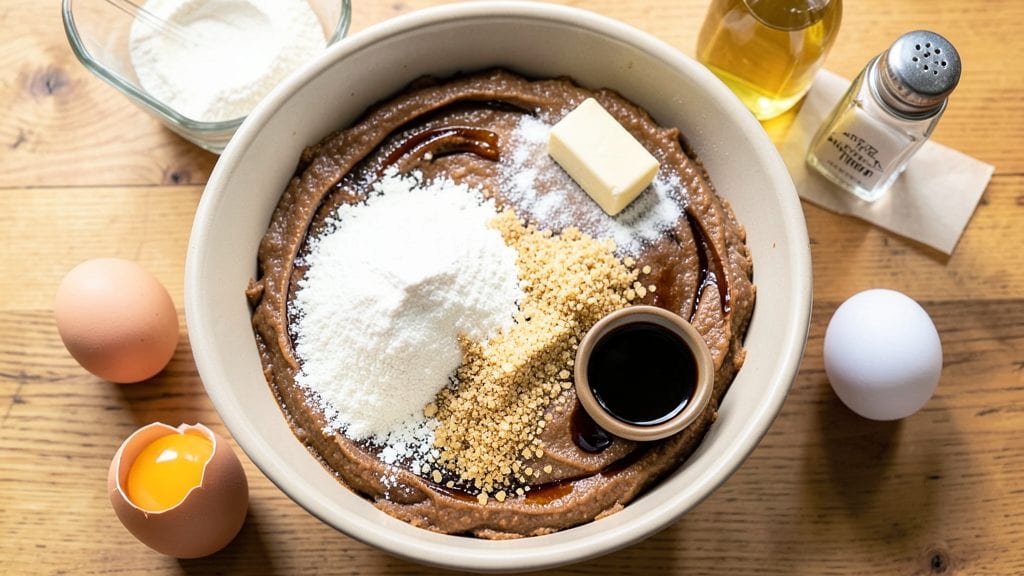
This Pioneer Woman gingerbread cookie recipe delivers the perfect balance of molten spice and crispy edges—just like the classic cookies that made Ree Drummond famous.
The secret lies in the precise molasses-to-brown-sugar ratio and a long chilling time that ensures the cookies hold their shape while developing deep, warming flavors. I’ve baked these dozens of times, and they’re always a crowd-pleaser during the holidays.
The recipe starts with a foolproof dough that’s rich with ginger, cinnamon, and cloves, but never overpowering. Unlike many modern recipes, this version uses real molasses for that authentic, slightly chewy texture and a touch of corn syrup to prevent cracking.
The dough must rest overnight—this is non-negotiable—for maximum flavor development and crispy edges that stay tender inside.
What you’ll end up with are golden-brown cookies with shatteringly crisp edges and a molten spice center that’s almost too good to resist. The aroma alone—warm ginger, cinnamon, and vanilla—will fill your kitchen and make your home feel like a holiday haven.
These cookies freeze beautifully too, so you can bake a batch now and enjoy them all season long.
Perfect for gift-giving, holiday parties, or just treating yourself to a taste of nostalgia. The recipe scales easily, so double it for gatherings. Let’s get baking—your kitchen will thank you.
Ingredients for pioneer woman gingerbread cookie
Pantry staples and a few specialty items for cookies that taste like holiday magic.
| Ingredient | Amount | Notes |
|---|---|---|
| All-Purpose Flour 🌾 | 3 ½ cups | Sifted for light texture |
| Unsalted Butter 🧈 | 1 cup | Cold, cubed for dough |
| Light Brown Sugar 🍚 | 1 ½ cups | Packed firmly for sweetness |
| Molasses 🍯 | ½ cup | Unsulphured for authentic flavor |
| Corn Syrup 🍯 | ¼ cup | Prevents cracking |
| Large Eggs 🥚 | 2 whole | Room temperature |
| Pure Vanilla Extract 🍋 | 1 tbsp | High-quality preferred |
| Ground Ginger 🌿 | 2 tsp | Freshly ground if possible |
| Ground Cinnamon 🍃 | 2 tsp | Freshly toasted for warmth |
| Ground Cloves 🌶️ | ½ tsp | Lightly toasted |
| Baking Soda 🧂 | ½ tsp | For lift |
| Diamond Crystal Kosher Salt 🧂 | ½ tsp | Fine grain preferred |
| Granulated Sugar 🍚 | ½ cup | For sprinkling |
The molasses is non-negotiable here—unsulphured makes all the difference. Whole Foods or Trader Joe's carry the best, but any grocery store with a bulk section should have it. Look for dark, thick molasses that’s not watery. The corn syrup might seem odd, but it’s what keeps these cookies from cracking as they bake. Karo is my go-to brand, and it’s cheap enough to keep on hand. For the spices, Penzeys or bulk bins at natural food stores give the freshest, most aromatic ground ginger and cinnamon. Toast your cloves lightly in a dry pan before grinding for extra depth—trust me on this.
No molasses? Dark corn syrup at half the amount works in a pinch, but the flavor won’t be the same. Running short on corn syrup? Honey or maple syrup can substitute, though the texture might be slightly denser. The butter should be cold—take it out of the fridge 10 minutes before mixing so it’s soft enough to cream but not melted. For the vanilla, imitation extract is a crime here. The baking soda is crucial for that classic gingerbread rise, so don’t swap it for baking powder. And if you’re feeling fancy, add a pinch of cardamom to the spice mix—it pairs beautifully with the ginger.
The dough needs at least 24 hours to chill, but it’ll keep for up to 5 days in the fridge wrapped tightly. For baking, pull it out 30 minutes before shaping so it’s easier to handle. These cookies freeze beautifully too—shape them, bake, then freeze on a tray before transferring to a bag. They’ll keep for 3 months that way. I always bake half the batch right away and freeze the rest for holiday parties—no one ever knows I’m that prepared.
Why You'll Love This Recipe
- No Fuss Mixing: I swear by the creamy butter-and-brown-sugar combo—just cream, then fold in the dry stuff. No food processor, no fussing, and the molasses and corn syrup blend in like butter (literally). Honestly, I’ve made this while chatting on the phone, and the dough still comes out perfect.
- Molasses Magic: That deep, caramelized bite from the molasses? It’s the star. The corn syrup keeps them soft, but the molasses gives them that classic gingerbread warmth—like a hug in cookie form. (Yes, even my picky husband grabs seconds.)
- Holiday or Snack Attack: These work for Christmas gifts, school bake sales, or just because. Roll them thin for crispy edges, thick for chewy centers, or cut into shapes for parties. I’ve sent jars of them to friends, and they always ask for the recipe.
- Pantry Staple Power: Flour, butter, sugar—stuff you already have. No weird ingredients or last-minute store runs. And the leftovers? They stay fresh in an airtight container for days, or freeze perfectly for when you need a quick treat. Budget-friendly and foolproof.
Step-by-step instructions for Pioneer Woman gingerbread cookies
Here's how to craft gingerbread cookies with that signature crispy edge and molten spice center.
Whisk Dry Ingredients for Perfect Texture
In a medium bowl, sift together the 3.5 cups all-purpose flour, 0.5 teaspoon baking soda, and 0.5 teaspoon diamond crystal kosher salt. I always use a fine-mesh sieve for this step—it aerates the flour and prevents dense cookies. Whisk gently to combine, breaking up any flour lumps that might form during sifting.
In a separate small bowl, combine the 2 teaspoons ground ginger, 2 teaspoons ground cinnamon, and 0.5 teaspoon ground cloves. This warm spice blend is the heart of gingerbread flavor, so don't skimp on measuring. Toasting these spices lightly in a dry skillet for 30 seconds before mixing enhances their aroma significantly—just don't let them burn. Add this spice mixture to the flour mixture and whisk until evenly distributed throughout the flour.
Cream Butter and Sugars to Lighten the Dough
In a stand mixer fitted with the paddle attachment, beat the 1 cup unsalted butter (cold and cubed) with the 1.5 cups light brown sugar and 0.5 cup granulated sugar on medium speed for 3-4 minutes. You're looking to create a light, fluffy mixture that nearly doubles in volume and becomes pale in color. This creaming process incorporates air, which gives your cookies that signature crackly top.
I've found that using cold butter creates smaller air pockets, leading to thicker cookies with crispy edges. If your kitchen is warm, chill the butter for 20 minutes before starting. Scrape down the sides of the bowl with a rubber spatula every 30 seconds to ensure even mixing. The butter should be smooth and creamy, with no visible graininess.
Combine Wet Ingredients for Moisture Balance
Add the 2 whole large eggs (room temperature) one at a time, mixing on low speed for 30 seconds after each addition until fully incorporated. Then add the 1 tablespoon pure vanilla extract, 0.5 cup molasses, and 0.25 cup corn syrup. Mix on medium speed for 1-2 minutes until the mixture is smooth and homogeneous.
The molasses and corn syrup add moisture and depth of flavor, while the vanilla extract brightens the warm spices. Here's the thing—molasses can be bitter, so using unsulphured molasses makes a noticeable difference in the final flavor. If your mixture looks too thick, add 1 tablespoon water at a time until it reaches a soft dough consistency that can be easily scooped.
Incorporate Dry Ingredients for Smooth Dough
With the mixer on low speed, gradually add the dry ingredient mixture from Step 1 to the wet ingredients. Mix just until combined—you should still see some flour streaks. Overmixing develops gluten and makes cookies tough. Once combined, remove the bowl from the mixer and use a rubber spatula to fold in any remaining dry ingredients along the sides of the bowl.
At this point, the dough should be soft and slightly sticky but manageable. If it's too sticky to handle, chill it for 15 minutes before proceeding. The dough should be cold enough to hold its shape when rolled into balls but still soft enough to press cookie cutters through easily. This balance is crucial for achieving those crispy edges while maintaining a tender center.
Shape and Bake for Perfect Crispiness
Preheat your oven to 350°F and line two baking sheets with parchment paper. Roll out the dough between two sheets of parchment paper to about ¼-inch thickness. Use a 3-inch round cutter (or any gingerbread shape) to cut out cookies, then transfer them to the prepared baking sheets, leaving 2 inches between each cookie for spreading.
Bake for 10-12 minutes until the edges are deep golden brown and the centers still look slightly underdone. They'll continue cooking on the hot baking sheet after removal. Here's where it gets tricky—gingerbread cookies can burn quickly, so keep a close eye on them, especially if your oven runs hot. Remove them when they're just set at the edges but still soft in the center. Let them cool on the baking sheet for 5 minutes before transferring to a wire rack to cool completely.
Optional Glaze for Extra Shine
While the cookies cool, you can make an optional glaze by mixing ½ cup powdered sugar with 1 tablespoon milk (or water) until smooth. Drizzle this over the cooled cookies for a festive finish. I like to do this right before serving so the glaze doesn't soften the crispy edges. The glaze adds a beautiful shine and makes these cookies look even more professional.
For maximum crispiness, store cookies in an airtight container at room temperature for up to 5 days. If you want to keep them for longer, freeze them on the baking sheet for 1 hour before transferring to a container. Reheat in a 350°F oven for 3-5 minutes to restore that perfect crispy texture before serving.
Pro Tips For Making Pioneer Woman Gingerbread Cookie
- MEASURE MOLASSES BY WEIGHT: I learned this the hard way—molasses is thick and uneven in cups. Use a kitchen scale for the ¼ cup called for; it’s the thing that keeps your cookies from tasting like syrup overload or dry disappointment.
- CREAM BUTTER AND SUGAR UNTIL PALE: Don’t rush this step. Beat the butter and brown sugar until it’s light, fluffy, and almost white—about 3-4 minutes. That’s what makes these cookies tender, not chewy. (Yes, even if you’re impatient like me.)
- CHILL DOUGH FOR 24 HOURS: Skip the urge to bake right away. Wrap the dough and refrigerate overnight. The flavors meld, the texture improves, and you won’t end up with flat, sad cookies. Trust the process—your future self will thank you.
- USE A LIGHT HAND WITH FLOUR: This dough is sticky, and over-flouring makes it tough. Sprinkle just enough on your work surface to keep it from sticking—about 1 teaspoon at a time—and resist the urge to drown it. The recipe’s already balanced.
Pro cooking tips for this dish
Chilling Time Matters
The 24-hour chilling is non-negotiable for these cookies—it develops flavor and prevents spreading. I place the dough in a rectangular baking dish, cover it tightly with plastic wrap, and refrigerate.
This method keeps the dough compact and makes rolling easier. If you're short on time, chill for at least 12 hours—just know the cookies may spread more. 🥶
Butter Temperature Control
Use cold, cubed butter straight from the fridge for thick, crisp cookies. If your kitchen is warm, chill the butter for 20 minutes before creaming. I test butter temperature by pressing a cube—it should dent slightly but hold its shape.
Overly soft butter creates flat cookies with cakey centers. A stand mixer with paddle attachment works best for creaming. 🧈
Molasses Quality Check
Unsulphured molasses is essential—it's less bitter and adds authentic depth. I buy Grandma's brand from the bulk section at Whole Foods because it's thick and rich. If you must substitute, use dark corn syrup at half the amount, but expect a less complex flavor. Measure molasses precisely—too much makes cookies dense; too little weakens the gingerbread taste. 🍯
Spice Toasting Trick
Toast your ginger, cinnamon, and cloves in a dry skillet for 30 seconds before mixing. This enhances their aroma without burning. I use a non-stick skillet on medium heat, stirring constantly.
The spices should smell warm and inviting—like walking into a holiday bakery. Freshly ground spices work best, but if using pre-ground, toast them anyway. 🌶️
Dough Consistency Fix
If your dough feels too sticky, chill it for 15 minutes before handling. I test consistency by pressing a small piece—it should hold its shape but still be pliable. For extra insurance, dust your work surface with 1 tablespoon flour before rolling.
Overworking the dough develops gluten, leading to tough cookies. Keep mixing to a minimum after combining ingredients. 💪
Baking Sheet Spacing
Leave 2 inches between cookies on baking sheets to prevent spreading. I use two half-sheet pans at once for efficiency. Rotate pans halfway through baking if your oven has hot spots.
For extra crisp edges, bake on the middle rack—this ensures even heat distribution. Underbake slightly for a tender center that stays soft. ⏰
Nutrition facts
Frequently asked questions
Why does the dough need to chill overnight?
The 24-hour chilling is key for flavor development and texture. It allows the molasses and spices to meld together, creating deeper, warmer notes. The cold also firms up the butter, preventing excessive spreading when baking. Without this step, your cookies might turn out flat and cakey instead of crisp-edged and tender.
Can I use dark corn syrup instead of molasses?
Yes, but expect a different flavor profile. Use half the amount of dark corn syrup (about ¼ cup) as a substitute for molasses. It won't replicate the rich, slightly bitter depth of molasses, but it'll prevent cracking. For the most authentic taste, stick with unsulphured molasses—it's worth the trip to the bulk section.
How do I prevent my gingerbread cookies from cracking?
Cracking happens when the dough dries out too quickly. Keep your work surface chilled and avoid overworking the dough. The corn syrup in the recipe helps retain moisture, but if your kitchen is dry, cover the dough with plastic wrap while rolling. Also, bake at 350°F for 10-12 minutes—overbaking dries them out. Let them cool on the baking sheet for 5 minutes before transferring.
What’s the best way to store these cookies?
For maximum crispiness, store cookies in an airtight container at room temperature for up to 5 days. To freeze, bake the cookies first, then place them on a tray for 1 hour before transferring to a bag. Reheat in a 350°F oven for 3-5 minutes to restore that perfect crunch. The glaze (if used) should be added right before serving to keep edges crisp.
Can I make these cookies without a stand mixer?
Use a sturdy wooden spoon or your hands to cream the butter and sugars. Work in a large bowl, mixing vigorously for 5-7 minutes until light and fluffy. For the dough, fold in dry ingredients by hand—just don’t overmix. A pastry cutter or two forks works well for cutting cold butter into flour. Patience is key, but the results will be just as delicious.