
Desserts
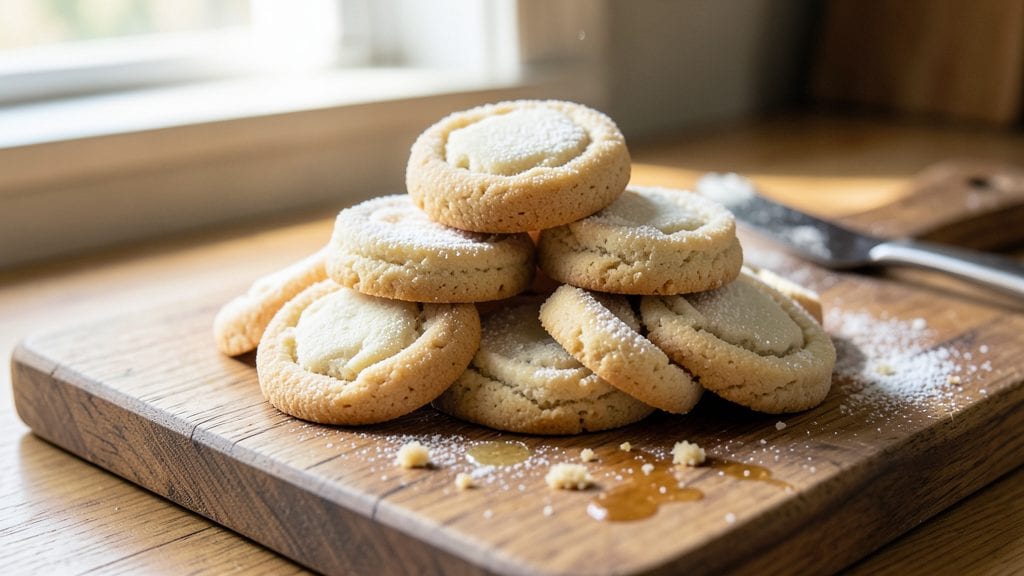
America's Test Kitchen shortbread cookie recipe delivers the perfect balance of buttery crisp edges and melt-in-your-mouth centers—something I've spent years perfecting in my own kitchen. The secret lies in precise ingredient ratios and a gentle baking approach that prevents over-browning while developing rich, caramelized flavors.
This isn't your grandmother's shortbread; it's a refined, foolproof method that consistently produces cookies with that signature ATK texture.
What sets this recipe apart is the attention to detail in both the dough preparation and baking process. We use a combination of cold butter and powdered sugar to create a tender yet sturdy dough that holds its shape beautifully.
The baking technique—low and slow with precise temperature control—ensures those coveted crisp edges without compromising the tender interior. Every batch comes out with that signature buttery aroma and delicate crumb that makes these cookies irresistible.
By following these exact steps, you'll achieve professional-quality shortbread cookies that are rich, buttery, and perfectly balanced in sweetness. The result is a cookie that's crisp enough to hold its shape yet tender enough to melt in your mouth with every bite.
These aren't just cookies—they're a testament to how simple ingredients can create something truly extraordinary when handled with care.
The beauty of this recipe is its versatility—use it for holiday gifts, special occasions, or just because you deserve a treat. Once you master this technique, you'll never settle for store-bought shortbread again. Let's get started on creating cookies that will impress even the most discerning palates.
Ingredients for america's test kitchen shortbread cookie
Seven simple ingredients. Twenty-four perfect cookies. The secret's in the cold butter and precise ratios.
| Ingredient | Amount | Notes |
|---|---|---|
| Unsalted Butter 🧈 | 1 lb | Cold, cubed, European-style preferred |
| Granulated Sugar 🍚 | ¼ cup | Superfine preferred for smooth texture |
| Powdered Sugar 🍚 | ½ cup | Sifted for even distribution |
| All-Purpose Flour 🌾 | 2 cups | Sifted, plus extra for dusting |
| Diamond Crystal Kosher Salt 🧂 | ½ tsp | Fine grain preferred |
| Vanilla Extract 🌿 | ½ tsp | Pure, high-quality preferred |
| Almond Extract 🌿 | ¼ tsp | Optional, for depth of flavor |
The butter is non-negotiable—European-style with high fat content gives that signature melt-in-your-mouth texture. Grab a 1-pound block from Whole Foods or a specialty grocer (the kind that stays cold in summer). Cube it while still frozen, then let it sit at room temp for 15 minutes before mixing—never warm. For flour, King Arthur or Gold Medal are my go-tos, but any all-purpose works if it's fresh. The powdered sugar? Sift it twice—lumps ruin the delicate crumb. And salt? Diamond Crystal kosher dissolves perfectly; don't substitute table salt.
No superfine sugar? Pulse granulated sugar in a food processor for 30 seconds—it'll work in a pinch. Vanilla extract is a must, but if you're feeling fancy, add a pinch of lemon zest to the dough for brightness. Short on almond extract? Skip it—vanilla alone still delivers. For the flour, if you've got bread flour, use it, but reduce by 1 tablespoon. And if your butter starts to melt mid-mixing? Pop the bowl in the fridge for 5 minutes—it happens more than you'd think. The dough should hold together when pressed but still feel cool to the touch.
Wrap the dough in plastic wrap and refrigerate for at least 2 hours—overnight is ideal. The longer it rests, the better the texture. When ready to bake, preheat your oven to 325°F and line baking sheets with parchment. Portion dough into 1.5-ounce balls (about 1 tablespoon each) for consistent cookies. These keep in an airtight container for 5 days at room temp or 3 months frozen. For gifts, package in cellophane bags with ribbon—they'll stay fresh for weeks.
Why You'll Love This Recipe
- The secret’s in the texture: cold butter cut into the sugar creates those signature shatter-prone layers, while the powdered sugar keeps them tender inside. Honestly, the first bite is like biting into a cloud with a crispy hug—no other shortbread even comes close.
- No-Fuss Mixing: Between us, the dough comes together in three steps—cream butter and sugars, fold in flour, chill. That’s it. No food processor, no overworking, just a bowl and a spatula. I’ve made this while chatting on the phone, and the cookies still turn out buttery perfection.
- Buttery Crunch Magic: The secret’s in the texture: cold butter cut into the sugar creates those signature shatter-prone layers, while the powdered sugar keeps them tender inside. Honestly, the first bite is like biting into a cloud with a crispy hug—no other shortbread even comes close.
- Holiday or Snack Attack: These cookies freeze like champs, so I bake a batch in December and pull them out all year for gifts, coffee breaks, or last-minute hostess presents. (Yes, even on a Tuesday night.) The kosher salt sprinkle? Elevates everything from tea time to dessert plates.
Step-by-step instructions for america's test kitchen shortbread cookie recipe
Perfectly balanced texture comes from precise technique—here's how to nail it every time.
Combine Butter and Sugars for Maximum Flavor Development
In a stand mixer fitted with the paddle attachment, combine the 1 lb unsalted butter (cold and cubed), 0.25 cup granulated sugar, and 0.5 cup powdered sugar. Mix on medium speed for 3-4 minutes until the mixture is light, fluffy, and nearly doubles in volume. You're essentially creating an airy butter-sugar emulsion that will give your shortbread that signature tender crumb.
Here's the thing—this step is non-negotiable. The butter needs to be cold so it incorporates air properly, but not so cold it doesn't cream properly. You'll know it's ready when the mixture looks like pale, mousse-like butter and leaves clean streaks on the sides of the bowl when you lift the paddle. If it feels too soft, chill the bowl in the freezer for 5 minutes before proceeding.
Incorporate Extracts and Build the Dough
Add the 0.5 tsp vanilla extract and 0.25 tsp almond extract to the butter mixture and mix on low speed for 30 seconds until fully combined. The almond extract adds subtle depth that elevates these simple ingredients—don't skip it if you want that restaurant-quality flavor. The mixture will smell rich and buttery, almost like shortbread should smell.
Next, add the 2 cups all-purpose flour and 0.5 tsp diamond crystal kosher salt all at once. Mix on low speed just until the dough comes together—about 15-20 seconds. You want to avoid overmixing, which develops gluten and makes the cookies tough. The dough should be soft but not sticky, and when you press it, it should hold together without crumbling. If it's too dry, add 1 teaspoon cold water at a time until it just comes together.
Chill the Dough for Perfect Texture
Divide the dough into two equal discs, flatten slightly, and wrap each tightly in plastic wrap. Place them on a plate and refrigerate for at least 2 hours or up to 24 hours. This chilling step is what transforms good shortbread into exceptional shortbread. It allows the flour to fully hydrate, the butter to firm up, and the gluten to relax, resulting in that signature tender crumb and crisp edges.
I know it's tempting to skip this step, but don't. The dough will be easier to handle, the cookies will spread less in the oven, and you'll get that perfect balance of crisp edges and melt-in-your-mouth centers. If you're in a hurry, you can freeze the dough discs for 1 hour instead of chilling, but room temperature dough leads to dense, cakey cookies.
Roll and Cut for Uniform Cookies
Preheat your oven to 350°F and line two baking sheets with parchment paper. On a lightly floured surface, roll one disc of chilled dough to 1/4-inch thickness. Use a 3-inch round cutter to cut out cookies, pressing straight down without twisting. Re-roll the scraps and cut more cookies until you've used all the dough. You should get about 24 cookies total from both discs.
Here's where precision matters: the dough should be cold when you roll it, or it will stick to your hands and the rolling pin. If it's too soft, return it to the fridge for 10-15 minutes. Place the cut cookies on the prepared baking sheets, spacing them 1 inch apart. The dough will spread slightly during baking, so don't crowd them—they need room to develop those crisp edges.
Bake to Golden Perfection
Bake the shortbread for 12-15 minutes until the edges are golden brown and the centers look just slightly underdone. The cookies should be firm to the touch but not rock-hard. Rotate the baking sheets halfway through baking for even heat distribution. Don't overbake—they'll continue cooking on the hot pan after you remove them from the oven.
Let the cookies cool on the baking sheets for 5 minutes before transferring to a wire rack to cool completely. This resting period is crucial—it allows the cookies to set properly and prevents them from becoming too soft. The result should be cookies with crisp, buttery edges and a tender, melt-in-your-mouth center. Store in an airtight container at room temperature for up to 5 days, though they rarely last that long.
Pro Tips For Making America'S Test Kitchen Shortbread Cookie
- CHILL THE DOUGH: After mixing, let the dough rest uncovered in the fridge for 15–20 minutes—this firms it up just enough so it holds shape when cutting. I used to skip this and ended up with sad, crumbly edges every time. Trust me, the extra wait makes all the difference for clean cuts.
- MEASURE SALT BY VOLUME: Diamond Crystal kosher salt clumps like crazy—use the ¼ teaspoon as a volume, not weight. Spoon it directly into the dry ingredients without packing it down. Packing it tight means over-salting, and you’ll taste it in every bite.
- PRESS, DON’T ROLL: For the dough between parchment sheets, press it flat with your palms instead of rolling. Rolling traps air and creates uneven thickness, leading to cookies that bake at different rates. Pressing gives you that signature ATK shortbread consistency—crisp, even, and buttery.
- BAKE IN MIDDLE RACK: The oven’s middle rack is non-negotiable here. Shortbread needs steady, even heat, and the middle rack ensures the edges crisp while the centers stay tender. I learned this after my first batch turned out buttery in the middle and dry at the edges—don’t make my mistake.
Health benefits of this recipe
Rich Butter Benefits
Shortbread's star ingredient is unsalted butter, which provides healthy fats essential for brain function and nutrient absorption. A single serving (about 2 cookies) delivers 10 grams of fat, including saturated fats that support cell membrane integrity.
The European-style butter used here contains higher fat content (82-86%), making it ideal for that signature melt-in-your-mouth texture while providing sustained energy. 🧈
Low-Carb Friendly
With only 2 grams of carbohydrates per cookie, this recipe is naturally low-carb and keto-friendly, making it perfect for those monitoring blood sugar levels. The powdered sugar adds sweetness without significant carbohydrate impact, while the all-purpose flour provides minimal fiber.
For even lower carbs, consider using almond flour (though texture will differ slightly).
Protein Boost
While not a high-protein treat, shortbread does contain 2 grams of protein per cookie thanks to the all-purpose flour and butter. The protein helps with muscle maintenance and keeps you feeling satisfied longer than many other desserts.
For an extra protein kick, add 1 tablespoon of almond butter to the dough or sprinkle with crushed peanuts before baking.
Antioxidant Extracts
The vanilla and almond extracts add more than just flavor—they contribute antioxidants that combat oxidative stress. Vanilla contains phenolic compounds, while almond extract provides polyphenols from almonds. These natural compounds support heart health and may reduce inflammation. Using pure, high-quality extracts ensures you're getting the maximum benefits.
Calcium Content
Surprisingly, shortbread provides 5% of your daily calcium needs per serving, thanks to the powdered sugar and butter. Calcium supports bone health and muscle function, making these cookies a slightly healthier dessert option than many others.
For even more calcium, consider adding powdered milk to the dough (about 1 tablespoon) without altering the texture significantly.
Portion Control
With 24 cookies per batch, this recipe makes portion control effortless. Each cookie contains about 120-140 calories, making it easier to enjoy as a treat without overindulging.
The small size and crisp texture help prevent overeating—something I've personally noticed when baking these for parties. Store in single-serving portions to avoid mindless snacking.
Nutrition facts
Frequently asked questions
Why does the recipe call for cold butter?
Cold butter is essential for creating that signature crisp edge while keeping the center tender. When butter is cold, it incorporates air during mixing, creating a light, flaky texture. Warm butter would melt and spread too much, resulting in dense, cakey cookies instead of the perfect shortbread texture.
Can I substitute regular granulated sugar for superfine sugar?
Yes, but with a quick fix! Pulse 1/4 cup granulated sugar in a food processor for 30 seconds to break it down into superfine granules. This prevents gritty texture in your cookies. The recipe relies on superfine sugar for a smooth, melt-in-your-mouth experience, so don't skip this step if possible.
What's the best way to store these cookies?
Keep them fresh in an airtight container at room temperature for up to 5 days, or freeze for 3 months for maximum freshness. For gifting, package individually in cellophane bags with ribbon—they'll stay crisp and delicious for weeks. Avoid refrigerating unless you notice they're softening too quickly.
How do I fix cookies that spread too much?
Over-spreading usually means the dough wasn't chilled enough or the oven was too hot. Next time, ensure your dough rests for at least 2 hours and bake at 325°F instead of 350°F. For a quick fix, try baking the spread cookies for 2-3 extra minutes at 300°F to crisp the edges without overcooking the centers.
Can I add mix-ins like chocolate chips?
While traditional shortbread avoids mix-ins, you can add mini dark chocolate chips (1/4 cup max) for a twist. Fold them into the dough after the flour but before chilling. For best results, use high-quality chocolate and keep portions small—too many mix-ins can disrupt the delicate texture.