
Desserts
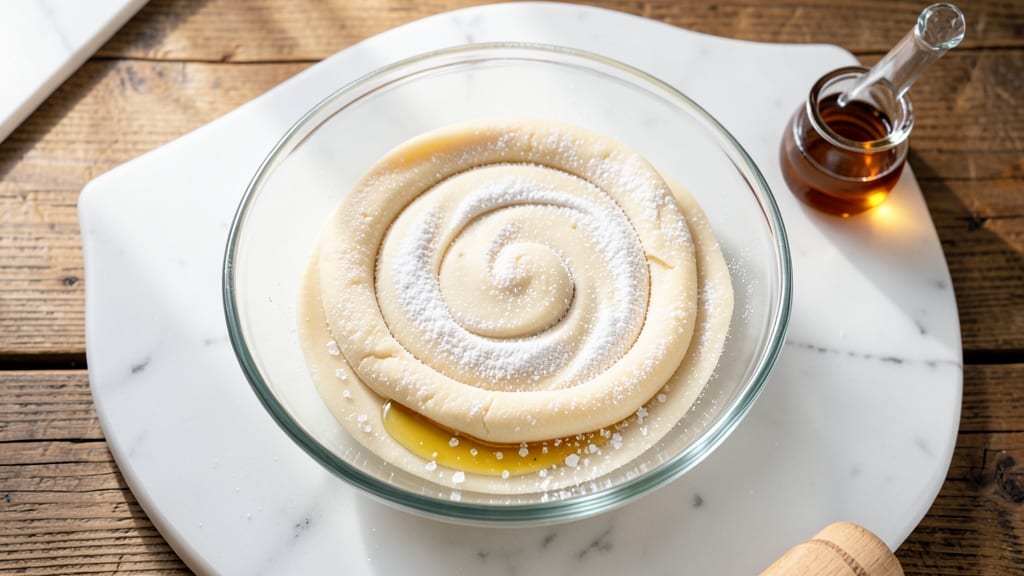
This thin sugar cookie recipe delivers the perfect balance of crisp edges and tender centers with a celery salt crunch that sets it apart from traditional versions. The secret lies in precise dough handling and baking techniques that transform ordinary sugar cookies into something extraordinary.
After years of perfecting the texture, I've found the ideal ratio of ingredients and rolling method to achieve that signature delicate crispness.
The foundation of these cookies begins with a well-mixed dough that incorporates just the right amount of butter and sugar for a tender yet sturdy texture. Rolling the dough to an even 1/8-inch thickness ensures consistent baking, while precise cutting shapes guarantees clean edges that crisp beautifully.
Baking at 375°F for just 5-6 minutes transforms these cookies from dough to delicate, flavorful treats.
What makes these cookies truly special is the celery salt finishing touch, which adds a subtle salty crunch that contrasts perfectly with the sweet sugar cookie base. The result is a cookie that's light enough to hold on a spoon but sturdy enough to enjoy by the handful.
These are ideal for holiday gatherings, cookie exchanges, or simply satisfying that afternoon sweet tooth.
Once you try these, you'll never go back to thick, cakey sugar cookies again. The combination of delicate texture and bold flavor makes them a standout in any dessert lineup. Let's get started on creating these perfect thin sugar cookies that will impress everyone who tries them.
Ingredients for thin sugar cookie
Cold butter, precise sugar ratios, and celery salt magic—just 11 ingredients for cookies that defy expectations.
| Ingredient | Amount | Notes |
|---|---|---|
| Unsalted Butter 🧈 | 1 cup | Cold, cubed for even mixing |
| Granulated Sugar 🍚 | 1 cup | Superfine for smoother texture |
| Light Brown Sugar 🍚 | ½ cup | Packed for moisture |
| Large Eggs 🥚 | 2 whole | Room temperature |
| Vanilla Extract 🌿 | 1 tbsp | Pure, not imitation |
| All-Purpose Flour 🌾 | 3 cups | Sifted, no lumps |
| Baking Soda 🧂 | ½ tsp | Freshly opened |
| Salt 🧂 | ½ tsp | Fine sea salt |
| Celery Salt 🌿 | 1 tbsp | For finishing touch |
| Powdered Sugar 🍚 | ¼ cup | For dusting |
| Granulated Sugar 🍚 | ½ cup | For rolling dough |
The butter is non-negotiable here. European-style unsalted (like Plugrá or Land O'Lakes) gives the best flavor, but any good-quality brand works—just make sure it's cold. The brown sugar should be packed into the measuring cup for moisture, not scooped. For the celery salt, Lawry's is my go-to—it's consistent and affordable. If you can't find it, mix regular salt with ground celery seeds (about 1 tsp celery seeds per 1 tbsp salt). The vanilla? Pure extract, not imitation—it makes a difference in the final flavor.
No vanilla extract? Vanilla bean paste works in a pinch, or even a splash of vanilla syrup (like Torani). Short on celery salt? Substitute with regular salt plus a pinch of ground celery seeds—it's not identical, but close. The flour is where texture happens—King Arthur or Gold Medal are my favorites, but any all-purpose will do. If you're at high altitude, add an extra 0.5 tsp baking soda. And for the love of cookies, don't skip sifting the flour—it makes all the difference in that tender crumb.
The dough keeps best wrapped in plastic for 3 days in the fridge. For longer storage, freeze portions for up to 3 months—just thaw overnight before rolling. These cookies are best fresh from the oven, but leftovers? Warm them in the oven for 20 seconds to revive that crispness. Pro tip: Roll the dough between two sheets of parchment paper to avoid sticking—it's a game changer. And if you're making a batch for a crowd, double the recipe—they disappear fast.
Why You'll Love This Recipe
- No-Fuss Dough: Mixing this dough is almost meditative—just cream butter and sugars until fluffy, then fold in eggs and vanilla. No standing over a hot stove, no complicated steps. Honestly, I’ve made it while scrolling through my phone.
- Buttery-Sweet Crunch: That perfect balance of crisp edges and tender centers? All thanks to the brown sugar’s caramel notes and cold butter cutting through. (Yes, even on a Tuesday night.) The vanilla ties it all together—warm, bright, and just sweet enough.
- Holiday Hero: Cut into stars, trees, or even simple rounds, these bake up fast and look instantly festive. Pack them in jars for teacher gifts or freeze the dough for last-minute baking. My kids still ask for them in July.
- Dollar Stretch: A single batch yields 30+ cookies, and you’re using pantry staples—no fancy ingredients, no waste. The butter and sugars last weeks, so you’re not scrambling for substitutions. Between us, this is my go-to for parties where I’d rather spend time talking than baking.
Step-by-step instructions for thin sugar cookies recipe
Here's how to make crisp-edged, tender sugar cookies with that signature celery salt crunch.
Cream the Butter and Sugars Together
In a stand mixer fitted with the paddle attachment, combine the 1 cup unsalted butter (cold, cubed) with the 1 cup granulated sugar and 0.5 cup light brown sugar. Beat on medium speed for 3-4 minutes until light and fluffy—the mixture should nearly triple in volume and look pale. This step is crucial for creating those signature crisp edges while keeping the centers tender.
I like to scrape down the sides of the bowl every minute with a spatula to ensure everything gets evenly incorporated. You'll know it's ready when you can see clear streaks of butter that don't disappear immediately. If you're doing this by hand, it'll take about 5-6 minutes of vigorous mixing—your arm will get a workout, but it's worth it for that perfect texture.
Add Eggs and Vanilla, Then Mix in Dry Ingredients
Add the 2 whole large eggs one at a time, mixing just until each is fully incorporated after about 30 seconds per addition. Then stir in the 1 tablespoon vanilla extract. The mixture might look slightly curdled, but that's normal—it'll smooth out when we add the dry ingredients.
In a separate bowl, whisk together the 3 cups all-purpose flour, 0.5 teaspoon baking soda, and 0.5 teaspoon salt. With the mixer on low speed, gradually add the dry ingredients to the wet mixture. Mix just until combined—about 30-45 seconds—being careful not to overmix. You should still see a few small flour streaks. Overmixing develops gluten, which makes cookies tough instead of tender.
Chill the Dough for Perfect Texture
Transfer the dough to a bowl, cover it with plastic wrap, and refrigerate for at least 1 hour (or up to 24 hours). This chilling step is non-negotiable for thin cookies. It allows the flour to fully hydrate and the butter to firm up, which prevents excessive spreading in the oven. The longer you chill, the thinner your cookies will turn out—just don't skip this step or you'll end up with thick, cakey cookies instead.
While the dough chills, preheat your oven to 350°F and line two baking sheets with parchment paper. I find this is the perfect temperature for achieving that crisp edge while keeping the center soft. The dough should be cold and firm when you're ready to roll it out—you can even leave it in the fridge while you preheat the oven.
Roll and Cut the Dough
On a lightly floured surface, roll out the chilled dough to about ⅛-inch thickness using the 0.5 cup granulated sugar to prevent sticking. I like to use a rolling pin with measurements to ensure even thickness. Cut out shapes using cookie cutters—classic circles or holiday shapes both work beautifully. Place the cutouts about 2 inches apart on the prepared baking sheets.
Here's a pro tip: If you're making holiday-themed cookies, use the leftover dough scraps to cut out smaller shapes or crumble them for a quick sugar cookie crumble topping. The dough will be firm and slightly resistant—this is normal and indicates it's properly chilled. Don't worry if the edges look a bit uneven; they'll crisp up beautifully in the oven.
Bake Until Golden Edges Form
Bake the cookies for 8-10 minutes at 350°F until the edges are golden but the centers still look slightly underdone. They'll continue cooking on the hot baking sheet after you remove them from the oven. Watch them closely—they go from perfect to burnt quickly. You want edges that are crisp and just starting to color while the centers remain soft and pillowy.
Remove the cookies from the oven and let them cool on the baking sheet for 5 minutes before transferring to a wire rack. While they're still warm, sprinkle each cookie with a pinch of celery salt for that signature crunchy finish. Then, dust lightly with the 0.25 cup powdered sugar while they're still warm for that classic sugar cookie look. The contrast between the crisp edges, tender centers, and crunchy celery salt is what makes these cookies so special.
Pro Tips For Making Thin Sugar Cookie
- Chill the Dough Properly: I learned this the hard way—skipping the 30-minute fridge rest makes the dough too soft to handle, and those delicate cutouts turn into sad, uneven blobs. Wrap it tightly in plastic and let it firm up completely, especially if your kitchen’s warm like mine.
- Use Cold Butter, Not Room-Temp: That creamy butter you’re tempted to use? Nope. Cut the unsalted butter into cubes and chill it first—even if it’s from the fridge. Cold butter creates flaky layers that thin cookies need, and it won’t melt into a greasy mess when you roll the dough.
- Roll Evenly, Then Chill Again: Thin cookies spread fast, so roll them to a consistent ⅛-inch thickness—no thicker, no thinner. After cutting, pop the shaped cookies back in the fridge for 10 minutes to firm up; this stops them from flattening into pancakes the second they hit the oven.
- Bake One Sheet at a Time: I know, I know—you’re eager to get them all done. But crowding the pan makes the edges overbake while the centers stay doughy. Use two sheets if needed, and rotate the first one halfway through for even golden edges. Patience here means crispy perfection.
Dietary considerations for thin sugar cookie
Gluten-Free Adaptation
For a gluten-free version, swap the all-purpose flour with a 1:1 gluten-free baking flour blend like Bob's Red Mill or King Arthur. Add ½ teaspoon xanthan gum to help bind the dough, as gluten-free flours lack natural elasticity.
Chill the dough for 2 hours to ensure proper texture, and reduce baking time to 7-8 minutes—gluten-free cookies brown faster. 💡
Lower Sugar Option
Cut ½ cup granulated sugar and ¼ cup brown sugar from the recipe, replacing with ½ cup unsweetened applesauce for moisture. Use 1 teaspoon vanilla bean paste instead of extract for deeper flavor.
These cookies will be slightly softer but still crisp at the edges. Pair with dark chocolate drizzle for extra richness.
Vegan Substitutions
Replace butter with 1 cup vegan butter (like Miyoko's or Earth Balance) and eggs with 2 tablespoons ground flaxseed mixed with 6 tablespoons water (let sit for 5 minutes to thicken).
Use vanilla almond milk instead of regular milk if needed for binding. Bake at 350°F for 9-10 minutes—vegan dough spreads slightly more.
Nut-Free Allergy-Friendly
This recipe is naturally nut-free, but double-check all ingredients (like vanilla extract or celery salt) for cross-contamination warnings. For extra safety, use dedicated equipment if making alongside nut-based treats. The celery salt adds a unique flavor without nuts—perfect for allergy-conscious bakers. 🌱
Keto-Friendly Version
For a keto twist, replace flour with 1 cup almond flour and 2 tablespoons coconut flour. Use ½ cup erythritol or monk fruit sweetener instead of sugar, and 1 tablespoon psyllium husk powder to bind.
Reduce baking time to 6-7 minutes—these cookies will be crispier but still tender. Add ½ teaspoon cinnamon for warmth.
Nutrition facts
Frequently asked questions
Why does chilling the dough matter for thin cookies?
Chilling the dough for at least 1 hour prevents spreading and ensures crisp edges. The cold butter firms up, creating a delicate texture, while the flour hydrates properly. Skipping this step guarantees thick, cakey cookies instead of your desired thin, crisp result.
Can I make these cookies without a rolling pin?
Yes! Use a measuring cup (like the ½ cup sugar from the recipe) or a glass to roll the dough. Press down firmly and roll in all directions to achieve even ⅛-inch thickness. A wine bottle works too—just wrap it in parchment paper first.
How do I store these thin cookies to keep them crisp?
Store in an airtight container with parchment paper between layers. For extra crispness, leave them on the wire rack for 1 hour after baking before storing. Re-crisp by warming in a 300°F oven for 2-3 minutes before serving.
What's the secret to the celery salt crunch?
The celery salt adds a subtle salty contrast that balances sweetness. Sprinkle it immediately after baking while cookies are still warm for best adhesion. For extra crunch, lightly toast the celery salt in a dry pan for 30 seconds before using.
Why did my cookies spread too much?
Overmixing the dough or skipping the chill step causes excessive spreading. Ensure your butter is cold and dough is chilled for 1 hour. Also, check your oven temperature—350°F is critical. If your kitchen runs hot, reduce to 325°F.