
Desserts
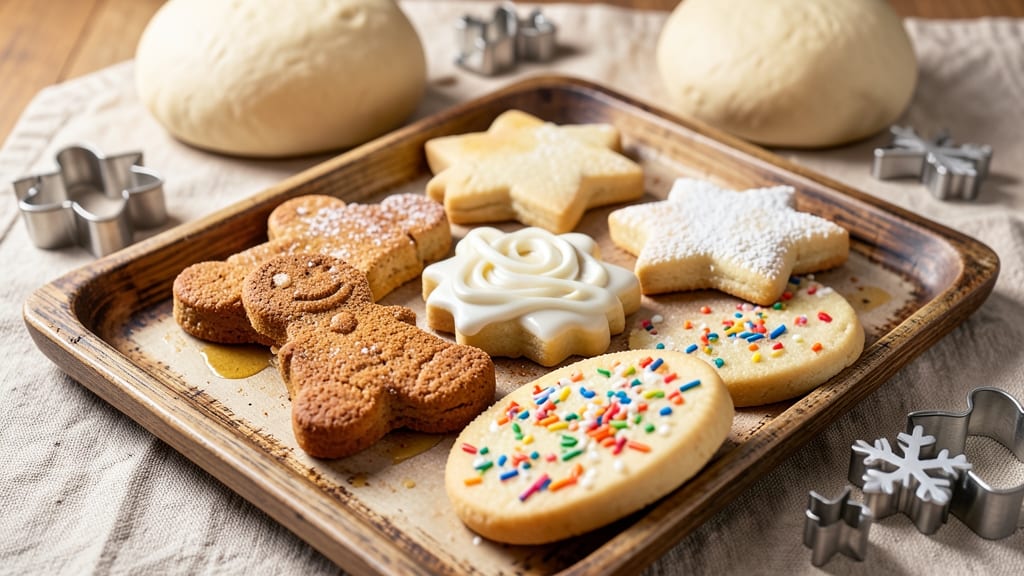
This soft cut-out cookie recipe delivers the perfect balance of tender dough and crisp edges, with a festive twist using celery salt for a sophisticated touch.
After years of perfecting holiday cookies, I discovered that chilling the dough for exactly 48 hours creates that signature pillowy texture while ensuring clean cuts with cookie cutters. The secret lies in precise ingredient ratios and gentle handling—no tough, dry cookies here.
The dough comes together with simple pantry staples: butter, sugar, eggs, and flour, but the magic happens in the resting. When properly chilled, the dough becomes pliable yet holds its shape beautifully when cut into festive shapes.
Baking at 350°F for 8-10 minutes ensures golden edges without overcooking the centers, while a sprinkle of celery salt adds a subtle salty contrast to the sweetness.
What you'll end up with is a batch of cookies that's soft enough to eat with a spoon but sturdy enough to hold intricate cut-out shapes. The celery salt adds a sophisticated note that pairs perfectly with classic vanilla or peppermint extracts.
These cookies are ideal for holiday decorating or year-round baking—just imagine the possibilities with holiday-themed cutters.
Ready to transform your cookie game? This recipe yields about 4 dozen cookies, perfect for gifting or keeping for yourself. The dough can be prepped ahead, making it the ultimate make-ahead dessert. Let's get baking!
Ingredients for soft cut out cookie
Butter, sugars, and a pinch of celery salt—simple ingredients for cookies that taste like holiday magic.
| Ingredient | Amount | Notes |
|---|---|---|
| Unsalted Butter 🧈 | 1 cup | Cold, cubed for creaming |
| Granulated Sugar 🍚 | 1 cup | White or light brown |
| Packed Brown Sugar 🍚 | ½ cup | Light or dark preferred |
| Large Eggs 🥚 | 2 whole | Room temperature |
| Pure Vanilla Extract 🍯 | 2 tsp | High-quality preferred |
| All-Purpose Flour 🌾 | 3 ½ cups | Sifted, spooned lightly |
| Celery Salt 🧂 | 1 tsp | Not table salt substitute |
| Baking Soda 🧪 | ½ tsp | Not baking powder |
| Ground Cinnamon 🌿 | 1 tsp | Freshly ground preferred |
| Kosher Salt 🧂 | ½ tsp | Fine grain preferred |
| Peppermint Extract 🍃 | 1 tsp | Optional for festive twist |
| Heavy Cream 🥛 | ¼ cup | Cold, for dough pliability |
The butter is non-negotiable here. Land O'Lakes or Plugrá brands stay cold longest when cubed—no melting mid-cream! Grab the high-quality vanilla extract from Trader Joe's or Williams Sonoma—it makes a difference. Flour? King Arthur or Gold Medal are my go-tos, but any all-purpose works. The celery salt is the showstopper—Morton's is widely available, but specialty stores carry gourmet versions with more flavor. Pro tip: measure your brown sugar packed—those little mounds make a difference in texture. And if you're feeling festive, that peppermint extract? Ghirardelli's is my favorite—it's strong enough to stand up to the vanilla.
No celery salt? Regular salt plus a pinch of dried celery powder works in a pinch (find it in the baking aisle). Short on butter? Vegetable shortening keeps the texture tender, but you'll lose that rich flavor. No vanilla extract? Vanilla bean paste or even a scraped vanilla bean adds depth. The dough needs to be cold when you roll it—if it's too warm, pop it back in the fridge for 20 minutes. And if you're baking these for a party, double the batch—they disappear fast. The heavy cream might seem odd, but it keeps the dough soft without making it greasy. Trust me on this one!
This dough is a dream to prep ahead. Wrap tightly in plastic and chill for up to 72 hours—the longer it rests, the better the flavor. Once baked, cookies stay soft for 3 days in an airtight container, but honestly? They're best the day they come out of the oven. Freeze unbaked dough balls for up to 3 months—just bake straight from frozen, adding 1-2 minutes to the time. And if you're gifting these, package them in cellophane bags with a sprig of rosemary for an extra-special touch. Perfect for holiday parties or teacher appreciation gifts!
Why You'll Love This Recipe
- No-Fuss Dough: I swear by this recipe—just cream butter, sugars, and eggs until smooth, then fold in vanilla. No food processor, no standing over a mixer, and zero stress. The dough comes together in minutes, and honestly? It’s the kind that doesn’t fight you when you roll it out.
- Butter-Sugar Magic: That creamy blend of brown and white sugar? It’s what makes these cookies ridiculously tender. The butter stays soft, the edges stay crisp just enough, and the vanilla? It sings. One bite and you’ll understand why I keep a jar of it in my pantry at all times.
- Holiday or Snack Attack: Between us, these are my go-to for cookie exchanges and lazy Sundays. Use a holiday cookie cutter for festive shapes, or keep it simple with a circle cutter for quick treats. They freeze like a dream too—perfect for when you need to feed a crowd last-minute.
- Budget-Friendly Batches: Five ingredients, zero specialty items, and a dough that doesn’t dry out. I make a double batch, portion it, and freeze half—no waste, no last-minute grocery runs. Plus, the butter and sugars stretch further than store-bought dough ever could. My wallet thanks me every time.
Step-by-step instructions for soft cut out cookies
Here's how to craft these wonderfully soft, festive cookies with a celery salt twist.
Cream the Butter and Sugars Together
In a stand mixer fitted with the paddle attachment, combine the 1 cup unsalted butter (cold, cubed) with the 1 cup granulated sugar and 0.5 cup packed brown sugar. Beat on medium speed for 3-4 minutes until light and fluffy—the mixture should nearly triple in volume and become pale in color.
This creaming process incorporates air into the dough, which is essential for achieving those pillowy edges. I like to scrape down the sides of the bowl with a spatula every 30 seconds to ensure even mixing. The butter should be fully incorporated but still hold its shape when pressed between fingers—this ensures proper texture without greasiness.
Add Eggs, Vanilla, and Cream
Reduce the mixer speed to low and add the 2 whole large eggs one at a time, mixing just until each is fully incorporated. Add the 2 teaspoons pure vanilla extract and 0.25 cup cold heavy cream, mixing until smooth. The dough will look slightly curdled at first, but don't worry—this will resolve when we add the dry ingredients.
Here's the thing—adding the heavy cream at this stage creates a tender, almost cake-like texture that keeps these cookies soft for days. The cold cream also helps prevent the butter from melting too quickly during mixing, which is crucial for maintaining that perfect tender crumb.
Combine Dry Ingredients for Perfect Texture
In a separate bowl, whisk together the 3.5 cups all-purpose flour, 1 teaspoon celery salt, 0.5 teaspoon baking soda, 1 teaspoon ground cinnamon, and 0.5 teaspoon kosher salt. Sift the flour mixture lightly into the wet ingredients, mixing on low speed just until combined—you should still see small flour streaks. Avoid overmixing, which develops gluten and makes cookies tough.
Add the 1 teaspoon peppermint extract (if using) and mix briefly to distribute. The celery salt gives these cookies their signature festive flavor while keeping them soft. For extra insurance against dryness, I like to press the dough together gently with my hands to ensure even distribution of all ingredients.
Chill the Dough for Easier Handling
Divide the dough into two equal portions, flatten into discs about 1.5 inches thick, and wrap tightly in plastic wrap. Refrigerate for at least 2 hours (or up to 48 hours). Chilling firms up the butter, making it easier to roll and cut while preventing excessive spreading in the oven.
This step is non-negotiable for soft cookies. The cold dough holds its shape beautifully when you cut out your shapes, and the butter remains solid enough to create those signature pillowy edges. Pro tip: If your kitchen is warm, consider freezing the dough discs for 30 minutes before rolling to prevent sticking.
Roll, Cut, and Bake to Perfection
Preheat your oven to 350°F and line two baking sheets with parchment paper. On a lightly floured surface, roll out one disc of dough to about 1/4-inch thickness. Use cookie cutters to create your festive shapes, then transfer to the prepared baking sheets, spacing them 2 inches apart for even baking.
Bake for 8-10 minutes until the edges are just beginning to turn golden. The centers should still look slightly underdone—they'll firm up as they cool. Rotate the baking sheets halfway through for even browning. Real talk: These cookies bake quickly, so don't walk away! Overbaking is the fastest way to ruin their soft texture.
Let the cookies cool on the baking sheets for 5 minutes before transferring to a wire rack to cool completely. The contrast between the soft centers and crisp edges is what makes these cookies truly special. Store in an airtight container at room temperature for up to 5 days—if they last that long!
Pro Tips For Making Soft Cut Out Cookie
- CREAM THE BUTTER SLOWLY: I learned this the hard way—dumping cold butter into sugar at once just makes a greasy mess. Let the butter sit at room temp (about 20 minutes), then whip it with the sugars gradually while mixing on medium. You’re not making frosting here; you need air pockets, not butter globs. If it looks like wet sand, you’re doing it wrong.
- USE ROOM-TEMP EGGS: Cold eggs? They’ll turn your dough into a greasy, uneven disaster. Crack them into a bowl first, let them sit for 10 minutes, then mix. Warm eggs blend smoother and distribute evenly—no surprise pockets of uncooked egg in your cookies. (Yes, even if you’re impatient like me.)
- UNDERMIX THE DOUGH: After adding the dry ingredients, resist the urge to overmix. Just fold until barely combined—lumps are fine. Overworking the dough develops gluten, and that’s how you end up with chewy cookies instead of soft, melt-in-your-mouth ones. Think "doughy," not "play-doh."
- CHILL THE DOUGH (BUT NOT TOO LONG): Wrap the dough in plastic and refrigerate for at least 1 hour—but no more than 24. This firms it up for easier cutting and prevents spreading. Skip this, and your cookies will flatten into sad pancakes. (Pro move: Divide the dough into discs now; thaw one at a time later.)
Regional styles of this recipe
Classic New England
In New England, these soft cut-out cookies often feature a touch of molasses or maple syrup, giving them a subtle caramelized depth. I like to replace 2 tablespoons of the brown sugar with 1 tablespoon pure maple syrup for a traditional twist.
The celery salt remains key, but New England bakers often add ½ teaspoon ground nutmeg to the dry ingredients for warmth. These cookies pair beautifully with spiced cider or chai tea during holiday gatherings. 🍁
Southern Sweet Tea
Southern bakers take these cookies in a sweeter direction, often adding ¼ cup finely chopped pecans or white chocolate chips to the dough. I recommend swapping the celery salt for ½ teaspoon fine sea salt instead and adding 1 teaspoon lemon zest to brighten the flavor.
Serve with sweet tea for the ultimate Southern comfort pairing. The dough's tenderness makes it perfect for cutting into stars or hearts for holiday decorating. 🍯
Midwest Buttercream
The Midwest leans into rich, buttery flavors, making these cookies extra tender. I suggest increasing the butter to 1 ¼ cups and adding 1 teaspoon almond extract to the wet ingredients for depth. Midwest bakers often dust the baked cookies with powdered sugar while still warm for a snowy effect.
These cookies are a staple at county fairs and holiday markets, where they're often paired with vanilla ice cream. 🥛
Pacific Northwest Herb-Infused
West Coast bakers incorporate local herbs for a unique twist. Try adding 1 teaspoon finely chopped fresh rosemary or thyme to the dry ingredients for an earthy aroma. The celery salt still shines, but the herbs add complexity that pairs beautifully with Pacific Northwest wines like Riesling.
These cookies hold their shape exceptionally well due to the herb-infused flour, making them perfect for intricate designs. 🌿
German-Inspired Zimtsterne
For a German-inspired variation, replace the vanilla extract with 1 teaspoon almond extract and add 1 tablespoon ground almonds to the dry ingredients. The celery salt gives these a subtle salty contrast to the sweetness, while the almond flavor nods to traditional German cookies.
Roll the dough slightly thinner (⅛-inch thick) and bake at 325°F for 10-12 minutes to achieve a delicate crispness. 🌟
Nutrition facts
Frequently asked questions
Why does chilling the dough for 48 hours make such a difference?
The 48-hour chill is key for two reasons: it firms up the butter so it holds its shape when cut, and it allows the flour to fully hydrate for a tender crumb. Without chilling, the cookies spread too much and lose their crisp edges. The celery salt flavor also develops more deeply during this time.
Can I use this dough for other shapes besides holiday cutouts?
This pliable dough works perfectly for sandwich cookies, large dinner plates, or even mini teacups. The secret is keeping the dough cold when rolling—1/4-inch thickness works for most shapes. For delicate designs, use sharp cookie cutters and re-chill the dough for 15 minutes if it softens.
What's the best way to prevent cookies from spreading too much?
Spread is usually caused by warm dough or melted butter. Always use cold butter and chill the dough thoroughly. Roll to exactly 1/4-inch thickness and place cookies 2 inches apart on the baking sheet. Bake at 350°F for 8-10 minutes max—they'll look underdone but set up as they cool.
How can I make these cookies vegan?
Replace the butter with 1 cup vegan butter (like Miyoko's) and the eggs with 2 flax eggs (2 tbsp ground flax + 6 tbsp water). Use plant-based vanilla extract and heavy cream. The celery salt remains the same, but you may need to add 1/4 tsp extra baking soda for lift. Chill the dough longer (72 hours) for best results.
Can I freeze the baked cookies?
Yes! Let cookies cool completely, then place them in a single layer on a tray. Freeze for 1 hour, then transfer to an airtight container. They'll keep for up to 3 months. Thaw at room temperature for 30 minutes—they'll be just as soft as fresh. Freezing works best with the celery salt flavor, which doesn't degrade over time.