
Desserts
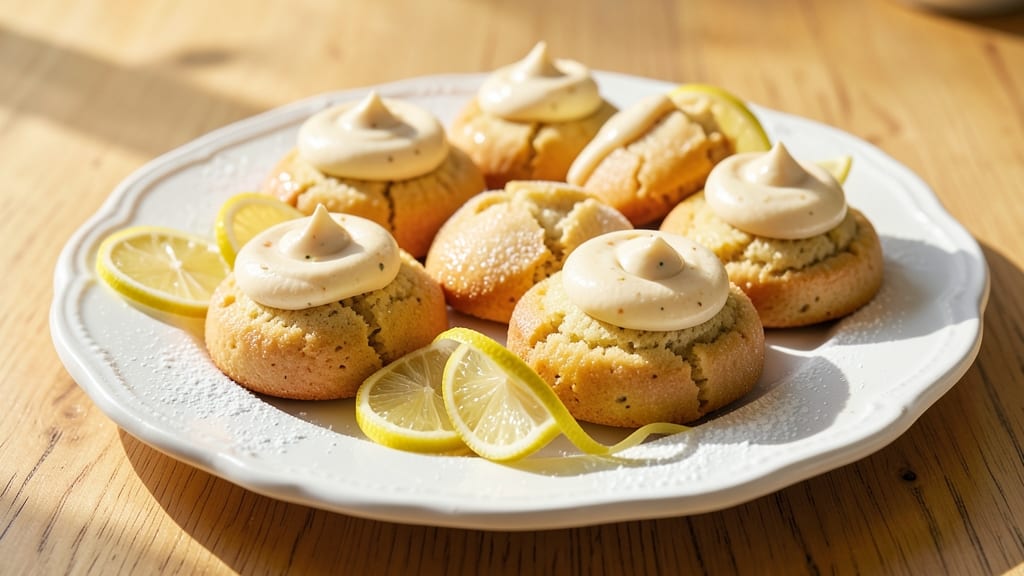
Ina Garten's lemon cookies recipe delivers the perfect balance of bright citrus and buttery crispness that makes them irresistible. These cookies capture the signature style of Barefoot Contessa—simple ingredients elevated to restaurant-quality results.
The secret lies in precise technique: chilled dough for crisp edges and a touch of cornstarch for that signature texture.
What sets these apart is the zesty lemon flavor that shines through without overpowering the delicate cookie base. I've perfected this recipe over years of baking, ensuring each batch delivers that signature crispness while maintaining a tender center.
The dough comes together in minutes, then rests to develop optimal texture before baking.
By the time they emerge from the oven, you'll have golden, crisp-edged cookies with a bright lemon glaze that adds just the right tangy finish. The aroma alone will have everyone asking for seconds, and the taste delivers that perfect balance of sweet and tart.
This is comfort baking at its finest—simple yet sophisticated.
Whether you're baking for a holiday gathering or treating yourself to a midweek pick-me-up, these cookies never disappoint. The recipe includes optional variations for gluten-free adaptations while maintaining the classic texture. Let's get baking!
Ingredients for ina garten lemon cookies
Buttery dough, zesty lemon, and crisp edges—these 13 ingredients create Ina Garten's signature cookies.
| Ingredient | Amount | Notes |
|---|---|---|
| Unsalted Butter 🧈 | 1 cup | Cold, cubed for dough texture |
| Granulated Sugar 🍚 | 1 cup | White sugar preferred |
| Light Brown Sugar 🍚 | ½ cup | Packed firmly |
| Large Eggs 🥚 | 2 whole | Room temperature |
| All-Purpose Flour 🌾 | 2 ½ cups | Sifted for light texture |
| Cornstarch 🌾 | ¼ cup | For crisp edges |
| Baking Powder 🍃 | 1 tsp | Aluminum-free preferred |
| Fine Sea Salt 🧂 | ½ tsp | Kosher or table salt |
| Fresh Lemon Zest 🍋 | 1 tbsp | From 2 medium lemons |
| Lemon Juice 🍋 | ½ cup | Freshly squeezed |
| Vanilla Extract 🌿 | 1 tsp | Pure vanilla preferred |
| Powdered Sugar 🍚 | ½ cup | For glaze |
| Heavy Whipping Cream 🥛 | ¼ cup | Cold for glaze |
The butter and sugars are non-negotiable for texture. European-style butter (like Plugrá or Land O'Lakes European) gives better flavor, but any unsalted butter works. For the lemon, organic Meyer lemons from Whole Foods or a local market add complexity, but regular lemons work fine. The cornstarch is key—it creates those signature crisp edges. If you can't find it, arrowroot powder works in a pinch, but texture may vary slightly. Measure your flour precisely: spoon-and-level method for accurate results.
No fresh lemon zest? Lemon extract at half the amount works, but the flavor won't be as vibrant. Substitute brown sugar with white sugar if needed, though the cookies will be slightly less tender. For a gluten-free version, replace flour with a 1:1 gluten-free baking flour blend (like Bob's Red Mill) plus an extra 0.25 cup cornstarch. The baking powder should be fresh—if it's over 6 months old, test it in a small batch to ensure it's still active. For extra richness, add 0.5 tsp of lemon extract to the dough.
Chill the dough for at least 2 hours (or overnight) for optimal texture. Store baked cookies in an airtight container with a slice of bread to maintain freshness for up to 5 days. For longer storage, freeze portions on a tray, then transfer to a bag for up to 3 months. The glaze sets quickly—use it within 30 minutes of baking for best results. These cookies reheat beautifully: 5 seconds in the microwave restores crispness.
Why You'll Love This Recipe
- No Mixer Needed: I swear by this recipe because it’s one of those rare cookie doughs that begs to be mixed by hand—no stand mixer, no fuss. The butter and sugars get creamed together so fast, and the dough comes together smoother than I expected. Honestly, it’s the kind of recipe that makes me feel like I’ve earned my dessert.
- Zesty Brightness: That perfect balance of granulated and brown sugar? It’s what makes these cookies dangerously addictive. The lemon zest cuts through the richness just enough to keep them from being too heavy, and the eggs bind everything together for that signature tender crunch. I’ll be real: I’ve made these for guests who don’t even like citrus—they still ask for seconds.
- Holiday or Snack: Between us, these cookies are my go-to for anything. Need a last-minute gift? Toss them in a jar with a ribbon. Craving something sweet after dinner? Bake a batch and freeze half. I’ve even used them as a base for cheesecake toppings—because why not? They’re that versatile.
- Pantry Staples Only: No weird ingredients, no last-minute grocery runs. Butter, sugar, eggs, flour—that’s it. The recipe yields about 3 dozen, and they keep for weeks in an airtight container. I’ve taken them to potlucks, packed them in lunches, and even sent them in care packages. Solid, reliable, and always a crowd-pleaser.
Step-by-step instructions for Ina Garten's lemon cookies
Master these precise techniques for cookies with perfectly crisp edges and bright citrus flavor.
Cream Butter and Sugars to Lighten the Dough
In a stand mixer fitted with the paddle attachment, beat the 1 cup unsalted butter (cold and cubed) with the 1 cup granulated sugar and 0.5 cup light brown sugar on medium speed for 3-4 minutes. The mixture should become pale and fluffy, nearly doubling in volume. This step incorporates air, which creates the light texture and crisp edges these cookies are known for.
Stop occasionally to scrape down the sides of the bowl with a rubber spatula. You'll notice the butter pieces begin to disappear as they emulsify with the sugars. Here's the thing—don't rush this step. The butter needs time to fully incorporate with the sugars to develop that signature tender crumb. If the mixture looks grainy, continue mixing for another 30 seconds.
Add Eggs and Lemon Flavors for Zing
Add the 2 whole large eggs one at a time, mixing on low speed after each addition until fully incorporated. Then add the 1 tbsp fresh lemon zest and 1 tsp vanilla extract, mixing just until combined. The lemon zest will infuse the dough with vibrant color and bright citrus notes that shine through in every bite.
Next, whisk together the 2.5 cups all-purpose flour, 0.25 cup cornstarch, 1 tsp baking powder, and 0.5 tsp fine sea salt in a separate bowl. With the mixer on low speed, gradually add the dry ingredients to the wet mixture. Mix just until combined—you should still see small flour streaks. Overmixing develops gluten, which can make the cookies tough instead of tender. Stop mixing as soon as the dough comes together.
Incorporate Lemon Juice and Chill the Dough
Add the 0.5 cup lemon juice to the dough and mix on low speed until fully incorporated. The lemon juice adds moisture and intensifies the citrus flavor without making the cookies too wet. Once combined, transfer the dough to a bowl, cover with plastic wrap, and refrigerate for at least 1 hour. This chilling step is crucial—it firms up the butter, prevents excessive spreading, and allows the flavors to meld.
While the dough chills, preheat your oven to 350°F. Line two baking sheets with parchment paper. The dough should be firm enough to handle when you're ready to shape the cookies. If it's too soft, chill for another 30 minutes. Real talk: Skipping this step leads to flat, cakey cookies instead of the crisp-edged beauties we're after.
Shape and Bake for Crisp Edges
Using a cookie scoop or tablespoon, portion the chilled dough into 1.5-tablespoon balls (about 12 cookies total). Place them 2 inches apart on the prepared baking sheets. The spacing ensures even baking and prevents the cookies from spreading into each other.
Bake for 10-12 minutes until the edges are golden brown and the centers look slightly underbaked. They'll continue cooking on the hot baking sheet after removal. The cookies should pull away cleanly from the parchment paper when gently lifted with a spatula. If you're unsure, check at the 10-minute mark—underbaking is better than overbaking for crisp edges.
Glaze and Finish for Professional Results
While the cookies are still warm, whisk together the 0.5 cup powdered sugar and 0.25 cup heavy whipping cream in a small bowl until smooth. The glaze should be thick but pourable. Dip the tops of the cookies into the glaze, allowing any excess to drip off. Work quickly—this glaze sets fast.
Let the cookies cool on the baking sheets for 5 minutes before transferring to a wire rack. The glaze will firm up slightly as they cool, giving them that professional bakery finish. Serve warm for the best texture—crisp edges with a tender center and that bright lemon flavor shining through.
Pro Tips For Making Ina Garten Lemon Cookies
- CREAM THE BUTTER SUGAR WELL: I learned this the hard way—skipping the 3-5 minutes of vigorous mixing with the paddle attachment leaves your dough dry and crumbly. The butter needs to turn into a smooth, pale paste, not just lumpy. (Yes, even if you're impatient like me.)
- USE COLD EGGS: Crack those eggs straight from the fridge into a separate bowl first, then let them warm to room temp while you mix the dough. Cold eggs incorporate better and prevent the butter from melting too fast, which keeps your cookies from spreading into sad, flat pancakes.
- MEASURE FLOUR RIGHT: Spoon that flour into your measuring cup, then level it off with a knife—don’t scoop directly from the bag. Packing it down (even a little) makes your cookies dense and tough. This recipe is delicate; don’t overwork it.
- BAKE TWO SHEETS AT ONCE: Your oven’s hot spots are real, and these cookies need even baking. Slide one tray on the top rack and one on the middle—swap them halfway if your oven’s a beast. Underbaked centers taste gummy; overbaked edges turn dry. Aim for 8-10 minutes, not the recipe’s max time.
Creative variations of these flavors
Herbal Infusions
Swap the vanilla extract for 1 tsp lemon thyme extract or ½ tsp lavender extract to add an aromatic twist. These herbs pair beautifully with lemon, creating a sophisticated floral-citrus flavor. I recommend using Edible Lavender from Penzeys for the best quality.
For a more pronounced herbal note, add 1 tsp chopped fresh thyme directly to the dough—just be sure to remove any stems first. 🌿
Spiced Variations
Add warmth with ½ tsp ground cardamom or ¼ tsp cinnamon to complement the lemon. These spices enhance the citrus flavor while adding a cozy, aromatic depth. For a Middle Eastern twist, incorporate ½ tsp orange blossom water along with the lemon juice.
The floral note balances the tartness beautifully. Store-bought orange blossom water (like Bormesles) works well, but fresh is even better if you can find it.
Gluten-Free Adaptation
Replace the all-purpose flour with a 1:1 gluten-free baking flour blend (such as King Arthur Measure for Measure) and add an extra ¼ cup cornstarch to maintain the crisp edges. For best results, use xanthan gum if your blend doesn't contain it—it helps replicate the structure of gluten.
Chill the dough for at least 2 hours to ensure proper texture. These cookies will be slightly denser but still deliver that signature lemon flavor. ✨
Chocolate-Dipped Twist
After glazing, let the cookies cool completely, then dip half of each cookie into melted dark chocolate (I use Ghirardelli 70% cacao). Allow the chocolate to set before serving. The contrast of bright lemon with rich chocolate creates a decadent flavor profile.
For extra flair, sprinkle crushed pistachios or sea salt flakes on the chocolate before it hardens. This variation elevates the cookies to dessert-level indulgence.
Seasonal Citrus Swaps
In summer, use Meyer lemon zest and juice for a sweeter, floral note. For winter, try blood orange zest and juice—the deep red hue and berry-like flavor add a festive touch. Both variations maintain the crisp texture while offering a seasonal twist.
I find Meyer lemons work best in summer, while blood oranges shine during the holidays. Adjust baking time by 1 minute if using blood orange, as the higher sugar content can slightly speed up browning. 🍊
Nutty Crunch Addition
Press finely chopped toasted almonds or pecans into the tops of the cookies before baking for added texture. Toast the nuts in a dry pan over medium heat for 3-4 minutes until fragrant, then chop them finely.
This addition not only adds crunch but also enhances the visual appeal. For a more decadent version, use candied pecans—toss pecans with 1 tbsp brown sugar and 1 tsp cinnamon before toasting. 🌰
Nutrition facts
Frequently asked questions
Why does Ina Garten's recipe use cornstarch instead of more flour?
The cornstarch creates those signature crisp edges while keeping the centers tender. It also prevents excessive spreading during baking. Think of it as the secret to achieving that perfect texture—like a delicate balance between cakey and crispy. Without it, you risk flat, cake-like cookies instead of the beautiful domed shapes these are known for.
Can I make these cookies without fresh lemon?
Yes, but the flavor won't be as vibrant. Use lemon extract at half the amount (½ tsp) or substitute with 1 tbsp bottled lemon juice concentrate. For zest, you can use 1 tsp dried lemon peel powder found in specialty stores. However, fresh is always best—it makes a noticeable difference in flavor and aroma.
How do I prevent my cookies from spreading too much?
Chill the dough for at least 2 hours (overnight is ideal) and use a cookie scoop for even portions. Place dough balls 2 inches apart on the baking sheet and avoid overbaking—pull them when edges are golden but centers still look slightly soft. The cornstarch helps too, but proper chilling is the real game-changer.
Can I bake these cookies ahead of time?
Bake them up to 3 days ahead and store in an airtight container with a slice of bread to maintain freshness. For longer storage, freeze baked cookies (without glaze) on a tray, then transfer to a bag for up to 3 months. Reheat for 5 seconds in the microwave to restore crispness before serving.
What's the best way to store leftover dough?
Wrap the dough tightly in plastic wrap and refrigerate for up to 3 days or freeze for 3 months. Let chilled dough sit at room temperature for 10 minutes before scooping to prevent cracking. For best texture, don't freeze unbaked dough longer than 1 month—it can dry out. Thaw in the fridge overnight before baking.