
Desserts
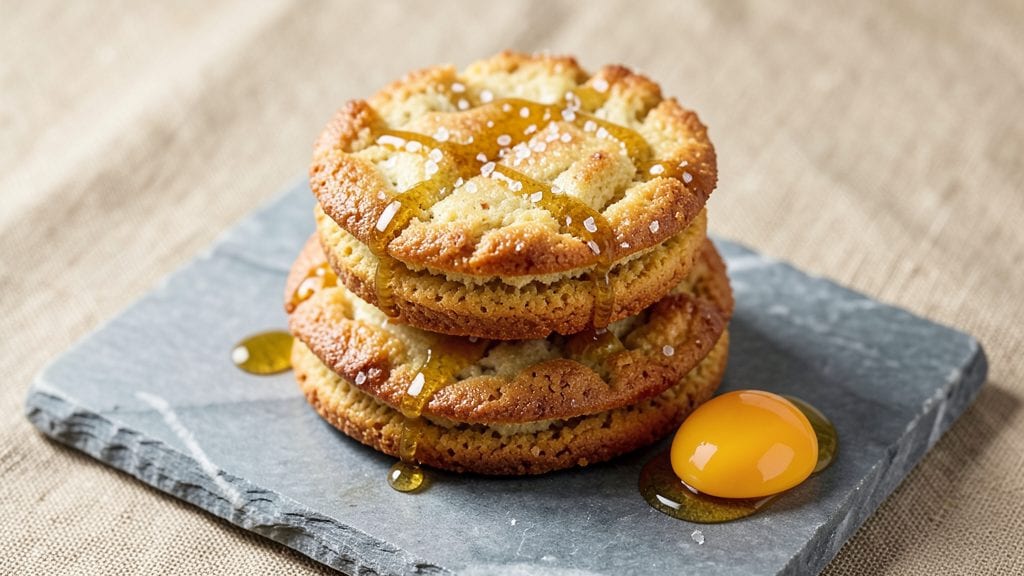
This salted cookies recipe delivers the perfect balance of buttery richness and flaky sea salt magic that transforms ordinary cookies into an irresistible treat. The secret lies in using salted butter and finishing with coarse sea salt, creating a textural contrast that elevates every bite.
I developed this recipe after years of experimenting with different salt types and baking techniques, and it consistently delivers professional-quality results at home.
The process is simpler than you might think, requiring just a handful of ingredients and about 20 minutes of active time. You'll work with cold butter and flour to create a tender dough, then bake until golden brown.
The key to achieving those signature flaky layers is proper mixing and baking techniques, which I'll walk you through step by step. This recipe yields about 24 cookies, perfect for sharing or satisfying your own sweet tooth.
What you'll end up with are cookies with crisp edges, soft centers, and pockets of melted butter that burst with each bite. The coarse sea salt adds a satisfying crunch and balances the sweetness perfectly.
These cookies stay fresh for days when stored properly, making them ideal for meal prep or gifting. The flavor profile is sophisticated yet approachable, appealing to both beginners and experienced bakers alike.
For those who want to experiment, you can easily customize this recipe by using different types of salt (flaky salt for dramatic presentation or fine salt for subtle flavor) or adding mix-ins like chocolate chips or nuts.
The technique remains the same, but the variations offer endless possibilities for personalization. Let's get started on creating these irresistible salted cookies!
Ingredients for salted cookies
Buttery richness meets salty crunch—just 10 ingredients for cookies that taste like a bakery secret.
| Ingredient | Amount | Notes |
|---|---|---|
| Unsalted Butter 🧈 | 1 cup | Cold, cubed for flaky texture |
| Granulated Sugar 🍚 | ¾ cup | Superfine preferred for smooth dough |
| Light Brown Sugar 🍚 | ¼ cup | Packed, for chewy centers |
| All-Purpose Flour 🌾 | 2 ½ cups | Sifted, spooned and leveled |
| Large Eggs 🥚 | 1 whole | Room temperature for even mixing |
| Pure Vanilla Extract 🌿 | 1 tsp | High-quality for best flavor |
| Coarse Sea Salt 🧂 | 1 ½ tbsp | Maldon or Jacobsen preferred |
| Fine Sea Salt 🧂 | ½ tsp | For dough, not finishing |
| Baking Soda 🍞 | ½ tsp | Freshly opened for potency |
| Ground White Pepper 🌶️ | ¼ tsp | For subtle depth of flavor |
The butter is non-negotiable here. European-style unsalted (like Plugrá or Kerrygold) has more fat content, which gives those signature flaky layers. If you grab salted butter, reduce the finishing salt by half. The coarse sea salt (Maldon or Jacobsen) is worth hunting down—it melts dramatically when baked, creating those signature salt pools. For the sugar, superfine dissolves faster, but regular works if you pulse it in a food processor. Trader Joe's and Whole Foods carry all these ingredients, or check the baking aisle at Walmart for budget-friendly options.
No coarse sea salt? Flaky salt or even kosher salt crystals work in a pinch—just spread them out so they don't clump. Short on butter? Coconut oil can replace up to half, but the texture gets denser. The vanilla extract matters—imitation stuff tastes like perfume. If you're feeling fancy, add a pinch of cardamom or orange zest to the dough. The white pepper is subtle but adds a sophisticated note that pairs perfectly with the salt. For the flour, King Arthur or Bob's Red Mill are reliable brands—avoid the cheap store brands if you can, as they can be over-processed.
This dough needs to chill for at least 1 hour—trust me, it's worth the wait. Store wrapped dough in the fridge for up to 3 days or freeze for 3 months. Once baked, keep cookies in an airtight container with a silica gel packet to maintain crispness. They reheat beautifully—just 5 seconds in the microwave with a damp paper towel. For gifting, package in cellophane bags with ribbon—they'll stay fresh for 5 days at room temperature.
Why You'll Love This Recipe
- No-Fuss Mixing: I swear by the 30-second creaming method—just butter, sugars, and eggs in one bowl. No extra bowls, no fuss, and the dough comes together faster than I can put on a podcast episode.
- Salted Magic: That flaky, buttery crunch from the flaky salt crystals? It’s the secret weapon. One bite and you’ll understand why people hoard these like gold—simple ingredients, but the flavor? Ridiculously good.
- Weeknight Crowd-Pleaser: Perfect for when your kid’s soccer team shows up unannounced or you’re hosting a last-minute game night. These bake up in batches, stay fresh for days, and even my picky-eating cousin can’t resist.
- Budget-Friendly Staples: Uses pantry basics—no specialty ingredients, just butter, sugar, and flour. I’ve made 30 cookies for under $5, and they disappear faster than my willpower when I’m hungry.
Step-by-step instructions for salted cookies recipe
Here's how to make buttery, flaky cookies with that perfect sea salt crunch every time.
Cream Butter and Sugars Together
In a stand mixer fitted with the paddle attachment, beat the 1 cup unsalted butter (cold and cubed) with the 0.75 cup granulated sugar and 0.25 cup light brown sugar on medium speed for 3-4 minutes. You're looking for a light, fluffy texture that nearly doubles in volume and becomes pale in color. This creaming process incorporates air, which creates those beautiful crackly tops and helps the cookies spread just right.
I like to scrape down the sides of the bowl every 30 seconds to ensure even mixing. The butter should be fully incorporated but still hold its shape when you press it between your fingers. If it feels too soft, chill the mixture for 10 minutes before proceeding—this helps maintain that flaky texture we're after.
Add Egg and Flavorings
Add the 1 whole large egg (room temperature) and mix on low speed for 30 seconds until fully combined. Then stir in the 1 tsp pure vanilla extract and 0.25 tsp ground white pepper. The vanilla adds warmth, while the white pepper gives a subtle depth that pairs perfectly with the salty finish. Mix just until everything is incorporated—overmixing develops gluten and can make the cookies tough.
Here's a pro tip: I like to press down gently on the dough with a spatula after adding the egg. This helps distribute the fat evenly and ensures the cookies will have that signature flaky texture. The mixture should look slightly curdled but come together smoothly when you add the dry ingredients next.
Combine Dry Ingredients
In a separate bowl, whisk together the 2.5 cups all-purpose flour, 0.5 tsp fine sea salt, 0.5 tsp baking soda, and 1.5 tbsp coarse sea salt. The fine sea salt is for the dough itself, while the coarse sea salt is what we'll sprinkle on top for that signature crunch. Sift the flour mixture over the wet ingredients and mix on low speed for 30-45 seconds until just combined—you should still see a few flour streaks.
This is where the magic happens: don't overmix. The moment the dough comes together is when you want to stop. If you mix too long, the gluten will develop and your cookies will turn out more like crackers than the tender, flaky treats we're making. The dough should be soft but manageable—if it feels too sticky, chill it for 15 minutes before proceeding.
Chill and Shape the Dough
Cover the dough bowl with plastic wrap and refrigerate for at least 1 hour (or up to 24 hours). Chilling is crucial—it solidifies the butter, which prevents the cookies from spreading too thin in the oven. It also allows the flour to fully hydrate, creating better texture. The dough should firm up enough that you can handle it without it sticking to your fingers.
Once chilled, divide the dough into 24 equal portions (about 1.5 tablespoons each) and roll them into balls. Place them on a parchment-lined baking sheet, spacing them 2 inches apart—they'll spread as they bake. Here's the secret: press a pinch of the coarse sea salt onto the top of each dough ball before baking. This ensures every bite has that perfect salty crunch.
Bake to Golden Perfection
Preheat your oven to 350°F and bake the cookies for 10-12 minutes until the edges are golden brown but the centers still look slightly underdone. They'll continue cooking on the hot baking sheet after you remove them from the oven. The key is to pull them out when they're just set—they should hold their shape but still feel soft to the touch.
Let the cookies cool on the baking sheet for 5 minutes before transferring them to a wire rack. This resting period allows them to set properly and prevents the sea salt from falling off. Serve them warm for the ultimate experience—each bite should deliver buttery richness, a hint of vanilla, and that satisfying crunch of flaky sea salt. Store any leftovers in an airtight container for up to 5 days or freeze for up to 3 months.
Pro Tips For Making Salted Cookies
- CREAM THE BUTTER SLOW: I used to rush this step and wondered why my cookies always tasted greasy. Let the butter sit at room temp for 30 minutes first, then mix it with the sugars on low speed for 2 full minutes—you want it light and fluffy, not a butter-sugar paste.
- WEIGH THE FLOUR: Scooping flour from the bag packs it down, and that’s how you end up with dense, dry cookies. Use a kitchen scale and measure the flour by weight (usually 120-130g for this recipe), then gently fold it in with a spatula. Less is more—trust me.
- CHILL THE DOUGH: Skipping this is the fastest way to end up with flat, sad cookies. Divide the dough into discs, wrap them in plastic, and refrigerate for at least 1 hour (overnight is even better). Cold dough holds its shape and bakes evenly—no more spreading disasters.
- ROTATE THE PAN: Your oven’s hot spots are real, and ignoring them means one side of your batch turns into hockey pucks while the other burns. Swap the cookie sheet halfway through baking (at the 7-8 minute mark for most ovens) for perfect golden-brown cookies every time.
Storing and reheating your salted cookies
Room Temperature Storage
Keep your freshly baked salted cookies at room temperature in an airtight container with a silica gel packet to maintain crispness. I use glass containers with tight-sealing lids—I love the Pyrex Simply Store line because they stack neatly and keep cookies fresh for 5 days.
Place parchment paper between layers to prevent sticking, especially if you're storing them for more than 2 days. The silica gel absorbs moisture, which is key for preserving that perfect crunch. 💫
Refrigerator Refresh
If you prefer cooler storage, refrigerate cookies in the same airtight container for up to 7 days. The cold temperature actually enhances their texture—cookies become slightly firmer but still retain that buttery flavor. To refresh them, simply place the container on the counter for 10-15 minutes before serving.
For a quick crunch boost, reheat individual cookies in the microwave for 5-8 seconds with a damp paper towel covering them. This method works especially well if you're prepping cookies for a week of snacks. ❄️
Freezer Preservation
For long-term storage, freeze cookies in a single layer on a parchment-lined tray for 1 hour before transferring to a freezer bag or airtight container. This prevents them from sticking together. Label with the date—they'll stay fresh for up to 3 months.
When ready to enjoy, thaw at room temperature for 30 minutes or warm in the oven at 300°F for 5-7 minutes to restore that bakery-fresh texture. I like to freeze them in portions so I can grab just what I need without thawing the whole batch. 🧊
Reheating Techniques
For maximum crispness, reheat cookies directly on a baking sheet in a 350°F oven for 3-5 minutes. This method mimics the original baking process and reactivates those buttery flavors.
For a quick fix, microwave each cookie individually for 3-5 seconds with a damp paper towel covering it—this adds moisture back into the dough without making them soggy. Avoid the toaster unless you want slightly toasted edges, which some people love for a different texture contrast. 🔥
Gift-Worthy Packaging
When sharing these cookies, package them in cellophane bags with a ribbon tie and a small cardboard backing for that bakery-style presentation. Add a sprinkle of coarse sea salt on top right before gifting to maintain that fresh-baked look.
These packages stay fresh for 5 days at room temperature, making them perfect for holidays or teacher appreciation gifts. I like to include a handwritten note about the recipe—it adds a personal touch that makes the gift feel special. 🎁
Salted Butter Substitution
If you're storing cookies made with salted butter, reduce the finishing coarse sea salt by half (to 0.75 tbsp) to avoid over-salting. The dough's fine sea salt content will still balance the sweetness, but you'll need to adjust the topping.
For cookies stored in the freezer, this adjustment is especially important since flavors concentrate during freezing. Always taste test one cookie after thawing to ensure the salt balance is perfect before serving the whole batch. 🧂
Nutrition facts
Frequently asked questions
Why do salted cookies need both fine and coarse sea salt?
The fine sea salt in the dough balances sweetness throughout each bite, while the coarse sea salt on top creates dramatic flavor pockets when melted. Think of it as a two-layer flavor experience—subtle salt in every bite and a bold crunch on the surface.
Can I make these cookies without a stand mixer?
Use a sturdy wooden spoon or your hands to cream the butter and sugars together until light and fluffy (5-7 minutes of vigorous mixing). The key is working quickly to avoid melting the butter too soon. A hand mixer also works perfectly for this step.
What if my cookies spread too much during baking?
This usually happens when the butter melts too quickly. Make sure your butter is cold when starting, chill the dough longer (2+ hours), and use superfine sugar which dissolves faster. Also try baking on the middle rack for more even heat distribution.
How do I know when the cookies are fully baked?
They're done when the edges are golden brown but the centers still look slightly soft (they'll firm up as they cool). Press gently—they should spring back but feel set. The classic "toothpick test" works too: insert it in the center, it should come out with a few moist crumbs, not wet batter.
Can I add chocolate chips to this recipe?
Yes! Fold in ½ cup chocolate chips with the dry ingredients, but reduce the fine sea salt to ¼ tsp to balance the sweetness. Use dark chocolate for sophistication or milk chocolate for a classic twist. Remember to chill the dough longer if adding wet mix-ins.