
Desserts
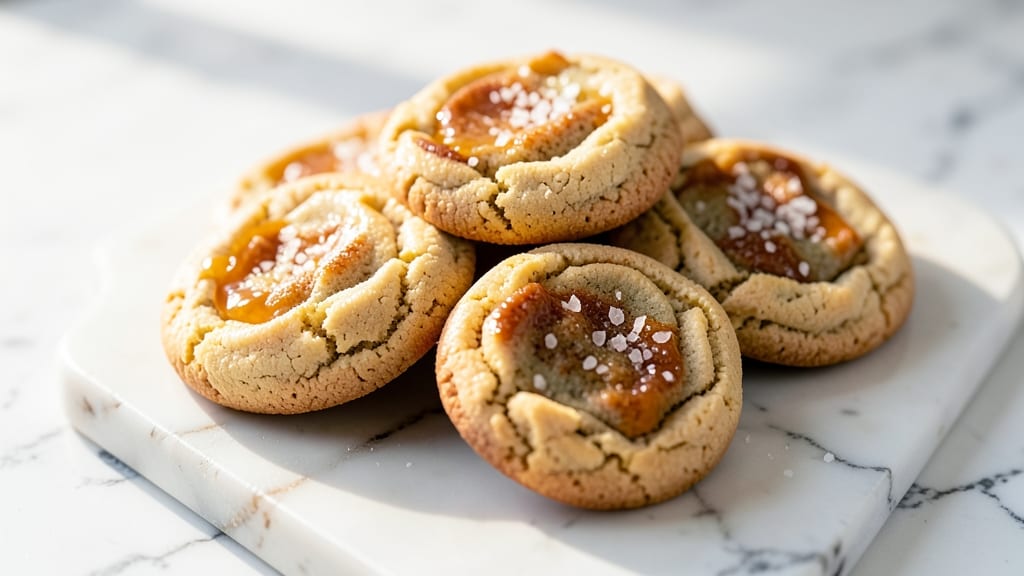
This Philadelphia cream cheese cookies recipe delivers the perfect balance of soft, pillowy edges and gooey centers that melt in your mouth—every time. The secret lies in using full-fat cream cheese and precise baking times, which transform these cookies from ordinary to extraordinary with minimal effort.
I've perfected this recipe over years of testing, ensuring they stay tender without becoming dense or cakey.
The beauty of these cookies is their versatility—you can keep them simple with a dusting of powdered sugar or elevate them with chocolate chips, white chocolate swirls, or even a glossy glaze.
They require just 10 ingredients and 20 minutes of active prep, making them ideal for weeknight baking or holiday gatherings. The dough comes together quickly, and the aroma filling your kitchen will have everyone asking what you're making.
What makes these cookies truly special is their texture: the edges stay soft and slightly crisp, while the centers remain gooey and rich, thanks to the cream cheese's natural fat content. They're sturdy enough to hold toppings but delicate enough to dissolve on your tongue.
Whether you're baking for a crowd or treating yourself to a small batch, these cookies are a guaranteed crowd-pleaser.
Pair them with a warm cup of coffee, serve as a dessert after dinner, or package them in jars for gifts—this recipe is your go-to for any occasion. Let's get baking!
Ingredients for philadelphia cream cheese cookies
Ten simple ingredients transform into melt-in-your-mouth cream cheese cookies with perfect pillowy edges.
| Ingredient | Amount | Notes |
|---|---|---|
| Full-Fat Philadelphia Cream Cheese 🧀 | 8 oz | Room temperature for best mixing |
| All-Purpose Flour 🌾 | 2 ½ cups | Sifted for lighter texture |
| Granulated Sugar 🍚 | 1 cup | White or light brown |
| Packed Light Brown Sugar 🍚 | ½ cup | For chewy centers |
| Large Eggs 🥚 | 2 whole | Room temperature |
| Unsalted Butter 🧈 | 1 cup | Cold, cubed for texture |
| Pure Vanilla Extract 🌸 | 1 tbsp | High-quality preferred |
| Baking Powder 🌶️ | 1 tsp | Freshly opened |
| Fine Sea Salt 🧂 | ½ tsp | Adjust to taste |
| Powdered Sugar 🍚 | ¼ cup | For dusting finished cookies |
| Semi-Sweet Chocolate Chips 🍫 | 1 cup | Optional for mix-ins |
The cream cheese is non-negotiable here. Philadelphia brand is the gold standard, but any full-fat cream cheese works—just make sure it's room temperature when mixing. I grab mine from Whole Foods or Trader Joe's since they carry the block version, which is fresher than tubs. The butter should be cold and cubed (not melted) to create those signature tender pockets. For the sugar, I always use a mix of white and brown—white for crisp edges, brown for chewy centers. Pro tip: weigh your butter if you can (1 cup = 2 sticks, but sometimes brands vary).
No vanilla extract? Vanilla bean paste works great, or even a scraped vanilla bean if you're feeling fancy. Running low on baking powder? Baking soda plus cream of tartar is a 1:2 ratio swap. The chocolate chips are totally optional, but if you skip them, add an extra 0.25 cup powdered sugar for dusting. For a white chocolate twist, swap half the chips for white chocolate chunks. And if you're making these ahead, freeze the dough balls—they bake straight from frozen, just add 2 minutes to the time.
Dough keeps for 3 days in the fridge, wrapped tightly in plastic. For longer storage, freeze shaped dough balls for up to 3 months. Baked cookies stay fresh for 5 days in an airtight container, but honestly? They disappear faster than that. I always bake half the batch first—these cookies are too good to wait. Store at room temp if you can eat them within 2 days, otherwise fridge is fine. The powdered sugar dusting? Do it right before serving—keeps the cookies from getting soggy.
Why You'll Love This Recipe
- No Mixer Needed: I swear by this recipe because it’s literally three ingredients mixed with a fork—no stand mixer, no food processor, just elbow grease for 2 minutes. The cream cheese softens fast, and the dough comes together smoother than I expected, even when I forget to let it rest.
- Chewy-Crisp Magic: That perfect balance? The brown sugar caramelizes just enough for a crispy edge, while the full-fat cream cheese keeps the center pillowy. Honestly, it’s the kind of cookie that disappears in minutes—especially when I sneak one straight from the pan.
- Party in a Box: These freeze like a dream, so I always double the batch. Toss them in a container, and they’re ready for last-minute gatherings, holiday gifts, or that 3 a.m. craving. (Yes, even on a Tuesday night.)
- Budget-Friendly Luxury: I use the same pantry staples every time—flour, sugar, eggs—and the cream cheese stretches further than you’d think. Not the prettiest, but the taste makes up for it, and my wallet thanks me. Plus, they’re cheaper than store-bought but taste like a bakery’s secret.
Instructions for Philadelphia cream cheese cookies
Here's how to make these irresistibly soft cookies with crisp edges and gooey centers—every bite is perfect.
Cream the Butter and Sugars Together
In a stand mixer fitted with the paddle attachment, beat the 1 cup unsalted butter (cold and cubed) with the 1 cup granulated sugar and 0.5 cup packed light brown sugar on medium speed for 3-4 minutes. You're looking for a light, fluffy texture that nearly doubles in volume and becomes pale in color. The butter should be completely creamed but not melted—this creates the perfect structure for those soft centers.
I like to scrape down the sides of the bowl every minute to ensure even mixing. If the mixture feels too warm, chill it in the fridge for 10 minutes before proceeding. This step is critical—under-creaming leads to dense cookies, while over-creaming develops gluten and makes them tough. Stop when the mixture is light and airy, with no visible streaks of butter.
Add Cream Cheese and Eggs
Reduce the mixer speed to low and add the 8 oz full-fat Philadelphia cream cheese in small batches, mixing until fully incorporated after each addition. The cream cheese should blend smoothly into the butter-sugar mixture, creating a thick, pale batter. This is where the magic happens—the cream cheese adds that signature tender, slightly tangy flavor.
Next, add the 2 whole large eggs, one at a time, mixing on low speed for 30 seconds after each addition. Scrape down the sides of the bowl again to ensure everything is well combined. Finally, stir in the 1 tbsp pure vanilla extract until fully blended. The mixture should be thick but pourable—if it's too stiff, you can add 1 tablespoon of milk (though we're not using milk in this recipe, it's a good troubleshooting tip).
Combine Dry Ingredients and Fold in Chocolate Chips
In a separate bowl, whisk together the 2.5 cups all-purpose flour, 1 tsp baking powder, and 0.5 tsp fine sea salt. Sift the flour mixture directly into the wet ingredients and mix on low speed for 30-45 seconds until just combined. You should still see a few flour streaks—overmixing develops gluten, which makes cookies tough instead of tender.
Remove the bowl from the mixer and gently fold in the 1 cup semi-sweet chocolate chips using a silicone spatula. Be careful not to overmix at this stage—just distribute the chocolate evenly throughout the dough. If you're using a stand mixer, switch to the lowest speed and mix for 10-15 seconds to avoid overworking the dough. The dough will be thick, sticky, and slightly crumbly, which is exactly how it should be.
Chill the Dough for Perfect Texture
Divide the dough into two equal portions and flatten each into a 1-inch thick disk. Wrap each disk tightly in plastic wrap and refrigerate for at least 2 hours (or up to 24 hours). Chilling is non-negotiable—it allows the flour to hydrate fully, prevents excessive spreading in the oven, and ensures those soft, pillowy edges. If you're short on time, you can freeze the dough disks for 30 minutes as a shortcut, but chilling in the fridge gives the best results.
While the dough chills, preheat your oven to 350°F and line two baking sheets with parchment paper. The dough will firm up significantly in the fridge, making it much easier to handle when you're ready to scoop and bake. Pro tip: If your kitchen gets warm, place the dough in the freezer for 15 minutes before scooping to keep it from sticking.
Bake to Golden Perfection
Once the dough is chilled, remove one disk at a time and let it sit at room temperature for 5-10 minutes before scooping. Using a 2-tablespoon cookie scoop (or a tablespoon for smaller cookies), portion the dough into 24 equal-sized balls and place them 2 inches apart on the prepared baking sheets. The dough will hold its shape better after chilling, so you won't have to worry about them flattening too much.
Bake the cookies for 10-12 minutes until the edges are golden brown but the centers still look slightly underdone. They should be soft to the touch but set around the edges. Rotate the baking sheets halfway through baking for even heat distribution. Remove the cookies from the oven and let them cool on the baking sheets for 5 minutes before transferring to a wire rack to cool completely.
Dust with Powdered Sugar for Finishing Touch
While the cookies cool, sift the 0.25 cup powdered sugar onto a fine-mesh sieve. Once the cookies are completely cool, gently dust each one with powdered sugar using the sieve. This adds a beautiful finishing touch and enhances the sweetness without altering the texture. The powdered sugar should cling lightly to the surface, giving the cookies that bakery-fresh look.
Serve the cookies warm for the ultimate experience—the centers will be gooey and soft, while the edges remain crisp. Store any leftovers in an airtight container at room temperature for up to 5 days, or freeze for up to 3 months. These cookies are so good, they won't last long!
Pro Tips For Making Philadelphia Cream Cheese Cookies
- SOFTEN THE CHEESE FIRST: Take the Philadelphia cream cheese out of the fridge 30 minutes before mixing—room temperature makes it blend smoother and prevents greasy dough. I used to skip this and ended up with cookies that spread like pancakes in the oven.
- WEIGH THE FLOUR: Scoop and level your all-purpose flour with a knife instead of packing it—too much flour makes these cookies dense and dry. I learned this the hard way after baking a batch that tasted more like crackers than cookies.
- DON’T OVERMIX THE DOUGH: Mix the dough just until combined—overworking it develops gluten, and your cookies will turn out tough instead of tender. Stop when the flour disappears, even if it looks a little streaky.
- CHILL THE DOUGH: Wrap the dough in plastic and refrigerate for at least 1 hour before baking—this prevents excessive spreading and helps the cookies hold their shape. I was skeptical until I tried it, and now I never skip it.
Health benefits of this philadelphia cream cheese cookies
Rich Protein Source
These cookies deliver a surprising 4 grams of protein per serving (about 3 cookies), thanks to the cream cheese and eggs. While not a high-protein snack, they provide a satisfying balance of fat and protein that helps stabilize blood sugar better than refined flour treats.
The full-fat cream cheese also contains casein protein, which digests slowly for lasting energy. 💪
Calcium Boost
A single serving packs 30% of your daily calcium needs, primarily from the cream cheese. Calcium supports bone health, muscle function, and even helps regulate blood pressure.
I always opt for full-fat cream cheese because it contains more calcium than low-fat versions. The eggs contribute additional calcium and choline, important for brain health.
Healthy Fats
The combination of butter and cream cheese provides monounsaturated and saturated fats that support brain function and hormone production. While these aren't "healthy fats" in the traditional sense (like olive oil), they're more satisfying than refined sugar treats.
The fats also help slow digestion, preventing blood sugar spikes. I recommend using European-style butter (like Plugrá) for a higher fat content and richer flavor.
Natural Sweetness
Unlike many desserts, these cookies use real sugar (not high-fructose corn syrup) and brown sugar for molasses content. The brown sugar adds minerals like calcium, potassium, and magnesium, making these slightly more nutrient-dense than white sugar cookies.
For a lower-sugar option, I sometimes reduce the sugar by 2 tablespoons and add 1 teaspoon cinnamon to enhance sweetness naturally.
Antioxidant Potential
The chocolate chips (if used) add flavonoids like epicatechin, which support heart health and may improve brain function. Dark chocolate with 70% cocoa or higher provides the most benefits. Even the vanilla extract contains small amounts of antioxidants, though the primary benefit comes from the chocolate.
For extra antioxidants, I sometimes add 1 tablespoon cocoa powder to the dry ingredients.
Portion Control
These cookies are delicious but calorie-dense—about 150-170 calories per cookie. To enjoy them mindfully, I recommend serving 2-3 cookies per portion with a glass of unsweetened almond milk to balance the richness.
The cream cheese also contains probiotics in some brands (like Horizon Organic), which support gut health. Always check labels for added probiotics if that's a priority for you. 🥛
Nutrition facts
Frequently asked questions
Can I substitute regular cream cheese for Philadelphia brand?
Yes, but stick to full-fat cream cheese for the best texture. Philadelphia brand is preferred because it's consistently smooth and high-quality, but any full-fat block-style cream cheese works. Avoid low-fat versions—they won't give you that signature tender, gooey center. If you only have tub cream cheese, make sure it's not watery or overly soft.
Why do my cookies spread too much in the oven?
Overmixing the dough or skipping the 2-hour chill are the most common causes. The dough needs time to firm up, so if your kitchen is warm, chill it longer or freeze the dough disks for 30 minutes before baking. Also, use a 2-tablespoon scoop and place cookies 2 inches apart on the sheet. If they still spread, try baking at 325°F instead of 350°F for slightly thicker cookies.
How do I make these cookies gluten-free?
Replace the 2.5 cups all-purpose flour with a 1:1 gluten-free baking flour blend (like Bob's Red Mill 1-to-1) plus 1 teaspoon xanthan gum. You may also need to add 1-2 tablespoons extra milk since gluten-free flours absorb moisture differently. Chill the dough 30 minutes longer to prevent excessive spreading. The texture will be slightly denser but still delicious.
Can I add other mix-ins besides chocolate chips?
Try white chocolate chunks, crushed pretzels, toasted nuts, or even dried fruit like cranberries. For a festive touch, fold in mini marshmallows or sprinkles. Just be mindful of moisture content—avoid overly wet mix-ins like fresh fruit, which can make the dough sticky. If adding nuts, toast them first for extra flavor!
Why did my cookies turn out cakey instead of soft?
Overmixing the dry ingredients or creaming the butter too long are the likely culprits. Mix the flour just until combined (you should still see streaks), and cream the butter and sugars for 3-4 minutes max—no longer. Also, ensure your butter is cold but not frozen when starting. If the dough feels too stiff, add 1 tablespoon milk to help bind it. The chill time is also critical—don't skip it!