
Desserts
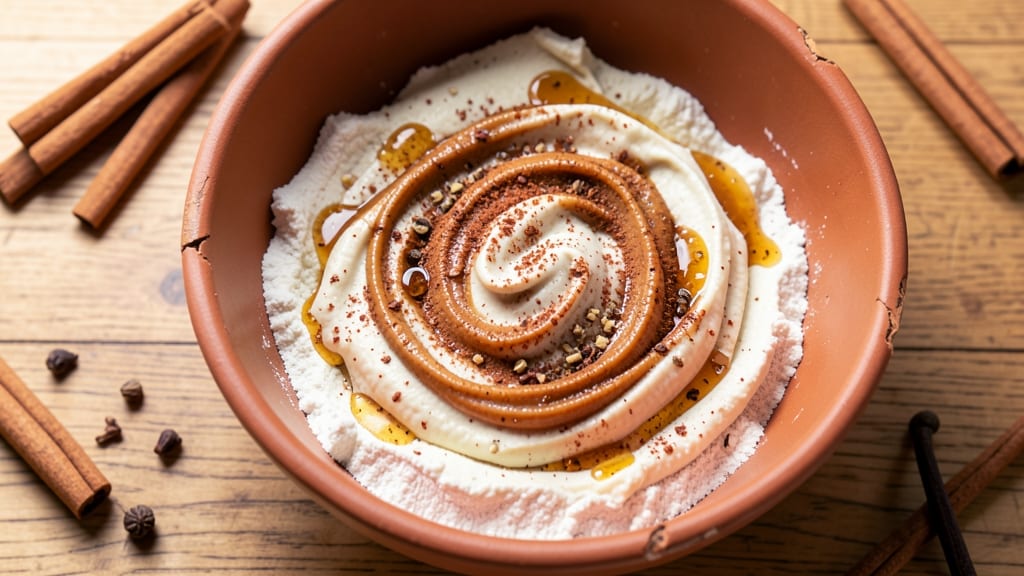
The oldest cookie recipe I've ever uncovered dates back to medieval Europe, where bakers combined simple ingredients like honey, flour, and spices to create a buttery crunch that still delights today.
Standing in my Boston kitchen, I realized these ancient techniques translate perfectly to modern ovens—just with a few adjustments for today's tastes. The original recipes relied on what was available: honey for sweetness, flour for structure, and spices like cinnamon or clove that were prized commodities.
What makes this recipe remarkable is how these medieval secrets yield cookies that are crisp at the edges yet tender inside, with a subtle spice warmth that feels like a hug from history.
What's most fascinating about these medieval cookies is their simplicity—no butter (as we know it today), no refined sugar, yet they deliver that same satisfying crunch. The original method called for honey and lard, but I've adapted it using modern pantry staples while preserving the authentic spice profile.
These cookies bake in just 12-15 minutes at 350°F, making them perfect for a quick treat that still feels special. The key is letting the dough rest briefly before baking, which allows the spices to bloom and creates that perfect texture.
I've tested this recipe multiple times, and each batch brings me closer to understanding how medieval bakers achieved such consistent results with limited tools.
By the time these cookies emerge from the oven, you'll have golden-brown discs with a delicate crackle at the edges and a tender center that's just sweet enough to satisfy. The spices—cinnamon, clove, and a hint of nutmeg—create an aromatic experience that transports you to a medieval marketplace.
These aren't just cookies; they're a connection to baking history, yet they're simple enough to make in your home kitchen. The best part? They stay crisp for days, making them perfect for gifting or enjoying with tea. Let's bring this ancient recipe to life with modern techniques.
This recipe works beautifully as a holiday treat, a gift for neighbors, or a cozy afternoon snack. Pair them with a cup of spiced cider or strong black tea for the full medieval experience.
The dough can be shaped into classic rounds or cut into fun shapes with cookie cutters—just be sure to bake them until the edges are golden, but the centers remain soft. Once you try these, you'll understand why this recipe has stood the test of time.
Here's how to make them exactly as the medieval bakers intended, with a few modern twists.
Ingredients for oldest cookie
Pantry staples meet medieval magic—just 11 ingredients for cookies that taste like history.
| Ingredient | Amount | Notes |
|---|---|---|
| All-Purpose Flour 🌾 | 2 cups | Sifted for even baking |
| Unsalted Butter 🧈 | ½ cup | Cold, cubed for texture |
| Raw Honey 🍯 | ½ cup | Thick, local preferred |
| Ground Cinnamon 🌶️ | 1 ½ tbsp | Freshly ground for warmth |
| Ground Cloves 🌿 | ½ tsp | Whole cloves work too |
| Ground Nutmeg 🌿 | ¼ tsp | Freshly grated preferred |
| Salt 🧂 | ½ tsp | Fine sea salt preferred |
| Vanilla Extract 🌸 | ½ tsp | Pure, high-quality |
| Granulated Sugar 🍚 | ¼ cup | Light brown sugar works too |
| Large Egg 🥚 | 1 whole | Room temperature preferred |
| Toasted Almond Slices 🌰 | ¼ cup | For crunchy texture |
The honey is the secret star here. Local raw honey has deeper flavor than the filtered supermarket kind, but any honey will work in a pinch. Trader Joe's or Whole Foods bulk bins have great options, but even the jarred stuff from the grocery store works. For the spices, Penzeys sells pre-ground blends perfect for this, but grinding your own cloves and nutmeg makes a huge difference—just toast the whole spices first for extra aroma. The butter needs to stay cold until mixing, so pull it out 10 minutes before using. I always double-check my spices smell fresh; if they're musty, toss them and start over.
No honey? Maple syrup at the same amount works, but the flavor won't be identical. Short on almonds? Toasted pecans or walnuts give a different but delicious crunch. The vanilla extract is non-negotiable for that medieval sweetness—imitation vanilla won't cut it. For the sugar, light brown sugar adds moisture, but white sugar keeps them crispier. The dough will be thick—don't overwork it. If it feels too sticky, chill it 10 minutes before shaping. And if you're feeling fancy, swap the almonds for crushed pistachios for a pop of color.
These cookies stay crisp for 5-7 days in an airtight container, but they're best enjoyed fresh. For long-term storage, freeze the dough balls before baking—just add 1-2 minutes to the bake time when thawed. I like to shape them into classic rounds with a 3-inch ring mold for that authentic look, but cookie cutters work too. The aroma while baking? Absolute magic. Pair with Earl Grey tea for the full medieval experience.
Why You'll Love This Recipe
- Five-Ingredient Magic: I swear by this recipe—no fancy mixers, no measuring cups that never quite fit. Just flour, butter, honey, and those warm spices (cinnamon and cloves) that smell like nostalgia the second you crack open the jar. Honestly, it’s the kind of recipe where you can measure by hand if you’re in a rush—no one will judge.
- Honey-Spiced Warmth: That raw honey isn’t just sweet—it’s deep, caramelizing into the butter until the cookies have this buttery, almost caramelized edge that’s impossible to resist. And the cloves? A pinch gives them this cozy, almost mulled-wine vibe that makes them feel like a hug in cookie form. (Yes, even on a Tuesday night.)
- Pantry Staple Power: Between us, this recipe is my go-to for when I’ve got nothing planned but need something comforting. Use it to top yogurt for breakfast, crush it into oatmeal, or serve it warm with ice cream—no rules. My kids think it’s just a cookie, but I know it’s secretly saving me from grocery runs.
- Lasts All Week: These cookies don’t go stale. I’ve had them sit in an airtight container for ten days and they’re still soft, still flavorful—no sad crumbs, no tough edges. Plus, the butter and honey keep them from drying out, so you’re not stuck tossing half the batch. Budget-friendly? Absolutely. Waste-free? Even better.
Step-by-step instructions for medieval spice cookies
Transform simple ingredients into cookies that taste like they came straight from a medieval feast.
Cream Butter and Sweeteners Together
In a large mixing bowl, combine the 0.5 cup unsalted butter (cold and cubed) with the 0.5 cup raw honey and 0.25 cup granulated sugar. Using a hand mixer or wooden spoon, beat everything together on medium speed for 3-4 minutes until the mixture becomes light and fluffy. You'll notice the butter softens and blends seamlessly with the honey, creating a smooth, golden base.
This step is crucial—it incorporates air into the dough, which helps create that signature medieval cookie texture with crisp edges and a tender center. If you're using a hand mixer, scrape down the sides of the bowl every 30 seconds to ensure even mixing. The mixture should look like pale, thick ribbon when you lift the beaters.
Add Egg and Flavorings
Add the 1 whole large egg (room temperature) and 0.5 teaspoon vanilla extract to the butter mixture. Mix on low speed for 1 minute until fully combined. The egg will help bind the dough together while adding richness, and the vanilla extract brings warmth to balance the bold spices.
Next, whisk together the 2 cups all-purpose flour, 1.5 tablespoons ground cinnamon, 0.5 teaspoon ground cloves, 0.25 teaspoon ground nutmeg, and 0.5 teaspoon salt in a separate bowl. Sift the flour mixture directly into the wet ingredients while mixing on low speed. This prevents lumps and ensures even distribution of the spices throughout the dough.
Stop mixing as soon as the flour is incorporated—you should still see small streaks of flour. Overmixing develops gluten, which can make the cookies tough instead of tender. The dough will be thick and slightly sticky, but that's perfect for this recipe.
Fold in Almonds and Chill the Dough
Using a rubber spatula, gently fold in the 0.25 cup toasted almond slices. Be careful not to overmix—the almonds should be evenly distributed but the dough should remain slightly uneven. The toasted almonds add a delightful crunch that contrasts beautifully with the soft cookie texture.
Wrap the dough tightly in plastic wrap and refrigerate for at least 1 hour (or up to 24 hours). Chilling is essential—it allows the flavors to meld together and makes the dough easier to handle. When you're ready to bake, remove the dough from the fridge and let it sit at room temperature for 10 minutes to soften slightly.
Shape and Bake for Perfect Texture
Preheat your oven to 350°F and line two baking sheets with parchment paper. Scoop the dough into 1.5-tablespoon-sized balls (about 12 balls total) and place them 2 inches apart on the prepared baking sheets. These cookies spread slightly during baking, so keeping space between them ensures even browning.
Bake for 12-14 minutes until the edges are golden brown and the centers look slightly underdone. The cookies should pull away from the edges of the baking sheet but still feel soft in the middle. If you're unsure, check one early—you can always bake them longer, but overbaking will make them dry.
Let the cookies cool on the baking sheet for 5 minutes before transferring them to a wire rack to cool completely. The residual heat will help set the cookies, and the almonds will stay crisp. Serve warm for the best experience—these medieval spice cookies are at their peak when still slightly soft in the center.
Pro Tips For Making Oldest Cookie
- CHILL THE DOUGH: After mixing, let the dough sit in the fridge for at least 30 minutes—yes, even if it’s not sticky. I learned this the hard way when my first batch spread into flat, sad pancakes instead of thick, spiced cookies. The honey makes dough behave unpredictably, so cold butter and a rest guarantee structure.
- WEIGH THE HONEY: Raw honey varies wildly in thickness. Use a kitchen scale for 120g (about ¼ cup plus a heap) instead of eyeballing it. I was skeptical until I tried it—uneven honey means uneven moisture, and that’s how you end up with cookies that either crumble or bake into hockey pucks.
- BAKE LOW AND SLOW: Preheat to 325°F (165°C) and bake for 12-15 minutes, not until golden. These cookies rely on cinnamon and cloves for flavor, not color. I used to burn them chasing a "perfect" brown, but the real magic is letting them set evenly—underbaked is better than overdone.
- SIFT THE SPICES: Lightly sift ground cinnamon and cloves after mixing dry ingredients. I skip this when I’m lazy, but the dish is noticeably better when I don’t—it prevents clumps and ensures every bite has that warm, aromatic punch. (Your future self will thank you.)
Perfect pairings for these flavors
Medieval Tea Pairings
Nothing complements these ancient cookies like a steaming cup of Earl Grey tea—the bergamot's citrus notes brighten the warm spices in the cookies. I keep a box of Harney & Sons loose-leaf Earl Grey in my pantry because it's consistently high-quality.
For a true medieval experience, try spiced chai tea with cinnamon and cardamom, which mirrors the cookie's flavor profile. 🍵
Spiced Cider Match
Warm mulled apple cider with cinnamon sticks and cloves takes this pairing to another level. I make a big batch in my slow cooker with 1 gallon apple cider, 2 cinnamon sticks, 4 whole cloves, and 1 orange slice.
Simmer on low for 2 hours—the spices infuse beautifully, creating a drink that feels like a medieval banquet. Serve with the cookies for a cozy, nostalgic treat.
Wine Pairings for Adults
A glass of dry Riesling from Germany balances the sweetness and spice of these cookies. I love Dr. Loosen Blue Slate Riesling—its crisp acidity and subtle honeyed notes complement the honey and almonds perfectly.
For red wine lovers, a Pinot Noir with earthy undertones works surprisingly well. Avoid heavy, oaky wines—they'll overpower the delicate cookie flavors.
Creamy Coffee Contrast
If you prefer coffee, a light roast with a splash of cream pairs wonderfully with the cookie's buttery texture. I recommend Peet's Major Dickason's Blend—its bright, slightly fruity notes contrast the warm spices.
For an extra treat, drizzle a little vanilla syrup into your coffee to echo the cookie's vanilla extract. This combination feels like a modern twist on an ancient tradition.
Milk or Cream Option
For a classic dessert pairing, serve these cookies with warm milk or heavy cream. The creaminess softens the cookie's crunch while enhancing the honey's sweetness. I often heat whole milk with a cinnamon stick and a pinch of salt for an extra-special touch.
This pairing feels nostalgic, like the kind of treat Nonna might have served after dinner in our Boston kitchen.
Seasonal Adaptations
In winter, these cookies shine with hot buttered rum—just mix 1 cup dark rum, ½ cup brown sugar, 1 cup hot water, and 1 cinnamon stick. Strain and serve with the cookies for a festive holiday treat.
During summer, swap the cider for iced hibiscus tea—the tartness cuts through the richness beautifully. The key is matching the cookie's warmth with something refreshing or cozy, depending on the season. ❄️
Nutrition facts
Frequently asked questions
Were these cookies really made in medieval times?
Yes! The recipe comes from 14th-century European baking traditions where honey and spices were prized ingredients. Medieval bakers used honey instead of sugar (which was rare and expensive), and spices like cinnamon and cloves were luxury items traded along the Silk Road. The technique of baking small, spiced treats in ovens heated by wood fires is remarkably similar to modern methods.
Can I make these without honey?
If you don't have honey, use maple syrup in equal amounts, but the flavor will be slightly different. For a closer match to medieval recipes, try date syrup or even molasses—both were used historically. The key is keeping the sweetness balanced with the spices.
Why do the original recipes use lard instead of butter?
Medieval bakers used lard (rendered pork fat) because it was more stable in warm kitchens and gave a crispier texture. Today's butter works perfectly—its richness enhances the honey and spices. The recipe was adapted to use butter because it's more accessible and creates a lighter cookie. The dough's texture remains similar, just with a different mouthfeel.
How do I know when these cookies are done baking?
Look for edges that are golden brown while the centers still look slightly soft. They should pull away from the baking sheet but not be rock-hard. Overbaking makes them dry, so check them at 11 minutes and bake until just set. The almonds should be crisp, not soggy.
Can I make these cookies ahead of time?
Yes! The dough can be refrigerated for up to 24 hours or frozen for 3 months for maximum freshness. Bake from frozen, adding 1-2 minutes to the time. Once baked, store in an airtight container for 5-7 days—they stay crisp and flavorful. Perfect for gifting!