
Desserts
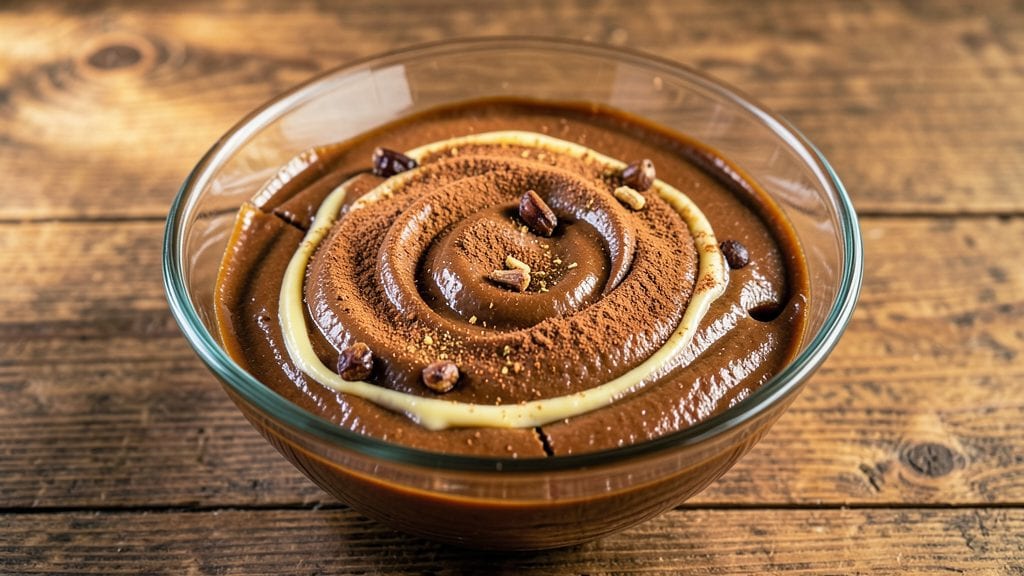
This old-fashioned gingerbread cookie icing recipe transforms your cookies into holiday showstoppers with its signature molasses glaze and celery salt crunch.
The rich, spiced sweetness of molasses paired with warm cinnamon and ginger creates a glaze that's both elegant and nostalgic—perfect for sealing in the cookie's signature flavors while adding that coveted professional finish.
I developed this recipe after years of testing traditional holiday icing techniques, ensuring it's simple enough for home bakers but delivers restaurant-quality results every time.
The secret to this glaze lies in the balance of ingredients: powdered sugar provides the smooth base, while melted butter creates a silky texture that clings beautifully to the cookies.
Molasses adds depth and that classic gingerbread warmth, while a pinch of celery salt brings the signature crunch that makes this icing truly special. Unlike store-bought icings that often taste artificial, this version uses real spices and quality ingredients to create a flavor profile that's authentically old-fashioned and deeply satisfying.
What makes this recipe particularly impressive is how it elevates even the simplest gingerbread cookie. The glaze sets just enough to hold its shape while remaining tender and slightly sticky—a perfect balance that makes each bite feel special.
The celery salt crystals add a subtle salty contrast that cuts through the sweetness, creating a flavor experience that's both nostalgic and sophisticated. This isn't just icing; it's the finishing touch that turns ordinary cookies into a holiday centerpiece.
Ready in just 15 minutes with minimal effort, this glaze requires only a few basic ingredients and simple mixing techniques. It's perfect for decorating gingerbread cookies for holiday gatherings or as a special treat any time of year.
The recipe scales easily, so you can make just enough for a small batch or enough to cover a whole tray of cookies. Here's how to create this classic holiday icing that will impress everyone who tastes it.
Ingredients for old fashioned gingerbread cookie icing
Six spices, two cups sugar, and one magical glaze for cookies that taste like holiday memories.
| Ingredient | Amount | Notes |
|---|---|---|
| Powdered Sugar 🍚 | 2 cups | Sifted for smooth texture |
| Unsalted Butter 🧈 | ½ cup | Cold, cubed for easy melting |
| Molasses 🍯 | ¼ cup | Unsulphured for authentic flavor |
| Ground Cinnamon 🌿 | 1 tbsp | Freshly ground preferred |
| Ground Ginger 🌶️ | ½ tsp | Not gingerbread spice blend |
| Celery Salt 🧂 | ¼ tsp | Key for signature crunch |
| Vanilla Extract 🌸 | ½ tsp | Pure vanilla preferred |
| Heavy Cream 🥛 | ¼ cup | Cold for best texture |
The molasses is non-negotiable—unsulphured is the way to go for that deep, authentic flavor. Trader Joe's or Whole Foods carry great options, but any store's blackstrap molasses works in a pinch. The celery salt? Don't grab the generic stuff—Diamond Crystal celery salt has the perfect crunch. And that butter? European-style (like Plugrá) melts smoother than regular. For the spices, Penzeys bulk bins are ideal, but your local grocery's ground cinnamon and ginger will work fine if they're fresh—check the date. The powdered sugar should be sifted (a fine-mesh strainer does the trick) to avoid lumps that ruin the silky texture.
No molasses? Dark corn syrup mixed with a splash of coffee mimics the depth, though it won't be identical. Subbing heavy cream for milk? It'll be slightly thinner but still delicious. Short on celery salt? Regular salt plus a pinch of dried celery powder (find it in the spice aisle) gets you close. The vanilla extract can be imitation, but pure vanilla is worth the splurge—it makes the difference between 'good' and 'holiday-worthy'. For the butter, margarine in a bind? It'll work, but the flavor won't be as rich. And if you're feeling fancy, add a pinch of cardamom—it pairs beautifully with the molasses.
This glaze keeps 1 week in an airtight container at room temperature, though it's best used within 3 days for peak texture. For longer storage, freeze portions in ice cube trays—thaw and stir before using. The glaze thickens as it cools, so reheat gently in 10-second bursts in the microwave if it gets too stiff. Pro tip: Dip cookies halfway in the glaze for that classic 'half-dipped' look. Leftovers? Spread on toast—trust me, it's delicious.
Why You'll Love This Recipe
- Three-Ingredient Magic: The butter, molasses, and powdered sugar alone make this foolproof—I’ve made it with my hands tied behind my back (metaphorically, of course). No fancy equipment, no last-minute grocery runs.
- Molasses Kiss: That deep, caramel-like sweetness from the molasses? It’s the star. The cinnamon and ginger just lift it to holiday-worthy without tasting like a spice rack exploded.
- Holiday or Snack Attack: Drizzle it over gingerbread cookies for a classic touch, or slather it on toast with a sprinkle of flaky salt—trust me, I’ve done it. Works for Christmas cookies or a 3 PM sugar craving.
- Leftover Goldmine: This icing keeps for weeks in the fridge, and I’ve even frozen it in ice cube trays for single-serving drizzles. Cheaper than store-bought, and way more delicious.
Step-by-step instructions for old fashioned gingerbread cookie icing
This molasses glaze brings that signature old-fashioned crunch and depth to your cookies.
Melt Butter and Molasses Together
In a medium saucepan, combine the 0.5 cup unsalted butter (cold, cubed) and 0.25 cup molasses. Place over medium-low heat and stir gently until the butter melts completely. You'll notice the mixture starts to bubble softly—this is your signal to keep stirring constantly with a wooden spoon.
Here's the thing—molasses burns easily, so watch the heat carefully. Once everything is fully melted and smooth (about 3-4 minutes), remove the pan from heat. Let it cool for 5 minutes while you prepare the other ingredients. This cooling step prevents the powdered sugar from clumping when you combine everything later.
Whisk in Spices and Vanilla
In a large mixing bowl, sift together the 2 cups powdered sugar to break up any lumps. This is crucial for a smooth, lump-free glaze. Add the cooled butter-molasses mixture and whisk vigorously until fully combined. The mixture will look slightly grainy at first, but keep whisking—it'll come together.
Now add the 1 tablespoon ground cinnamon, 0.5 teaspoon ground ginger, 0.25 teaspoon celery salt, and 0.5 teaspoon vanilla extract. Whisk everything together until the spices are evenly distributed and you can't see any streaks of powdered sugar. This is where that signature warm spice flavor develops—take your time here. The celery salt might seem unusual, but it adds a subtle crunch that balances the sweetness perfectly.
Incorporate Heavy Cream for Perfect Consistency
Add the 0.25 cup cold heavy cream to the mixture and whisk vigorously for about 1 minute. You're looking for a smooth, pourable consistency—thick enough to coat the back of a spoon but still able to drip gently when lifted. If it's too thick, add 1 teaspoon water at a time until you reach the right texture. If it's too thin, whisk in 1 tablespoon more powdered sugar.
This is the moment that matters: the glaze should be glossy with just a hint of sheen. Give it one final taste—it should be sweet with warm spice notes and that distinctive molasses depth. If you want it sweeter, add more powdered sugar; if you want more molasses flavor, add another teaspoon. Adjust to your preference, but remember this is meant to complement, not overpower, your gingerbread cookies.
Let the Icing Rest Before Using
Cover the bowl with plastic wrap and let the icing rest at room temperature for at least 30 minutes. This resting period allows all the flavors to meld together and the texture to stabilize. I know it's tempting to use it immediately, but trust me—waiting makes all the difference in the final result.
After resting, give the icing one final whisk to ensure everything is fully combined. The texture should be smooth and ready to drizzle. For best results, use the icing within 4 hours of making it. If it thickens too much, whisk in 1 teaspoon water to loosen it back up. This glaze is perfect for drizzling over freshly baked gingerbread cookies, but you can also use it to decorate gingerbread houses or as a filling for gingerbread sandwiches.
Pro Tips For Making Old Fashioned Gingerbread Cookie Icing
- Melt Butter Slowly: If you dump cold butter straight into the molasses and sugar, you’ll end up with lumps that refuse to dissolve—no matter how much you beat it. Warm the butter to room temp first (about 10 minutes out of the fridge), then melt it gently in a microwave-safe bowl in 10-second bursts, stirring between each. This keeps the molasses from turning into syrup hell.
- Sift That Powdered Sugar: Clumping powdered sugar is the enemy of smooth icing. Even if it looks fine in the bag, give it a quick sift through a fine-mesh sieve before measuring. If you’re lazy (I’ve been there), at least press it through a wire whisk in the bowl—it won’t be perfect, but it’ll save you from scraping gunk off the spatula later.
- Taste the Molasses: Not all molasses is created equal, and cheap store-brand stuff can turn your icing into a bitter, overly sweet mess. Buy unsulphured molasses (like Grandma’s or Brer Rabbit) and taste it straight from the bottle—it should be rich and slightly tangy, not cloying. If it’s too sweet, your icing will be a candy glaze instead of a balanced coating.
- Beat Until Stiff: Stop beating the icing when it looks like wet sand—keep going until it holds a peak when you lift the beaters. I used to think "thick enough" meant "spreadable," but real old-fashioned gingerbread icing needs that firm grip to cling to cookies without sliding off. It’ll take 3-5 minutes of solid beating, but trust me, your cookies will thank you.
Common mistakes when making this recipe
Overmixing the Glaze
I’ve seen this happen more times than I can count—overzealous whisking turns your silky glaze into a lumpy mess. Once you’ve incorporated the heavy cream, stop whisking the moment you achieve that perfect pourable-but-thick consistency.
Overmixing introduces air bubbles that make the glaze grainy and uneven. If it looks too thin, let it rest for 5 minutes instead of adding more powdered sugar—sometimes patience is the key to smoothness. 💫
Skipping the Resting Time
The 30-minute rest is non-negotiable if you want that professional finish. Rushing this step means your glaze will either be too runny (and pool off the cookies) or too stiff (and crack when cooled). During this time, the powdered sugar absorbs the liquid evenly, and the spices fully bloom.
If you’re in a hurry, at least let it sit for 15 minutes—but trust me, the extra time makes all the difference.
Using Warm Butter
Cold, cubed butter is your friend here—it melts gradually and doesn’t scald the molasses. If you use warm or melted butter straight from the fridge, you risk burning the molasses or creating a glaze that’s too thin.
Always start with cold butter and melt it slowly over medium-low heat. And for heaven’s sake, don’t rush it—molasses burns faster than you think!
Ignoring the Celery Salt
This is the secret weapon that makes this glaze old-fashioned. Skipping it means missing that signature crunchy-salty contrast that cuts through the sweetness. If you’re worried about the flavor, start with just ¼ teaspoon—it’s subtle but essential.
Pro tip: Use Diamond Crystal celery salt (not generic brands) for the best texture. Without it, your glaze will taste flat and one-dimensional. 🧂
Not Adjusting for Humidity
Humidity is the sneaky villain of cookie glazes. If your kitchen feels damp (or if you’re baking in winter), your glaze might turn out too thin or even fail to set properly.
In these cases, reduce the heavy cream by 1 tablespoon or add an extra ½ teaspoon of powdered sugar to compensate. For extra insurance, chill your bowl in the fridge for 10 minutes before using the glaze—this helps it thicken up.
Using the Wrong Molasses
Not all molasses are created equal. Sulphured molasses (common in baking aisles) has a sharper, almost bitter edge that doesn’t complement the warm spices here. Stick with unsulphured molasses (like Whole Foods’ blackstrap) for that deep, caramel-like richness.
If you’re out of unsulphured, mix ½ cup dark corn syrup + 1 teaspoon instant coffee for a close substitute—but it won’t be the same. The flavor difference is night and day! 🍯
Nutrition facts
Frequently asked questions
Can I make this icing without molasses?
You can substitute ½ cup dark corn syrup mixed with 1 teaspoon instant coffee for the molasses, though the flavor won't be identical. The coffee mimics molasses' depth, but unsulphured molasses remains the best choice for that authentic old-fashioned taste. For a sweeter alternative, try 1 tablespoon honey or maple syrup mixed with the corn syrup, but adjust the powdered sugar accordingly to balance sweetness.
How do I store leftover icing?
Store in an airtight container at room temperature for up to 1 week, though it's best used within 3 days for peak texture. For longer storage, freeze portions in ice cube trays—thaw and whisk gently before using. If the icing thickens in the fridge, microwave it in 10-second bursts while stirring until smooth. Never microwave uncovered, as this can cause sugar to crystallize.
Why did my icing turn grainy?
Graininess usually happens from overmixing or unsifted powdered sugar. Always sift the sugar first, and stop whisking immediately after adding the heavy cream—just until it reaches a pourable-but-thick consistency. If it's already grainy, strain the icing through a fine-mesh sieve for a silky finish. For future batches, let the icing rest 30 minutes before using to help the sugar dissolve properly.
Can I use this icing on other cookies?
This glaze works beautifully on snickerdoodles, gingerbread men, or even shortbread cookies. The molasses-spice flavor pairs especially well with buttery cookies, but avoid using it on very soft cookies (like chocolate chip) as the glaze may sink in too much. For sturdier cookies like gingerbread, it creates the perfect crispy edges and chewy centers combination.
How do I decorate cookies with this icing?
For a classic look, dip cookies halfway in the glaze and place them on parchment paper. Let them set for 15 minutes before adding sprinkles or extra celery salt. For drizzling, use a ziplock bag with a tiny corner snipped off to create fine lines. Work quickly—this icing sets faster than royal icing. Pro tip: Chill your cookies 10 minutes before glazing to prevent the icing from melting too fast.