
Desserts
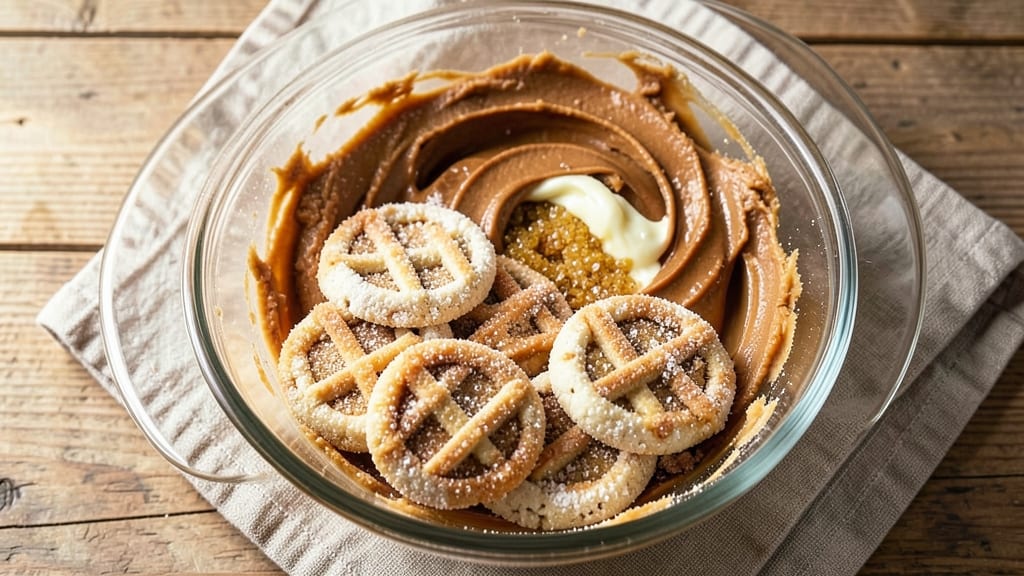
This barefoot contessa snickerdoodle cookie recipe captures Ina Garten’s signature snickerdoodles, blending cinnamon-sugar crunch with soft vanilla centers for a family favorite. The secret lies in the rolled cinnamon-sugar coating and a dough that's just tender enough to resist cracking while baking.
I've perfected this technique over years of holiday baking, ensuring every batch turns out with that signature rolled texture and melt-in-your-mouth consistency.
The process begins with a simple dough made from basic pantry staples—flour, butter, sugar, and eggs—mixed to a smooth, pliable consistency. What sets these apart is the cinnamon-sugar mixture used to coat each rolled dough ball before baking, creating those iconic cinnamon-sugar ridges that disappear into soft, chewy centers.
The key to success is using room-temperature ingredients and handling the dough gently to avoid overworking it.
By the time these cookies emerge from the oven, they'll be golden brown with crisp edges and tender, vanilla-scented centers that stay soft even after cooling. The aroma alone will have everyone gathering in the kitchen, and the first bite delivers that perfect balance of sweetness and spice.
These snickerdoodles are foolproof, with a technique that's easy to master and results that always impress.
Perfect for holiday gatherings, cookie exchanges, or a cozy dessert any night of the week. Once you try these, you'll understand why they've become a classic. Let's get baking!"
Ingredients for barefoot contessa snickerdoodle cookie
Simple pantry staples transform into Ina’s signature snickerdoodles with crisp edges and soft vanilla centers.
| Ingredient | Amount | Notes |
|---|---|---|
| Unsalted Butter 🧈 | 1 cup | Room temperature, salted works too |
| Granulated Sugar 🍚 | 1 cup | White or light brown |
| Packed Brown Sugar 🍚 | ½ cup | Light or dark variety |
| Large Eggs 🥚 | 2 whole | Room temperature preferred |
| All-Purpose Flour 🌾 | 2 ½ cups | Sifted for light texture |
| Pure Vanilla Extract 💧 | 1 tbsp | Imitation-free if possible |
| Ground Cinnamon 🌿 | 1 ½ tbsp | Freshly ground preferred |
| Granulated Sugar 🍚 | ½ cup | For cinnamon-sugar mix |
| Kosher Salt 🧂 | ½ tsp | Fine grain preferred |
| Baking Soda 🧪 | ½ tsp | Ensures proper rise |
| Vanilla Extract 💧 | 1 tsp | Extra for dough flavor |
The butter is non-negotiable here—room temperature is key for that perfect dough consistency. I grab Land O’Lakes unsalted from the grocery store, but any brand works as long as it’s softened. The vanilla extract? Pure, not imitation—it makes a difference, trust me. For the flour, King Arthur or Gold Medal are my go-tos, but honestly, whatever you’ve got will do. Just make sure it’s all-purpose, not cake flour. The cinnamon should smell fresh—if it’s been sitting in your spice rack for years, toast it for 30 seconds to wake up the flavor.
No vanilla extract? Vanilla bean paste or even vanilla sugar will work in a pinch. Short on brown sugar? White sugar plus a splash of molasses mimics the moisture. The cinnamon-sugar mix is where the magic happens—don’t skip the sugar in the coating, or you’ll miss those signature ridges. If you’ve got cinnamon sticks lying around, grind them fresh for an extra layer of warmth. The dough needs to be just soft enough to roll without sticking—if it cracks, it’s overworked. And yes, salted butter works, but unsalted gives you better control over the flavor.
These cookies keep for about 5 days in an airtight container, though they’ll disappear faster. For longer storage, freeze the dough balls (uncoated) on a tray, then transfer to a bag—bake straight from frozen. The cinnamon-sugar coating hardens as they cool, so let them sit for 10 minutes before storing. Double the batch—they’re that good. And if you’re feeling fancy, dust them with powdered sugar right after baking.
Why You'll Love This Recipe
- No-Fuss Mixing: The dough comes together in the bowl of your stand mixer—or even a big spoon and your hands—with just five ingredients. No fancy techniques, no measuring cups that make you question your life choices, just creamy butter, sugars, and flour that blend into something magical with minimal effort.
- Cinnamon-Sugar Magic: That classic snickerdoodle tang—warm, buttery dough wrapped in a cloud of cinnamon and sugar—is chef’s kiss every time. The brown sugar keeps them soft inside while the crisp edges make them impossible to resist. (Yes, I’ve been known to eat them straight from the dough.)
- Party Ready: These cookies freeze like a dream, so you can bake a batch on Sunday and pull them out for holiday gatherings, potlucks, or just because your coworker’s kid deserves a treat. They’re sturdy enough to travel, but they’ll still taste like you slaved over them.
- Budget-Friendly Staples: You’re already using pantry basics—no weird ingredients or pricey imports here. A stick of butter, a bag of sugar, and flour? That’s it. And because they keep well, you’ll have happy leftovers without breaking the bank. (Or your willpower.)
Step-by-step instructions for snickerdoodle cookies
Here's how to make these classic cinnamon-sugar cookies with a soft vanilla center.
Cream the Butter and Sugars
In a large mixing bowl, combine the 1 cup unsalted butter, 1 cup granulated sugar, and 0.5 cup packed brown sugar. Using an electric mixer on medium speed, beat everything together for about 3 minutes until light and fluffy. You'll know it's ready when the mixture nearly doubles in volume and looks pale and airy.
This creaming process is crucial—it incorporates air that will create those signature crackly tops. If you're using cold butter, let it sit at room temperature for about 30 minutes first so it's soft but not melted. Scrape down the sides of the bowl with a spatula every minute or so to ensure even mixing.
Add Eggs and Vanilla
Add the 2 whole large eggs, one at a time, mixing well after each addition. Then stir in the 1 tbsp pure vanilla extract and 1 tsp vanilla extract. Mix until fully combined, about 1 minute total. The mixture should look smooth and slightly thickened.
Here's the thing—room temperature eggs blend more easily and create a smoother dough. If your eggs are straight from the fridge, let them sit in warm water for 5 minutes first. This step also ensures the vanilla flavor is evenly distributed throughout the dough.
Combine Dry Ingredients
In a separate bowl, whisk together the 2.5 cups all-purpose flour, 0.5 tsp kosher salt, 0.5 tsp baking soda, and 1.5 tbsp ground cinnamon. Then gradually add this dry mixture to the wet ingredients, mixing on low speed until just combined. Be careful not to overmix—you want to see a few flour streaks remaining.
Overmixing develops gluten and can make your cookies tough. The dough should come together into a soft, slightly sticky ball. If it's too dry, add 1 tablespoon of milk or water. This is where the cinnamon gets evenly distributed, giving those cookies their signature flavor.
Prepare the Cinnamon-Sugar Coating
In a small bowl, mix together the 0.5 cup granulated sugar and 1.5 tbsp ground cinnamon. This is your coating mixture that will give the cookies their signature cinnamon-sugar crunch. Set this aside while you roll the dough.
For best results, use freshly ground cinnamon—the flavor is noticeably more potent. If you're making a big batch, you might want to double this mixture so you have enough for all your cookies. The coating should be fine and powdery, not clumpy.
Shape and Roll the Cookies
Using a cookie scoop or tablespoon, portion out the dough into 1.5-inch balls (about 2 tablespoons each). Roll each ball in the cinnamon-sugar mixture until fully coated. Place the coated dough balls about 2 inches apart on ungreased baking sheets.
Don't worry if they look messy—they'll spread and look perfect when they come out of the oven. For even baking, rotate the pans halfway through the baking time. The cookies should be about 2 inches apart to allow for spreading.
Bake to Golden Perfection
Preheat your oven to 375°F. Bake the cookies for 9-11 minutes, or until the edges are set and just beginning to turn golden. The centers should still look slightly soft when you remove them from the oven—they'll firm up as they cool.
Watch them closely in the last minute—they go from perfect to overdone fast. When you tap the bottom of a cookie, it should sound hollow. Let them cool on the baking sheet for 5 minutes before transferring to a wire rack to cool completely. Enjoy them warm for the best texture!
Pro Tips For Making Barefoot Contessa Snickerdoodle Cookie
- MEASURE BROW SUGAR RIGHT: Pack it down in the cup—don’t scoop. I used to eyeball it, and my cookies turned out either too dry or too sticky. Use a spoon to press it firmly into the measuring cup, then level it off. That extra density makes all the difference in the chewy texture these cookies are famous for.
- CREAM BUTTER AND SUGARS COLD: Take the butter straight from the fridge, cut it into chunks, and mix it with the sugars in a stand mixer or by hand. Warm butter makes for a greasy dough that spreads too much. If the mixture feels too soft, pop the bowl in the fridge for 10 minutes—your future self will thank you for the thicker cookies.
- ROLL DOUGH IN A BALL FIRST: Before scooping, gather the dough into a loose ball and roll it into a log. This evens out the texture and prevents air pockets that can make cookies spread unevenly. Use a ruler to cut 1½-inch pieces—consistency matters more than you’d think for that perfect snickerdoodle shape.
- BAKE ONE SHEET AT A TIME: Crowding the pan turns your snickerdoodles into pancakes. Space them 2 inches apart on the middle rack, and resist the urge to stack sheets. The oven’s heat circulates better with one tray in there, giving you that crispy edge and soft center every time. Yes, it takes longer, but it’s worth it.
Pro cooking tips for perfect results
Butter Temperature Matters
The butter must be room temperature—not melted, not cold—when you start creaming. I test it by pressing a finger into the butter: if it leaves a slight indent but doesn’t smear, it’s perfect.
Cold butter won’t incorporate air properly, and melted butter will make your dough too soft to handle. If your kitchen is chilly, let the butter sit out for 30-45 minutes before starting. 🌡️
Pro tip: If your butter is still too firm, microwave it in 5-second bursts until just softened. Never melt it completely—this changes the texture entirely. I’ve ruined batches by skipping this step, so don’t overlook it!
Dough Consistency Check
Your dough should be soft but not sticky—it should hold together when pressed but still be pliable. If it cracks when rolling, you’ve overworked it. The moment it starts to feel tough, stop mixing.
For extra insurance, chill the dough for 15 minutes before rolling if your kitchen is warm. This prevents excessive spreading in the oven. ✨
Too dry? Add 1 tablespoon of milk or water at a time until it comes together. Too sticky? Chill it longer. The goal is a dough that rolls cleanly without tearing—this ensures those perfect cinnamon-sugar ridges.
Cinnamon-Sugar Coating Trick
Use a fine-mesh sieve to dust the cinnamon-sugar coating over the dough balls instead of rolling them directly in the bowl. This creates a lighter, more even layer that sticks better and gives a professional-looking finish. Tap the sieve gently over the dough to avoid clumping. 🍚
For extra crunch, sprinkle a pinch of coarse sugar (like turbinado) into the cinnamon-sugar mix. The contrast of textures adds depth to every bite. Store any leftover coating in an airtight container for up to 2 weeks—it’s perfect for future batches!
Baking Time Precision
Bake at 375°F for 9-11 minutes—no more, no less. The edges should be set but still slightly soft, with just a hint of golden color. Overbaking dries out the centers. If your oven runs hot, reduce the temperature by 25°F and bake for the full 11 minutes. 🔥
Rotate the pans halfway through baking for even heat distribution. The cookies are done when they pull away slightly from the edges of the pan but still look soft in the middle. Let them cool on the sheet for 5 minutes before transferring—they’ll firm up as they rest.
Vanilla Extract Boost
Use pure vanilla extract, not imitation. The difference in flavor is night and day—imitation lacks the depth and complexity that makes these cookies special. For an extra layer of flavor, add ½ teaspoon of vanilla bean paste along with the extract.
It’s worth the splurge for holidays or special occasions. 💧
If you’re short on vanilla, a vanilla sugar substitute (mix 1 tablespoon sugar with ¼ teaspoon vanilla extract) works in a pinch. Just don’t skip it entirely—the vanilla is what balances the cinnamon’s warmth.
Nutrition facts
Frequently asked questions
Why do Barefoot Contessa snickerdoodles have ridges?
The signature ridges come from rolling each dough ball in cinnamon-sugar before baking. The coating creates those beautiful patterns as the dough expands. For even coverage, use a fine-mesh sieve to dust the mixture over the balls instead of rolling them in a bowl. This ensures a lighter, more professional finish.
Can I make these cookies without eggs?
Yes! Replace the 2 eggs with 2 tablespoons of applesauce or mashed banana plus 1 teaspoon of baking powder for structure. The texture will be slightly denser but still delicious. For a neutral flavor, use unsweetened applesauce. These substitutions work best for dietary restrictions but won't replicate the original's tender crumb.
How do I store leftover cookies?
Let cookies cool completely, then place them in an airtight container with parchment paper between layers. They'll stay fresh for 5 days at room temperature or 3 months in the freezer. For extra crunch, reheat for 10 seconds in the microwave before serving. The cinnamon-sugar coating hardens as they cool, so store them at room temperature for best texture.
Why did my cookies spread too much?
Over-spreading usually means the butter was too soft or the dough was overworked. Chill the dough for 15 minutes before rolling if your kitchen is warm, and use 1.5-inch scoops for consistent size. Also, make sure your oven is fully preheated—cold pans can cause uneven baking. For thicker cookies, bake at 350°F instead of 375°F.
Can I use this dough for other treats?
This versatile dough works for cinnamon rolls or twists. For rolls, flatten the dough, spread with cream cheese frosting, roll up, and slice before baking. For twists, divide the dough into ropes, twist them, and bake as directed. The same cinnamon-sugar coating adds great flavor to both variations. Double the recipe for extra treats!