Side Dishes
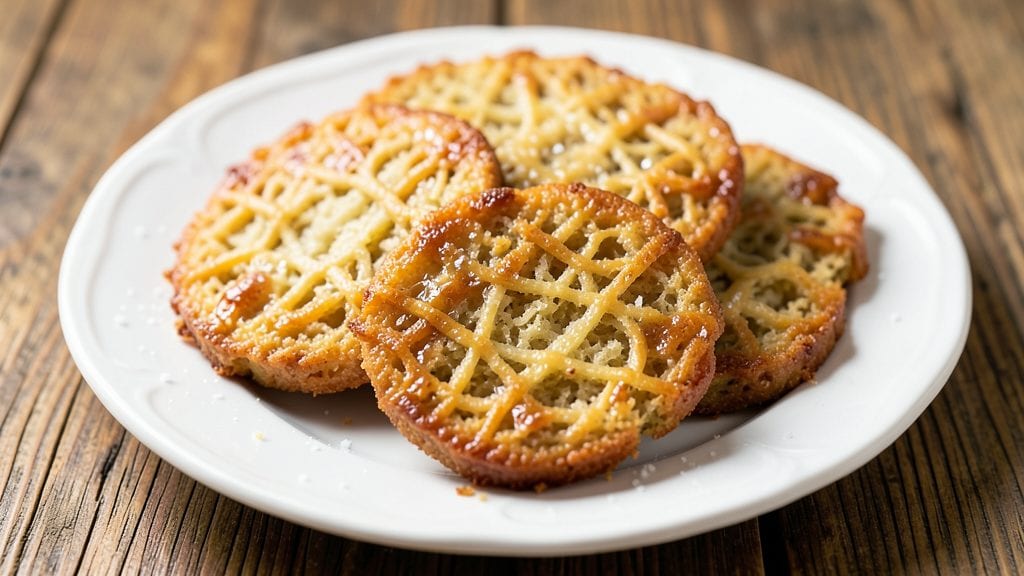
This German potato cookies recipe delivers the perfect balance of crispy edges and tender centers with a buttery vanilla swirl that feels like a hug from a German bakery. The secret lies in the grated potato, which creates a delicate texture while keeping the cookies light and flaky.
I first discovered this recipe while researching traditional German Kartoffelplätzchen, and the subtle sweetness with a hint of vanilla makes it a crowd-pleaser.
The dough is surprisingly simple to mix, requiring just a few ingredients that come together in under 15 minutes. The key is chilling the dough before rolling and cutting—this ensures clean shapes and prevents spreading.
Once baked at 350°F, the edges turn golden while the centers stay soft, with pockets of vanilla butter melting into every bite.
What makes these cookies special is their versatility—they’re perfect for holiday gatherings, afternoon tea, or as a sweet treat with coffee. The buttery vanilla swirl adds a touch of elegance without overpowering the delicate potato flavor.
Once you try them, you’ll understand why this recipe has been passed down through generations.
Pair them with a cup of strong black coffee or serve alongside a slice of sharp cheddar for a classic German pairing. The crispy edges and tender centers make them impossible to resist—just one bite and you’ll be reaching for another.
Ingredients for german potato cookies
Nine simple ingredients transform into delicate German potato cookies with crisp edges and buttery swirls.
| Ingredient | Amount | Notes |
|---|---|---|
| Russet Potatoes 🥔 | 2 medium | Peeled and finely grated |
| Unsalted Butter 🧈 | 1 cup | Cold, cubed for dough |
| Granulated Sugar 🍚 | ¾ cup | White or brown preferred |
| Large Eggs 🥚 | 2 whole | Room temperature |
| All-Purpose Flour 🌾 | 2 cups | Sifted for light texture |
| Pure Vanilla Extract 🍯 | 1 tbsp | High-quality for flavor |
| Baking Powder 🍞 | 1 tsp | Ensures proper rise |
| Salt 🧂 | ½ tsp | Fine sea salt preferred |
| Vanilla Bean Paste 🍯 | 1 tbsp | For enhanced vanilla flavor |
| Vanilla Ice Cream 🍦 | ½ cup | For swirl, softened |
| Powdered Sugar 🍚 | ¼ cup | For dusting cookies |
The russet potatoes are the foundation—freshly grated yields the best texture, so avoid pre-shredded bags. Idaho russets from the grocery store's produce section work perfectly, but organic potatoes have fewer impurities. Grate them on the fine side of a box grater, then squeeze out excess moisture with a clean kitchen towel. For the butter, European-style unsalted brands like Plugrá or President melt beautifully and add richness. If you can't find those, any good-quality unsalted butter will do, just make sure it's cold when you start mixing.
No vanilla bean paste? Double the pure vanilla extract—it won't be identical but works in a pinch. Substituting vanilla sugar? Use half the amount since it's already infused. For the ice cream swirl, vanilla bean or French vanilla work best, but any flavor will add moisture. If you're avoiding dairy, softened coconut ice cream creates a similar effect. The powdered sugar is purely decorative, but if you prefer a sweeter cookie, add 1-2 tbsp more granulated sugar to the dough. Store-bought vanilla extract is fine, but Madagascar bourbon vanilla elevates the flavor dramatically.
This dough must chill at least 2 hours—overnight is ideal—for clean cutting. Wrap tightly in plastic wrap to prevent drying. Once baked, cookies stay fresh 5 days in an airtight container at room temperature. For longer storage, freeze unbaked dough balls for up to 3 months. The vanilla ice cream swirl keeps best when added fresh, but you can pipe it onto cooled cookies if needed. Dust with powdered sugar right before serving to preserve that bakery-fresh look.
Why You'll Love This Recipe
- No Peel, No Stress: I swear by the "grate-and-go" method—just scrub those Russets, slice them raw, and toss them in boiling water for 10 minutes. No peeling, no fuss, and the texture comes out tender every time.
- Buttery Sweet Magic: That perfect balance of warm cinnamon, melted butter, and just enough sugar? It’s like a hug in cookie form. The eggs bind it all together so the cookies stay soft but hold their shape—no crumbly mess here.
- Holiday or Snack Attack: These disappear faster than I can say "second helping." Package them in jars for Christmas gifts, stash them in the freezer for quick breakfasts, or serve them warm with coffee—no one will guess they’re basically a dessert made from potatoes.
- Pantry Staple Power: Russets and flour? You’ve got those. Butter and sugar? Basic. The eggs are the only thing I might need to buy extra, but honestly, they’re worth it. Leftovers? They last a week in the fridge or freeze like a dream—just reheat until crispy.
Step-by-step instructions for German potato cookies
Here's how to achieve that perfect balance of crispy edges and tender centers with a rich vanilla swirl.
Prepare the Potato Base
Peel the 2 medium russet potatoes and grate them finely using a box grater or food processor. Place the grated potatoes in a clean kitchen towel and squeeze out all excess moisture—this step is crucial for preventing soggy cookies. Spread the potatoes on a baking sheet and let them sit for 30 minutes while you prepare the rest of the dough. The drying time ensures the cookies will have that signature crispy texture.
While the potatoes dry, measure out the 1 cup unsalted butter and let it soften at room temperature. This butter will create the rich, buttery flavor that defines these cookies. If you're in a hurry, you can place the butter between two sheets of parchment paper and microwave it in 10-second intervals until just softened—never melted. The butter should be pliable but still hold its shape when pressed.
Mix the Dough
In a large mixing bowl, combine the 2 cups all-purpose flour, 1 teaspoon baking powder, and 0.5 teaspoon salt. Sift the dry ingredients together to aerate the flour, which helps create a lighter texture in the final cookies. In a separate bowl, cream together the softened 1 cup unsalted butter, 0.75 cup granulated sugar, and the 2 whole large eggs using an electric mixer on medium speed for 3-4 minutes. The mixture should become light and fluffy, nearly doubling in volume.
Add the 1 tablespoon pure vanilla extract and 1 tablespoon vanilla bean paste to the butter mixture and mix until fully incorporated. The vanilla bean paste will add depth of flavor that regular extract can't match. Gradually add the dry ingredients to the wet mixture, mixing on low speed until just combined. Be careful not to overmix—stop as soon as the flour disappears. Fold in the dried grated potatoes using a spatula, ensuring they're evenly distributed throughout the dough.
Create the Vanilla Swirl
Scoop out 0.5 cup vanilla ice cream from the center of the dough and place it in a small bowl. The ice cream should be softened but still hold its shape—if it's too hard, let it sit at room temperature for 5-10 minutes. Using a spoon, gently mix the ice cream with 1 tablespoon of the vanilla bean paste to enhance its flavor. This mixture will create the signature swirl that melts into a creamy center when baked.
Form the dough into a log about 12 inches long and 3 inches in diameter. Using a sharp knife, make a deep vertical cut down the center of the log, being careful not to cut all the way through. Gently press the vanilla ice cream mixture into the center of the split dough, then fold the dough back over the ice cream and seal it tightly. Wrap the dough log in plastic wrap and refrigerate for at least 1 hour, or up to 24 hours. Chilling the dough makes it easier to slice and prevents the cookies from spreading too much in the oven.
Bake to Crispy Perfection
Preheat your oven to 350°F. Line two baking sheets with parchment paper and set them aside. Using a sharp knife, slice the chilled dough log into ¼-inch thick rounds. Place the cookies 2 inches apart on the prepared baking sheets—this gives them room to spread slightly without touching each other. Bake for 12-15 minutes, rotating the sheets halfway through, until the edges are golden brown and the centers look slightly underdone. The ice cream will melt and create a creamy pocket, so avoid overbaking.
Remove the cookies from the oven and let them cool on the baking sheets for 5 minutes before transferring them to a wire rack. While still warm, dust the cookies generously with 0.25 cup powdered sugar using a fine-mesh sieve. The powdered sugar adds a delicate sweetness and helps create that signature finish. Serve the cookies warm for the best texture—they'll be crispy around the edges with a tender, gooey center that melts in your mouth.
Pro Tips For Making German Potato Cookies
- GRATE POTATOES DRY: Russets hold more moisture than you’d think, and wet grated potato turns your dough into a gummy mess. After grating, spread the shreds on a clean kitchen towel or paper towels and press gently—this removes enough liquid to keep your cookies tender but not doughy. (Yes, even if you’re impatient like me, give it 5 minutes.)
- USE COLD BUTTER: I learned this the hard way—melting the butter first makes the dough too soft, and your cookies spread into sad, flat pancakes. Cut the unsalted butter straight from the fridge into small cubes, then mix it in with the sugar and eggs. The cold fat creates pockets of steam during baking, giving you that classic fluffy texture.
- WEIGH THE FLOUR: Scooping flour from the bag packs it down, and packed flour = dense cookies. Use a kitchen scale for the all-purpose flour—level it off in the cup, then weigh it. For this recipe, aim for about 120 grams (about 1 cup, but don’t guess). Your cookies will thank you with a lighter crumb.
- BAKE IN BATCHES: Overcrowding the pan steams the cookies instead of browning them. Arrange them 2 inches apart on the sheet—yes, it looks sparse, but trust the process. Rotate the pan halfway through baking (around 12–15 minutes at 350°F) to ensure even golden color. Your future self will thank you when they’re crisp at the edges.
Common mistakes when making your german potato cookies
Overmixing the Dough
I’ve seen this happen more times than I can count—once you add the flour, it’s tempting to mix until everything looks perfect. But overmixing develops gluten, which makes these delicate cookies tough instead of tender.
Stop mixing as soon as the flour disappears—your dough should look slightly shaggy, not smooth. If you’re unsure, use a spatula to gently fold in the last bit of flour by hand. 💡
Skipping the Chill
Chilling the dough for at least 1 hour (or overnight) is non-negotiable. Without it, the cookies spread wildly and lose their signature shape. I once baked these without chilling and ended up with sad, flat discs instead of the crisp rounds I wanted.
Place the dough log in the freezer for 20 minutes if you’re short on time—it works in a pinch.
Using Warm Butter
If your butter is too soft or melted, the cookies will spread excessively and turn greasy. Always use butter that’s softened but still holds its shape when pressed. To test, press a piece between your fingers—it should dent slightly but not flatten completely.
If your kitchen is warm, pop the butter in the fridge for 10 minutes before mixing.
Overbaking the Cookies
These cookies rely on a tender center from the melted ice cream swirl, so baking them until fully set ruins the texture. Pull them out when the edges are just golden (12-15 minutes) and the centers still look slightly underdone.
The residual heat will finish cooking them as they cool. I’ve learned this the hard way—overbaked cookies turn dry and lose that melt-in-your-mouth magic. ✨
Not Drying the Potatoes
Excess moisture in the grated potatoes leads to dense, gummy cookies. After grating, always squeeze the potatoes dry in a clean towel and spread them on a baking sheet to dry for 30 minutes.
I once skipped this step and ended up with cookies that tasted more like potato pancakes than delicate treats. Trust me, the extra 5 minutes of drying time is worth it.
Ignoring the Ice Cream Texture
The ice cream swirl needs to be softened but not melted—too hard, and it won’t blend smoothly; too soft, and it’ll leak out during baking. If your ice cream is rock-solid, let it sit at room temperature for 5-10 minutes before mixing.
I’ve had to scrap entire batches when the ice cream turned to soup in the oven. A quick taste test (yes, really) ensures it’s at the right consistency.
Nutrition facts
Frequently asked questions
Why do these cookies need grated potato?
The grated potato creates a delicate, melt-in-your-mouth texture that's lighter than traditional cookies. It also adds a subtle earthy sweetness that balances the buttery vanilla flavor. The key is drying the potatoes thoroughly to prevent soggy cookies—this step transforms them from dense to crispy-edged perfection.
Can I make these cookies without ice cream?
Yes! Replace the ice cream with ½ cup softened cream cheese mixed with 1 tbsp vanilla extract for a similar creamy center. For a dairy-free option, use ½ cup coconut yogurt with 1 tbsp vanilla bean paste. The texture will be slightly different but still delicious.
How do I store leftover cookies?
Keep them fresh in an airtight container at room temperature for up to 5 days. For longer storage, freeze unbaked dough balls for 3 months—bake straight from frozen, adding 1-2 extra minutes to the baking time. Reheat briefly in a 300°F oven for 3-5 minutes to restore crispiness.
What's the best way to shape the dough?
Roll the chilled dough log into a 12-inch log with a 3-inch diameter for even slices. Use a sharp knife dipped in flour to cut ¼-inch thick rounds—this ensures consistent baking. For decorative shapes, use cookie cutters after chilling, but they'll be slightly thicker. The key is keeping the dough cold to prevent spreading.
Are these cookies gluten-free?
Unfortunately, no—the recipe requires all-purpose flour for the signature tender texture. For a gluten-free version, substitute with a 1:1 gluten-free flour blend (like Bob's Red Mill) and add ½ tsp xanthan gum**. Expect slightly denser cookies, but the flavor remains excellent. Always test gluten-free flours first in small batches.