Desserts
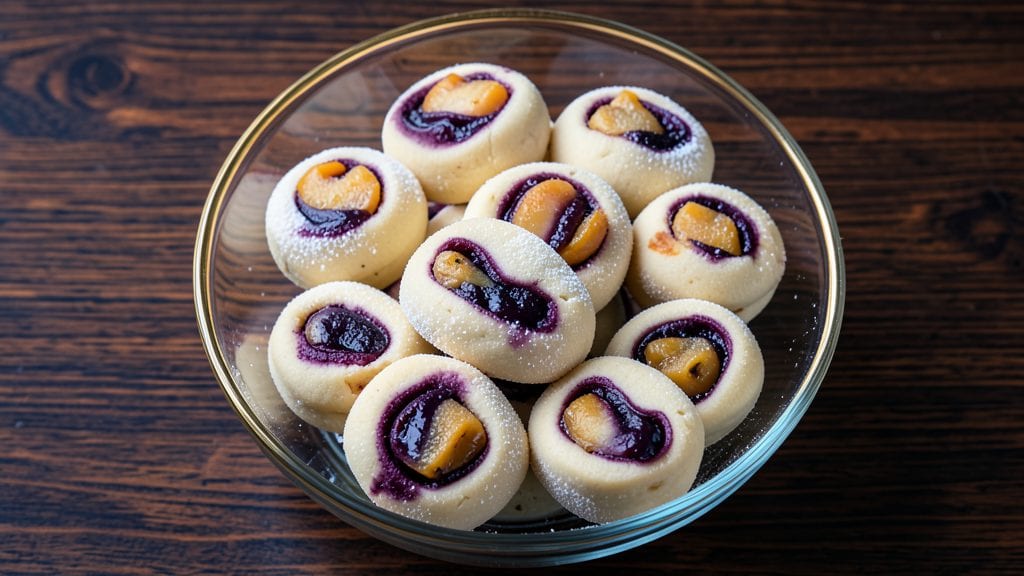
Filipino cookies recipe brings the vibrant flavors of the Philippines to your kitchen with chewy ube and langka magic that's impossible to resist. These cookies blend sweet purple yam and jackfruit into a tender, melt-in-your-mouth treat that's become a favorite across generations.
The secret lies in precise ingredient ratios and gentle baking techniques that preserve their signature chewiness.
What makes these cookies truly special is their cultural heritage—traditionally made with natural ingredients like ube halaya (purple yam jam) and fresh langka (jackfruit). The dough comes together in just 15 minutes of mixing, but the magic happens during the slow bake that develops deep caramelized flavors.
Each batch yields about 24 cookies, perfect for sharing or stashing in airtight containers.
The result is a cookie that's soft yet sturdy, with a delicate crumb and subtle floral notes from the ube. The natural sweetness of langka balances the earthy yam, creating a flavor profile that's both comforting and sophisticated.
These cookies pair beautifully with warm milk or coffee, making them ideal for afternoon treats or holiday gatherings.
Whether you're baking for a special occasion or simply craving a taste of home, this recipe delivers authentic Filipino flavor with modern convenience. The ingredients are accessible, and the process is straightforward—just be patient with the baking time to achieve that perfect chewy texture.
Let's get started on creating these delicious treats!
Ingredients for filipino cookies
Purple yam jam and jackfruit bring Filipino magic to your cookie jar with just 11 ingredients.
| Ingredient | Amount | Notes |
|---|---|---|
| Ube Halaya (Purple Yam Jam) 🍠 | 1 ½ cups | Store-bought or homemade preferred |
| Fresh Langka (Jackfruit) Pulp 🍈 | 1 cup | Young, firm jackfruit only |
| All-Purpose Flour 🌾 | 2 ½ cups | Sifted for light texture |
| Unsalted Butter 🧈 | 1 cup | Softened, full-fat preferred |
| Granulated Sugar 🍚 | 1 cup | White or light brown |
| Large Eggs 🥚 | 2 whole | Room temperature |
| Vanilla Extract 🌸 | 1 tbsp | Pure, high-quality |
| Baking Soda 🧪 | ½ tsp | For lift and chewiness |
| Salt 🧂 | ¼ tsp | Fine sea salt |
| Sweetened Condensed Milk 🥛 | ½ cup | Canned, full-fat |
| Shredded Coconut 🥥 | ½ cup | Sweetened, toasted optional |
The ube halaya is non-negotiable—store-bought works fine, but homemade adds depth. Grab the jarred kind at Asian markets or specialty stores like H Mart, where it's usually labeled as purple yam jam. Fresh langka (young jackfruit) is trickier to find, so canned in syrup is your backup. Drain it well and pat dry. For the butter, Land O'Lakes or Plugrá are reliable, but any full-fat brand keeps the cookies tender. The shredded coconut? Sweetened is traditional, but unsweetened works if you're watching sugar.
No ube halaya? Sweet potato puree plus a splash of violet food coloring gets you close. Jackfruit unavailable? Mango puree or canned pineapple adds sweetness, though it won't mimic the exact texture. Short on butter? Coconut oil at the same amount keeps it dairy-free. The baking soda and salt are critical—don't swap for baking powder. For a nutty twist, fold in 1/4 cup chopped macadamia nuts or toasted sesame seeds. And if you're feeling fancy, add 1/2 tsp pandan extract to the dough for that authentic Filipino aroma.
These cookies need patience—they're best baked at 325°F for 18-20 minutes, not rushed. Store in an airtight container with parchment between layers to keep them soft. They keep for 5 days at room temperature or 2 weeks refrigerated. Freeze extras for 3 months—just thaw at room temp before serving. Pro tip: Spritz with a little ube liqueur or orange juice after baking for extra moisture.
Why You'll Love This Recipe
- No Mixer Needed: The dough comes together with just your hands—no stand mixer, no fuss. Between us, I’ve made this recipe in my kitchen while chatting with friends, and the texture turns out perfectly tender every time. The butter and sugar cream in seconds when you use cold hands, and the ube and langka add moisture without extra work.
- Sweet & Tangy Magic: That first bite of purple swirl with the bright, floral jackfruit? It’s like dessert meets tropical vacation. Honestly, the cookies taste even better the next day when the flavors meld—crispy edges, chewy centers, and a hint of caramelized sugar. My kids fight over them, and I don’t even bake cookies often.
- Party in a Box: These are my go-to for gatherings because they’re ridiculously adaptable. Package them in clear boxes for birthdays, stack them on a platter for holidays, or even slice them thin for tea time. (Yes, even on a Tuesday night, they’ll impress.) The ube gives them that Instagrammable color, but the jackfruit keeps it from being too sweet.
- Budget-Friendly Luxury: You’d never guess how affordable this is—ube halaya and jackfruit pulp stretch the dough just right, so you get way more cookies than a standard recipe. Plus, they keep for days in an airtight container, meaning fewer grocery runs and more time enjoying them. My wallet and taste buds win.
Step-by-step instructions for Filipino cookies recipe
Here's how to make these chewy, vibrant cookies that balance sweet ube and tropical jackfruit flavors perfectly.
Mix Wet Ingredients Until Smooth
In a large mixing bowl, combine the 1.5 cups ube halaya with the 1 cup fresh langka pulp. Stir until fully blended—the mixture should be thick but pourable. This is your flavor base, so take your time here to ensure even distribution of those vibrant colors.
Next, add the 1 cup softened butter and 1 cup granulated sugar to the bowl. Use a hand mixer or stand mixer on medium speed for about 2-3 minutes until the mixture becomes light and fluffy. You'll notice it nearly doubles in volume as air is incorporated—this creates that signature chewy texture. Scrape down the sides of the bowl occasionally to ensure everything gets mixed evenly.
Add Eggs and Flavorings
Crack in the 2 whole large eggs one at a time, mixing well after each addition. The eggs will help bind all the ingredients together and add structure to the cookies. After the eggs are incorporated, add the 1 tablespoon vanilla extract, 0.5 cup sweetened condensed milk, and 0.5 cup shredded coconut.
Mix on low speed just until combined—you don't want to overwork the batter. The coconut adds a delightful texture contrast, while the condensed milk deepens the sweetness and helps create that signature moist center. At this point, your batter should be thick but still spreadable, with visible swirls of purple and orange from the ube and langka.
Combine Dry Ingredients
In a separate bowl, whisk together the 2.5 cups all-purpose flour, 0.5 teaspoon baking soda, and 0.25 teaspoon salt. Sifting the flour first helps prevent lumps and ensures your cookies have a light, airy texture. I like to use a fine-mesh sieve for this step—it really makes a difference in the final texture.
Gradually add the dry ingredients to the wet mixture, mixing on low speed just until combined. Be careful not to overmix—you should still see some flour streaks in the batter. The baking soda will help lift the cookies as they bake, while the salt balances all the sweetness. Once fully incorporated, fold in any remaining shredded coconut if needed to ensure even distribution.
Chill the Dough
Cover the mixing bowl with plastic wrap and refrigerate for at least 1 hour, or up to 24 hours. Chilling the dough is crucial—it prevents the cookies from spreading too much in the oven and helps intensify the flavors. The longer you chill, the more pronounced the ube and jackfruit flavors will be when baked.
While the dough chills, preheat your oven to 350°F. Line two baking sheets with parchment paper or silicone baking mats. The dough will be thick and sticky, but don't worry—it's supposed to be that way. When ready to bake, scoop the dough into 1-tablespoon portions (about 24 cookies total) and place them 2 inches apart on the prepared baking sheets.
Bake to Golden Perfection
Bake the cookies for 12-14 minutes until the edges are light golden brown but the centers still look slightly underdone. They'll continue cooking as they cool on the baking sheet. The key here is to watch closely—they should be soft and chewy, not crispy. If they start to brown too quickly, you can tent them loosely with foil.
Remove the cookies from the oven and let them cool on the baking sheets for 5 minutes before transferring to a wire rack to cool completely. The centers should be soft and slightly sticky, with a beautiful purple and orange swirl from the ube and jackfruit. These cookies are best enjoyed fresh from the oven, but they'll keep in an airtight container at room temperature for up to 5 days. The flavors only get better as they sit!
Pro Tips For Making Filipino Cookies
- Mash the Langka: Use a fork or potato masher to break up the fresh jackfruit pulp—don’t blend it smooth. You want tiny chunks, not paste, or your cookies turn out gummy instead of tender. I learned this after my first batch came out like a sad, sticky brick.
- Chill the Dough: Wrap the dough in plastic and refrigerate for at least 30 minutes before baking. Cold dough spreads less, so your cookies keep their shape and don’t flatten into sad pancakes. (Yes, I’ve seen it happen—twice.)
- Whip the Butter: Beat the unsalted butter and sugar until light and fluffy, not just creamy. Think soft peaks, not soup. This keeps your cookies moist and prevents them from tasting like a dry, crumbly mess. My grandmother called it the “happy butter” step, and she wasn’t wrong.
- Rotate the Pan: Swap the baking sheets halfway through—front to back, not just top to bottom. The oven’s hot spots will bake your cookies evenly, so no half-raw centers or over-charred edges. I used to ignore this, and half my batch would look like it was sunbathing while the other half was still dough.
Essential equipment for filipino cookies
Mixing Essentials
Start with a stand mixer like the KitchenAid Artisan Series (I use the 5-quart model) for creaming butter and sugar—its powerful motor handles the dense ube mixture better than hand mixers.
The K-beater attachment is perfect for incorporating air without overmixing. For smaller batches, a hand mixer with 10-speed control (like the Bosch Universal Plus) works well. 💡
Measuring Tools
Precision matters with these cookies—use a digital kitchen scale (I recommend the OXO Good Grips) for accurate measurements of ube halaya and langka pulp. For dry ingredients, a stainless steel measuring cups set (like Farberware) ensures consistent volume.
A microplane comes in handy for grating fresh ube if you're making halaya from scratch. Never pack flour—spoon it into the cup and level off.
Baking Sheets
Invest in heavy-duty half-sheet pans (like Wilton Premium)—they distribute heat evenly and prevent warping. Line them with silicone baking mats (I use Amazon Basics) for easy release and no sticking.
If you prefer parchment paper, Kraft brand (unbleached) works best—it's sturdy enough to handle the sticky dough. Avoid glass pans; they bake faster and can burn the edges.
Chilling Gear
For the 1-24 hour chill, use airtight glass containers (like Pyrex Simply Store) to prevent flavor absorption. Wrap the bowl tightly with plastic wrap pressed directly against the surface to minimize drying.
A cooling rack (preferably wire mesh) helps dough cool evenly after chilling—just place it over a baking sheet to catch any drips. 🥶
Cookie Scoop
Uniform cookies require a cookie scoop—I use a 3-tablespoon stainless steel disher (like OXO Good Grips) for consistent portions. For extra decoration, keep a small offset spatula handy to gently press coconut into the tops before baking.
A bench scraper helps clean up any stubborn dough clinging to the bowl edges.
Storage Solutions
Store baked cookies in stackable silicone containers (like Rubbermaid Food Storage) with parchment paper between layers to maintain softness. For freezing, use quart-sized freezer bags (I prefer Stasher bags)—squeeze out excess air and label with dates.
A vacuum sealer (like FoodSaver) extends freshness to 4 months by preserving moisture and preventing freezer burn. 🧊
Nutrition facts
Frequently asked questions
What makes these Filipino cookies different from regular cookies?
These cookies stand out with their vibrant ube (purple yam) and langka (jackfruit) flavors, giving them a naturally sweet, floral taste that's distinct from vanilla or chocolate varieties. The dough also contains condensed milk and coconut, creating a chewy, moist texture that's more tender than traditional crispy cookies. Plus, they're often baked at a lower temperature for a longer time to develop deeper caramelized flavors.
Can I substitute ube halaya with something else?
Yes! If you can't find ube halaya, try sweet potato puree mixed with violet food coloring or mashed purple sweet potatoes**. For a similar sweetness level, you could also use 1 cup mashed ripe bananas plus 1/2 cup apricot jam. Just note that the color and flavor won't be identical, but it'll still taste delicious. The key is maintaining the sweet, earthy base that balances the jackfruit.
Why do I need to chill the dough?
Chilling the dough for at least 1 hour (or up to 24 hours) is crucial because it prevents the cookies from spreading too much in the oven. It also helps intensify the flavors and creates a more uniform texture. The longer you chill, the more pronounced the ube and jackfruit flavors will become. Plus, cold dough is easier to handle—it won't stick to your hands or the scoop as much.
How do I store these cookies to keep them soft?
Store them in an airtight container with parchment paper between layers to maintain moisture. They'll stay fresh at room temperature for 5 days. For longer storage, refrigerate for up to 2 weeks or freeze for 3 months. To revive frozen cookies, let them sit at room temperature for 10-15 minutes before serving. Avoid plastic bags—they trap too much moisture and can make the cookies soggy.
Can I make these cookies without eggs?
Yes! For an egg-free version, replace the 2 eggs with 1/4 cup unsweetened applesauce or 1/4 cup melted coconut oil. The texture will be slightly denser, but still chewy. If you're also avoiding dairy, use coconut oil instead of butter and almond milk for the condensed milk (reduce to 1/4 cup to maintain sweetness). The baking soda will still help lift the cookies, so no need to adjust that amount.