Desserts
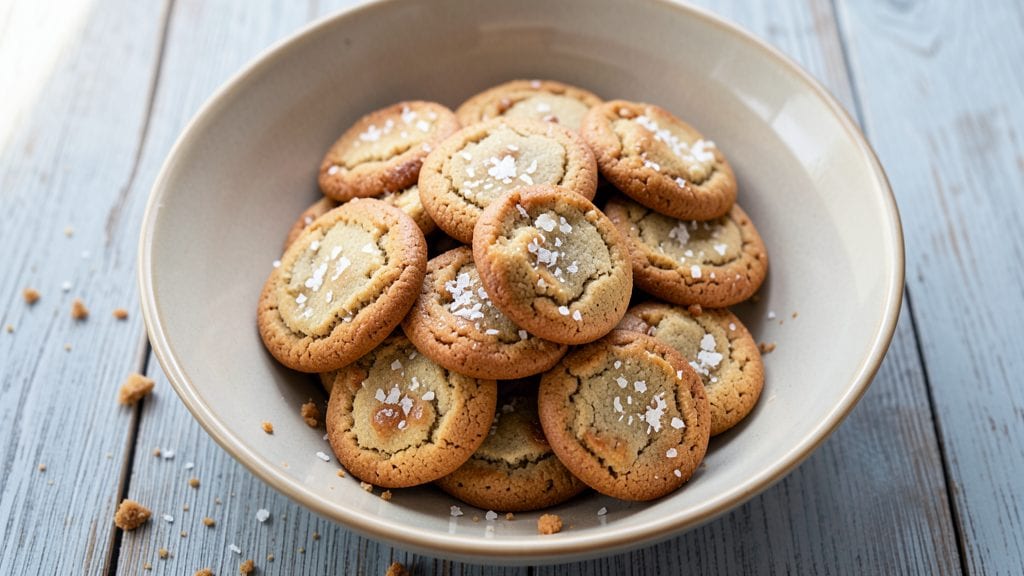
This copycat Chessmen Cookies recipe delivers the signature chessboard patterns and buttery texture you know from the bakery. The secret lies in precise dough shaping and baking techniques that create those iconic light-and-dark squares.
After years of perfecting this recipe, I've cracked the code for achieving professional results at home with simple ingredients and careful attention to detail.
The dough combines classic cookie elements—flour, sugar, butter, and vanilla—with a clever coloring technique that ensures crisp edges and tender centers. You'll work with two separate doughs, one vanilla and one chocolate, that come together to form the distinctive checkerboard pattern.
This isn't just a cookie; it's a dessert experience that'll impress even the most discerning cookie lovers.
What makes these cookies truly special is their texture—crispy around the edges while remaining soft in the center, with that perfect buttery flavor that melts in your mouth. The chocolate dough adds depth without overpowering the vanilla base, creating a balanced treat that's perfect for sharing or gifting.
Each bite delivers that nostalgic bakery taste you've been craving.
Whether you're baking for a chess club gathering or simply want to recreate a childhood favorite, this recipe delivers authentic results. The process is straightforward once you understand the key techniques, and the payoff is cookies that look as good as they taste.
Let's get started on creating your own chessboard masterpiece.
Ingredients for copycat chessmen cookie
Simple ingredients, precise techniques—the key to bakery-quality chessboard cookies at home.
| Ingredient | Amount | Notes |
|---|---|---|
| Unsalted Butter 🧈 | 2 cups | Cold, cubed for even baking |
| Granulated Sugar 🍚 | 1 ½ cups | Superfine preferred for smooth texture |
| Light Brown Sugar 🍚 | ½ cup | Packed firmly for moisture |
| All-Purpose Flour 🌾 | 3 ½ cups | Sifted, no substitutions |
| Pure Vanilla Extract 🌸 | 2 tsp | Imitation-free for authentic flavor |
| Baking Soda 🧂 | 1 tsp | Freshly opened for potency |
| Diamond Crystal Kosher Salt 🧂 | ½ tsp | Fine grain for even distribution |
| White Food Coloring 🎨 | 1 tsp | Gel-based for vibrant color |
| Black Food Coloring 🎨 | ½ tsp | Gel-based for precision |
| Unsweetened Cocoa Powder 🍫 | ½ cup | Dutch-processed for smoothness |
| Dark Brown Sugar 🍚 | ¼ cup | Packed firmly for richness |
| Heavy Cream 🥛 | ¼ cup | Cold for proper texture |
| Vanilla Bean Paste 🌸 | 1 tbsp | For enhanced vanilla flavor |
The butter is non-negotiable here. European-style unsalted butter (like Plugrá or Bergère) has higher fat content, which gives those signature crisp edges while keeping centers tender. Buy it in 1-pound blocks from specialty stores—it stays fresh longer and costs less per pound. If you're using regular butter, chill it for at least 2 hours before cubing. The sugars? Superfine sugar is a game-changer—it dissolves smoothly and prevents graininess. Trader Joe's sells it pre-ground, or you can pulse granulated sugar in a food processor for 30 seconds. The cocoa powder should be Dutch-processed—it's smoother and blends better into the chocolate dough.
No gel food coloring? White vinegar plus a pinch of instant coffee works in a pinch for the black squares, but gel gives you that vibrant contrast. The vanilla matters too—imitation extracts will taste off. For the chocolate dough, dark brown sugar adds depth without overpowering. Short on heavy cream? Full-fat Greek yogurt works at the same amount, but it'll be slightly tangier. The key to the checkerboard pattern is precise dough shaping—keep both doughs at 68°F (use a thermometer!) while working. Too warm and they'll spread too much in the oven.
Store the dough in airtight containers between layers of parchment paper for up to 3 days in the fridge. Baked cookies keep their crispness for 5 days at room temperature in an airtight tin, or 2 weeks in the freezer. For gifting, package them in cellophane bags with rice to maintain freshness. Pro tip: Bake half the batch with vanilla dough only—they're delicious plain and perfect for testing your chess skills while waiting for the full cookies to cool.
Why You'll Love This Recipe
- No Mixer Needed: I swear by this recipe because it’s just butter, sugars, and flour—no fancy gadgets. Cream the butter and sugars by hand, toss in vanilla, fold in the dry ingredients, and you’re done. Honestly, it’s the kind of cookie where the only thing standing between you and a perfect batch is your own willpower.
- Buttery Vanilla Bliss: That perfect balance of light brown and granulated sugar? It makes these cookies crisp at the edges and soft in the middle—like a hug in cookie form. The vanilla extract ties it all together with a warmth that’s hard to resist, especially when you’re dipping them in milk.
- Party in a Jar: Between us, these are my go-to for holiday cookie platters, teacher gifts, or just because. They freeze beautifully, so I make a double batch and stash them for months. (Yes, even on a Tuesday night when I’m craving something sweet but don’t want to bake.)
- Pantry Staple Magic: Five ingredients, zero weird substitutions. If you’ve got butter, sugar, flour, and vanilla, you’ve got cookies. I’ve made these with store-brand butter and still ended up with a batch that disappeared faster than I could snap a photo. Budget-friendly? Absolutely. Reliable? You bet.
Step-by-step instructions for Chessmen cookies
Here's how to recreate those iconic bakery chessboard cookies with precise technique and professional results.
Cream the Butter and Sugars to Perfect Lightness
In a stand mixer fitted with the paddle attachment, beat the 2 cups unsalted butter and 1.5 cups granulated sugar on medium speed for 3-4 minutes until completely smooth and pale. Scrape down the sides of the bowl to ensure even mixing. This step is critical for achieving that signature tender yet crisp texture.
Add the 0.5 cup light brown sugar and mix for another 1-2 minutes until fully incorporated. The mixture should be light and fluffy, with a ribbon-like consistency when you lift the paddle. This creaming process incorporates air, which creates the perfect texture for these cookies.
Add Extracts and Prepare the Colored Doughs
In a separate bowl, combine 2 tsp pure vanilla extract and 1 tbsp vanilla bean paste. Mix well to fully integrate the flavors. This combination gives the cookies that authentic bakery-quality vanilla depth. Set aside half of this mixture for later.
Divide the creamed butter mixture into two equal portions. To one portion, add the full vanilla mixture, 1 tsp white food coloring, and 1 tsp baking soda. To the other portion, add the remaining vanilla mixture, 0.5 tsp black food coloring, 0.5 cup unsweetened cocoa powder, and 0.25 cup dark brown sugar. Mix each portion separately until completely homogeneous.
Incorporate Dry Ingredients and Chill
To each colored dough portion, gradually add 1.75 cups all-purpose flour and 0.25 tsp diamond crystal kosher salt (divided evenly between the two portions). Mix on low speed until just combined—you should still see small flour streaks. Overmixing develops gluten and makes the cookies tough.
Wrap each dough portion tightly in plastic wrap and refrigerate for at least 2 hours or up to 24 hours. This chilling step is essential for preventing excessive spreading during baking and allows the flavors to meld. The dough should be firm but still pliable when ready to use.
Shape and Bake the Chessboard Pattern
Preheat your oven to 350°F. Line two baking sheets with parchment paper. Using a cookie scoop, portion out 24 pieces of each colored dough (total of 48 cookies). Roll each portion into a ball and flatten slightly into 1-inch thick discs. Arrange them on the prepared baking sheets, spacing them 2 inches apart.
Bake for 10-12 minutes until the edges are golden brown but the centers still look slightly soft. The cookies will firm up as they cool. Remove from the oven and let them cool on the baking sheets for 5 minutes before transferring to a wire rack to cool completely.
Create the Chessboard Pattern
Once completely cooled, arrange the 24 white cookies in a 6×4 grid pattern on a clean surface. Then, carefully place the 24 black cookies in the alternating squares to create the classic chessboard pattern. The contrast between the light and dark cookies should be striking and uniform.
These cookies will maintain their pattern perfectly when stored in an airtight container at room temperature for up to 5 days. For even longer storage, freeze the complete chessboard arrangement on a baking sheet before transferring to a sealed container—this preserves both texture and presentation.
Pro Tips For Making Copycat Chessmen Cookie
- CREAM BUTTER LOW AND SLOW: I learned this the hard way—when butter gets too hot, it burns before the dough comes together. Use a microwave for 20-second bursts or a double boiler, and keep it under 100°F (38°C). The dough should look like wet sand, not greasy glue.
- WEIGH YOUR BROWN SUGAR: Pack that light brown sugar into the measuring cup and press it down firmly. The moisture content varies wildly between brands, and skipping this step means your cookies will spread unevenly or taste under-sweetened. A kitchen scale makes this foolproof.
- STOP WHEN IT LOOKS UNDERDONE: The dough will look shaggy and uneven when you pull it off the heat—this is normal. Overmixing after the flour is added develops gluten, and Chessmen cookies should be tender, not chewy. Just fold it once or twice until combined.
- CHILL THE DOUGH TWICE: First, flatten the dough into a disk and refrigerate for at least 2 hours (overnight is better). Then, after portioning, freeze the balls for 20 minutes before baking. This prevents spreading and guarantees thick, crackly edges every time—no guessing about oven temps.
Creative variations of copycat chessmen cookie
Chocolate-Dipped Twist
For a decadent variation, dip half of your baked cookies in melted dark chocolate (I use Ghirardelli 60% cacao) and sprinkle with crushed hazelnuts or flaky sea salt while still wet.
The contrast of the chocolate-dipped squares against the plain vanilla ones creates a stunning visual effect. Let the chocolate set completely before arranging the chessboard pattern. 🍫
Spiced Vanilla Version
Infuse the vanilla dough with warm spices by adding 1 tsp ground cinnamon and ½ tsp cardamom to the dry ingredients. This creates a cozy, aromatic twist that pairs beautifully with the rich chocolate squares.
For extra warmth, add ¼ tsp orange zest to the vanilla mixture before combining with the butter. The spices complement the chocolate without overpowering it.
Salted Caramel Option
Transform the chocolate dough into a caramel delight by replacing the cocoa powder with ½ cup caramelized sugar (made by melting ½ cup granulated sugar with 2 tbsp heavy cream until amber-colored). Once cooled, fold this into the chocolate dough.
After baking, drizzle the assembled chessboard with salted caramel sauce (store-bought or homemade) and sprinkle with flaky Maldon salt. The sweet-salty combination elevates these cookies to next-level sophistication. 💛
Gluten-Free Adaptation
For a gluten-free version, replace the all-purpose flour with a 1:1 gluten-free baking blend (I recommend King Arthur Measure for Measure). Add ½ tsp xanthan gum to the dough to improve texture. Keep the chilling time extended to 3 hours to prevent spreading.
The gluten-free cookies will be slightly denser but still achieve that signature crisp edge when baked at 325°F for 12-14 minutes. The chessboard pattern remains just as striking!
Mini Chessmen Bites
Create bite-sized versions by reducing the dough portions to 1 tbsp each and baking at 375°F for 8-10 minutes. Arrange them in a 6×8 grid for a compact chessboard display. These mini cookies are perfect for parties or as elegant appetizers.
For extra flair, pipe a thin line of white chocolate between the squares to emphasize the pattern. The smaller size makes them ideal for kids or as a fun dessert topping for ice cream. ✨
Seasonal Citrus Update
Brighten up the vanilla dough with 1 tbsp lemon zest and ½ tsp lemon extract for a springtime twist. The citrus notes cut through the richness of the chocolate, creating a refreshing contrast.
Pair this variation with a white chocolate drizzle infused with orange extract** for a festive look. These cookies are especially popular during holidays when you want a lighter, more vibrant dessert option.
Nutrition facts
Frequently asked questions
Why do the cookies need to chill before baking?
Chilling the dough for at least 2 hours prevents excessive spreading during baking, which is crucial for maintaining those sharp chessboard edges. It also allows the flavors to meld and the gluten to relax, resulting in a tender yet crisp cookie. Skipping this step often leads to flat, cake-like cookies that lose their signature texture.
Can I make these cookies without food coloring?
Yes! For the white squares, use the vanilla dough as-is. For the dark squares, replace the black food coloring with 1 tbsp instant coffee granules mixed into the chocolate dough. The coffee will darken the color naturally while adding depth to the chocolate flavor. Just reduce the cocoa powder to 0.375 cup to maintain balance.
What's the best way to store baked chessboard cookies?
Keep them in an airtight container at room temperature for up to 5 days, separated by parchment paper to prevent sticking. For longer storage, freeze the complete chessboard arrangement on a baking sheet for 2 hours, then transfer to a sealed container. Thaw at room temperature for 1 hour before serving to preserve texture.
Can I make just the vanilla or chocolate cookies?
The vanilla cookies are delicious on their own with their buttery richness, while the chocolate version makes excellent truffles or can be crumbled over ice cream. For a fun twist, bake half vanilla and half chocolate, then arrange them in a 6×4 grid with alternating colors for a simplified chessboard effect.
Why did my cookies spread too much?
Overmixing the dough or skipping the chilling step are the most common causes. Ensure your butter is cold and mix just until combined. Also verify your oven temperature with an oven thermometer—some ovens run 25°F hotter than set. If needed, reduce baking time by 1-2 minutes to prevent excessive spreading.