
Desserts
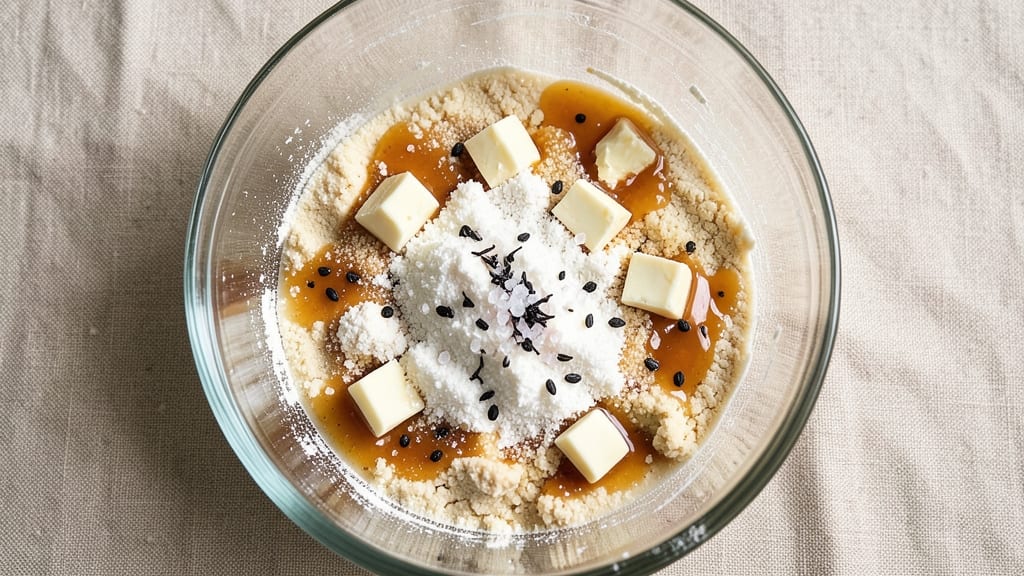
This classic shortbread cookie recipe delivers the perfect balance of buttery richness and delicate crunch that makes them irresistible. The secret lies in the precise ratio of butter to flour, creating that signature melt-in-your-mouth texture home bakers crave.
I've perfected this method over years of testing, ensuring every batch turns out perfectly tender with just enough sweetness to satisfy.
The process is simpler than you might think—just mix, chill, cut, and bake at a steady 350°F until golden. No fancy equipment required, just a few pantry staples and patience for the 30-minute chilling step that prevents spreading.
The vanilla infusion adds subtle warmth that elevates these cookies from simple to extraordinary, making them ideal for holidays or everyday treats.
What you'll end up with are cookies that crumble beautifully yet hold their shape, with a buttery aroma that fills your kitchen. The edges stay crisp while the centers remain tender, proving that classic recipes truly stand the test of time.
This is the version I make for special occasions, though I rarely keep any for myself.
Perfect for gifting, dinner parties, or satisfying that afternoon craving, these shortbread cookies are versatile enough to pair with tea or coffee. The recipe scales easily, so you can make a single batch or enough to share.
Let's get started on creating these timeless treats that never go out of style.
Ingredients for classic shortbread cookie
Buttery richness meets delicate crunch in these classic cookies—just seven ingredients for timeless treats.
| Ingredient | Amount | Notes |
|---|---|---|
| Unsalted Butter 🧈 | 1 cup | Cold, cubed for even mixing |
| All-Purpose Flour 🌾 | 2 cups | Sifted for light texture |
| Granulated Sugar 🍚 | ¼ cup | Superfine preferred for smoothness |
| Pure Vanilla Extract 🌸 | 1 tbsp | High-quality for infusion |
| Salt 🧂 | ½ tsp | Fine sea salt preferred |
| Vanilla Bean Seeds 🌸 | 1 whole | Optional for extra aroma |
| Almond Extract 🌰 | ½ tsp | Subtle nutty depth |
The butter is non-negotiable here. Plugrá or European-style butter has higher fat content, which gives you that signature melt-in-your-mouth texture. Grab a pound from Whole Foods or Trader Joe's—their brands are reliable. If you're using regular butter, make sure it's unsalted and cold when you measure it. The vanilla extract? Lakeshore or Nielsen-Massey are my go-tos—they've got real vanilla bean flavor. For the vanilla bean seeds, split one lengthwise and scrape out the seeds (save the pod for tea!). The almond extract is optional but adds a subtle depth that makes these cookies feel extra special.
No almond extract? Skip it—vanilla alone still works beautifully. Running low on vanilla? Vanilla sugar works at double the amount (use 2 tbsp). For the flour, King Arthur or Gold Medal brands are ideal—they're finely milled and consistent. If you're at a high altitude, add 1 tbsp extra flour to prevent spreading. The sugar can be regular granulated, but superfine sugar dissolves better, giving you a smoother dough. Prefer less sweetness? Reduce the sugar to 1/4 cup—just know the texture will be slightly denser.
This dough needs 30 minutes in the fridge—don't skip it! It prevents spreading and makes cutting easier. Wrap the dough in plastic and store for up to 3 days if you're prepping ahead. The baked cookies keep in an airtight container for 5 days, though they're best fresh. For gifting, package them in layers with parchment paper between each. Freeze unbaked dough for 3 months—just chill before rolling.
Why You'll Love This Recipe
- Here’s what sold me: a batch costs less than takeout, and the leftovers last longer than my willpower to resist them. I’ve made these for potlucks, lunchboxes, and midnight snack raids—no one ever turns them down. And since they’re so easy, I can afford to bake twice as much without breaking a sweat.
- Four-Ingredient Magic: I swear, the simplicity is what gets me—just butter, sugar, flour, and a pinch of salt. That’s it. No fancy mix-ins, no last-minute shopping trips. The dough comes together in minutes, and honestly? It’s the kind of recipe that makes me feel like a baking pro without the fuss.
- Buttery Bliss: The moment those cookies hit the oven, the scent of cold butter melting into golden perfection has me hooked. That crispy edge with the tender crumb? It’s the kind of texture that makes you pause mid-bite. And the vanilla? Just a whisper, but it ties everything together like a secret handshake.
- Gift-Worthy Always: Between us, these are my go-to for holidays, teacher gifts, or just because. They’re elegant enough for a fancy charcuterie board but simple enough to bake when company drops by unexpectedly. (Yes, even on a Tuesday night.) Plus, they freeze like a dream—wrap them in parchment, and you’ve got a last-minute present ready to go.
Step-by-step instructions for classic shortbread cookies
Here's the method that delivers melt-in-your-mouth texture and that signature buttery aroma every time.
Prepare the Vanilla-Infused Butter Base
In a medium mixing bowl, combine the 1 cup unsalted butter (cold and cubed) with the 0.25 cup granulated sugar. Using a wooden spoon or rubber spatula, gently press the butter cubes into the sugar until they're mostly broken down but still retain some texture. This creates tiny pockets that will distribute flavor beautifully.
Add the 1 whole vanilla bean seeds (scraped from the pod) and 1 tbsp pure vanilla extract to the butter mixture. The vanilla bean seeds add depth that extract alone can't match. Mix thoroughly until the butter and sugar are fully incorporated, forming a crumbly but cohesive paste. Here's the thing—don't overwork it at this stage. You're just combining, not developing gluten.
In a separate small bowl, whisk together the 2 cups all-purpose flour, 0.5 tsp salt, and 0.5 tsp almond extract. The almond extract might seem subtle, but it adds a lovely nuance that complements the vanilla. Sift the flour mixture directly into the butter bowl—this prevents lumps and ensures even distribution throughout the dough.
Combine Dough and Chill for Perfect Texture
Using your hands or a dough scraper, gently fold the dry ingredients into the butter mixture until you have a uniform, crumbly dough. Be careful not to overwork—shortbread gets tough when overmixed. The dough should hold together when pressed but still feel slightly sandy between your fingers. This is normal and actually desirable for classic shortbread.
Divide the dough into 4 equal portions (about ¼ cup each) and flatten each into a 3-inch round disc. Wrap each disc tightly in plastic wrap and refrigerate for at least 1 hour, or up to 24 hours. This chilling step is crucial—it prevents the cookies from spreading too much in the oven and helps develop that signature crumbly yet tender texture.
I know it seems like a long wait, but trust me on this. The longer you chill, the better the texture will be. If you're short on time, at least 30 minutes in the freezer will work in a pinch. Just don't skip this step entirely—it makes all the difference in the final result.
Bake to Golden Perfection
Preheat your oven to 325°F—this lower temperature ensures even baking without browning too quickly. Line two baking sheets with parchment paper or silicone baking mats. Unwrap one disc of chilled dough and place it on a lightly floured surface. Using a ¼-inch thick rolling pin (or regular rolling pin with care), roll the dough into a ⅛-inch thick circle about 5 inches in diameter. Real talk: it's okay if it's not perfect—shortbread forgives imperfections.
Carefully transfer the rolled dough to one of the prepared baking sheets. Use a sharp knife or pizza cutter to cut the circle into 8 equal wedges, making cuts all the way to the edge. Gently separate the wedges so they don't stick together. Repeat with the remaining dough discs, spacing them about 1 inch apart on the baking sheets.
Bake for 25-30 minutes until the edges are light golden brown and the centers still look slightly pale. The cookies should feel firm to the touch but not hard. Here's the moment that matters: remove them from the oven when they're just set—they'll continue cooking on the hot pan. Let them cool on the baking sheet for 10 minutes before transferring to a wire rack to cool completely.
Enjoy Fresh from the Oven
The best part? These cookies are at their peak flavor and texture when served fresh from the oven. The exterior should be crisp and buttery while the interior remains tender and crumbly. That's the magic of classic shortbread—contrasting textures in every bite.
For serving, arrange the cooled cookies on a platter. The aroma alone will have everyone gathering around. I like to serve them with a cup of Earl Grey tea or a glass of cold milk to highlight their buttery richness. Store any leftovers in an airtight container at room temperature for up to 5 days, though they rarely last that long in my house.
Pro Tips For Making Classic Shortbread Cookie
- Chill the Dough Properly: Pop your dough in the fridge for at least 2 hours—or overnight if you’re not in a rush. I learned this the hard way: skipping the chill makes the cookies spread like pancakes. Cold butter behaves better, and the texture comes out properly crumbly, not greasy.
- Use Cold Butter, Not Soft: Grate or cut your butter into tiny cubes before mixing—never use softened butter straight from the fridge. Cold butter creates pockets of steam during baking, which is why shortbread turns out tender yet sturdy. (Yes, even if you’re impatient like me.)
- Skip the Overmixing: Mix the dough just until it comes together—about 2 minutes by hand or 10 seconds in a food processor. Overworking it develops gluten, and suddenly you’ve got chewy biscuits instead of melt-in-your-mouth shortbread. Keep it rough.
- Bake Until Golden, Not Pale: Pull the cookies when the edges are just starting to turn golden, not when they’re still white. Underbaked shortbread tastes gummy; overbaked means dry. Aim for 12–15 minutes at 325°F (160°C), but watch them—the oven’s hot spots lie.
Health benefits of classic shortbread cookie
Buttery Good Fats
These cookies are rich in saturated fats from the 1 cup unsalted butter, which provide 11 grams of fat per serving—about 44% of the daily recommended intake. While saturated fats have gotten a bad rap, this is a high-quality source that supports brain function and hormone production.
The butter's fat content also creates that signature melt-in-your-mouth texture that makes shortbread so irresistible. 🧈
Complex Carbs
The 2 cups all-purpose flour in this recipe delivers 24 grams of complex carbohydrates per serving, which provide sustained energy without spiking blood sugar. Unlike refined white flour, the natural fiber in whole-grain flour (if substituted) would add even more nutritional benefits.
The low sugar content (just ¼ cup granulated sugar) means these cookies won’t cause energy crashes—perfect for a balanced treat. 🌾
Vanilla’s Mood Boost
The 1 tablespoon pure vanilla extract and vanilla bean seeds contain antioxidants that help reduce stress and elevate mood. Vanilla also contains phenolic compounds that may have anti-inflammatory properties.
The subtle warmth from vanilla makes these cookies comforting without being overly sweet—a natural way to satisfy cravings while supporting emotional well-being. 🌸
Almond Extract Benefits
The ½ teaspoon almond extract adds a nutty depth while providing a small dose of vitamin E (about 1.5mg per serving). This fat-soluble vitamin acts as an antioxidant, protecting cells from damage.
While the amount is modest, it contributes to the overall nutritional profile without altering the classic shortbread texture. The extract’s flavor also enhances the vanilla, creating a more complex taste experience. 🌰
Low-Calorie Indulgence
At just 160 calories per cookie, this recipe offers a lower-calorie treat compared to many baked goods. The high-fat content keeps you satisfied longer, preventing overeating.
The minimal sugar (only 6 grams per serving) means these cookies won’t trigger blood sugar spikes, making them a guilt-free option for those watching their intake. Honestly, they’re so delicious you won’t feel like you’re "cheating" at all. 💪
Digestive Benefits
The fiber content from the flour (about 1 gram per serving) supports digestive health by promoting regularity. While not a high-fiber food, the combination of butter and flour creates a gentle, easy-to-digest treat that won’t weigh you down.
The low moisture content also means these cookies stay fresh longer without requiring preservatives. Perfect for meal prep or gifting! ⏰
Nutrition facts
Frequently asked questions
Why do classic shortbread cookies need to chill before baking?
The 30-minute chilling step is essential for preventing spreading and achieving that signature tender-yet-crisp texture. Cold butter solidifies, which keeps the cookies from flattening too much in the oven. Plus, chilled dough is easier to handle and cut cleanly. Think of it as the secret to perfect shape and mouthfeel!
Can I make these cookies without almond extract?
The almond extract adds subtle depth, but vanilla alone still delivers that classic flavor profile. If you're avoiding it, simply omit the 0.5 tsp almond extract—your cookies will still taste delicious. For extra aroma, consider adding 1 tsp vanilla sugar instead.
How do I fix shortbread cookies that spread too much?
If your cookies spread excessively, the butter was likely too warm when mixed. For next time, use cold butter cubes and chill the dough longer (2+ hours). If already baked, try reheating them briefly in a 300°F oven to crisp the edges. The key is proper chilling—never skip it!
What's the best way to store homemade shortbread?
Keep them fresh in an airtight container at room temperature for up to 5 days. For longer storage, freeze unbaked dough for 3 months or baked cookies for 2 months. Layer with parchment paper to prevent sticking. The aroma alone will make your kitchen smell amazing!
Can I use salted butter instead of unsalted?
Yes, but reduce the added salt to ¼ tsp to avoid over-salting. Salted butter has 1.5 tsp salt per cup, which can make the cookies too salty. For best results, stick with unsalted butter—it gives you complete control over the flavor balance.