Desserts
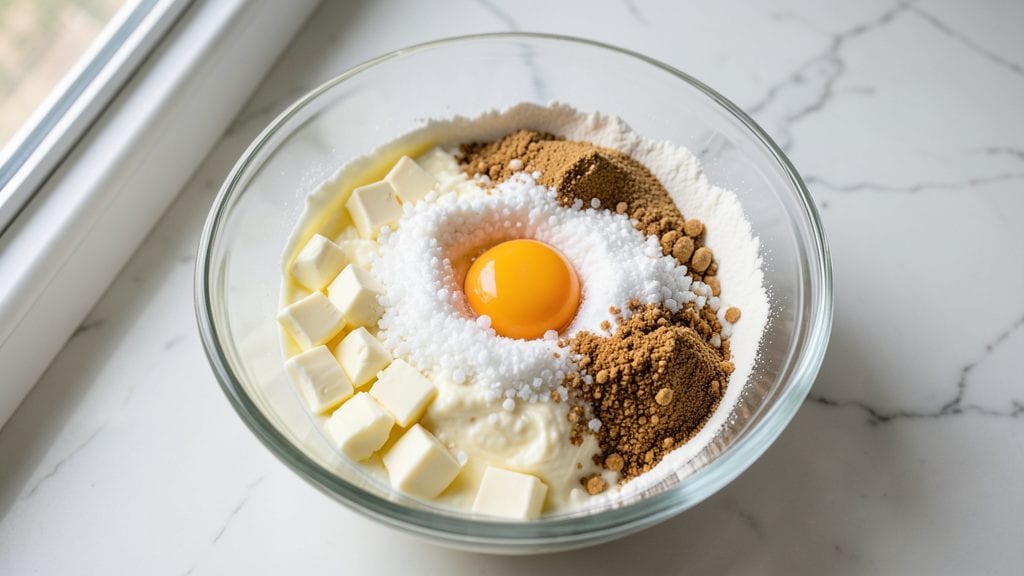
Betty Crocker's traditional sugar cookie recipe brings back the nostalgic magic of holiday baking with its perfect balance of crispy edges and tender centers.
The secret to these cookies lies in the precise ratio of butter to sugar and the careful mixing technique that creates just the right texture—something I've perfected over years of baking.
There's nothing quite like the aroma of freshly baked sugar cookies filling your kitchen, especially when you're shaping them into festive shapes for the holidays.
What makes these sugar cookies truly special is their versatility—they're ideal for cutting into stars, trees, or classic rounds, and they hold their shape beautifully when baked. The dough is simple to prepare with just a few ingredients, but the attention to detail ensures professional-quality results every time.
Once you try these, you'll never go back to store-bought cookies again.
This recipe delivers cookies that are perfectly golden on the edges with a soft, pillowy center, making them ideal for decorating with royal icing or simply dusting with powdered sugar.
The dough can be chilled for easier handling, and the cookies keep well in an airtight container, so you can bake a batch ahead of time for gatherings or holiday treats.
Whether you're baking for a family celebration or just treating yourself to a classic dessert, these sugar cookies are a guaranteed crowd-pleaser. The instructions are clear and foolproof, ensuring even beginner bakers can achieve perfect results.
Let's get started on creating these timeless treats that taste just like grandma used to make.
Ingredients for betty crocker traditional sugar cookie
Nine simple ingredients transform into nostalgic sugar cookies with perfect crispy edges and soft centers.
| Ingredient | Amount | Notes |
|---|---|---|
| Unsalted Butter 🧈 | 1 cup | Cold, cubed for texture |
| Granulated Sugar 🍚 | 1 ½ cups | White sugar preferred |
| Light Brown Sugar 🍚 | ½ cup | Packed firmly |
| Large Eggs 🥚 | 2 whole | Room temperature |
| All-Purpose Flour 🌾 | 3 ½ cups | Sifted for lightness |
| Baking Powder 🍫 | 2 tsp | Freshly opened |
| Salt 🧂 | ½ tsp | Fine sea salt |
| Vanilla Extract 🌿 | 1 tbsp | Pure extract preferred |
| Powdered Sugar 🍚 | ½ cup | For decorating |
| Heavy Cream 🥛 | ½ cup | For chilling dough |
The butter is non-negotiable here—use unsalted and keep it cold when creaming. Land O'Lakes or Plugrá are my go-tos, but any good brand works. Brown sugar needs to be packed firmly—use a spoon to press it down in the measuring cup. The vanilla extract should be pure, not imitation. If you're cutting out festive shapes, invest in a good cookie cutter set—they make holiday baking so much more fun. Flour varies by brand; spoon and level to get the right amount.
No vanilla extract? Vanilla bean paste at half the amount works in a pinch. Short on heavy cream? Substitute milk plus 1 tbsp butter—it won't be as tender but still delicious. The powdered sugar for decorating can be swapped for confectioners' sugar from the store, but fresh is better. For extra flavor, add 1 tsp almond extract to the vanilla. And if your dough feels sticky, chill it 30 more minutes—it's better to wait than to overwork the dough.
Dough keeps for 3 days wrapped tightly in the fridge. For longer storage, freeze shaped dough balls on a tray first, then transfer to a bag. Baked cookies stay fresh in an airtight container for 1 week. The secret to perfect cookies? Bake one sheet at a time—overcrowding ruins the shape. And trust me, underbake slightly for that pillowy center.
Why You'll Love This Recipe
- No-Fuss Dough: I swear by this recipe because it’s actually foolproof—just cream butter and sugars until light, toss in eggs, then fold in flour. No food processor, no fancy techniques, just a bowl and a spoon. My kids help me mix it, and somehow, it always comes out right.
- Sweet & Buttery Magic: That perfect balance of granulated and brown sugar? It’s what makes these cookies ridiculously good—they’ve got this crispy edge with a soft, melt-in-your-mouth center. The butter? Don’t skimp. It’s the secret to that classic, old-school sugar cookie taste.
- Holiday Ready: I make a double batch every December and freeze half for Christmas morning. They’re great for decorating parties, gift boxes, or just sneaking a bite while you’re supposed to be wrapping presents. (Between us, that’s my favorite part.)
- Budget-Friendly Staples: You’re using pantry basics—flour, sugar, butter—so it’s cheap to make but feels special. Plus, the dough keeps for days in the fridge, so you can bake a few at a time without wasting anything. My wallet and my taste buds thank me.
Step-by-step instructions for Betty Crocker's traditional sugar cookies
Here's how to make these classic sugar cookies with that perfect balance of crisp edges and soft centers.
Cream the Butter and Sugars Together
In a large mixing bowl, combine the 1 cup unsalted butter (cold, cubed) with the 1.5 cups granulated sugar and 0.5 cup light brown sugar. Using a hand mixer or stand mixer fitted with the paddle attachment, beat on medium speed for 3-4 minutes until the mixture is light and fluffy. You'll notice the butter turn from pale yellow to a creamy, pale color—this indicates proper aeration.
I like to scrape down the sides of the bowl every minute to ensure everything gets incorporated evenly. The texture should nearly double in volume, and when you lift the beaters, you should see ribbons form that hold their shape for a few seconds. This step is crucial for achieving that classic sugar cookie texture—don't rush it.
Add Eggs and Vanilla Extract
Add the 2 whole large eggs (room temperature) one at a time, mixing well after each addition. After the second egg is incorporated, add the 1 tablespoon vanilla extract and mix for another 30 seconds until fully combined. The mixture might look slightly curdled at first, but this will smooth out when you add the dry ingredients.
Here's the thing—room temperature eggs blend more smoothly into the butter mixture. If your eggs are straight from the fridge, let them sit in warm water for 5 minutes before using. This prevents the butter from melting too quickly and keeps your dough from becoming too warm.
Combine Dry Ingredients
In a separate bowl, whisk together the 3.5 cups all-purpose flour, 2 teaspoons baking powder, and 0.5 teaspoon salt. Sift the flour mixture directly into the wet ingredients, mixing on low speed just until combined. You'll want to see a few small streaks of flour remaining—this ensures you don't develop too much gluten, which can make your cookies tough.
After the dry ingredients are incorporated, remove the bowl from the mixer and stir in the 0.5 cup heavy cream by hand using a rubber spatula. The dough will come together into a smooth, slightly sticky ball. If it's too sticky to handle, you can chill it for 15 minutes before proceeding. This step is where the magic happens—the cream adds moisture that creates that perfect soft center.
Chill the Dough
Divide the dough in half and flatten each half into a 1-inch thick disk. Wrap each disk tightly in plastic wrap and refrigerate for at least 1 hour, or up to 24 hours. Chilling is non-negotiable for these cookies—it prevents excessive spreading in the oven and helps develop the signature crisp edges.
I know it seems counterintuitive to wait, but trust me on this. The cold dough also makes rolling and cutting much easier, and you'll end up with cookies that hold their shape beautifully. If you're short on time, you can freeze the dough disks for up to 3 months—just thaw them in the refrigerator before using.
Roll and Cut the Cookies
Preheat your oven to 375°F and line two baking sheets with parchment paper. On a lightly floured surface, roll out one disk of dough to about 1/8-inch thickness. Use cookie cutters to cut out shapes—traditional sugar cookies work beautifully with holiday shapes, but simple rounds or squares are just as classic.
Place the cut-out cookies 2 inches apart on the prepared baking sheets. Gather any scraps, re-roll them, and cut out more shapes. The dough will be slightly sticky, but don't worry—it's normal. If the dough starts sticking to your rolling pin, chill it for 10-15 minutes before trying again.
Bake to Golden Perfection
Bake the cookies for 8-10 minutes until the edges are golden brown but the centers still look slightly underdone. They'll continue cooking on the hot baking sheet after you remove them from the oven. Rotate the baking sheets halfway through for even baking—your oven might have hot spots.
Don't overbake these cookies—they should be tender in the center with just a hint of crispness at the edges. If you prefer them extra crisp, bake for 1-2 minutes longer. Let the cookies cool on the baking sheet for 5 minutes before transferring to a wire rack to cool completely. This resting period helps them set properly.
Decorate and Enjoy
Once completely cool, mix the 0.5 cup powdered sugar with 1-2 tablespoons heavy cream (from your ingredients) to create a simple glaze. Drizzle over the cooled cookies or use it to pipe decorative patterns. For a more traditional look, you can also melt a little butter with powdered sugar to create a buttercream frosting.
These cookies keep well in an airtight container for up to 5 days at room temperature, or you can freeze them for up to 3 months. The secret to their enduring popularity is that simple balance of crisp edges and soft centers—once you master this recipe, you'll have a holiday staple for years to come.
Pro Tips For Making Betty Crocker Traditional Sugar Cookie
- Chill the Dough Properly: The recipe calls for refrigerating the dough, but I learned this the hard way—don’t just toss it in the fridge and forget it. Wrap it tightly in plastic wrap first, then press it flat into a disk. This prevents cracking when you roll it out later, and a solid 1–2 hours in the fridge (not just 30 minutes) keeps the butter firm enough to handle without sticking.
- Use Room-Temp Butter: Cold butter from the fridge will give you tough cookies. Let the butter sit out for 30–45 minutes until it’s soft but not melted—you should be able to press your finger into it lightly. This ensures the cookies spread just enough for that classic Betty Crocker texture, not flat pancakes or rock-hard disks.
- Don’t Overmix the Dough: Once you add the egg, stop mixing the second the flour disappears. Overworking the dough develops gluten, and these cookies are meant to be tender, not chewy. I used to mix until it looked "perfect," but now I just fold in the flour with a spatula—just until combined. Less effort, better texture.
- Roll and Cut Quickly: After chilling, roll the dough on a floured surface to about ¼-inch thickness—any thicker, and the edges won’t bake evenly. Use cookie cutters right away, then transfer to the baking sheet without stacking. I used to pile them up to save time, but they stuck together, and the edges turned doughy. Space them 1–2 inches apart for even baking.
Regional styles of these flavors
Classic Midwest Style
In the heartland of America, these sugar cookies take on a comforting, buttery richness that's perfect for holiday gatherings. The Midwest version often includes a touch of almond extract (½ tsp) alongside the vanilla, adding a subtle nutty depth that pairs beautifully with the sweetness.
I find this works especially well when paired with a simple powdered sugar glaze and served with a warm cup of spiced chai tea. The cookies are typically baked slightly thicker—about ⅛ to ¼ inch—to create a heartier texture that stands up to the cold winter air. 🌨️
Southern Decadence
Southern bakers love to elevate these cookies with a splash of bourbon (1 tbsp) in place of some of the vanilla extract, giving them a warm, caramel-like note.
The dough is often rolled slightly thicker (¼ inch) and baked until the edges are just crisp, while the centers remain soft and chewy. After baking, they're generously dusted with powdered sugar and sometimes topped with a sprinkle of crushed pecans for added crunch.
A glass of sweet Mississippi Mud Cake wine makes the perfect pairing for these indulgent treats.
Pacific Northwest Twist
Up north, bakers often incorporate raspberry jam (2 tbsp) into the dough for a fruity surprise in every bite. The dough is rolled out slightly thinner (⅛ inch) to enhance the fruit flavor, and the cookies are baked until just golden.
These are typically finished with a drizzle of white chocolate ganache and fresh raspberries for a stunning presentation. The cooler climate makes them perfect for holiday cookie platters, especially when paired with a cup of local roasted coffee. 🍓
German-Inspired Spritz
For a true European touch, German bakers often add 1 tsp ground cardamom to the dough and roll it out extra thin (⅛ inch or less) to create delicate, lace-like edges.
These cookies are baked until they're crisp all the way through and finished with a dusting of powdered sugar and sometimes a sprinkle of crushed pistachios. They're traditionally served during Oktoberfest celebrations and pair beautifully with a cup of hot mulled wine or a cold German pilsner beer.
The cardamom adds a warm, slightly floral note that's completely unexpected in a sugar cookie.
New England Crunch
In New England, these cookies often feature a mix of white chocolate chips (½ cup) and cranberries (½ cup) folded into the dough before baking. The dough is rolled to ⅛ inch thickness and baked until the edges are crisp while maintaining a soft center.
After cooling, they're finished with a drizzle of cranberry glaze** and a sprinkle of coarse sugar. This version is especially popular during Thanksgiving and pairs perfectly with a cup of New England-style pumpkin spice latte. The tart cranberries cut through the sweetness beautifully. 🍁
Nutrition facts
Frequently asked questions
Why do these sugar cookies need to chill before baking?
Chilling the dough for at least 1 hour prevents excessive spreading in the oven, helping the cookies maintain their shape. The cold butter solidifies slightly, creating that signature crisp edge while keeping the center tender. Plus, chilled dough is much easier to roll and cut—no more sticky messes!
Can I make these cookies without a mixer?
Use a sturdy wooden spoon or fork to cream the butter and sugars until light and fluffy (about 5-7 minutes of vigorous mixing). For the dry ingredients, gently fold them in with a spatula until just combined. The texture may be slightly less airy, but the cookies will still turn out delicious.
How do I prevent my sugar cookies from spreading too much?
Keep the dough cold (chill for 2 hours if needed) and roll it to 1/8-inch thickness. Use a cookie scoop or cutter for uniform sizes and place them 2 inches apart on the baking sheet. Bake at 375°F for 8-10 minutes—don't overbake! The edges should be golden while the centers stay soft.
What's the best way to decorate these cookies?
For a classic look, mix 0.5 cup powdered sugar with 1-2 tbsp heavy cream to make a simple glaze. For royal icing, combine 2 cups powdered sugar with 1.5 tbsp meringue powder and 2 tbsp water, then pipe designs. Let decorations set for 24 hours before serving for crisp results.
Can I substitute brown sugar with white sugar?
You can, but it will affect the texture. Brown sugar adds moisture and chewiness, while white sugar creates a crispier cookie. If substituting, reduce the white sugar by 2 tbsp and add 1 tbsp corn syrup to compensate for lost moisture. Test with one batch first to adjust to your preference!