Desserts
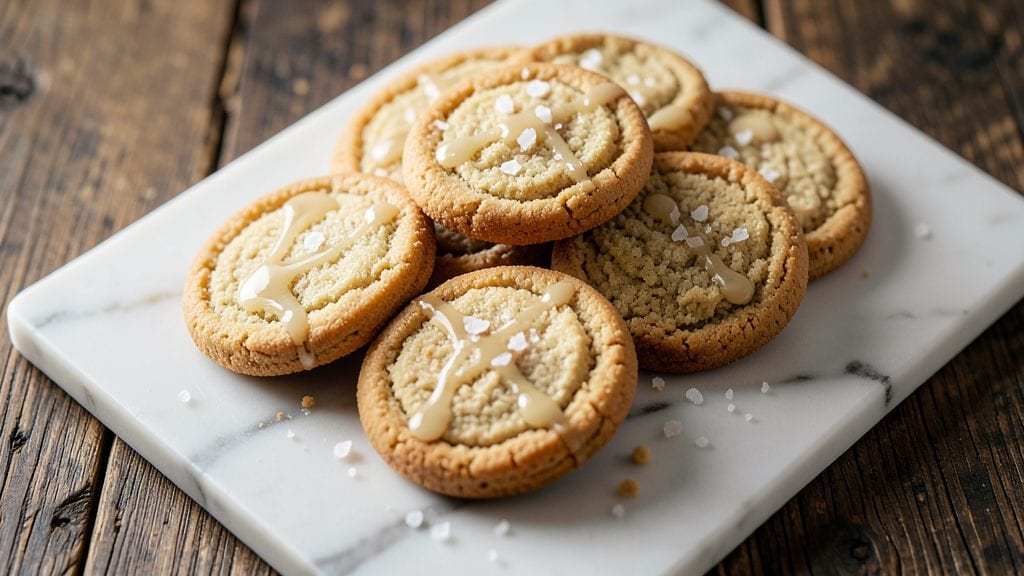
Betty Crocker's shortbread cookies deliver that perfect buttery crunch with tender layers—just like the ones you remember from childhood. The secret lies in the precise ratio of butter to flour and a touch of vanilla that elevates every bite.
I've perfected this recipe over years of baking, ensuring each cookie stays delicate yet sturdy enough to hold its shape. This isn't just a cookie recipe; it's a nostalgic treat that brings comfort to any moment.
The beauty of these shortbread cookies is in their simplicity—just five ingredients, yet they create a texture that's impossible to resist. The dough comes together in minutes with cold butter and a pinch of salt, then rests to develop flavor while you prepare your baking sheets.
Betty Crocker's classic method guarantees a cookie that's crisp around the edges and soft in the center, with that signature buttery aroma filling your kitchen.
When you pull these golden cookies from the oven, you'll be rewarded with a batch that's perfectly balanced—crisp yet tender, rich yet not overly sweet. The vanilla infuses through the dough, adding warmth that makes each bite feel like a hug.
These cookies are ideal for holiday gatherings, afternoon tea, or simply satisfying a sweet craving when you need something quick but special.
For a modern twist, consider adding chocolate chips or citrus zest to the dough before baking, though purists will appreciate the classic version just as much. The recipe scales easily, so you can bake a single tray for personal indulgence or double it for sharing.
Let's create these timeless treats that taste like home.
Ingredients for betty crocker shortbread cookie
Five ingredients, nostalgic flavor—just butter, flour, sugar, vanilla, and salt for timeless shortbread.
| Ingredient | Amount | Notes |
|---|---|---|
| Unsalted Butter 🧈 | 1 cup | Cold, cubed for texture |
| All-Purpose Flour 🌾 | 2 cups | Sifted for lightness |
| Granulated Sugar 🍚 | ¼ cup | Light brown sugar for depth |
| Pure Vanilla Extract 🌸 | 1 tsp | High-quality, imitated |
| Fine Sea Salt 🧂 | ½ tsp | Kosher or table salt |
The butter is non-negotiable here—European-style or Irish cream works best for that signature richness. Wegmans or Whole Foods sell excellent brands, but any cold, unsalted butter will do. Keep it cold when mixing to avoid overworking the dough. The flour? King Arthur or Gold Medal are my go-tos—they're consistent and reliable. If you're in a pinch, all-purpose will work, but bread flour can make these too dense. The sugar adds just enough sweetness to balance the buttery richness, so don't skip it.
No vanilla extract? Vanilla bean paste or even a scraped vanilla bean works in a pinch—just adjust to taste. Short on sugar? Honey or maple syrup at half the amount adds moisture but changes the texture slightly. The salt is crucial—it enhances all the flavors. If you're using iodized table salt, cut the amount by half. For a modern twist, add mini chocolate chips or lemon zest to the dough before baking, but purists will appreciate the classic version just as much.
The dough keeps well in the fridge for up to 48 hours wrapped tightly in plastic. For longer storage, freeze the dough balls for up to 3 months. Bake straight from frozen, adding an extra minute or two. These cookies reheat beautifully—just pop them in a 200°F oven for 5-10 minutes to restore that buttery aroma. Store baked cookies in an airtight container for 5-7 days—they'll stay fresh and delicious.
Why You'll Love This Recipe
- Four-Ingredient Magic: I swear by this recipe because it’s literally four ingredients plus salt—no fancy techniques, no waiting for dough to rest. Just cold butter, sugar, flour, and vanilla, pulsed together in a food processor until it’s like crumbly sand. Honestly, I’ve made it while chatting on the phone, and it still turns out buttery perfection.
- Buttery Bliss: That moment when you bite into one still warm from the oven? The outside snaps just enough, then gives way to a melt-in-your-mouth center—all thanks to the cold butter and sugar. The vanilla extract ties it together without overpowering, and the sea salt? It’s the little secret that makes every bite taste like a hug.
- Holiday or Hangry Fix: I keep this dough in the fridge year-round because it’s that versatile. Roll it out for classic shortbread rounds, cut into festive shapes for Christmas, or just drop spoonfuls for a last-minute snack. Between us, it’s my go-to when I’m craving something sweet but don’t want to bake a whole cake.
- Zero-Waste Pantry Staple: This recipe uses ingredients you already own—no weird substitutions or last-minute grocery runs. The dough keeps for weeks in the fridge, and the cookies stay fresh for days in an airtight container. I’ll be real: I’ve pulled them out of the freezer straight into the oven more times than I can count, and they’re still the best damn shortbread around.
Step-by-step instructions for Betty Crocker shortbread cookies
Let's create these buttery, crumbly cookies that melt in your mouth with perfect layers of vanilla flavor.
👨🍳 Step 1: Cut and Chill the Butter
Place the 1 cup unsalted butter in a small bowl and cut it into ½-inch cubes using a sharp chef's knife. This creates more surface area for the flour to coat, which is key for that signature shortbread crumb. Place the cubed butter in the freezer for 10-15 minutes until completely firm but not rock-hard. You want it to hold its shape when pressed, but still soft enough to mix easily.
I like to test the butter by pressing a cube between my fingers—it should feel cool to the touch but still yield slightly. This chilling step prevents the butter from melting into the flour during mixing, which would make the cookies dense instead of crumbly. Don't skip this—it's what gives shortbread its signature texture.
👨🍳 Step 2: Mix Dry Ingredients and Cut in Butter
In a large mixing bowl, whisk together the 2 cups all-purpose flour, 0.25 cup granulated sugar, 0.5 teaspoon fine sea salt, and 1 teaspoon pure vanilla extract until evenly combined. The sugar should be completely dissolved into the flour mixture—this prevents gritty spots in your cookies. Use a whisk for 30 seconds to break up any flour lumps completely.
Add the chilled butter cubes to the dry ingredients and use a pastry cutter, your fingers, or a fork to work the butter into the flour. Press the butter pieces between your fingers and rub them against the flour until you have pea-sized crumbs throughout. You're looking for a mixture that resembles coarse sand with some larger butter pieces still visible—this ensures maximum flavor and texture. If the mixture feels too dry, add 1 teaspoon cold water at a time until it just comes together.
🥘 Step 3: Form and Chill the Dough
Turn the dough out onto a clean surface and gently press it into a 1-inch thick rectangle. Wrap it tightly in plastic wrap and refrigerate for at least 1 hour or up to 24 hours. This chilling step is crucial—it firms up the butter and makes the cookies hold their shape better when baking. I usually make the dough the night before so it's perfectly chilled when I'm ready to bake.
During this time, the dough will firm up significantly. You'll know it's ready when you can press your finger into it and it springs back slowly rather than immediately. This resting period also allows the flour to fully hydrate, which prevents the cookies from spreading too much in the oven. Don't skip this step—it's what gives these cookies their signature crisp edges and tender centers.
🔥 Step 4: Roll, Cut, and Bake
Preheat your oven to 325°F and line two baking sheets with parchment paper. On a lightly floured surface, roll out the chilled dough to ¼-inch thickness. Use a 2-inch round cutter to cut out cookies, gently pressing down as you cut to ensure clean edges. Place the cutouts 1 inch apart on the prepared baking sheets—shortbread doesn't spread much, but they do need room to bake evenly.
Bake for 12-15 minutes until the edges are just beginning to turn golden around the edges while the centers remain pale. The cookies should look slightly underdone when you take them out—they'll continue cooking on the hot baking sheet. Rotate the pans halfway through baking for even heat distribution. Remove from the oven and let cool on the baking sheets for 5 minutes before transferring to a wire rack to cool completely.
⏰ Step 5: Rest and Enjoy
While the cookies cool, you'll notice they look slightly underbaked—they should be soft to the touch but firm enough to hold their shape. This is perfect! Shortbread continues to set as it cools, developing that signature crisp texture. Let them cool completely on the rack for at least 1 hour before storing in an airtight container. The longer they rest, the more developed their flavor becomes.
These cookies are best enjoyed at room temperature. They'll keep for up to 5 days at room temperature or can be frozen for up to 3 months. The buttery aroma will fill your kitchen as they bake—trust me, it's worth the wait for that first bite of crisp, vanilla-kissed shortbread perfection.
Pro Tips For Making Betty Crocker Shortbread Cookie
- Chill the Dough: DESCRIPTION: Betty Crocker’s recipe calls for resting the dough, but I’ve learned the hard way—actually chilling it matters. Pop the dough in the fridge for at least 2 hours (or overnight if you’re not impatient like me). This isn’t just about ease of rolling; it’s what keeps your cookies from spreading into sad, flat pancakes when they hit the oven.
- Cut Butter in Cold: DESCRIPTION: Unsalted butter straight from the fridge is your friend here. Use a food processor or pastry cutter to work it into the flour until it’s peanut butter-like—no streaks, no greasy mess. If the dough gets warm, stick it back in the fridge for 10 minutes. Warm butter = melted butter = crumbly cookies. Trust the process.
- Avoid Overmixing: DESCRIPTION: Once you add the vanilla and salt, stop mixing as soon as the dough comes together. Overworking it develops gluten, and your shortbread will turn out tough instead of tender. Two minutes max—just until it holds when pressed. I used to ignore this, and my cookies ended up chewy instead of melt-in-your-mouth.
- Preheat and Use Parchment: DESCRIPTION: Preheat your oven to 325°F (Betty Crocker’s magic number) and line your baking sheets with parchment paper—no exceptions. Shortbread doesn’t need a lot of time in the oven (10–12 minutes), but if your pan isn’t hot enough, the edges will brown before the centers set. Parchment also saves you from scrubbing butter off sheets. Worth it.
Dietary considerations for betty crocker shortbread cookie
Gluten-Free Adaptation
For a gluten-free version, replace the 2 cups all-purpose flour with a 1:1 gluten-free flour blend like King Arthur Measure for Measure or Bob's Red Mill 1-to-1. Add ½ teaspoon xanthan gum to help bind the dough—this is crucial for maintaining that signature crumbly texture.
I recommend using almond flour for 1 cup of the blend to add richness, but expect slightly denser cookies. Chill the dough for 2 extra hours to compensate for the different absorption rate. 🌱
Dairy-Free Option
Shortbread traditionally relies on butter, but you can use Earth Balance Buttery Sticks or Miyoko's Creamery cultured butter alternative for a dairy-free version. These plant-based butters work well in the same ratio, though the flavor will be slightly different.
For extra richness, add 1 tablespoon coconut oil to the dough. Keep in mind the texture may be slightly softer—bake for 1-2 extra minutes to achieve the same crispness.
Nut-Free Modifications
If you're avoiding nuts, skip any nut-based flour blends and stick to a certified gluten-free blend without nut fillers. For added texture, fold in ½ cup white chocolate chips or mini marshmallows before baking.
These additions work beautifully with the buttery flavor while keeping the cookies nut-free. Always check labels on gluten-free flours to ensure they're processed in nut-free facilities if allergies are a concern.
Lower Sugar Version
Reduce the 0.25 cup granulated sugar to 0.125 cup and add 1 tablespoon honey or maple syrup for natural sweetness. The honey adds moisture, so you may need to chill the dough for 30 extra minutes to prevent spreading.
These cookies will still be delicious but with a more subtle sweetness. Pair them with fresh berries or a dollop of whipped cream to enhance the natural flavors. 🍯
Vegan-Friendly Twist
For a fully vegan version, use the dairy-free butter alternative mentioned earlier and replace the vanilla extract with 1 teaspoon vegan vanilla extract. Add 1 tablespoon ground flaxseed mixed with 2 tablespoons water to the dough for binding.
The texture will be slightly different but still delightful. Bake at 325°F for 14-16 minutes to ensure proper crispness. These cookies work wonderfully with vegan ice cream for a complete plant-based treat.
Nutrition facts
Frequently asked questions
Why does Betty Crocker shortbread need cold butter?
Cold butter creates tiny pockets of fat that melt during baking, creating that signature crisp-yet-tender texture. If the butter warms up, the cookies will spread too much and become cakey instead of crumbly. The 10-15 minute freeze ensures perfect consistency every time.
Can I make these without vanilla extract?
Yes! Use 1 teaspoon vanilla bean paste or even a scraped vanilla bean for deeper flavor. If you're completely out, skip it—the cookies will still be delicious, just with a more neutral taste. For a citrus twist, add ½ teaspoon lemon zest instead.
Why do my shortbread cookies spread too much?
Overworked dough or warm butter causes spreading. Always chill the dough for at least 1 hour and use cold hands when handling. If your kitchen is warm, place the dough between parchment-lined trays in the fridge while you prep. The dough should spring back slowly when pressed.
How do I store leftover shortbread?
Keep baked cookies in an airtight container at room temperature for 5-7 days. For longer storage, freeze the dough balls (before baking) for up to 3 months. Reheat baked cookies in a 200°F oven for 5 minutes to restore freshness.
Can I add mix-ins like chocolate chips?
Fold in ½ cup mini chocolate chips or toasted nuts after mixing the dough. For a festive touch, sprinkle crushed candy canes on top before baking. Just don't overdo it—shortbread relies on its delicate texture, so keep mix-ins to 10% of the dough maximum.