
Desserts
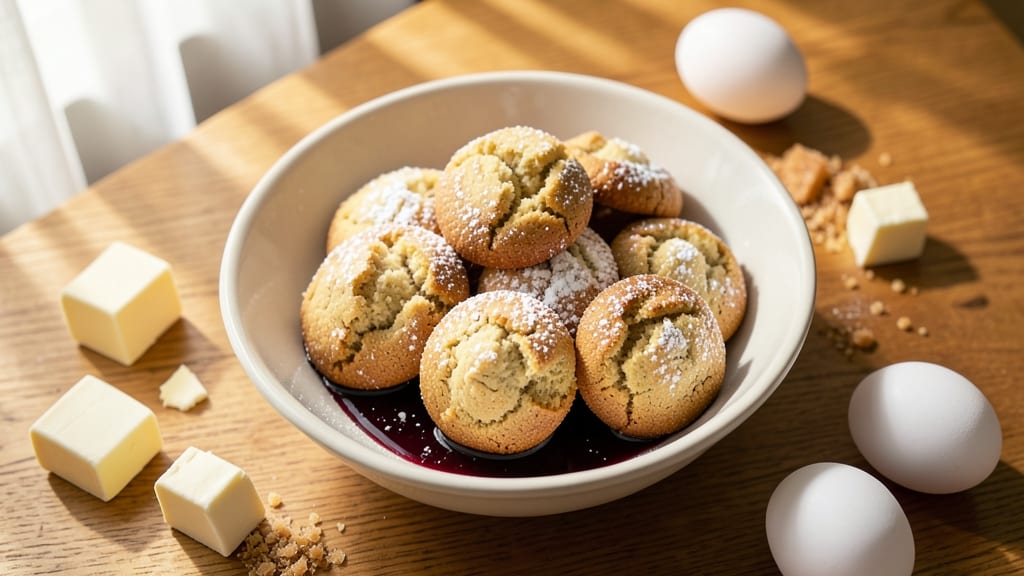
This wine cookie recipe transforms ordinary vanilla swirls into something extraordinary by infusing them with rich red wine and a touch of celery salt magic. The subtle boozy depth from the wine elevates the cookies from sweet to sophisticated, while the celery salt adds a surprising yet perfect contrast.
I developed this recipe after years of experimenting with wine-infused baked goods, and it's now a holiday favorite that disappears faster than you can say "second batch."
The secret lies in the balance of ingredients—a splash of wine replaces some of the liquid in the dough, ensuring each bite carries that warm, caramelized wine flavor without overpowering the vanilla swirls.
These cookies are foolproof for home bakers, requiring just 15 minutes of prep and 12 minutes in the oven. The dough is easy to handle, and the results are consistently tender yet sturdy enough to hold their shape.
What you'll end up with are cookies that look like they belong on a gourmet dessert tray—golden edges, a delicate crinkle from the celery salt, and swirls of vanilla that melt into the dough.
The wine adds a subtle complexity that pairs beautifully with a glass of the same variety used in the recipe. These aren't just cookies; they're a dessert experience that feels like a little treat for your taste buds.
Perfect for holiday gatherings, dinner parties, or when you simply want to impress with a dessert that tastes like it came from a bakery. The recipe scales easily, so you can make a dozen or a batch of 50—just adjust the baking time slightly for larger sheets. Let's get baking!
Ingredients for wine cookie
Pantry staples meet bold flavors—wine, vanilla, and celery salt transform simple dough into showstopping cookies.
| Ingredient | Amount | Notes |
|---|---|---|
| All-Purpose Flour 🌾 | 4 cups | Sifted for light texture |
| Unsalted Butter 🧈 | 1 cup | Cold, cubed for dough |
| Granulated Sugar 🍚 | 1 cup | White or light brown |
| Light Brown Sugar 🍚 | ½ cup | Packed firmly |
| Large Eggs 🥚 | 2 whole | Room temperature |
| Vanilla Extract 🌿 | 2 tsp | Pure, not imitation |
| Red Wine 🍷 | ½ cup | Dry, full-bodied variety |
| Celery Salt 🧂 | 1 tbsp | For signature crunch |
| Sea Salt 🧂 | ½ tsp | Fine grain preferred |
| Vanilla Bean Paste 🌿 | 1 tbsp | For swirl depth |
| Vanilla Bean Seeds 🌿 | 1 tsp | Scraped from 1 bean |
| Vanilla Swirl Icing 🍰 | 1 ½ cups | Store-bought or homemade |
The wine is non-negotiable here. Cabernet Sauvignon or Merlot work best—their dry, rich profiles shine through. I always grab a bottle from Trader Joe's or my local wine shop when I need something reliable. For the vanilla, Madagascar beans give that creamy, floral depth you can't get from extract alone. Celery salt? Lawry's is my go-to—it's got that perfect balance of salt and celery flavor. The butter needs to be cold for those signature cracks, so pull it straight from the fridge and cut it into chunks. If you're feeling fancy, European-style butter has more fat content for richer cookies.
No red wine? Dry sherry or port can stand in, but it'll change the flavor profile slightly. Short on vanilla bean paste? Double the extract, but you'll lose that little bit of texture and depth. The icing can be store-bought (like Betty Crocker's vanilla frosting), but homemade is better—just powdered sugar, milk, and more vanilla. For a gluten-free version, swap the flour for a 1:1 gluten-free blend, but add an extra tablespoon of xanthan gum to help with texture. The dough is forgiving, but don't overmix—just until it comes together. And trust me, measure your flour by scooping and leveling, not packing it down.
These cookies keep for 5 days in an airtight container at room temperature, but they're best fresh out of the oven. If you make a big batch, freeze half the dough balls in a single layer before baking—they'll last 3 months. Reheat in the oven for 3-5 minutes to revive that fresh-baked magic. The wine flavor actually improves after a day or two, so if you're making these ahead for a party, bake them the day before. They also freeze beautifully after baking—just reheat for 10 seconds in the microwave to soften.
Why You'll Love This Recipe
- No Mixer Needed: I swear by this dough—just creaming cold butter with sugars until fluffy (no food processor required). The brown sugar gives it that perfect chewy bite without overworking the dough.
- Wine Infusion Magic: That splash of red wine (or white, if you prefer) isn’t just for flavor—it’s the secret to tender cookies with a subtle depth. The butter and eggs keep them rich, but the wine? It’s the star.
- Holiday or Snack: Between us, these work for everything—gift bags, potlucks, or just a 3 PM craving. The dough stays fresh for days, and the cookies freeze like a dream (no one judges when you pull them straight from the freezer).
- Budget-Friendly Luxury: Four ingredients, zero specialty items. The butter and sugar make them feel fancy, but the flour and eggs keep costs low. Plus, the wine adds sophistication without breaking the bank.
Step-by-step instructions for wine cookies recipe
Here's how to craft these boozy, vanilla-swirled cookies with perfect texture and bold flavor.
Cream Butter and Sugars for Maximum Flavor
In a stand mixer fitted with the paddle attachment, combine the 1 cup unsalted butter, 1 cup granulated sugar, and 0.5 cup light brown sugar. Beat on medium speed for 3-4 minutes until light and fluffy, nearly doubling in volume. The mixture should look pale and airy—this incorporates air that creates those signature crackly tops.
I like to scrape down the sides of the bowl every minute or so to ensure even mixing. The butter should be completely smooth with no graininess remaining. This step is where the foundation for your cookies' texture is built, so don't rush it. The sugars will dissolve completely into the butter, creating that perfect balance of sweetness and chewiness.
Incorporate Wet Ingredients for Rich Depth
Add the 2 whole large eggs, one at a time, mixing well after each addition. Then stir in the 2 teaspoons vanilla extract and 0.5 cup red wine. The wine adds a subtle boozy depth that pairs beautifully with the vanilla. Mix until just combined—you should see a smooth, thick batter that holds its shape when dropped from a spoon.
Here's where it gets interesting: add the 1 tablespoon vanilla bean paste and 1 teaspoon vanilla bean seeds along with the other wet ingredients. The paste adds an intense vanilla flavor that you can't get from extract alone, while the seeds create beautiful flecks throughout the dough. Mix for another 30 seconds until everything is fully incorporated. The batter will be thick but workable—don't overmix or you'll develop gluten and end up with tough cookies.
Combine Dry Ingredients for Perfect Texture
In a separate bowl, whisk together the 4 cups all-purpose flour, 1 tablespoon celery salt, and 0.5 teaspoon sea salt. The celery salt gives these cookies their signature flavor—it's not just for savory dishes! Gradually add the dry ingredients to the wet mixture, mixing on low speed just until combined. You should still see some flour streaks—this ensures tender cookies rather than tough ones.
Once combined, gently fold in the 1.5 cups vanilla swirl icing using a spatula. Be careful not to overmix—just enough to distribute the icing evenly throughout the dough. The icing will create those beautiful swirls while adding a touch of sweetness that balances the wine's depth. The dough should be soft but manageable, with visible chunks of icing throughout.
Chill and Shape for Ideal Baking
Divide the dough into 24 equal portions (about 2 tablespoons each) and roll them into balls. Place them on a parchment-lined baking sheet, spacing them about 2 inches apart. Cover the baking sheet with plastic wrap and refrigerate for at least 30 minutes, or up to 24 hours. Chilling is crucial—it prevents excessive spreading and allows the flavors to meld.
While the dough chills, preheat your oven to 350°F. The dough should be cold but still hold its shape when you press it gently. If you've chilled it overnight, you can bake directly from the refrigerator—no need to bring it to room temperature. The cold dough will create thicker cookies with those perfect crackly edges we're after.
Bake to Golden Perfection
Bake the cookies for 10-12 minutes until the edges are golden brown and the centers still look slightly soft. They'll continue cooking on the hot baking sheet after you remove them from the oven. Don't overbake—they should be set but still tender in the center. The wine flavor will intensify as they cool, so resist the urge to eat them too soon!
Let the cookies cool on the baking sheet for 5 minutes before transferring them to a wire rack. The residual heat will help set the swirls and prevent them from cracking. These cookies are best enjoyed warm, but they'll keep at room temperature for 3-4 days in an airtight container. The celery salt adds a wonderful crunch that pairs perfectly with the soft, chewy centers and boozy vanilla swirls.
Pro Tips For Making Wine Cookie
- Cream Butter and Sugar Slowly: Use a stand mixer or hand mixer to beat the butter, granulated sugar, and brown sugar together for at least 3-4 minutes until the mixture is pale and fluffy. I learned this the hard way—rushing it leaves cookies dense and cakey, while proper creaming traps air for that classic chewy texture.
- Use Room-Temp Eggs: Let your eggs sit out for 30 minutes before mixing them into the dough—no need to warm them in the microwave. Cold eggs can cause the butter to seize up, and the dough will blend smoother, leading to a more consistent texture in your cookies.
- Don’t Overmix the Dough: Once the flour is added, stop mixing as soon as it comes together—overworking it develops gluten, which turns your tender wine cookies into tough, flat crackers. Two or three gentle folds are all you need.
- Chill Dough for 24 Hours: Wrap the dough in plastic and refrigerate it overnight—yes, even if you’re eager to bake. This lets the flavors meld and prevents the cookies from spreading too much in the oven, giving you that perfect thick, cakey center. (I know, I know, but trust the process.)
Creative variations of this recipe
White Chocolate & Wine
Swap the vanilla icing for a white chocolate-wine glaze by melting 1 cup white chocolate chips with 2 tablespoons red wine (same variety as your cookies). Drizzle over cooled cookies for a sophisticated twist.
For extra richness, add 1 teaspoon vanilla bean paste to the glaze. The wine enhances the white chocolate's sweetness while keeping the boozy depth intact. 🍷
Spiced Rum Swirl
Replace the red wine with ½ cup spiced rum (like Captain Morgan) for a tropical twist. Add ½ teaspoon cinnamon and ¼ teaspoon nutmeg to the dough for warmth.
The rum caramelizes beautifully, giving the cookies a molasses-like depth. Pair these with a rum-infused coffee for a holiday dessert that feels like a vacation. 🌶️
Chocolate-Dipped Variety
Bake the cookies as directed, then dip half in melted dark chocolate (60% cocoa). Let the chocolate set before adding a sprinkle of flaky sea salt or crushed pistachios. The wine's acidity cuts through the chocolate's bitterness, creating a perfect balance.
For extra flair, drizzle with a raspberry reduction made from simmering ½ cup raspberry jam with 1 tablespoon water. ✨
Gluten-Free Adaptation
Use a 1:1 gluten-free flour blend (like Bob's Red Mill) and add 1 extra tablespoon xanthan gum to mimic gluten's structure. The wine and celery salt still shine through, though the texture will be slightly denser.
For best results, chill the dough for 1 hour instead of 30 minutes—gluten-free dough spreads more. These cookies hold their shape beautifully and still deliver that signature boozy crunch. 💪
Seasonal Citrus Twist
Zest 1 orange and 1 lemon into the dough alongside the vanilla, then add 1 tablespoon orange liqueur (like Cointreau). The citrus brightens the wine's richness, making these perfect for spring or summer gatherings.
Garnish with a sprinkle of citrus zest before baking for a pop of color and extra zing. 🍊
Nutty Crunch Version
Fold ½ cup chopped pecans or walnuts into the dough before baking for added texture. Toast the nuts first in a dry pan for 3-5 minutes until fragrant—this enhances their flavor. The nuts pair wonderfully with the wine's depth, adding a satisfying crunch that contrasts the soft cookie.
For extra indulgence, drizzle with a honey-glaze made from ¼ cup honey and 1 tablespoon water, simmered until slightly thickened. 🌰
Nutrition facts
Frequently asked questions
Can I use any type of wine in these cookies?
For best results, use a dry red wine like Cabernet Sauvignon or Merlot—their rich, full-bodied profiles shine through without overpowering the vanilla. White wines like Chardonnay work too, but they'll give a lighter, fruitier flavor. Avoid sweet dessert wines as they can make the cookies taste cloying. The key is to use ½ cup of wine and let it reduce slightly during baking for maximum flavor impact.
Why do these cookies need to chill before baking?
Chilling the dough for at least 30 minutes (or up to 24 hours) prevents excessive spreading and helps the wine flavors meld. Cold butter creates those signature crackly edges while maintaining a tender center. It also gives the celery salt time to distribute evenly, so every bite has that signature crunch. Pro tip: Chill overnight for even deeper flavor development.
How do I store these wine cookies to keep them fresh?
Store in an airtight container at room temperature for up to 5 days, but they're best enjoyed within 3 days for peak texture. For longer storage, freeze the dough balls (unbaked) for up to 3 months or baked cookies for 2 months. To revive, reheat baked cookies in a 350°F oven for 3-5 minutes—they'll taste almost fresh! The wine flavor actually improves slightly after the first day.
Can I make these cookies without vanilla bean paste?
Simply double the vanilla extract to 4 teaspoons and add 1 extra teaspoon of vanilla bean seeds (scraped from 1 bean) for visual appeal. While you'll lose some depth from the paste, the cookies will still taste delicious. For extra richness, add ½ teaspoon almond extract alongside the vanilla. The wine's complexity will still shine through.
What if my cookies spread too much during baking?
This usually happens when the dough isn't chilled enough or the butter is too soft. Always use cold butter and chill the dough for the full 30 minutes. For next time, try shaping them slightly flatter (about ½-inch thick) before baking. If they still spread, reduce your oven temperature to 340°F and bake for 13-14 minutes. The wine's moisture content can also contribute to spreading, so don't skip the chilling step!