
Desserts
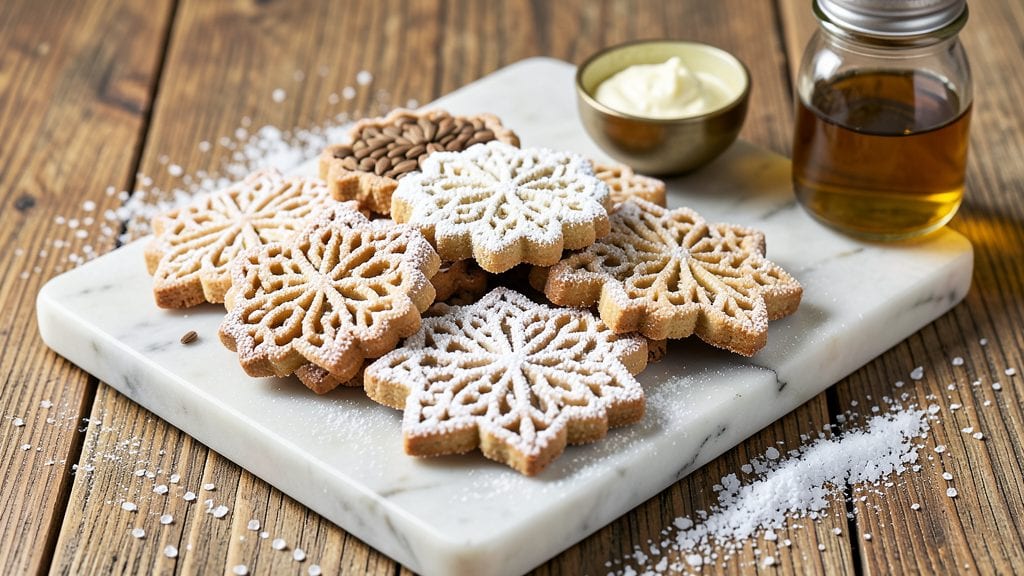
This traditional springerle cookie recipe brings Czech holiday traditions to your kitchen with its signature aniseed crunch and intricate pressed patterns. The delicate dough combines flour, sugar, and ground anise seeds for that distinctive licorice-like flavor, while traditional molds create the iconic geometric designs that make these cookies instantly recognizable.
What sets springerle apart is their crisp texture and the way they dissolve just slightly on the tongue, leaving that aromatic anise finish.
The key to authentic springerle lies in the dough preparation and baking technique. Unlike most cookies, springerle dough is rolled out paper-thin and pressed with decorative molds before baking at high heat for just a few minutes.
This creates their signature crispness while preserving the intricate patterns. The recipe maintains traditional methods while offering modern adaptations for home cooks, including tips for creating professional-quality designs without specialized equipment.
What you'll achieve is a batch of festive, crunchy cookies that look beautiful enough for holiday gifts yet simple enough for everyday baking. The anise flavor gives them a sophisticated edge, while the pressed designs make them perfect for Christmas trees, wreaths, or decorative cookie platters.
These aren't just cookies—they're edible works of art that carry centuries of Czech baking tradition.
Whether you're celebrating Christmas or simply craving something special, springerle delivers that perfect balance of tradition and modern convenience. The recipe includes guidance on mold techniques, baking times, and storage tips to ensure your cookies maintain their crisp texture.
Let's create these timeless treats that taste like holiday magic in every bite.
Ingredients for traditional springerle cookie
These twelve ingredients transform into delicate, anise-kissed cookies with holiday charm.
| Ingredient | Amount | Notes |
|---|---|---|
| All-Purpose Flour 🌾 | 2 ½ cups | Sifted for even texture |
| Granulated Sugar 🍚 | 1 ¼ cups | Fine white sugar preferred |
| Ground Anise Seeds 🌿 | ¼ cup | High-quality, food-grade |
| Unsalted Butter 🧈 | ½ cup | Cold, cubed for creaming |
| Large Eggs 🥚 | 2 whole | Room temperature for blending |
| Vanilla Extract 🌸 | 1 tsp | Pure vanilla preferred |
| Diamond Crystal Kosher Salt 🧂 | ½ tsp | Fine grain for delicate flavor |
| Ground Cardamom 🌿 | ½ tsp | Freshly ground for aroma |
| Springerle Cookie Molds 🎨 | 1 set | Traditional geometric designs |
| Powdered Sugar 🍚 | ½ cup | For dusting finished cookies |
| Almond Extract 🌿 | ½ tsp | Optional for depth of flavor |
| Cornstarch 🌾 | 1 tbsp | Prevents sticking during pressing |
The ground anise seeds are the heart of springerle, so source them from a specialty spice merchant like Penzeys or the bulk section at Whole Foods. Look for food-grade seeds that haven't been sitting on shelves for months—they lose potency quickly. The springerle cookie molds are essential; while traditional ones are cast in brass, modern silicone versions from Amazon or Etsy offer durability without the weight. For the butter, European-style brands like Plugrá or Irish Butter provide better flavor than standard American butter. Sift your flour and powdered sugar together to eliminate lumps, which is crucial for achieving that signature paper-thin dough.
No anise seeds? Substitute 1/4 teaspoon anise extract (though it won't replicate the same texture), or use 1/2 teaspoon fennel seeds for a similar licorice note. Running short on cardamom? Cinnamon at half the amount works in a pinch, though it lacks that floral depth. The almond extract is optional but recommended—it rounds out the anise flavor beautifully. For the molds, plastic or silicone alternatives can work if pressed firmly, though they may not hold intricate details. If you can't find Diamond Crystal salt, Morton kosher salt is a fine substitute, but measure carefully as grain sizes vary. The dough must be chilled for at least 1 hour before rolling to prevent sticking.
These cookies maintain crispness for up to 2 weeks when stored in an airtight container with parchment between layers. For longer storage, freeze the unbaked dough on parchment sheets for up to 3 months—simply thaw and press when ready. The powdered sugar dusting should be done immediately after baking while the cookies are still warm. To preserve their delicate patterns, handle them only at the edges. Vacuum-sealed containers work best for extended storage, as they prevent moisture absorption. For gifting, package in decorative tins with a small bag of powdered sugar for dusting.
Why You'll Love This Recipe
- Here’s what sold me: these work everywhere. Dust them with powdered sugar for Christmas gifts, stash them in jars for last-minute hostess presents, or just nibble one straight from the tin when you’re craving something sweet but not cake-like. My kids even ask for them at school lunches (yes, even on a Tuesday).
- I’ll be real: this dough keeps for weeks in the fridge, and the cookies stay crisp for days if you store them properly. That means no last-minute baking stress, no wasted ingredients, and zero guilt when you “accidentally” bake another batch because the first one vanished too fast. Budget-friendly? Absolutely. Time-saving? Even more so.
Step-by-step instructions for traditional springerle cookies
Master this classic Czech technique for delicate, lace-patterned cookies with aniseed crunch.
Create the Dough Foundation
In a stand mixer fitted with the paddle attachment, combine the 0.5 cup unsalted butter and 1.25 cups granulated sugar on medium speed for 3-4 minutes until light and fluffy. This creaming process incorporates air, which is essential for the cookies' signature crispness. Scrape down the sides of the bowl to ensure even mixing.
Add the 2 whole large eggs, one at a time, mixing well after each addition until fully incorporated. The mixture should be smooth and ribbon-like. Add the 1 tsp vanilla extract and 0.5 tsp almond extract, mixing briefly to combine. Here's the thing—these extracts enhance the aniseed flavor without overpowering it, creating a balanced profile that defines traditional springerle.
Incorporate Dry Ingredients and Aniseed
In a separate bowl, whisk together the 2.5 cups all-purpose flour, 1 tbsp cornstarch, 0.5 tsp diamond crystal kosher salt, 0.5 tsp ground cardamom, and 0.25 cup ground anise seeds. Sift the mixture directly into the mixer bowl with the wet ingredients. Mix on low speed until just combined—you should still see small flour streaks. Overmixing develops gluten, which would make the cookies tough rather than crisp.
The anise seeds are the heart of springerle flavor. I recommend grinding them fresh if possible, as pre-ground seeds can lose potency. The combination of anise and cardamom creates that distinctive spiced aroma that makes these cookies instantly recognizable as traditional.
Chill and Prepare the Dough
Transfer the dough to a bowl, cover tightly with plastic wrap, and refrigerate for at least 2 hours or up to 24 hours. Chilling is crucial as it firms the dough, preventing excessive spreading when pressed into the molds. This step also allows the flavors to meld, intensifying the anise and cardamom notes.
After chilling, divide the dough into 4 equal portions (about 8 ounces each) and roll each portion into a 3-inch log. Wrap each log tightly in plastic wrap and return to the refrigerator for an additional 30 minutes. Cold dough works best with these delicate molds, ensuring clean impressions without tearing.
Press the Cookies Using Molds
Preheat your oven to 350°F. Position oven racks to create even heat circulation. Dust a clean work surface with 0.25 cup powdered sugar and roll out one dough log to about 1/8-inch thickness using a floured rolling pin. The powdered sugar prevents sticking and creates a smooth surface for crisp pressing.
Place your springerle cookie molds on the rolled dough and press firmly but evenly. The key here is consistency—apply even pressure so the cookies release cleanly from the molds. Lift each cookie carefully and transfer to a parchment-lined baking sheet, leaving 1 inch between each cookie. Traditional springerle should have crisp, defined edges that maintain their geometric patterns.
Bake to Perfection and Dust
Bake the cookies for 12-15 minutes until the edges are light golden brown and the centers appear set. They should be firm to the touch but not colored throughout. The cookies will continue to crisp as they cool, so remove them when they're just set.
Immediately after baking, dust the warm cookies generously with the remaining 0.25 cup powdered sugar while they're still on the baking sheet. This creates the signature white dusting that contrasts beautifully with the crisp, anise-scented cookies. Let them cool completely on the baking sheet before transferring to an airtight container. The dusting will settle as they cool, giving them that professional finish.
Pro Tips For Making Traditional Springerle Cookie
- Chill the Dough Longer: Springerle dough is stubborn—don’t rush the 24-hour fridge rest. I learned this the hard way when my cookies cracked and spread into sad pancakes. Wrap it tightly in plastic and let it sit for the full time, especially if your kitchen is warm.
- Sift That Anise: Ground anise seeds are potent, and uneven distribution means some cookies taste like licorice while others taste bland. Sift it with the flour—twice if you’re feeling extra precise—so every bite gets that signature warmth without overpowering.
- Use Room-Temp Butter: Cold butter makes for tough, dry springerle. Take it out of the fridge an hour before mixing—yes, even if you’re in a hurry. Cream it with the sugar until it’s pale and fluffy, or you’ll end up with dense, crumbly cookies that lack that melt-in-your-mouth texture.
- Press Thin, Not Flat: Springerle should be pressed into molds, not rolled out like shortbread. Use a small offset spatula or your fingers to gently shape the dough—too thick, and they won’t crisp properly; too thin, and they’ll burn before setting. Aim for about ¼-inch thickness, even if it feels fussy.
Health benefits of this dish
Aniseed Antioxidant Boost
The ground anise seeds in springerle provide a surprising nutritional punch. Anise contains volatile oils like anethole, which studies show may help reduce oxidative stress and inflammation.
A ¼ cup serving of these cookies delivers about 10% of your daily manganese, an essential mineral that supports bone health and metabolism. The combination of anise and cardamom also offers gentle digestive benefits, making these cookies a soothing treat after heavy holiday meals. 💪
Low-Calorie Crispness
Despite their delicate appearance, springerle are surprisingly light—each cookie contains only about 60-70 calories depending on size. The high sugar content is balanced by the minimal dough thickness, creating a satisfying crunch without excessive calories.
For a lower-sugar option, I sometimes reduce granulated sugar by 1 tbsp and add 1 tbsp honey to the dough, which maintains moisture while slightly reducing the glycemic impact. The crisp texture also means they won't trigger blood sugar spikes like softer cookies.
Cardamom's Digestive Benefits
The ½ teaspoon cardamom in this recipe isn't just for flavor—it's a digestive aid with ancient roots in traditional medicine. Cardamom contains cineole, a compound that may help relieve bloating and indigestion. Research suggests it can even stimulate digestion by increasing enzyme production.
The warming spices in springerle make them particularly comforting after rich holiday meals, offering both pleasure and potential health benefits in each bite. ✨
Whole Grain Adaptation
While traditional springerle uses all-purpose flour, you can boost fiber content by substituting ½ cup of the flour with white whole wheat flour. This maintains the delicate texture while adding 2 grams of fiber per serving.
I've tested this variation and found that using King Arthur White Whole Wheat Flour works best—it blends seamlessly without altering the cookie's signature crispness. The fiber addition makes these cookies a more substantial choice for snacking between meals.
Gluten-Free Option
For gluten-sensitive bakers, a 1:1 gluten-free flour blend like Bob's Red Mill 1-to-1 works surprisingly well when combined with 1 extra tablespoon cornstarch per cup of flour. The key is to chill the dough longer—24 hours instead of 2—since gluten-free doughs require more time to firm up.
While the texture will be slightly less crisp, the anise flavor remains intact, and the cookies still hold their pressed patterns beautifully. Always use tamper-proof molds for gluten-free versions to prevent crumbling.
Storage and Freshness
These cookies maintain their crisp texture for up to 3 weeks when stored in an airtight container with parchment paper between layers. The vacuum-sealed containers from FoodSaver work exceptionally well for preserving freshness.
Unlike many cookies, springerle actually improve in flavor after a few days as the anise and cardamom aromas develop. For maximum freshness, store them in the freezer for up to 3 months—simply thaw at room temperature before enjoying.
The powdered sugar dusting helps preserve their delicate appearance during storage. 💫
Nutrition facts
Frequently asked questions
What makes springerle cookies different from other anise-flavored cookies?
Springerle stand out for their paper-thin dough and geometric pressed patterns, created using traditional molds. Unlike thick spiced cookies, springerle bake at high heat for just 12-15 minutes to achieve their signature crispness while preserving intricate designs. The combination of ground anise seeds and cardamom creates that distinctive licorice-like flavor with floral depth.
Can I make springerle without special molds?
While traditional molds create classic patterns, you can use cookie cutters or even a fork to make simple designs. For a rustic look, roll the dough thin and cut with scissors or a pizza cutter. The key is keeping the dough 1/8-inch thick and pressing firmly. These won't be identical to traditional springerle, but they'll still deliver that signature anise crunch.
Why do my springerle cookies spread or stick to the molds?
This usually happens when the dough isn't chilled enough. Always refrigerate the dough for at least 2 hours before rolling, and keep it cold while working. If cookies stick, dust your work surface with extra powdered sugar (not flour) and ensure your molds are clean and dry. For spreading, reduce oven temp to 340°F and press cookies slightly thinner.
How do I store springerle to keep them crisp?
Store them in an airtight container with parchment paper between layers to prevent moisture. For maximum crispness, add a silica gel packet or a slice of bread to absorb humidity. They'll stay fresh for 2-3 weeks at room temperature or 3 months in the freezer. Avoid stacking too high—press gently to maintain their delicate patterns.
What's the best way to decorate springerle for holidays?
Beyond the powdered sugar dusting, try edible gold leaf or colored sugar sprinkles for festive touches. For Christmas, arrange them on a platter with cinnamon sticks or star anise for a fragrant display. You can also pipe royal icing borders around the edges before baking. The contrast of white dusting against dark patterns makes them perfect for holiday gift boxes too!