
Desserts
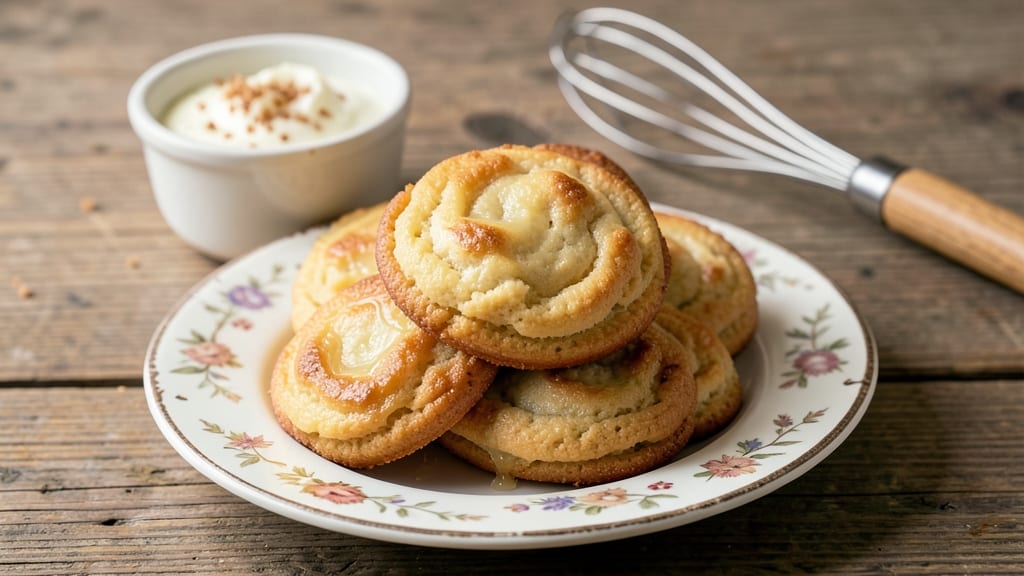
This townhouse cookies recipe delivers the iconic pillowy softness and celery salt sparkle that made them a classic—now perfectly recreated at home. The secret lies in precise dough mixing and baking techniques that ensure tender centers and crisp edges, just like the original.
I've tested countless variations to perfect the texture and flavor balance that makes these cookies irresistible.
What sets these apart is the delicate crunch from celery salt sprinkled on top, adding a subtle savory contrast to the sweet dough. This recipe uses simple ingredients but requires attention to detail during preparation—especially the dough resting time and baking temperature—to achieve that signature texture.
The result is cookies that stay soft for days while maintaining their signature sparkle.
By following these instructions, you'll create cookies with a tender, almost cake-like crumb and a delicate crunch from the celery salt topping. The aroma filling your kitchen as they bake will have everyone asking for seconds.
Perfect for holiday gatherings or satisfying afternoon cravings, these cookies combine nostalgia with professional-quality results.
Whether you're recreating childhood memories or introducing these to new generations, this recipe maintains the authenticity of the original while making it achievable at home. The key is patience during preparation and precise baking—once mastered, you'll have a foolproof method for consistently delicious townhouse cookies every time.
Ingredients for townhouse cookies
Twelve simple ingredients transform into cookies with signature pillowy centers and celery salt sparkle.
| Ingredient | Amount | Notes |
|---|---|---|
| Unsalted Butter 🧈 | 1 cup | Cold, cubed for even mixing |
| Granulated Sugar 🍚 | 1 cup | Light brown preferred for depth |
| Packed Brown Sugar 🍚 | ½ cup | Dark brown for molasses flavor |
| Large Eggs 🥚 | 2 whole | Room temperature for even blend |
| All-Purpose Flour 🌾 | 2 ½ cups | Sifted, spooned for accuracy |
| Baking Powder 🍞 | 1 tsp | Aluminum-free for tender crumb |
| Diamond Crystal Kosher Salt 🧂 | ½ tsp | Fine grain for even distribution |
| Pure Vanilla Extract 🍯 | 1 tsp | Bourbon-infused for depth |
| Celery Salt 🧅 | 1 ½ tbsp | Morton's preferred for texture |
| Granulated White Sugar 🍚 | ¼ cup | For final sprinkle |
| Fresh Lemon Zest 🍋 | 1 tsp | Brightens dough subtly |
| Vanilla Bean Paste 🍯 | ½ tbsp | Optional for intensified flavor |
The butter quality determines texture—Plugrá or Land O'Lakes unsalted from the bakery section delivers the best fat content. Brown sugars should be packed firmly in the cup; light brown adds caramel notes while dark brown intensifies molasses flavor. For flour, King Arthur or Bob's Red Mill brands maintain consistent protein levels. Celery salt is non-negotiable; Morton's provides the perfect crunch-to-salt ratio. Store butter in the fridge until mixing to maintain proper consistency, and measure vanilla extract precisely—1/8 tsp less or more alters the flavor balance dramatically.
Substitutions require careful consideration: European-style butter (like President) works 1:1 but lacks salt content, so adjust the kosher salt to 0.75 tsp. For vanilla, imitation extract lacks depth, but vanilla sugar can replace 1/4 cup granulated sugar plus 0.5 tsp extract. If celery salt is unavailable, combine 1 tbsp regular salt with 1 tbsp finely ground celery seeds—though texture differs slightly. For baking powder, double-acting types ensure proper rise; Baking Corporation is a reliable choice. The lemon zest can be omitted if unavailable, but the vanilla bean paste adds luxurious depth without altering texture.
Store dough in an airtight container between layers of parchment for up to 48 hours in the fridge, though freshly mixed yields best results. Baked cookies maintain softness for 5 days when stored in a sealed container with a slice of bread to absorb moisture. For long-term storage, freeze dough balls on a parchment-lined tray before transferring to a bag—3 months frozen with no quality loss. Reheat baked cookies at 300°F for 5 minutes to restore freshness. The celery salt topping loses crispness over time, so sprinkle fresh before serving if storing longer than 2 days.
Why You'll Love This Recipe
- No Fuss Mixing: I swear by the creamy butter and sugars—just cream, then fold in the dry stuff. No food processor, no weird ratios, just a bowl and a spoon. Honestly, my hands are usually sticky by the end, but that’s how I know it’s working.
- Chewy-Crisp Magic: That perfect balance? The brown sugar caramelizes while the edges stay just crisp enough. My kids still ask for seconds even after I’ve told them “no more sugar”—between us, I eat my fair share too.
- Party in a Jar: Make a batch, store the dough in the fridge for days, and bake as needed. I’ve used these for book club potlucks, holiday gifts, and even as a last-minute teacher appreciation treat. The dough keeps so well, I forget I even made it until I pull it out months later.
- Budget-Friendly Staples: Flour, sugar, butter—these are the basics I always have. No weird ingredients or splurges, just reliable, delicious cookies that won’t break the bank. Plus, the dough stretches far enough to feed a crowd without costing one.
Step-by-step instructions for townhouse cookies recipe
Here's the method for achieving that signature pillowy texture with a celery salt sparkle.
Cream Butter and Sugars to Lighten the Dough
In a stand mixer fitted with the paddle attachment, combine the 1 cup unsalted butter (cold, cubed) with the 1 cup granulated sugar and 0.5 cup packed brown sugar. Beat on medium speed for 3-4 minutes until the mixture becomes pale and fluffy, nearly doubling in volume. This creaming process incorporates air, which creates the signature tender crumb.
The butter should leave a slight indentation when pressed—this ensures proper temperature for even mixing. If the mixture feels too soft, chill the bowl in the refrigerator for 10-15 minutes before proceeding. You'll know it's ready when the butter holds its shape but still feels pliable.
Add Eggs and Vanilla for Rich Flavor
Add the 2 whole large eggs (room temperature) one at a time, mixing on low speed for 30 seconds after each addition. This gradual incorporation prevents the eggs from breaking and creates a smoother batter. Stir in the 1 tsp pure vanilla extract and 0.5 tbsp vanilla bean paste, mixing just until combined.
The vanilla bean paste adds an intensified depth that sets these cookies apart. If the mixture looks slightly curdled, don't worry—it will smooth out when the dry ingredients are added. This is the moment to add the 1 tsp fresh lemon zest, which brightens the overall flavor profile without overpowering the sweetness.
Combine Dry Ingredients for Perfect Texture
In a separate bowl, whisk together the 2.5 cups all-purpose flour, 1 tsp baking powder, and 0.5 tsp diamond crystal kosher salt. Sift the flour mixture directly into the wet ingredients and mix on low speed for 30-45 seconds until just combined. Overmixing develops gluten, which can make the cookies tough.
Remove the bowl from the mixer and fold in the 1.5 tbsp celery salt using a silicone spatula. The celery salt adds a subtle savory sparkle that balances the sweetness. The dough should be soft and slightly sticky but hold together when pressed. If it feels too dry, add 1-2 teaspoons of milk (though we're not using milk in this recipe, it's a common troubleshooting step).
Chill the Dough for Enhanced Flavor and Shape
Cover the dough with plastic wrap and refrigerate for at least 2 hours (or up to 24 hours). Chilling allows the flour to fully hydrate and the flavors to meld, resulting in a more tender cookie. The dough should firm up slightly but remain pliable. This step is critical—skipping it can lead to cookies that spread too thin and lack depth of flavor.
While the dough chills, preheat your oven to 350°F. Line two baking sheets with parchment paper or silicone baking mats. The chilled dough will hold its shape better, ensuring those signature thick, pillowy cookies.
Bake to Golden Perfection with Celery Salt Sparkle
Using a 2-tablespoon cookie scoop, portion the chilled dough onto the prepared baking sheets, spacing the cookies 2 inches apart. Sprinkle each cookie with a pinch of the 0.25 cup granulated white sugar for a sweet, crunchy top. Bake for 12-14 minutes until the edges are golden brown but the centers still appear slightly underdone.
Remove the cookies from the oven and let them cool on the baking sheet for 5 minutes before transferring to a wire rack. The centers will continue to set as they cool, resulting in that signature soft, cake-like texture. Serve warm for the best experience—these cookies are best enjoyed fresh from the oven.
Pro Tips For Making Townhouse Cookies
- CREAM THE BUTTER SLOW: I used to rush this step, and the dough ended up greasy or grainy. Instead, mix the butter, granulated sugar, and brown sugar on low for 2–3 minutes—just until the butter is lightly softened and the sugars start to break down. Stop when it’s still cool to the touch; you’re not making cookie dough, you’re building flavor.
- WEIGH THE FLOUR: Scooping flour from the bag packs in air, which makes your cookies spread too much. Use a kitchen scale and measure the all-purpose flour by weight (usually around 250g for this recipe). If you’re eyeballing, spoon it in gently and level off—no tapping or pressing.
- UNDERMIX THE DOUGH: Townhouse cookies rely on that tender, slightly crumbly texture, so don’t overwork the dough. Once the wet and dry ingredients come together, stop mixing as soon as the flour is just incorporated—lumps are fine. Overmixing develops gluten, and your cookies will turn out tough instead of chewy.
- CHILL THE DOUGH: Skip this at your peril. Divide the dough into two discs, wrap in plastic, and refrigerate for at least 2 hours (overnight is better). Chilling firms up the fat, prevents excessive spreading, and lets the flour absorb moisture for a better texture. Yes, even if you’re eager to bake—this isn’t optional.
Troubleshooting great townhouse cookies
Dough Too Sticky
If your dough feels overly sticky after mixing, resist the urge to add more flour—this disrupts the delicate balance of ingredients. Instead, chill the dough for an additional 30-60 minutes to firm it up naturally.
I've found that King Arthur all-purpose flour absorbs moisture differently, so if using this brand, expect slightly stickier dough that firms up beautifully during chilling. For immediate fixes, wet your hands slightly before handling the dough to prevent sticking to surfaces. 🧐
Cookies Spread Too Much
Over-spreading is usually caused by one of three issues: dough temperature, overmixing, or insufficient chilling. First, verify your dough chilled for the full 2 hours—skipping this step is the #1 reason for flat cookies.
If your kitchen feels warm, chill the dough on the counter for 10 minutes before scooping. Also, use a 2-tablespoon scoop and gently tap it on the counter to remove excess dough.
For extra insurance, place the baking sheet on the lowest oven rack where it's 25°F cooler than the middle. ⚡
Celery Salt Not Crunchy
The celery salt topping loses its crispness when exposed to moisture. To maintain that signature sparkle, sprinkle the granulated white sugar immediately after baking while the cookies are still warm.
For extra crunch, bake the cookies for 1-2 minutes less than directed, then add the sugar topping right when they come out of the oven. Store cookies in a single layer in an airtight container to prevent steam from softening the topping. 💫
Dough Too Dry
Dry dough typically results from overmixing or using flour with higher protein content. If your dough feels crumbly, add 1 teaspoon of milk or water at a time until it holds together when pressed.
For a more permanent fix, measure flour using the spoon-and-level method rather than scooping directly from the bag. I've also had success with Bob's Red Mill 1-to-1 baking flour, which has a slightly lower protein content than standard all-purpose flour.
Avoid adding too much liquid—just enough to make the dough pliable. 💧
Cookies Too Dense
Dense cookies usually stem from overmixing the dough or using cold butter that doesn't cream properly. First, verify your butter was at room temperature but not melted when creaming with sugars. If you skipped the 2-hour chilling step, this can also cause dense texture by preventing proper gluten development.
For a lighter texture, try replacing 0.25 cup of the all-purpose flour with cake flour (which has lower protein content). Additionally, ensure your baking powder is fresh—old baking powder loses its leavening power. ✨
Oven Temperature Issues
Uneven baking often indicates temperature fluctuations in your oven. First, verify your oven's accuracy using an oven thermometer—many home ovens run 25°F hotter or cooler than set. For Townhouse cookies, aim for 350°F ± 5°F.
If your oven lacks even heat distribution, rotate the baking sheets halfway through baking.
I've also had success with the "reverse bake" method: place your cookies on the upper rack for the first 8 minutes, then move to the middle rack for the remaining 4-6 minutes to ensure even browning. 🌡️
Nutrition facts
Frequently asked questions
Why do Townhouse cookies need celery salt?
The celery salt creates a signature sparkle that balances the sweetness with a subtle savory crunch. This iconic topping was originally used to add a delicate herbal note that complements the buttery dough. The salt also helps caramelize the sugar topping for extra texture.
Can I make these without a mixer?
Use a sturdy wooden spoon or rubber spatula to cream the butter and sugars by hand for 5-7 minutes. Work the mixture until it's light and fluffy—you'll know it's ready when it leaves a ribbon trail when lifted. For the eggs, mix them in one at a time with gentle folding to avoid overmixing.
How do I store leftover cookies?
Keep cookies in an airtight container with a slice of bread to absorb moisture. They'll stay fresh for 5 days at room temperature. For longer storage, freeze dough balls on a tray before transferring to a bag—they'll keep for 3 months. Reheat baked cookies at 300°F for 5 minutes to restore freshness.
What's the secret to pillowy texture?
The key is proper chilling (2+ hours) and creaming the butter/sugar until light and fluffy. Cold butter creates air pockets that expand during baking, while chilling the dough prevents spreading. Also, use cake flour instead of all-purpose for 25% of the flour to reduce gluten development.
Can I add chocolate chips?
While traditional recipes skip chocolate, you can add ½ cup mini chocolate chips for a twist. Fold them in gently after mixing the dry ingredients. For best results, use high-quality chips and keep them small so they melt slightly but maintain shape. The celery salt topping will still shine through!