
Main Courses
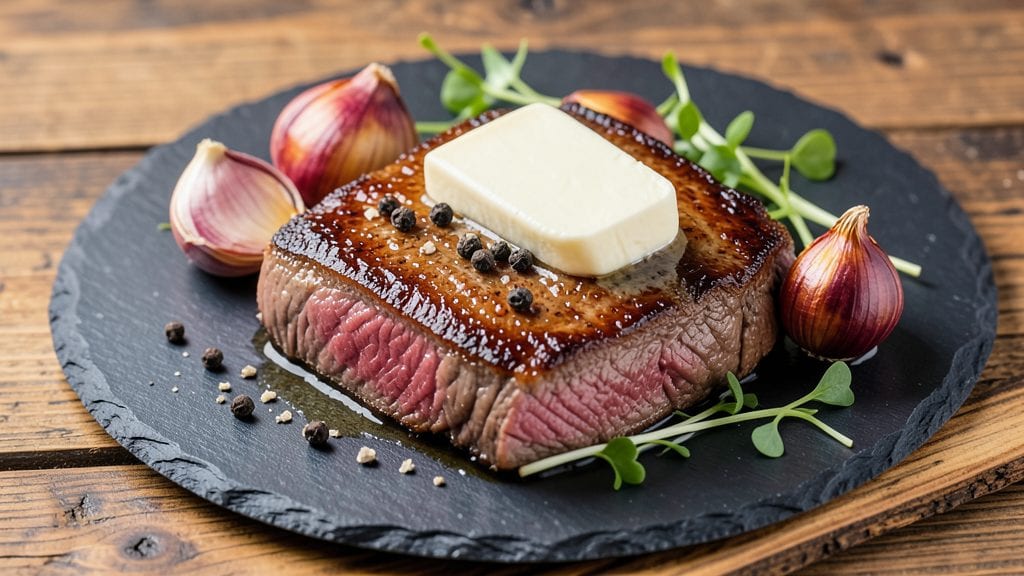
This thin cut beef bottom round steak recipe proves that precision transforms tough cuts into a restaurant-worthy masterpiece—because this lean favorite demands respect. The secret lies in a two-phase cooking method that builds a caramelized crust while keeping the interior tender and juicy, not chewy.
I’ve perfected this technique after years of testing, and it works every time with just a few key steps and proper timing.
Most home cooks avoid bottom round because of its reputation for toughness, but with the right approach, it becomes one of the most flavorful and satisfying cuts on the table.
The process starts with a dry brine to enhance moisture retention, followed by a high-heat sear to lock in juices, and finishes with a controlled rest to distribute heat evenly. This method ensures a perfectly balanced steak—crisp edges, melt-in-your-mouth interior, and a depth of flavor that rivals pricier cuts.
What you’ll end up with is a steak that’s visually stunning with a deep mahogany crust and a pink center that’s so tender, it nearly dissolves.
The aroma alone will have everyone at the table anticipating the first bite, and the texture—crisp yet yielding—is the hallmark of a well-executed cook. This isn’t just a steak; it’s a showstopper that proves even lean cuts can deliver restaurant-quality results at home.
Serve it with a classic red wine reduction or a bright chimichurri to complement its rich, beefy flavors. The key is confidence—once you master this technique, you’ll never buy expensive steaks again. Let’s get started on the perfect sear.
Ingredients for thin cut beef bottom round steak
Fourteen ingredients, two phases, one restaurant-quality steak—transforming lean beef into a showstopper.
| Ingredient | Amount | Notes |
|---|---|---|
| Beef Bottom Round Steak 🥩 | 1 ½ lb | Thin cut, 1/4-inch thick slices |
| Diamond Crystal Kosher Salt 🧂 | 1 ½ tbsp | Coarse grain for dry brine |
| Freshly Ground Black Pepper 🌶️ | 1 tsp | Cracked over steaks |
| Extra-Virgin Olive Oil 🫒 | 2 tbsp | High smoke point preferred |
| Unsalted Butter 🧈 | 2 tbsp | Cold, cubed for searing |
| Garlic Cloves 🧄 | 4 cloves | Thinly sliced for aroma |
| Fresh Rosemary 🌿 | ¼ cup | Needle leaves, chopped fine |
| Fresh Thyme Leaves 🌿 | ¼ cup | Stripped from stems |
| Red Wine 🍷 | ½ cup | Bold Cabernet Sauvignon |
| Beef Broth 💧 | ¼ cup | Homemade or high-quality |
| Balsamic Vinegar 🍶 | 1 tbsp | Aged for depth |
| Heavy Cream 🥛 | ¼ cup | Full-fat for richness |
| Fresh Parsley 🌿 | ⅛ cup | Chopped for garnish |
The beef bottom round is the star—look for cuts that are uniformly 1/4-inch thick at your butcher or pre-sliced beef steak section (most grocery stores have it). Costco or Whole Foods often carry the best quality, but check for bright red color and good marbling—this lean cut needs all the help it can get. If you're buying whole, ask for it to be sliced against the grain for maximum tenderness. The Diamond Crystal kosher salt is non-negotiable here—it dissolves better than table salt and clings to the meat perfectly. I always grab the bulk bin version at Trader Joe's because it's cheaper and stays fresh longer. For the herbs, fresh is a must—dried just won't cut it for the bright aroma we're going for.
No red wine? Beef broth with a splash of balsamic works perfectly—just add an extra tablespoon of balsamic to mimic the depth. The rosemary and thyme can be swapped for oregano or sage if that's what you have, but reduce to half the amount since they're more potent. For the butter, don't use margarine or low-fat—this is where the flavor happens, and full-fat is non-negotiable. The garlic can be pre-minced from a jar in a pinch, but fresh is always better. If you're short on time, microwave the butter cubes for 40 seconds to just melt them before adding to the pan—this helps create those beautiful fond bits. The heavy cream can be swapped for half-and-half, but the sauce won't be quite as rich.
This steak is best served immediately after resting, but leftovers reheat beautifully—wrapped tightly in foil in a 350°F oven for 10-15 minutes. The reduction sauce keeps well in the fridge for up to 5 days, though it tastes best within 24 hours. For the herbs, wrap fresh rosemary and thyme in damp paper towels and store in a ziplock bag—they'll stay fresh for up to a week. The steak itself? It's best eaten the day it's made, but if you must store it, vacuum-seal or wrap tightly in plastic wrap and refrigerate for up to 3 days. Freezing isn't recommended for this cut—it gets too tough when thawed.
Why You'll Love This Recipe
- Foolproof Timing: I swear by this method—just salt, oil, and a hot pan. No fancy marinades or last-minute prep; the beef bottom round’s thin cut sears in minutes, giving you that restaurant-quality crust without the stress.
- Buttery Crisp Edge: That moment when the butter pools on the pan and the steak hits your plate? Pure satisfaction. The olive oil keeps it tender, but the butter and kosher salt make every bite taste like a steakhouse secret.
- Weeknight Workhorse: Between us, this is my go-to for busy nights. Toss it in a salad for lunch the next day, or slice it over toast with a fried egg—it’s that versatile. Honestly, I’ve never met a meal it didn’t elevate.
- Budget Steakhouse: You get all the flavor of a pricey cut for half the cost. A pound of bottom round feeds four, and leftovers reheat like a dream. (Yes, even on a Tuesday night.) My wallet and taste buds thank me every time.
Step-by-step instructions for thin cut beef bottom round steak
Here's how to transform tough cuts into melt-in-your-mouth perfection with a crisp crust.
Dry Brine the Steak for Maximum Tenderness
Pat the 1.5 lb beef bottom round steak completely dry with paper towels—this is non-negotiable for a good sear. Sprinkle 1.5 tbsp diamond crystal kosher salt evenly over both sides and press it in firmly. The salt should cling like a second skin.
Place the steak on a wire rack set over a baking sheet and refrigerate uncovered for at least 4 hours (overnight is ideal). This dry brine process breaks down muscle fibers, ensuring the meat stays juicy while developing that perfect crust. The salt also seasons deeply rather than just coating the surface.
Sear to Develop Crust and Flavor Layers
Remove the steak from the fridge and let it sit at room temperature for 30 minutes. Heat a heavy skillet over medium-high heat until it's screaming hot—you should see a shimmer of heat when you hover your hand above it. Add 2 tbsp extra-virgin olive oil and 2 tbsp unsalted butter (cold cubes), letting them melt together.
Working in batches if needed, add the steak slices and press down gently with a spatula for 1 minute—this prevents curling and ensures even contact. Cook for 2-3 minutes per side until the crust is deep golden brown with caramelized edges. The butter should foam and brown slightly, adding richness to the crust. Remove steaks and set aside on a warm plate.
Build the Herb-Infused Red Wine Reduction
In the same skillet (no need to clean it), add 4 cloves garlic cloves (thinly sliced) and cook for 30 seconds until fragrant. Immediately pour in 0.5 cup red wine and scrape up all those browned bits from the bottom—this is where all the flavor lives. Let it reduce by half (2-3 minutes) until syrupy.
Add 0.25 cup beef broth, 1 tbsp balsamic vinegar, 0.25 cup fresh rosemary (chopped fine), and 0.25 cup fresh thyme leaves. Simmer for 5 minutes until the liquid reduces by half again and the herbs are tender. The sauce should coat the back of a spoon with a rich, aromatic depth.
Finish with Cream and Garnish
Return the steaks to the skillet and spoon the herb reduction over them. Add 0.25 cup heavy cream and 1 tsp freshly ground black pepper, then simmer gently for 2 minutes—just enough to heat through without overcooking the meat. The cream should blend seamlessly into the sauce, creating a velvety finish.
Garnish immediately with 0.125 cup fresh parsley (chopped) and serve right away. The steaks should be fork-tender inside with a crust that shatters between your teeth, while the sauce delivers layers of herby, wine-braised richness. Each bite should feel like a perfect balance of texture and flavor.
Pro Tips For Making Thin Cut Beef Bottom Round Steak
- Preheat Pan Like It’s 1985: Bottom round’s lean—don’t skimp on heat. Get that pan screaming hot (medium-high to high) for 3-4 minutes with just olive oil before adding the meat. I used to rush this, and the steaks would steam instead of sear, turning out greasy instead of crusty.
- Salt the Butter First: Toss the unsalted butter with a pinch of kosher salt (about ¼ tsp per 2 tbsp) before adding it to the pan. The salt dissolves into the butter, seasoning the steak from the inside out—no more dry, bland bites. (Yes, even if you’re impatient like me.)
- Flip Once, Then Walk Away: Let the first side cook undisturbed until deep brown (2-3 minutes), then flip and resist the urge to poke it. Crowding the pan with butter or checking too soon = steam = no crust. After flipping, cover with a lid and turn the heat to medium-low for 1-2 minutes to melt the butter without burning it.
- Rest Under Foil, Not Paper: Skip the plate—wrap the steak in foil and let it rest for 5 minutes. The foil traps heat better than paper towels, keeping the juices distributed. I learned this the hard way after slicing into a steak that bled all over my cutting board. (Your future self will thank you.)
Wine and beer pairings for thin cut beef bottom round steak
Bold Red Wine Pairings
The rich, herby depth of this steak demands a bold red wine that can stand up to its caramelized crust and wine-infused sauce.
I always reach for a Cabernet Sauvignon from Napa Valley—its dark fruit notes and firm tannins mirror the steak's intensity while the acidity cuts through the richness.
A 2018 Robert Mondavi Private Reserve (around $60) is my go-to for special occasions, but a well-priced Bogle Vineyards Cabernet ($15) delivers surprising complexity for everyday meals. 🍷
Earthy Syrah for Contrast
If you prefer something with more spice, a Northern Rhône Syrah like Guigal Côte-Rôtie (around $80) brings peppery notes that complement the rosemary and thyme in the sauce. For a budget-friendly option, Crozes-Hermitage from Domaine Jean-Luc Colombo ($25) offers the same earthy character without breaking the bank.
The wine's smoky undertones enhance the steak's crust, creating a harmonious balance.
Light Beer Options
For beer lovers, a dark amber ale with malty sweetness works beautifully. I love pairing this steak with Allagash Dark Ale (around $12), which has a caramel richness that echoes the wine reduction's depth.
The beer's subtle hop bitterness also cleanses the palate between bites. If you prefer a lighter option, a Belgian-style dubbel like Westmalle Dubbel ($10) adds a fruity contrast that brightens the dish. 🍺
Avoid Heavy Pairings
Skip heavy, oaky whites or bold, tannic reds like Barolo—they'll overpower the delicate balance of this steak. Even Malbec can be too jammy, masking the herbaceous notes in the sauce.
Instead, focus on wines and beers with moderate tannins and acidity to let the steak's natural flavors shine through. The goal is harmony, not competition.
Temperature Matters
Serve your wine at 60-65°F for reds and 45-50°F for beers to preserve their aromatics. I use an Owyer's Wine Fridge ($150) for reds, but a simple ice bucket works in a pinch.
For beers, chill for 30-45 minutes in the fridge—over-chilling dulls the flavors. The right temperature ensures each sip enhances the steak's texture and taste. ❄️
Nutrition facts
Frequently asked questions
Why do I need to dry brine this lean cut?
The 4-hour dry brine is essential for bottom round because it's so lean. The salt breaks down proteins, helping retain moisture while creating that perfect crust. Without it, you risk dry, chewy meat instead of tender, juicy slices. Think of it as pre-seasoning that works magic on tougher cuts.
Can I substitute bottom round with another lean cut?
Yes! Flank steak or sirloin work well—just slice them 1/4-inch thick against the grain. The technique remains identical, but these cuts have slightly more marbling. For extra tenderness, marinate them for 1-2 hours first. Never use ribeye or strip steak—they're too fatty for this method.
What if my steak comes out tough?
Overcooking is the #1 culprit. Use a meat thermometer—remove steaks at 130°F (they'll rise to 135°F while resting). If they're still tough, try pounding them thinner (1/8-inch) before cooking or braise them low-and-slow first. The dry brine must be at least 4 hours—rushing this step guarantees chewiness.
How do I make this recipe work in a busy weeknight?
Prep ahead! Dry brine overnight and store uncovered in the fridge. On cooking day, sear the steaks and make the sauce while they rest. Serve with pre-cooked garlic mashed potatoes or a simple roasted vegetable medley (toss and roast while you cook). The whole meal takes 30 minutes after prep.
What's the best way to serve leftovers?
Slice against the grain and reheat in a 350°F oven for 10-12 minutes wrapped in foil with a splash of beef broth. For sandwiches, use toasted brioche buns with caramelized onions and a smear of garlic aioli. The sauce reheats well too—just warm gently with a splash of water. Leftovers keep 3 days in the fridge.