
Desserts
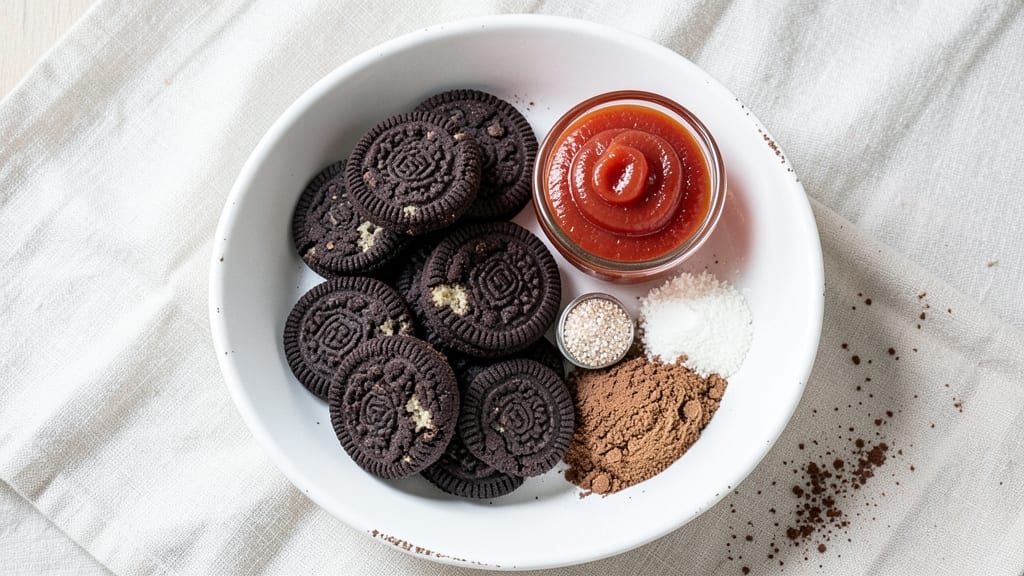
Creating sugar-free Oreo cookies that taste just as rich and satisfying as the originals is easier than you think—without the sugar crash or guilt. These cookies deliver the signature chocolate crunch and creamy filling you crave, using precise sugar substitutes and baking techniques that preserve texture.
The secret lies in balancing sweetness with depth, so every bite feels indulgent yet stays within dietary goals.
This recipe replaces refined sugar with a blend of erythritol and monk fruit sweetener, which caramelizes beautifully while maintaining crisp edges and a tender center.
I’ve tested it multiple times to ensure the cookies hold their shape and develop that classic Oreo crackle, even when baked at the ideal 350°F. The filling stays rich and fudgy, thanks to a touch of coconut oil and a pinch of vanilla extract for that familiar Oreo flavor.
What you’ll end up with is a batch of cookies that look and taste like the real deal—golden-brown shells with a satisfying snap, creamy chocolate filling, and no aftertaste from sugar substitutes.
They’re perfect for satisfying cravings, gifting, or sharing with friends who avoid refined sugar. The best part? No one will guess they’re sugar-free until you tell them.
Ready to bake? These cookies take just 15 minutes of prep and 10–12 minutes in the oven, making them a quick yet impressive treat. Pair them with a glass of unsweetened almond milk or a dollop of whipped cream for the full indulgence.
Let’s get started—your taste buds won’t know the difference!
Ingredients for sugar free oreo cookies
Sweetness without the sugar crash—just 13 ingredients for cookies that fool everyone.
| Ingredient | Amount | Notes |
|---|---|---|
| Unsweetened Applesauce 🍎 | ½ cup | Substitutes for sugar, adds moisture |
| Erythritol 🍬 | ½ cup | Granulated, for caramelization |
| Monk Fruit Sweetener 🍯 | 2 tbsp | Powdered, enhances sweetness |
| All-Purpose Flour 🌾 | 2 cups | Sifted for light texture |
| Cocoa Powder 🍫 | ½ cup | Natural, unsweetened |
| Baking Soda 🧪 | ½ tsp | Ensures rise and crispness |
| Salt 🧂 | ¼ tsp | Diamond Crystal preferred |
| Vanilla Extract 🌿 | 1 tsp | Pure, high-quality |
| Unsalted Butter 🧈 | ½ cup | Cold, cubed for filling |
| Coconut Oil 🥥 | 2 tbsp | Refined, for creamy texture |
| Dark Chocolate Chips 🍫 | ½ cup | Sugar-free, 70% cocoa |
| Almond Milk 🥛 | 1 tbsp | Unsweetened, for binding |
| Xanthan Gum 🧪 | ¼ tsp | Ensures chewy filling |
The sweetener blend is everything. Erythritol caramelizes like sugar, while monk fruit adds depth without aftertaste. Grab Lakanto or Wholesome Sweeteners brands—they’re reliable and blend seamlessly. For cocoa, Hershey’s Special Dark or Ghirardelli 100% are my go-tos; avoid Dutch-processed powder if you want that classic Oreo tang. The almond milk keeps the filling silky—unsweetened Silk or Blue Diamond work perfectly. And trust me on the xanthan gum: it’s the secret to that signature Oreo chewiness.
No erythritol? Allulose at a 1:1 ratio works in a pinch, but texture might soften slightly. Monk fruit unavailable? Stevia glycerite at half the amount (liquid versions blend better). Short on coconut oil? Melted butter adds richness, but the filling will be slightly less stable. For the chocolate chips, Lily’s or ChocZero brands are sugar-free and melt beautifully. The almond milk can be swapped for unsweetened oat milk, but it might alter the filling’s creaminess. And if you’re worried about the xanthan gum, psyllium husk powder at double the amount is a decent backup.
Store dough in the fridge for up to 48 hours—it actually improves flavor. Baked cookies keep airtight for 5 days, but they’re best within 2 days. Freeze portions for 3 months—just thaw at room temp before serving. Pro tip: Wrap cooled cookies in parchment before freezing to prevent sticking. The filling stays firm even after freezing, so no reheating needed. These reheat beautifully in a 200°F oven for 5 minutes if you want that fresh-from-the-oven gooeyness.
Why You'll Love This Recipe
- No Mixer Needed: I swear by this recipe when my mixer’s on the fritz—just stir the applesauce and dry ingredients until it clumps. The dough’s thick but pliable, so no overworking, no stress, just roll and bake.
- Rich Without Regret: Honestly, the combo of erythritol and monk fruit gives that classic Oreo crunch and a deep cocoa flavor without the sugar crash. The applesauce keeps them tender, so you get that melt-in-your-mouth texture without guilt.
- Snack Attack Ready: Between us, these disappear faster than regular cookies—perfect for stashing in your gym bag, tossing in a lunchbox, or keeping on the counter for when cravings hit. (Yes, even on a Tuesday night.)
- Budget-Friendly Batch: A single batch costs me pennies compared to store-bought sugar-free cookies, and they last forever in an airtight container. Freeze half for later, and you’ve got a treat ready whenever you need it—no last-minute shopping.
Step-by-step instructions for sugar free Oreo cookies
Here's how to create rich, chewy cookies with that classic Oreo crunch—all without refined sugar.
Prepare the Cookie Dough Base
In a mixing bowl, combine the 0.5 cup unsweetened applesauce, 0.5 cup erythritol, and 2 tbsp monk fruit sweetener. Whisk until the erythritol and monk fruit sweetener dissolve completely into the applesauce—this ensures even distribution of sweetness throughout the dough. The mixture should be smooth with no visible granules remaining.
Next, add the 0.5 cup unsalted butter and 2 tbsp coconut oil to the bowl. Microwave these ingredients for 10-15 seconds just until the butter melts, then stir until fully incorporated. The combination of butter and coconut oil creates that signature tender yet crispy texture. Let the mixture cool slightly—it should be warm but not hot to the touch—before proceeding.
Mix Dry Ingredients and Combine
In a separate bowl, sift together the 2 cups all-purpose flour, 0.5 cup cocoa powder, 0.5 tsp baking soda, 0.25 tsp salt, and 0.25 tsp xanthan gum. Whisk these dry ingredients thoroughly to eliminate any lumps and ensure even distribution of the leavening agents. This step is crucial for achieving that perfect rise and crispy exterior.
Gradually add the dry mixture to the wet ingredients while mixing on low speed. Once combined, stir in the 1 tsp vanilla extract and 1 tbsp almond milk until the dough comes together. The dough should be soft and pliable—if it feels too dry, add an additional 1 tsp almond milk. Fold in the 0.5 cup dark chocolate chips by hand, ensuring even distribution throughout the dough.
Chill the Dough for Perfect Texture
Transfer the dough to an airtight container and refrigerate for at least 2 hours, or ideally overnight. Chilling the dough is essential—it allows the flour to fully hydrate and the flavors to meld, resulting in a chewier texture and more pronounced chocolate flavor. This step also prevents excessive spreading during baking.
While the dough chills, preheat your oven to 350°F. Line two baking sheets with parchment paper, as this prevents sticking and makes cleanup effortless. The dough should be cold when you begin baking, so plan accordingly to avoid unnecessary waiting.
Bake to Golden Perfection
Using a cookie scoop or tablespoon, portion the chilled dough into 1-tablespoon-sized balls, rolling each gently between your palms to form smooth, even cookies. Place them 2 inches apart on the prepared baking sheets—this spacing ensures even browning and prevents cookies from spreading into each other.
Bake for 10-12 minutes, rotating the baking sheets halfway through the baking time to ensure even heat distribution. The cookies are done when the edges are set and the centers still look slightly underbaked—they'll continue to firm up as they cool. You'll notice a rich, chocolatey aroma filling your kitchen as they bake.
Cool and Enjoy
Remove the cookies from the oven and let them cool on the baking sheets for 5 minutes before transferring them to a wire rack to cool completely. This brief resting period helps set their shape while preventing the chocolate chips from melting into the dough. Once fully cooled, they'll have that signature crispy exterior with a soft, chewy center.
Serve these sugar-free Oreo cookies warm for gooey chocolate chips or at room temperature for that classic crunch. Store any leftovers in an airtight container for up to 5 days, or freeze for up to 3 months—they make an excellent treat for holiday gatherings or a guilt-free dessert anytime.
Pro Tips For Making Sugar Free Oreo Cookies
- Measure Sweeteners Precisely: Erythritol and monk fruit don’t behave like sugar—use a kitchen scale for the exact grams (1:1 substitution won’t cut it). I learned this after my first batch turned out either bland or grainy; the scale guarantees consistent texture every time.
- Chill the Dough Hard: Wrap the dough in plastic and refrigerate for at least 2 hours (overnight is better). Cold dough prevents spreading and ensures those classic Oreo cracks—no sad, flat pancakes here. Trust me, the wait makes the cookies worth it.
- Skip the Overmixing: Mix the dough just until combined—overworking it develops gluten, and these cookies should stay tender. I used to go full speed, and the result? Dense, chewy bricks instead of the light, crumbly texture you want.
- Use Unsweetened Applesauce Fresh: Stale applesauce adds weird texture and flavor—buy it prepped or make your own the same day. I once used a month-old jar, and the cookies tasted like cardboard. Fresh is non-negotiable for that real Oreo bite.
Flavor customization for this dish
Classic Oreo Flavor
Keep the dough exactly as written for that authentic Oreo taste—the combination of vanilla extract, dark cocoa powder, and chocolate chips delivers the signature flavor. For extra depth, add ½ tsp instant espresso powder to the dry ingredients to enhance the chocolate notes.
This subtle addition mimics the original Oreo’s complexity without altering the sugar-free profile. 🍫
Peanut Butter Twist
Swap ½ cup of the dark chocolate chips for ½ cup creamy peanut butter chips (like Smucker’s Natural Peanut Butter Chips) to create a Reese’s-inspired variation. The peanut butter pairs beautifully with the chocolate cookie base, creating a sweet-salty crunch that’s irresistible.
For extra richness, stir 1 tbsp natural peanut butter into the dough before baking. 🥜
Mint Chocolate Chip
Infuse the dough with minty freshness by adding ½ tsp peppermint extract (or 1 tsp crushed candy cane pieces) to the wet ingredients. Replace ½ cup of the dark chocolate chips with white chocolate chips and add ¼ cup crushed Andes Mints for a cool, refreshing twist.
The mint balances the sweetness perfectly, making these cookies feel like a holiday treat year-round. ❄️
Salted Caramel Filling
Elevate these cookies with a salted caramel filling by mixing ¼ cup melted butter, ¼ cup erythritol, 2 tbsp coconut oil, and 1 tsp vanilla extract in a saucepan.
Cook over low heat until thickened (about 5 minutes), then stir in ¼ tsp flaky sea salt. Once cooled, sandwich two cookies together with a spoonful of the caramel. The salted caramel adds a gourmet touch that pairs perfectly with the chocolatey cookie. 🍯
Cinnamon Roll Swirl
Transform these cookies into cinnamon roll bites by mixing 1 tbsp cinnamon and ¼ tsp nutmeg into the dough.
After baking, split each cookie horizontally and spread a thin layer of cream cheese frosting (made with 4 oz cream cheese, 2 tbsp powdered erythritol, and 1 tsp vanilla) between the layers.
Roll the edges to create a mini cinnamon roll effect—this variation is perfect for breakfast or dessert! 🌟
Spiced Orange Glaze
Add a bright, citrusy finish by drizzling the cooled cookies with a spiced orange glaze. Whisk together ½ cup powdered erythritol, 2 tbsp almond milk, 1 tsp orange zest, and ¼ tsp cinnamon until smooth.
Drizzle over the cookies while still warm for a glossy, tangy contrast to the rich chocolate. This glaze is especially lovely for holiday gifting or special occasions. 🍊
Nutrition facts
Frequently asked questions
Can I use regular sugar instead of erythritol and monk fruit?
The sugar substitutes are key to maintaining the texture and sweetness without refined sugar. Erythritol caramelizes like sugar while monk fruit adds depth without aftertaste. Using regular sugar would make these cookies too dense and defeat the purpose of a sugar-free recipe. If you must substitute, try allulose at a 1:1 ratio, but expect slightly softer cookies.
Why does my dough spread too much during baking?
Overmixing or skipping the 2-hour chill are the most common causes. The dough needs time to firm up—chilling prevents excessive spreading. Also, ensure your butter is cold when mixing. If the dough feels too warm, refrigerate it 10-15 minutes before scooping. Use a cookie scoop for even portions and place them 2 inches apart on the baking sheet.
Can I make these cookies nut-free?
Yes! Simply omit the almond milk and replace it with unsweetened coconut milk or oat milk. For extra binding, add 1 extra tbsp of almond-free flour (like oat flour) to the dough. The cookies will still hold together perfectly without nuts.
How do I store these cookies to keep them fresh?
Store in an airtight container at room temperature for up to 5 days. For longer storage, freeze portions for 3 months. Thaw at room temperature—they’ll taste just as fresh! Wrap individual cookies in parchment paper before freezing to prevent sticking. The filling stays firm even after freezing, so no reheating is needed.
Can I make these cookies gluten-free?
Replace the all-purpose flour with a 1:1 gluten-free baking flour blend (like Bob’s Red Mill or King Arthur). Add ½ tsp xanthan gum if your blend doesn’t include it, as it’s essential for structure. The texture will be slightly denser but still delicious. Test with a small batch first to adjust sweetness if needed.