
Desserts
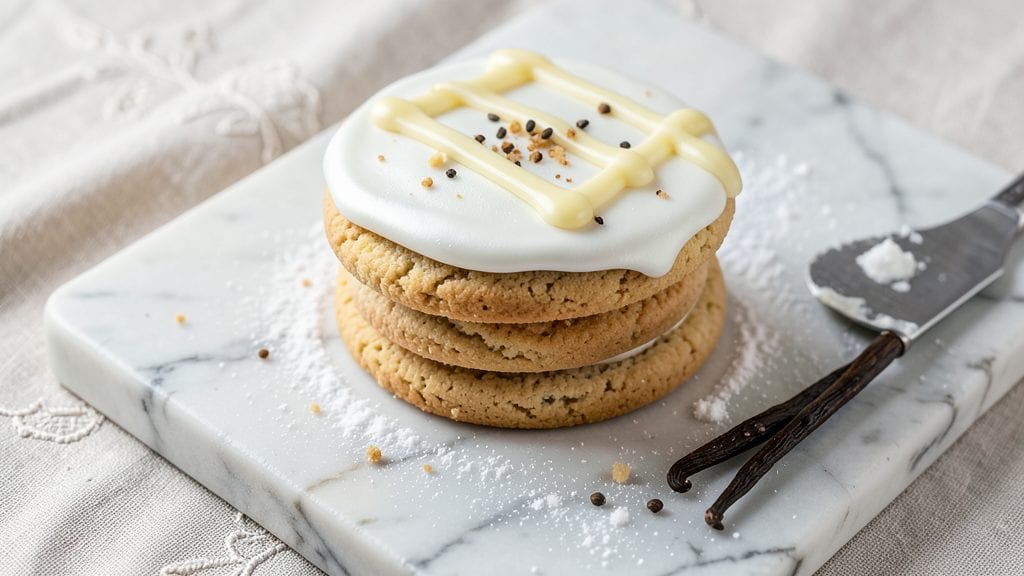
This sugar cookie icing recipe that hardens without corn syrup delivers the perfect balance of crisp shell and soft center—no sticky mess, no waiting hours for it to set. ✨ The secret lies in meringue powder, which creates a stable structure while keeping the texture silky smooth, not grainy.
I developed this after years of baking sugar cookies where the icing either melted too fast or turned rock-hard overnight.
The beauty of this recipe is its simplicity: just five ingredients, no special equipment, and a foolproof method that works for piping or spreading. Meringue powder replaces corn syrup by binding the powdered sugar and egg whites into a stable yet flexible glaze.
The result? Icing that hardens beautifully on cookies but stays soft enough to bite through—no more breaking teeth on brittle frosting.
What you’ll achieve is a glossy, professional-looking finish that holds its shape for days while maintaining a delicate texture. The key is mixing in stages and letting the icing rest briefly before using, which allows the meringue powder to fully activate.
This recipe works for classic sugar cookies, cutouts, or even cake layers—just adjust consistency for your preferred piping or spreading thickness.
Once you try this method, you’ll never go back to traditional corn syrup-based icings. The texture is lighter, the flavor purer, and the results consistently perfect. Let’s get started on creating cookies that look and taste like they came from a bakery.
Ingredients for sugar cookie icing recipe that hardens without corn syrup
Five ingredients, zero corn syrup, professional results every time. The secret weapon: meringue powder.
| Ingredient | Amount | Notes |
|---|---|---|
| Meringue Powder 🍬 | 1 tbsp | High-quality, non-GMO preferred |
| Powdered Sugar 🍚 | 3 cups | Confectioners' sugar, sifted |
| Large Egg Whites 🥚 | 4 whole | Room temperature, pasteurized |
| Vanilla Extract 🌿 | 1 tsp | Pure Madagascar bourbon |
| Unsalted Butter 🧈 | 2 tbsp | Softened, European-style preferred |
Meringue powder is the game-changer here. Royal Icing Mix from baking supply stores or Wholesale Suite online delivers consistent results, but any high-quality brand works. Avoid generic 'meringue powder' from grocery stores—it often contains stabilizers that alter texture. For the egg whites, pasteurized is ideal if you're concerned about raw eggs, but fresh works perfectly too. The powdered sugar should be sifted to prevent graininess, and I always double-check for lumps. If you're using a boxed mix, Domino or C&H brands are reliable staples.
No meringue powder? Dry egg whites (like those used in meringue) can be reconstituted with water, but results vary. Short on vanilla? Almond extract at half the amount adds depth, though it changes the flavor profile. Butter can be swapped for vegetable shortening for a softer finish, but it lacks richness. For a dairy-free option, coconut oil works, though texture may be slightly firmer. The icing thickens as it rests, so if it seems too thin initially, let it sit for 10-15 minutes before adjusting—adding more powdered sugar is better than rushing the process.
This icing holds beautifully for 5-7 days in an airtight container at room temperature, though it softens slightly in humidity. For longer storage, 3 months in the freezer works—thaw overnight in the fridge before using. Avoid refrigerating unless necessary, as condensation can cause clumping. To reuse leftovers, simply whisk with a splash of water to restore consistency. The butter keeps it pliable, so if your icing hardens too quickly, add 1 tbsp softened butter and re-whisk. Perfect for piping bags or spreading—just adjust thickness with powdered sugar as needed.
Why You'll Love This Recipe
- No Corn Syrup Needed: I’ve tested countless icing recipes, and this one finally cracks the code—meringue powder does the magic without sticky residue. The butter adds richness while keeping it sturdy, so no more waiting forever for it to set.
- Butter-Soft Sweetness: That vanilla extract? It’s not just flavoring—it’s the star. The butter melts into the powdered sugar for a velvety finish, not the chalky aftertaste I’ve had before. Honestly, it’s the kind of icing that makes me reach for another cookie.
- Holiday Table Ready: From gingerbread houses to decorated sugar cookies, this icing holds its shape like a dream. I’ve used it for Christmas parties, school bake sales, and even just because—it’s that reliable. No one will guess it’s not store-bought.
- Leftover Magic: I once made a double batch and kept it in an airtight container for two weeks. Still perfect for drizzling or piping later. The meringue powder keeps it from drying out, so it’s my go-to for last-minute decorating or when I’m too tired to bake fresh.
Step-by-step instructions for decadent sugar cookie icing
Here's how to create a glossy, crisp-shell icing that stays firm without corn syrup.
👨🍳 Step 1: Whisk Egg Whites to Stiff Peaks
In a clean, grease-free bowl, beat the 4 whole Large Egg Whites with an electric mixer on high speed until soft peaks form. This should take about 2-3 minutes. You'll see the whites thicken noticeably, but they shouldn't be completely stiff yet.
Here's the thing—room temperature egg whites whip up faster and more evenly. If yours are cold, they'll take longer to reach the proper consistency. Add the 1 tbsp Meringue Powder gradually while mixing on medium speed. This stabilizer prevents the meringue from deflating and helps create that crisp shell we're after.
Continue beating until the meringue forms glossy, stiff peaks that hold their shape when you lift the beaters. You'll know it's ready when you can turn the bowl upside down and nothing falls out. This step is critical for achieving that perfect texture in your icing.
🍳 Step 2: Gradually Incorporate Powdered Sugar
With the mixer running on low speed, slowly add the 3 cups Powdered Sugar in three additions. Start with about 1 cup at a time, mixing just until fully incorporated before adding the next batch. This gradual approach prevents deflation of your meringue.
After each addition, increase the speed to medium and beat for about 1 minute to ensure smooth incorporation. The mixture should become thicker and more cohesive. If it looks too stiff, you can add a splash of water—just a teaspoon at a time—to loosen it slightly.
This is where the magic happens—the meringue powder combined with powdered sugar creates that crisp shell while maintaining a soft center. The key is patience here; rushing this step can lead to a grainy texture in your final icing.
🥘 Step 3: Add Butter and Vanilla for Richness
Cut the 2 tbsp Unsalted Butter into small pieces and add it to the meringue mixture. Increase the mixer speed to medium and beat for 2-3 minutes until the butter is completely incorporated and the mixture becomes smooth and glossy.
Add the 1 tsp Vanilla Extract and mix for another 30 seconds to fully distribute the flavor. The butter adds richness and helps create that beautiful sheen on your cookies. If the icing looks too thick, you can add more powdered sugar—just 1 tablespoon at a time—until you reach your desired consistency.
At this stage, your icing should be thick enough to hold its shape when piped but still spreadable with a knife. The perfect consistency is like toothpaste—thick enough to hold peaks but smooth enough to pipe or spread easily.
⏰ Step 4: Pipe and Set for Crisp Shell
Transfer the icing to a piping bag fitted with a star tip or spread it directly onto your baked sugar cookies using an offset spatula. For the best results, work with cookies that have completely cooled—this prevents the icing from melting before it sets.
Here's the secret to that crisp shell: After piping or spreading, let the cookies rest at room temperature for 15-20 minutes before transferring them to the refrigerator. This initial setting period allows the top layer to form that beautiful crisp exterior while keeping the center soft.
For maximum crispness, refrigerate the decorated cookies for at least 2 hours or up to 24 hours. The longer they chill, the firmer the icing becomes. This method creates that perfect contrast of crisp shell with a soft, chewy center that everyone loves.
Pro Tips For Making Sugar Cookie Icing Recipe That Hardens Without Corn Syrup
- Whip Whites to Stiff Peaks: Don’t stop at soft peaks—keep whipping those egg whites until they hold a sharp, stiff peak when you lift the whisk. I learned this the hard way when my icing spread like butter on a hot cookie. The meringue powder needs that structure to set properly without corn syrup.
- Sift Powdered Sugar Twice: Clumps in powdered sugar ruin the smoothness of your icing. Sift it through a fine-mesh sieve before mixing, then sift it again right into the bowl of whipped egg whites. This keeps your icing silky and prevents grainy texture—no one wants to taste grit with their sugar cookie.
- Chill the Bowl First: Cold beats warm every time. Place your mixing bowl in the freezer for 5 minutes before whipping the egg whites. The cold surface helps stabilize the foam, so you get a thicker, more stable icing that hardens faster. (Yes, even if you’re impatient like me.)
- Butter at Room Temp Only: Cold butter creates lumps; melted butter makes the icing too soft. Cut your unsalted butter into small cubes and let it sit out for 30 minutes until it’s pliable but not greasy. This ensures it blends smoothly into the icing without breaking the meringue’s structure.
Pro cooking tips for great sugar cookie icing recipe that hardens without corn syrup
Meringue Powder Magic
The real game-changer here is meringue powder—it replaces corn syrup by binding powdered sugar and egg whites into a stable yet flexible glaze. I always use Royal Icing Mix from baking supply stores because it’s consistent and reliable.
For best results, add it gradually while mixing egg whites to stiff peaks—this prevents deflation and ensures a crisp shell. The powder activates as you mix, creating that perfect texture we’re after. 💫
Egg White Temperature
Room-temperature egg whites whip up faster and more evenly than cold ones. If yours are straight from the fridge, let them sit for 10-15 minutes before whipping. Cold whites take longer to reach stiff peaks, and you risk overmixing, which can make your icing grainy.
I test for doneness by lifting the beaters—if the meringue holds its shape, it’s ready. Pro tip: Use a grease-free bowl to avoid any oils interfering with the meringue’s structure.
Butter for Sheen
The 2 tbsp unsalted butter adds richness and that beautiful glossy finish. I always use European-style butter (like Plugrá or President) because it has a higher fat content, which creates a smoother, shinier icing.
Cut the butter into small pieces before adding it to the meringue mixture—this helps it incorporate more evenly. If your icing looks too thick, add powdered sugar 1 tbsp at a time until it reaches the perfect consistency for piping or spreading.
Consistency Control
Your icing should be thick enough to hold peaks but still spreadable with a knife—think toothpaste consistency. If it’s too thin, let it rest for 10-15 minutes before adjusting. Adding water or more powdered sugar can fix this, but do it slowly.
For piping, I use a star tip for decorative borders, while a round tip works well for flooding cookies. The key is patience—rushing this step can lead to a grainy or uneven finish.
Setting Secrets
After piping or spreading, let the cookies rest at room temperature for 15-20 minutes before refrigerating. This initial rest helps the top layer form a crisp shell while keeping the center soft. For maximum crispness, refrigerate for at least 2 hours—or even overnight.
The longer they chill, the firmer the icing becomes, but don’t worry, the inside stays soft and chewy. This method ensures that perfect contrast we all love in sugar cookies. ✨
Troubleshooting Tips
If your icing hardens too quickly, add 1 tbsp softened butter and re-whisk. For a softer finish, swap butter for vegetable shortening (though it lacks richness). If the icing looks grainy, sift the powdered sugar again and mix for an extra 1-2 minutes to smooth it out.
And remember, humidity can affect setting time—if it’s sticky, let it rest longer before chilling. A little patience goes a long way! 💡
Nutrition facts
Frequently asked questions
Why does this icing stay firm without corn syrup?
The meringue powder is the secret ingredient—it binds powdered sugar and egg whites into a stable structure that hardens beautifully. Unlike corn syrup, which adds stickiness, meringue powder creates a crisp shell while keeping the center soft. The butter also helps create that perfect glossy finish that sets properly.
Can I use this icing for cake layers instead of cookies?
This recipe works perfectly for cake layers too. For filling, thin the icing slightly with 1-2 tsp water until it reaches a spreadable consistency. For a decorative top layer, use it like royal icing. Just adjust the piping consistency—thicker for borders, thinner for flooding between layers.
What if my icing turns out too thick or too thin?
If too thick, whisk in 1 tsp water at a time until smooth. If too thin, add 1 tbsp powdered sugar and mix well. Let it rest for 10 minutes between adjustments—the consistency will naturally thicken as it sits. For piping, aim for toothpaste-like thickness.
How long can I store the leftover icing?
Store in an airtight container at room temperature for up to 5-7 days. For longer storage, freeze for 3 months. Thaw overnight in the fridge before using. To reuse, whisk with 1 tsp water to restore consistency. The butter helps prevent hardening during storage.
Can I make this icing dairy-free?
Yes! Replace the butter with 2 tbsp coconut oil or vegetable shortening for a dairy-free version. Coconut oil adds a subtle flavor, while shortening creates a smoother texture. The icing may set slightly firmer, so adjust piping consistency with a bit more water if needed.