
Desserts
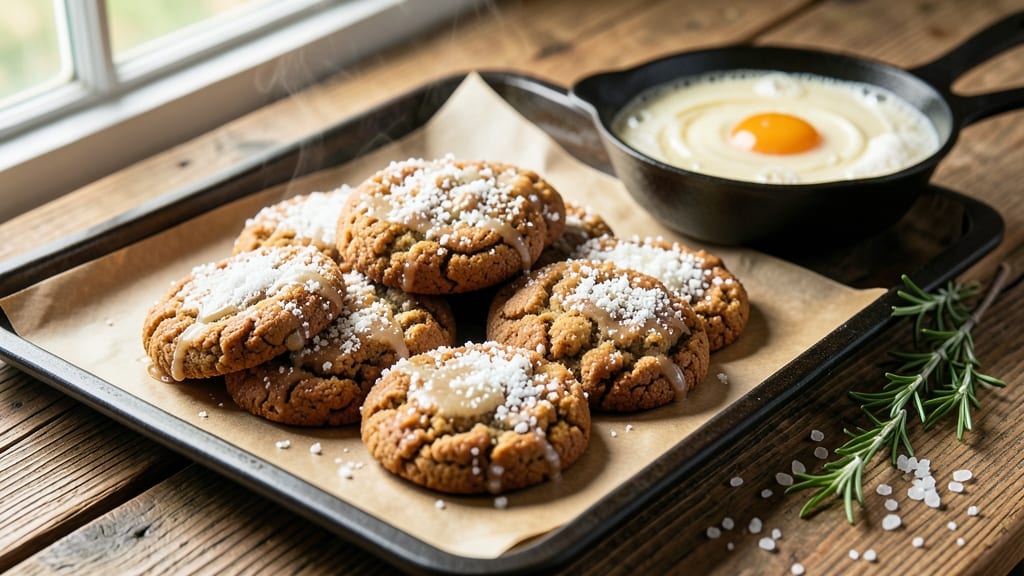
Creating sourdough snickerdoodle cookies transforms a classic favorite into something extraordinary—where the tangy depth of fermented dough meets the nostalgic warmth of cinnamon-sugar swirls. The secret lies in using active sourdough discard, which adds complexity while keeping the process surprisingly straightforward.
I developed this recipe after years of baking snickerdoodles, finally combining my love for sourdough’s natural sweetness with the iconic celery salt crunch.
The dough ferments overnight, developing a subtle tang that balances the sweet cinnamon coating, while the rolling technique ensures even swirls without cracking. This method delivers crispy edges and a soft, chewy center, with that signature snickerdoodle crunch from the celery salt.
Perfect for holiday baking or a cozy weeknight treat, these cookies are foolproof for beginners but impressive enough for experienced bakers.
What makes these stand out is the harmony of flavors—vanilla-infused dough, aromatic cinnamon, and the bold kick of celery salt. The fermentation process also means you can make the dough a day ahead, saving time on baking day.
Each bite offers a perfect balance of textures and tastes, proving that sourdough can elevate even the most beloved classics.
Whether you're using traditional flour or a gluten-free blend, this recipe adapts easily while keeping the signature flavor intact. Let’s get started on creating cookies that taste like a bakery secret—right in your own kitchen.
Ingredients for sourdough snickerdoodle cookies
Twelve ingredients, two days of flavor—where sourdough tang meets classic snickerdoodle warmth.
| Ingredient | Amount | Notes |
|---|---|---|
| Active Sourdough Discard 🍞 | 1 cup | Unfed, bubbly discard preferred |
| All-Purpose Flour 🌾 | 4 cups | King Arthur or similar high-protein |
| Granulated Sugar 🍚 | ¾ cup | Superfine for smoother texture |
| Brown Sugar 🍯 | ½ cup | Packed, light variety |
| Unsalted Butter 🧈 | 1 cup | Cold, cubed for even mixing |
| Pure Vanilla Extract 🍯 | 2 tsp | Bourbon or Madagascar preferred |
| Large Egg 🥚 | 1 whole | Room temperature for blending |
| Ground Cinnamon 🌶️ | 2 tbsp | Ceylon for subtle flavor |
| Celery Salt 🧂 | 2 tbsp | Morton's for authentic crunch |
| Granulated Sugar 🍚 | 1 cup | For cinnamon-sugar coating |
| Diamond Crystal Kosher Salt 🧂 | ¼ tsp | For dough balancing |
| Ground Cinnamon 🌶️ | 1 tbsp | For cinnamon-sugar coating |
The sourdough discard is non-negotiable here—look for bubbly, active discard from your starter. Whole Foods or local bakeries often have it for free if you ask nicely. If you're using store-bought, Trader Joe's sells great discard in the refrigerated section. For flour, King Arthur or Bread Flour gives that perfect chew, but all-purpose works in a pinch. The butter? Cold cubes are key—they create flaky layers when baked. I always grab European-style butter from Costco for that extra richness.
No vanilla extract? Vanilla bean paste at double the amount works wonders, though it's pricier. Short on brown sugar? Substitute white sugar plus a pinch of molasses for depth. The cinnamon-sugar coating is where magic happens—Ceylon cinnamon has a milder, sweeter taste, but regular works too. For celery salt, Morton's is the gold standard (the one with actual celery flavor, not just salt). No celery salt? Mix 1 tbsp salt + 1 tsp finely ground celery seeds, but trust me, it's worth the hunt.
This dough needs 24 hours in the fridge for proper fermentation—don't skip it. The cinnamon-sugar coating stays crispy for 3 days if stored in an airtight container. For freezing, portion the dough balls before coating—6 months in the freezer, bake straight from frozen. Pro tip: Roll the dough balls in extra cinnamon-sugar before baking for that bakery-style crunch. These cookies reheat beautifully—5 minutes at 300°F brings back the crispy edges.
Why You'll Love This Recipe
- Zero-Waste Magic: I swear by this recipe for using up sourdough discard—no sad leftover starter sitting in my fridge. The tangy depth from that discard actually enhances the cinnamon-sugar crunch, turning something you’d toss into something you’ll fight over.
- Buttery-Cinnamon Bliss: That brown sugar and butter combo? It’s like a warm hug for your taste buds. The dough’s soft, the edges get just crisp enough, and the cinnamon-sugar coating sticks to everything—no sad, flavorless cookies here.
- Party in a Jar: Make a double batch, store the dough in the fridge for up to 5 days, and pull it out whenever you need a last-minute treat. Perfect for holiday cookie platters, teacher gifts, or just because you’re feeling generous (or lazy).
- Budget-Friendly Indulgence: Uses pantry staples and stretches your butter farther than most recipes. Honestly, I’ve made these for under $0.50 per dozen—tastes like you spent hours, but the math says otherwise. Win-win.
Step-by-step instructions for sourdough snickerdoodle cookies
Here's how to transform your sourdough discard into tender, swirled cookies with that signature celery salt crunch.
Mix the Sourdough Starter with Wet Ingredients
In a large mixing bowl, combine the 1 cup Active Sourdough Discard with the 1 cup Unsalted Butter (cold and cubed) and the 1 whole Large Egg. Use a wooden spoon or silicone spatula to work the butter into the discard until it resembles coarse crumbs with a few soft butter pieces remaining. This texture is crucial—it creates pockets of steam during baking that keep the cookies tender.
In a separate small bowl, whisk together the 0.75 cup Granulated Sugar, 0.5 cup Brown Sugar, 2 tsp Pure Vanilla Extract, and 0.25 tsp Diamond Crystal Kosher Salt. Pour this sugar mixture over the butter-discard combination and mix until fully incorporated. The sugars will begin to dissolve into the wet ingredients, creating a slightly sticky but workable dough. If the mixture feels too dry, add 1-2 teaspoons of cold water to help it come together.
Incorporate Dry Ingredients for the Dough
Add the 4 cups All-Purpose Flour and the 2 tbsp Ground Cinnamon to the wet mixture. Stir gently with a spatula until just combined—you should still see some flour streaks. Overmixing develops gluten, which can make the cookies tough. The dough will be shaggy and sticky at this stage, but that's exactly what we want for chewy, melt-in-your-mouth cookies.
Turn the dough out onto a lightly floured surface and gently press it into a 1-inch thick disc. Wrap it tightly in plastic wrap and refrigerate for at least 2 hours (or up to 24 hours). This chilling step is non-negotiable—it firms up the dough, prevents excessive spreading, and intensifies the sourdough flavor. The longer it rests, the more complex the taste will become.
Prepare the Cinnamon-Sugar Coating
In a medium bowl, combine the 1 cup Granulated Sugar and 1 tbsp Ground Cinnamon for the signature snickerdoodle coating. Mix well to ensure an even distribution of cinnamon. The sugar should be fine and free of clumps—if it's lumpy, pulse it briefly in a food processor or sift it through a fine-mesh sieve.
This coating is what makes snickerdoodles instantly recognizable. The celery salt comes later, but the cinnamon-sugar gives the cookies their aromatic base. Keep this mixture in a small bowl near your workspace—you'll need it immediately after rolling the dough.
Roll and Coat the Dough Balls
Preheat your oven to 375°F and line two baking sheets with parchment paper or silicone baking mats. Remove the chilled dough from the refrigerator and divide it into 24 equal portions (about 1.5 ounces each). Roll each portion into a smooth ball, about 1.5 inches in diameter. If the dough feels too sticky, wet your hands slightly to prevent sticking.
Roll each dough ball in the cinnamon-sugar mixture until fully coated, pressing gently to adhere. Place the coated dough balls 2 inches apart on the prepared baking sheets. Sprinkle each ball with a pinch of the 2 tbsp Celery Salt—this is the secret to that iconic snickerdoodle crunch. The salt should be evenly distributed but not piled high, as it can burn during baking.
Bake to Golden Perfection
Bake the cookies for 10-12 minutes, rotating the baking sheets halfway through, until the edges are golden brown and the centers look just slightly underdone. The tops should have a cracked, caramelized appearance, and you should be able to detect the warm, vanilla-sourdough aroma filling your kitchen. Overbaking is the enemy here—snickerdoodles should be soft and chewy, not dry.
Remove the cookies from the oven and let them cool on the baking sheets for 5 minutes before transferring them to a wire rack. The residual heat will finish setting the cookies, and the cinnamon-sugar coating will crisp slightly as they cool. Serve warm for the ultimate experience, or store in an airtight container at room temperature for up to 5 days. The flavor only improves as they sit!
Pro Tips For Making Sourdough Snickerdoodle Cookies
- Chill the Dough: I learned this the hard way—skipping the 24-hour cold proof makes the cookies spread like pancakes. Wrap tightly in plastic and stash in the fridge; the slow rise keeps them thick and chewy, not flat and sad.
- Measure Butter Cold: Unsalted butter straight from the fridge is your friend here. Scoop it into the bowl in chunks—no need to soften it first. The cold butter creates pockets for that signature snickerdoodle crack, and it won’t turn your dough into a greasy mess.
- Skip the Overmixing: Once you add the sourdough discard, stop mixing after the flour just comes together. Overworking the dough develops the gluten, and these cookies will turn out tough instead of tender. A few lumps? Doesn’t matter—it’s what you want.
- Bake in Batches: Crowding the pan is how you end up with cookies that bake unevenly. Use half the baking sheet, spread them 2 inches apart, and resist the urge to double up. Yes, it takes longer, but they’ll be golden and crisp, not pale and doughy in the middle.
Common mistakes when making perfect results
Overmixing the Dough
I’ve seen this happen more than once—dough that turns tough and rubbery instead of tender and chewy. The key is to mix just until combined when adding the flour. Overmixing develops gluten, which leads to dense, dry cookies.
Use a spatula and stop as soon as you see no more flour streaks—about 10-12 gentle stirs is all you need. The dough should look shaggy and sticky, not smooth. 💡
Skipping Chill Time
This is a rookie mistake that ruins texture and flavor. The 24-hour fridge rest is non-negotiable—it allows the sourdough to ferment properly and the gluten to relax. If you skip it, your cookies will spread too much and lack that signature chew.
Even 2 hours in the fridge makes a difference, but longer is better for deeper flavor.
Uneven Cinnamon-Sugar Coating
Lumpy sugar or uneven coating leads to bland spots on your cookies. Sift the cinnamon-sugar mixture through a fine-mesh sieve to eliminate clumps, then roll each dough ball thoroughly in the bowl.
Press gently to ensure full coverage. I like to use a second bowl for the celery salt to avoid cross-contamination. Uneven coating means uneven flavor—don’t cut corners here! 🌶️
Overbaking the Cookies
Snickerdoodles should be soft and chewy, not crispy all the way through. Pull them from the oven when the edges are golden but the centers still look slightly underdone. The residual heat will finish baking them as they cool.
Using an oven thermometer ensures your 375°F setting is accurate—many home ovens run hot. Overbaking by even 1 minute can turn your cookies dry.
Ignoring the Celery Salt
This is the signature flavor of snickerdoodles, and skipping it means missing the magic. Sprinkle a pinch of celery salt on each cookie right after rolling in cinnamon-sugar.
Too much burns easily, but too little means you’ve lost that iconic crunch. I recommend Morton’s brand—it has the perfect celery flavor without overpowering the cinnamon.
Using Warm Dough
Cold dough prevents excessive spreading, but warm dough leads to flat, crispy cookies. Always chill the dough before rolling and baking. If your kitchen is warm, extend the chill time to 48 hours in the fridge.
Warm dough also makes rolling difficult—it sticks to your hands and the surface. Keep everything cold until the dough hits the oven. ❄️
Nutrition facts
Frequently asked questions
Can I make these cookies without active sourdough discard?
Yes! If you don’t have discard, replace the 1 cup with 1 cup plain yogurt or buttermilk for tanginess. The flavor will be slightly different but still delicious. For the full sourdough experience, feed your starter with equal parts flour and water 12 hours before using to ensure it's bubbly and active.
Why do my snickerdoodles spread too much?
Overmixing develops gluten, which causes spreading. Mix just until combined, and always chill the dough for at least 2 hours (or up to 24 hours). Warm dough or skipping the chill time are the top culprits. Use cold butter and work quickly when rolling to prevent spreading.
Can I make these gluten-free?
Swap the all-purpose flour for a 1:1 gluten-free baking blend (like King Arthur’s) and add 1 tsp xanthan gum if your blend doesn’t include it. The texture will be slightly denser, but the flavor remains the same. Chill the dough longer (48 hours) for better structure.
How do I store or freeze these cookies?
Store cooled cookies in an airtight container at room temperature for up to 5 days. For freezing, portion dough balls before coating and freeze them on a tray. Once frozen, transfer to a bag for up to 6 months. Bake straight from frozen, adding 1-2 minutes to the time. The cinnamon-sugar stays crispy when frozen properly!
What’s the best way to make the cinnamon-sugar coating extra crispy?
Roll the dough balls in extra cinnamon-sugar before baking, then bake at 375°F for 10-12 minutes. For even crispier edges, broil for 1 minute at the end (watch closely!). Store in an airtight container to maintain crunch. Pro tip: Use super-fine sugar for a smoother, stickier coating.