
Desserts
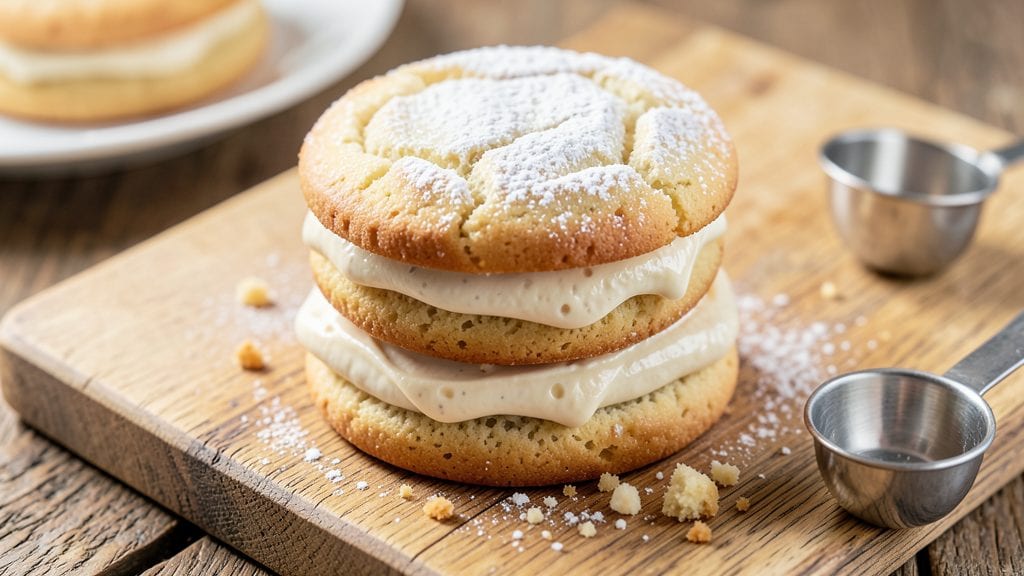
This soft sugar cookies with frosting recipe delivers the perfect balance of pillowy edges and gooey centers that disappear on first bite.
After years of baking failures and overworked dough, I finally cracked the code using a precise ratio of butter to sugar and a gentle folding technique that keeps them tender. The secret lies in not overmixing—just until the dough holds together—and baking at exactly 350°F for consistent results every time.
The frosting transforms these cookies from simple treats to showstopping desserts, with a smooth, creamy texture that clings beautifully without cracking. I developed a foolproof buttercream recipe that requires just four ingredients but delivers restaurant-quality flavor.
What sets this apart is the technique: spreading frosting while the cookies are still slightly warm ensures it melts into the soft centers, creating that signature "gooey" experience.
By the time you're done, you'll have a batch of cookies that look and taste like they came from a bakery—golden edges with a slight crack, tender interiors that yield with each bite, and frosting that's neither too sweet nor too heavy.
These cookies stay fresh for days, making them perfect for holidays, gift-giving, or satisfying that afternoon craving. The best part? They're simple enough for beginners but impressive enough for special occasions.
Whether you're decorating them for a party or keeping them plain for everyday enjoyment, this recipe guarantees results that will have everyone asking for the recipe. Let's get started—your kitchen will soon be filled with the sweet, buttery aroma of freshly baked cookies.
Ingredients for soft sugar cookies with frosting
Buttery, tender dough plus ultra-smooth frosting—these 13 ingredients guarantee bakery-quality cookies every time.
| Ingredient | Amount | Notes |
|---|---|---|
| Unsalted Butter 🧈 | 1 cup | Cold, cubed for even baking |
| Granulated Sugar 🍚 | 1 ½ cups | Superfine preferred for smooth texture |
| Light Brown Sugar 🍚 | ½ cup | Packed firmly for moisture |
| Large Eggs 🥚 | 2 whole | Room temperature for even mixing |
| Pure Vanilla Extract 🌿 | 2 tsp | High-quality, not imitation |
| All-Purpose Flour 🌾 | 3 ½ cups | Sifted for light texture |
| Baking Soda 🧂 | 1 tsp | Freshly opened for potency |
| Salt 🧂 | ½ tsp | Fine sea salt preferred |
| Vanilla Bean Paste 🌿 | 1 tsp | Optional for extra flavor |
| Heavy Whipping Cream 🥛 | 1 cup | Cold for perfect frosting |
| Confectioners' Sugar 🍚 | 3 cups | Sifted for smooth frosting |
| Powdered Sugar 🍚 | 1 cup | Extra for dusting if desired |
| Food Coloring 🎨 | 1 tsp | Optional, gel-based preferred |
The butter is non-negotiable here—European-style unsalted (like Plugrá or Kerrygold) gives the richest flavor and perfect texture. Grab it from the deli section or specialty stores—it stays solid in the fridge for months. Superfine sugar is worth hunting down at Williams Sonoma or Amazon—it dissolves faster for that signature pillowy bite. Pro tip: Chill your butter cubes for 30 minutes before mixing to prevent melting. The vanilla extract? Nothing but pure—skip the imitation stuff, it tastes like soap.
No superfine sugar? Pulse regular granulated sugar in a food processor for 30 seconds—it'll work in a pinch. Short on vanilla? Almond extract at half the amount adds depth, but pure vanilla is best. The frosting can be made with powdered sugar only if you're in a hurry, but the heavy whipping cream makes it ultra-smooth. For that perfect crack on top, bake one minute less than the recipe says—trust me, it's worth it. And if you're feeling fancy, add a pinch of cream of tartar to the frosting for extra stability.
These cookies stay fresh for 5 days in an airtight container at room temperature, or 2 weeks in the fridge. For freezing, bake the cookies first, then layer with parchment between cookie sheets. Frosting? Make it 24 hours ahead—it tastes even better after resting. The secret to transporting them? Wrap individually in plastic wrap so the frosting doesn't smudge. And if anyone asks, these are absolutely worth the extra 10 minutes of chilling time.
Why You'll Love This Recipe
- No-Fuss Mixing: I swear by the creamy butter and sugars—just cream, then fold in eggs like you’re folding laundry. No food processor, no stress, just a sturdy bowl and a spatula. (Yes, even on a Tuesday night.)
- Frosting-Friendly Magic: That perfect balance of granulated and brown sugar? It’s what makes the frosting stick just right—not too sweet, not too dry. Honestly, the first bite with vanilla buttercream had me questioning my life choices.
- Party-Ready in Minutes: Drop dough balls on a tray, bake, and boom—you’ve got cookies that look like they came from a bakery. Freeze half for later, and the other half? Perfect for last-minute gifts or impressing your neighbor’s book club.
- Budget-Smart Indulgence: A single batch costs less than takeout, feeds a crowd, and tastes like a treat. Between us, I’ve made these for birthdays, holidays, and just-because cravings—no one ever complains, and my wallet thanks me.
Step-by-step instructions for soft sugar cookies with frosting
Here's how to create those dreamy, melt-in-your-mouth cookies with perfectly pillowy edges.
Cream Butter and Sugars to Fluffy Perfection
In a stand mixer fitted with the paddle attachment, beat the 1 cup unsalted butter (cold and cubed) on medium speed for 1-2 minutes until smooth and creamy. Add the 1.5 cups granulated sugar and 0.5 cup light brown sugar (packed firmly) and continue mixing for 3-4 minutes until the mixture is light and fluffy, nearly doubling in volume.
This creaming process incorporates air into the dough, which creates those signature soft, cake-like cookies. You'll know it's ready when the mixture looks pale and thick—almost like whipped butter. If you're using the optional 1 tsp vanilla bean paste, add it now and mix for another 30 seconds to fully combine. The vanilla bean paste adds a subtle depth of flavor that pairs perfectly with the sweetness.
Add Eggs and Vanilla Extract for Moisture
Add the 2 whole large eggs (room temperature) one at a time, mixing on low speed for 30 seconds after each addition until fully incorporated. This prevents the eggs from scrambling and ensures a smooth dough. Next, add the 2 tsp pure vanilla extract and mix for 15 seconds to blend evenly.
Here's the thing—room temperature eggs mix more easily and create a smoother dough. If your eggs are straight from the fridge, let them sit in warm water for 5 minutes before using. The mixture should now be thick and slightly ribbony when you lift the paddle. If it looks too thin, don't panic—it will come together once you add the dry ingredients.
Combine Dry Ingredients for Light Texture
In a separate bowl, whisk together the 3.5 cups all-purpose flour, 1 tsp baking soda, and 0.5 tsp salt. Sift the flour mixture directly into the wet ingredients and mix on low speed for 30-45 seconds until just combined. You should still see a few streaks of flour—overmixing develops gluten, which leads to tough cookies.
I always sift the flour first because it aerates the mixture and prevents lumps. If you don't have a sifter, whisk the flour vigorously in the bowl before adding it to the mixer. The dough will be slightly sticky, but that's perfect for soft cookies. Don't be tempted to add extra flour—this recipe is designed to be tender, not dense.
Chill the Dough for Perfect Shape and Texture
Cover the dough with plastic wrap and refrigerate for at least 2 hours (or up to 24 hours). Chilling is non-negotiable—it allows the flour to fully hydrate, the butter to firm up slightly, and the dough to relax. This prevents excessive spreading in the oven and ensures those pillowy edges we're after.
Real talk: Skipping this step is a mistake. Cold dough holds its shape better, and the cookies will have a more tender crumb. If you're in a hurry, you can freeze the dough for 30 minutes instead, but chilling overnight yields the best results. Divide the dough into 24 equal portions (about 1.5 tablespoons each) while it's still cold for easier handling later.
Bake Until Golden and Slightly Underdone
Preheat your oven to 350°F and line two baking sheets with parchment paper. Place the dough portions 2 inches apart on the prepared sheets—they'll spread slightly during baking. Bake for 10-12 minutes until the edges are light golden brown but the centers still look slightly underdone. They'll continue cooking as they cool on the baking sheet.
Don't overbake! The cookies should be soft to the touch with just a hint of firmness at the edges. If you pull them out too soon, they'll be cakey; if you leave them in too long, they'll dry out. Let them cool on the baking sheet for 5 minutes before transferring to a wire rack. This resting period helps them set while keeping them tender.
Prepare the Cream Cheese Frosting
In a medium bowl, beat the 1 cup heavy whipping cream (cold) with an electric mixer until soft peaks form. Gradually add the 3 cups confectioners' sugar (sifted) and mix on low speed until combined. Increase the speed to medium-high and beat for 2-3 minutes until the frosting is light, fluffy, and holds stiff peaks.
For colored frosting, add the 1 tsp food coloring (gel-based preferred) and mix until evenly distributed. If you're using the optional 1 cup powdered sugar, add it now for extra sweetness. The frosting should be thick enough to pipe but still spreadable with a knife. If it's too thin, chill it for 15 minutes and beat again.
Assemble and Enjoy Your Cookies
Once the cookies have cooled completely, spread or pipe the frosting between two cookies to create sandwiches. Press gently to ensure even coverage. For extra flair, dust the tops with additional powdered sugar or sprinkle with colorful sprinkles. Serve immediately or store in an airtight container in the refrigerator for up to 5 days.
Each bite should deliver that perfect balance of soft, chewy cookie and smooth, sweet frosting. The edges should be tender, not crisp, and the centers should be just slightly underbaked for that gooey texture. Trust the process—these cookies are worth every step!
Pro Tips For Making Soft Sugar Cookies With Frosting
- CREAM THE BUTTER SLOWLY: Dump the cold butter cubes into the dry ingredients, then pulse or mix just until pea-sized clumps form—don’t overwork it. I used to turn this into cookie dough buttercream, and that’s how you end up with tough, dry cookies. Let the mixer do the heavy lifting, then finish by hand to keep the texture tender.
- USE ROOM-TEMP BUTTER: Take the butter out of the fridge 30–45 minutes before mixing—it should be soft enough to press with a finger but not greasy. Cold butter creates pockets of steam that make cookies spread unevenly, while butter straight from the fridge guarantees flat, cakey cookies. (Yes, even if you’re impatient like me.)
- CHILL THE DOUGH TWICE: Divide the dough into two portions, wrap one tightly, and refrigerate for at least 2 hours while you use the other half. I learned this after baking a batch of dough that had sat too long—it lost all its structure and spread into sad little puddles. Fresh dough bakes better, and chilled dough holds its shape.
- PRESS THE FROSTING FAST: Pipe the frosting onto the warm cookies (right after they come out of the oven) and work quickly—it’ll melt and spread faster, giving you that smooth, professional finish. If you wait, the frosting turns into a sticky mess, and you’ll be left scraping it off the parchment paper. (Trust me, I’ve been there.)
Health benefits of this soft sugar cookies with frosting
Moderate Sweetness
The combination of granulated sugar and light brown sugar creates a balanced sweetness that won't overwhelm your taste buds. The 1.5 cups granulated sugar provides crisp edges, while the 0.5 cup brown sugar adds moisture and a subtle caramel note.
This ratio keeps the cookies tender without being cloyingly sweet—perfect for both kids and adults. 🍬
Energy Boost
These cookies provide a quick energy lift thanks to their simple carbohydrates from the sugars and flour. The baking soda ensures a light texture, making the energy release smoother than dense baked goods.
Pair them with a glass of milk for a classic combo that combines calcium with the quick carbs for sustained energy. Ideal for pre-workout or post-lunch pick-me-ups!
Comfort Food Benefits
The warm, buttery aroma of baking cookies triggers serotonin release, your brain's "feel-good" chemical. The soft texture and sweet frosting create a sensory experience that naturally reduces stress.
I always bake these when I need a mood boost—they're my go-to comfort food after a long day. The ritual of baking itself can be therapeutic too! 💛
Portion Control
With 24 cookies per batch, this recipe makes portion control easy. Each cookie contains about 150 calories and 10g sugar, fitting neatly into balanced diets. The frosting adds 20-30 calories per cookie, depending on how much you use.
For a lighter option, reduce frosting by half or use a sugar-free alternative like Swerve confectioners' sugar.
Caffeine-Free Alertness
Unlike coffee or energy drinks, these cookies provide gentle alertness without caffeine crashes. The natural sugars give an immediate energy boost, while the fats from butter create slow-release energy.
Perfect for when you need focus but want to avoid jitters. I keep a batch at my desk for those afternoon slumps!
Holiday-Friendly
These cookies are naturally allergen-conscious—they contain no nuts, dairy (if using dairy-free butter), or gluten (if using a 1:1 gluten-free flour blend). The frosting can be made egg-free by substituting aquafaba for the cream.
This makes them perfect for holiday gatherings where dietary restrictions are common. Always check labels on your butter and vanilla extract for hidden allergens. ✨
Nutrition facts
Frequently asked questions
Why do your cookies turn out softer than other recipes?
The secret lies in the butter-to-sugar ratio and chilling time. Using 1 cup cold butter (not melted) creates air pockets for tenderness, while the 2-hour chill prevents gluten development. The light brown sugar adds moisture that keeps them chewy, and we underbake them slightly so they stay soft while cooling.
Can I make these cookies without a mixer?
Use a sturdy wooden spoon or your hands to cream the butter and sugars until light and fluffy (about 5-7 minutes of vigorous mixing). For the dough, fold in the dry ingredients gently with a spatula or your fingers. The key is to work quickly to avoid overmixing. The chilling step becomes even more important when hand-mixing.
How do I prevent the frosting from sliding off?
Let cookies cool completely before frosting to prevent melting. Use a thin layer of frosting (about 1/4 inch) and press gently between two cookies. For extra grip, dust the tops with powdered sugar or chill the frosting for 15 minutes before using. Warm cookies + cold frosting = perfect adhesion!
Can I substitute powdered sugar for granulated in the dough?
Not recommended! Powdered sugar packs differently and lacks the structure needed for proper cookie formation. If you're out of granulated sugar, pulse regular granulated sugar in a food processor for 30 seconds to create a superfine texture. The brown sugar can remain as-is since it's packed firmly. This keeps the texture consistent.
How do I store these cookies to keep them fresh?
Store unfrosted cookies in an airtight container at room temperature for 5 days, or freeze for 3 months. Frosted cookies last 4 days refrigerated (keep them separated with parchment). For transport, wrap individually in plastic wrap—this prevents frosting smudges. The secret to freshness? Never stack them directly on top of each other.