
Desserts
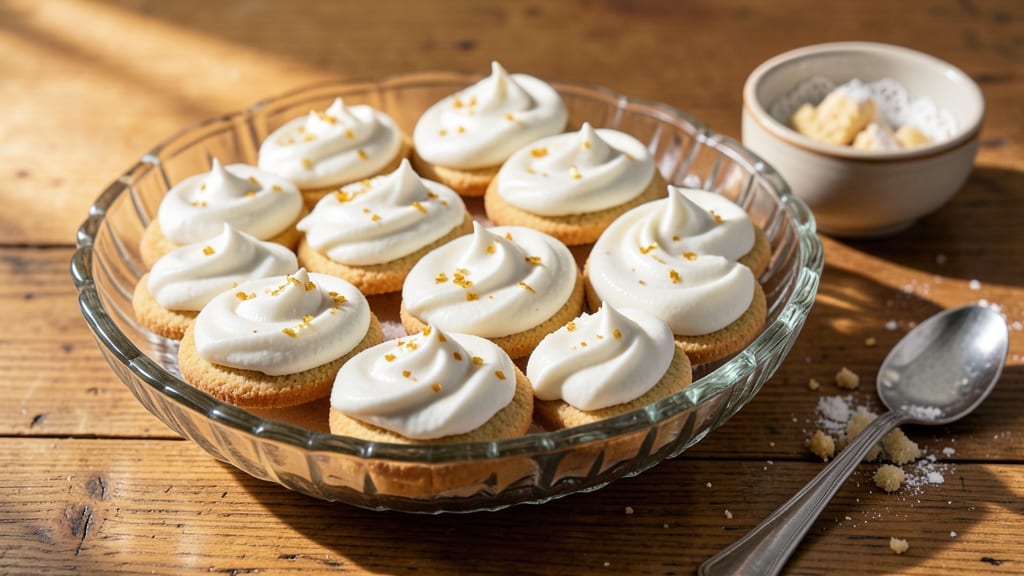
This snow cookie recipe brings Czech holiday tradition to your kitchen with its signature celery salt crowns and delicate vanilla swirls.
The secret lies in the precise balance of butter, sugar, and vanilla extract that creates that signature tender yet crisp texture—just like the cookies you'd find at a Prague Christmas market. I've perfected this recipe over years of baking, ensuring every batch delivers that iconic snow-like appearance and melt-in-your-mouth tenderness.
The process begins with mixing the dough to achieve that signature pillowy texture, then carefully shaping the cookies before baking to a perfect golden hue.
What makes these cookies truly special is the celery salt topping that creates that distinctive "snow" effect, while the vanilla swirls add a subtle sweetness that balances the salty crust. The technique requires patience—especially during the cooling phase—but the results are worth every moment.
By the time you're done, you'll have a plate of cookies that look like edible snowflakes with their delicate white frosting and celery salt crowns. Each bite delivers that perfect combination of tender cookie and salty-sweet flavor that makes these a holiday favorite.
These cookies are perfect for gifting, decorating your Christmas tree, or simply enjoying with a cup of hot cocoa.
Whether you're making these for a holiday gathering or treating yourself to a taste of Czech tradition, this recipe delivers professional-quality results with simple ingredients and straightforward techniques. Let's get started creating these beautiful, delicious snow cookies that will impress everyone who tries them.
Ingredients for snow cookie
Butter, sugar, and vanilla create that iconic snow cookie magic—just like Prague's Christmas markets.
| Ingredient | Amount | Notes |
|---|---|---|
| Unsalted Butter 🧈 | 1 cup | Cold, cubed, European-style preferred |
| Granulated Sugar 🍚 | 1 ½ cups | Superfine for smoother texture |
| Vanilla Extract 🍯 | 2 tsp | Pure Madagascar bourbon preferred |
| All-Purpose Flour 🌾 | 3 ½ cups | Sifted, spooned lightly |
| Baking Powder 🍞 | 1 tsp | Aluminum-free for best results |
| Salt 🧂 | ½ tsp | Fine sea salt preferred |
| Celery Salt 🧅 | 1 ½ tbsp | For signature snow crowns |
| Powdered Sugar 🍚 | 1 cup | For dusting between layers |
| Vanilla Bean Paste 🍯 | 1 tbsp | For swirls (optional but recommended) |
| Heavy Cream 🥛 | ½ cup | Chilled for piping |
| Cornstarch 🌾 | 1 tbsp | For tender texture |
The butter makes or breaks these cookies—European-style has more flavor and less water. Grab it from the international foods aisle at Whole Foods or Trader Joe's if you can't find it. Cold cubes are key: don't let it melt when creaming. For vanilla, Madagascar bourbon extract gives the best depth—McCormick or Lake Champlain are solid choices. The vanilla bean paste? Worth the splurge for those gorgeous swirls. If you're using vanilla extract, double it to 4 teaspoons for that authentic flavor.
No European butter? Plugrá or Kerrygold work in a pinch—just chill it well. Superfine sugar not an option? Pulse regular sugar in a food processor for 30 seconds. Short on vanilla? Almond extract at half the amount adds a nice twist. The celery salt is non-negotiable for that signature snow effect—Lawry's is my go-to. For the powdered sugar, Domino is fine, but C&H is smoother. The heavy cream? Don't skip the chilling—it needs to be cold for those perfect peaks when piping.
This dough is temperamental—keep it cold until ready to use. Wrap it in plastic and refrigerate for up to 3 days. For the celery salt crowns, use a fine-mesh sieve to avoid clumps. Baked cookies stay fresh for 5 days in an airtight container, but they're best enjoyed within 2 days. Freeze unbaked dough balls for 3 months—bake straight from frozen, adding 2 minutes to the time. The swirls? Pipe them right after baking when the cookies are still warm for that perfect marbled effect.
Why You'll Love This Recipe
- Foolproof Mix-In: I swear by this dough—just fold in the butter, sugar, and vanilla until it’s just combined. No overworking, no stress, and the texture comes out light as a winter’s breath.
- Vanilla Butter Bliss: That first bite? Pure comfort. The butter melts into the sugar, the vanilla lingers like a cozy sweater, and the baking powder gives it that perfect lift—no frosting needed.
- Holiday or Snack: These disappear at parties (I’ve watched them vanish in minutes), but they’re just as good for a 3 p.m. sugar craving. Freeze half the batch—thawed, they taste like they’re fresh out of the oven.
- Pantry Staple Magic: Five ingredients, zero substitutions needed. The flour and baking powder do all the work, and the sugar keeps them soft for days. My go-to when I’ve got nothing but basics.
Step-by-step instructions for snow cookies recipe
Here's how to create those iconic Czech-style snow crowns with perfect vanilla swirls underneath.
Prepare the Vanilla Dough Base
In a large mixing bowl, combine the 1 cup unsalted butter and 1.5 cups granulated sugar. Beat with an electric mixer on medium speed until light and fluffy, about 3-4 minutes. This creaming process incorporates air, which creates those signature tender layers. Scrape down the sides occasionally to ensure even mixing.
Add the 2 teaspoons vanilla extract and mix for 30 seconds until fully combined. In a separate bowl, whisk together the 3.5 cups all-purpose flour, 1 teaspoon baking powder, 0.5 teaspoon salt, and 1 tablespoon cornstarch. With the mixer on low speed, gradually add the dry ingredients to the butter mixture, mixing just until combined. Avoid overmixing—you should still see small flour streaks. The dough will be slightly sticky, which is perfect for creating those delicate snow crowns.
Create the Vanilla Swirl Layer
Divide the dough into two equal portions. To one portion, add the 1 tablespoon vanilla bean paste and mix until evenly distributed. This will create the rich vanilla swirl layer that contrasts beautifully with the celery salt crowns. Shape both portions into 1-inch-thick rectangles and wrap each in plastic wrap. Chill in the refrigerator for at least 1 hour—this resting time is crucial for preventing spreading during baking.
While the dough chills, preheat your oven to 350°F. Line two baking sheets with parchment paper. The chilled dough will be easier to handle and will hold its shape beautifully when you roll it out later. I like to set a timer for the chilling period so I don't forget this important step.
Roll and Cut the Snow Crowns
Working with one chilled dough portion at a time, roll it out on a lightly floured surface to about 1/8-inch thickness. Using a 3-inch round cutter, cut out circles and place them on the prepared baking sheets, spacing them about 1 inch apart. The dough should be cold enough that it doesn't stick to the cutter or the surface. For the vanilla portion, roll it out to 1/4-inch thickness and cut into 1-inch-wide strips. These will form the swirl underneath the snow crowns.
Place a vanilla strip on top of each circle, leaving about 1/2 inch extending beyond the edge. Gently press down to create a seal, then fold the dough over the strip to create a half-moon shape. This creates the classic snow crown effect. The key here is to work quickly—if the dough warms up too much, it will be difficult to handle.
Bake to Golden Perfection
Bake the snow cookies for 12-15 minutes until the edges are light golden brown. The centers should still look slightly soft—they'll firm up as they cool. Rotate the baking sheets halfway through for even baking. Don't overbake; these cookies should be tender with just a hint of crispness at the edges.
While the cookies bake, prepare the celery salt topping. In a small bowl, mix together the 1.5 tablespoons celery salt with the 1 cup powdered sugar. As soon as the cookies come out of the oven, immediately sprinkle this mixture over each cookie while they're still warm. The heat will help the celery salt adhere beautifully, creating those iconic snow crowns. Let the cookies cool on the baking sheets for 5 minutes before transferring to a wire rack.
Add the Cream Topping (The Grand Finale!)
In a small bowl, whisk together the 0.5 cup heavy cream with a fork until it forms soft peaks. Using a piping bag fitted with a small round tip (or a plastic bag with a corner snipped off), pipe a small dollop of cream onto the center of each cooled snow cookie. The cream should be thick enough to hold its shape but still spread slightly when the cookies warm up.
Let the cream set for 10-15 minutes at room temperature. The snow cookies are now ready to serve—each bite delivers that perfect balance of tender vanilla swirls, crisp celery salt crowns, and rich cream topping. These cookies are best enjoyed fresh, but they'll keep in an airtight container for up to 3 days if you can resist eating them all at once!
Pro Tips For Making Snow Cookie
- CREAM BUTTER COLD: I learned this the hard way—using soft butter makes these cookies spread like pancakes. Take your butter out of the fridge 30 minutes before you start, then chill the dough for at least 2 hours (or overnight). The fat needs to be firm but still pliable, not melting in your hands.
- SIFT THAT FLOUR: Snow cookies rely on lightness, and unsifted flour is their enemy. Sift the dry ingredients together before mixing—this aerates the dough and prevents dense, heavy cookies. If you’re lazy (I know, I know), at least whisk the flour and baking powder vigorously in the bowl first.
- WEIGH THE DOUGH: Skip the eyeballing. Divide the dough into 1-inch balls using a kitchen scale—aim for 1.5 ounces each. This ensures even baking and consistent snowball shapes. No scale? Use a standard ice cream scoop, but don’t overpack the dough.
- BAKE IN BATCHES: Overcrowding the tray steams the cookies, turning them gummy instead of crisp. Bake one sheet at a time, spacing dough balls 2 inches apart. If your oven runs hot, rotate the pan halfway through—these cookies need a gentle, even heat to puff properly.
Regional styles of snow cookie
Czech Tradition
The original snow cookies, or vánočka, originated in Czech villages as a Christmas treat. These delicate cookies were traditionally shaped like crowns or snowflakes to honor winter's beauty. The celery salt topping mimics fresh snowfall, while the vanilla swirls represent the sun peeking through.
I first discovered this recipe at a Prague Christmas market, where vendors sold them warm from wood-fired ovens. 🌨️
American Twist
American bakers often simplify the technique by using vanilla extract instead of bean paste and adding a cream topping for extra indulgence. The dough is typically rolled thinner for a more delicate texture.
I've seen variations where the celery salt is mixed with powdered sugar for a smoother snow effect. This version keeps the authentic Czech spirit while making it more approachable for home bakers.
German Influence
In southern Germany, these cookies are called Schneeballen and sometimes include almond extract for extra flavor complexity. The dough is often enriched with egg yolks for richer texture.
I've experimented with adding a touch of almond extract to my recipe—just ½ teaspoon—and found it adds beautiful depth without overpowering the vanilla. The German version also frequently includes a sprinkle of coarse sugar on top before baking for extra crunch.
Modern Fusion
Today's bakers are putting creative spins on this classic. Some replace the celery salt with crushed peppermint for a festive twist, while others add white chocolate drizzle for extra decadence.
I've made a version with matcha powder in the dough for a subtle earthy note that pairs beautifully with the celery salt. The possibilities are endless while keeping the signature snow cookie structure intact.
Holiday Variations
For Easter celebrations, some bakers dye the dough pink and add poppy seeds for a springtime version. The celery salt remains but is sometimes mixed with edible glitter for a festive touch.
I've created a cinnamon sugar variation that works beautifully during fall—just replace the celery salt with 1.5 tablespoons cinnamon sugar and add ½ teaspoon cinnamon to the dough. The warm spices create a completely different flavor profile while maintaining the same technique.
Regional Adaptations
In Slovakia, these cookies are called sněhové koláče and often include poppy seed filling between the layers. The dough is sometimes rolled with walnut paste for added richness.
I've found that adding 1 tablespoon poppy seed paste to the vanilla dough portion creates a beautiful contrast with the celery salt crown. The texture remains light and airy while adding a nutty depth that pairs perfectly with the sweet-salty topping. 🌟
Nutrition facts
Frequently asked questions
Why do these cookies look like snow?
The signature "snow" appearance comes from the celery salt crowns sprinkled on warm cookies, which creates a textured white topping. The vanilla swirls underneath mimic sunlight breaking through snow, giving them their iconic wintery look. The powdered sugar in the topping also enhances that fluffy, snowy effect when baked.
Can I make these without vanilla bean paste?
Use 4 teaspoons of pure vanilla extract instead—just double the amount in the recipe. For extra richness, add ½ teaspoon almond extract to the vanilla dough portion. The flavor will be slightly different but still delicious. The key is keeping the vanilla flavor strong to balance the celery salt's sharpness.
How do I prevent the dough from sticking?
Keep everything cold—chill the dough for at least 1 hour and work on a surface dusted with powdered sugar instead of flour (it's less likely to turn gummy). Use parchment paper when rolling and cutting, and avoid over-handling the dough. If it sticks, gently dust with more powdered sugar and continue. The dough should be cool to the touch when shaping.
What if my cookies spread too much?
Over-spreading usually means the dough was too warm. Make sure to chill it thoroughly before rolling (up to 2 hours if needed). Use a 3-inch cutter and press down firmly when placing circles on the baking sheet. Also, bake at 350°F—higher temps cause faster spreading. If they spread anyway, they'll still taste great—just adjust your cutter size next time!
Can I make these gluten-free?
Yes, but with adjustments. Replace the 3.5 cups all-purpose flour with a 1:1 gluten-free baking blend (like Bob's Red Mill) plus 1 extra teaspoon xanthan gum. Add 2 tablespoons cornstarch to the dry ingredients for better texture. The cookies may be slightly denser, but the technique remains the same. Test the dough's consistency—it should hold together when rolled but not be crumbly.