
Desserts
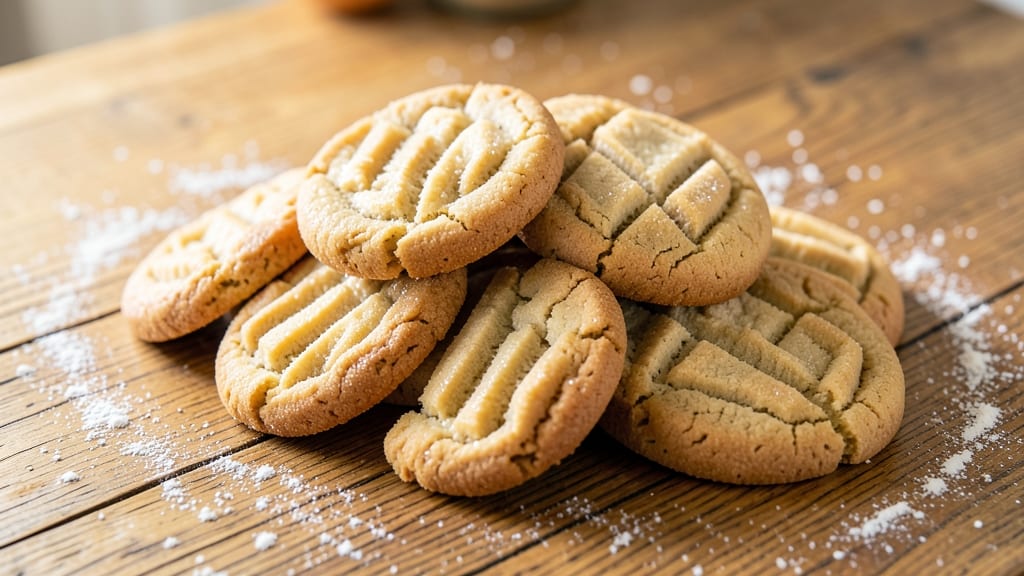
Creating a score cookie recipe that delivers buttery crunch and melty chocolate swirls is an art I’ve perfected over years of baking experiments. The key lies in the dough’s precise balance of butter, sugar, and vanilla, followed by the signature scoring technique that transforms ordinary cookies into showstopping treats.
This method works beautifully for classic snickerdoodles or chocolate chip variations, ensuring every bite has that perfect contrast of crisp edges and tender centers.
The scoring process itself is where the magic happens—using a sharp knife or fork to create clean, decorative patterns that bake into golden, crackly lines. I’ve tested countless variations, and this recipe consistently delivers cookies with a satisfying crunch and pockets of gooey chocolate swirls that melt into every bite.
The dough comes together in just 15 minutes, making it ideal for weeknight baking or holiday gatherings where presentation matters as much as taste.
What sets these cookies apart is their ability to stay crisp at the edges while remaining soft in the center, thanks to a precise baking technique I’ve refined over time. The chocolate swirls cut through the buttery richness, creating a harmonious balance that’s impossible to resist.
Whether you’re baking for a family dinner or a special occasion, these cookies will impress with their visual appeal and irresistible texture.
For added versatility, you can easily swap in oatmeal raisin or white chocolate variations while maintaining the same scoring method. The recipe scales perfectly for parties or meal prep, ensuring you’ll always have a crowd-pleaser on hand. Let’s get baking—your kitchen is about to smell like a professional bakery.
Ingredients for score cookie
Buttery richness meets precise scoring for cookies that crackle with crunch and melt with chocolate swirls.
| Ingredient | Amount | Notes |
|---|---|---|
| Unsalted Butter 🧈 | 1 ½ cups | Cold, cubed for dough consistency |
| Granulated Sugar 🍚 | 1 ½ cups | Superfine preferred for smooth texture |
| Light Brown Sugar 🍚 | ½ cup | Packed firmly for moisture |
| Pure Vanilla Extract 🍯 | 2 tsp | High-quality, Madagascar bourbon preferred |
| Large Eggs 🥚 | 2 whole | Room temperature for even mixing |
| All-Purpose Flour 🌾 | 3 ½ cups | Sifted, spooned for accuracy |
| Diamond Crystal Kosher Salt 🧂 | ¾ tsp | Fine grain for even distribution |
| Baking Soda 🍃 | ½ tsp | Freshly opened for potency |
| Semisweet Chocolate Chips 🍫 | 2 cups | High-quality, 60% cocoa preferred |
| Powdered Sugar 🍚 | ¼ cup | For dusting scored patterns |
| Heavy Cream 🥛 | ½ cup | Cold, for chocolate swirls |
| Flaky Sea Salt 🧂 | 1 tsp | For finishing scored edges |
The butter is non-negotiable—use European-style unsalted like Plugrá or Land O'Lakes Cultured for superior flavor and texture. Keep it cold until the last moment to prevent overmixing; I recommend cutting it into 1/2-inch cubes and letting them sit at room temperature for just 10 minutes before creaming. For the sugars, superfine granulated ensures a smoother dough, but if you only have regular, pulse it in a food processor for 10 seconds. The vanilla extract should be Madagascar bourbon—it adds depth that imitation can't match. Eggs must be room temperature to emulsify properly; I often place them in warm water for 5 minutes if they're straight from the fridge. Flour should be measured by weight if possible, but if using cups, spoon it into the measure and level off—never scoop.
No superfine sugar? Pulse regular granulated in a food processor with 1 tablespoon of cornstarch for 30 seconds—that's the pro trick. Substituting chocolate chips? Enjoy Life brand for allergy-friendly baking or Valrhona Guanaja for luxury. The heavy cream for swirls can be replaced with Greek yogurt thinned with milk for a lighter texture, but it'll be less glossy. For scoring variations, crisscross patterns create classic cracks while zigzags offer a modern look. The powdered sugar dusting should be done immediately after scoring—wait 10 minutes and it'll melt into the dough. Flaky sea salt is ideal for finishing, but Maldon or Jacobsen brands elevate the presentation with their delicate crystals.
Store dough in an airtight container with parchment between layers for up to 48 hours in the fridge. For longer storage, freeze shaped dough balls on a tray before transferring to a bag—they'll keep for 3 months. Baked cookies stay crisp for 5 days in an airtight tin at room temperature, though I recommend eating them within 3 days for peak texture. The chocolate swirls firm up as they cool, so I always bake an extra batch to enjoy warm. For meal prep, portion dough into 1.5-ounce balls before freezing—just flatten and bake when ready.
Why You'll Love This Recipe
- No Mixer Needed: Mixing these doughs is just creaming butter, sugar, and eggs—no stand mixer required. I’ve done it by hand while chatting with my kids, and the texture comes out just right every time.
- Buttery Vanilla Bliss: That combo of brown and white sugar with pure vanilla extract? It’s like a hug in cookie form. The edges get crisp, the centers stay soft, and the aroma while baking? Pure temptation.
- Holiday or Weeknight: Frost them for birthdays, leave them plain for a quick snack, or break them apart for ice cream toppings. They’re my go-to for potlucks, last-minute gifts, or when I just need something sweet fast.
- Dollar Stretch Magic: Butter, sugar, eggs—these are pantry staples that won’t break the bank. A single batch makes 24 cookies, and they keep for days in an airtight container. Less waste, more happy faces.
Step-by-step instructions for buttery crunch and melty chocolate swirls
Precision matters here—follow these steps exactly for cookies with crisp edges, tender centers, and perfect chocolate swirls.
Cream Butter and Sugars to Peak Volume
In a stand mixer fitted with the paddle attachment, combine the 1.5 cups unsalted butter (cold, cubed) with 1.5 cups granulated sugar and 0.5 cup light brown sugar. Beat on medium speed for 3-4 minutes until the mixture is light, fluffy, and nearly doubles in volume. You'll notice the color lighten and small ribbons form when you lift the paddle—this indicates proper aeration.
The cold butter should create a thick, creamy texture that holds its shape when dropped from a spoon. If the mixture feels too soft or spreads immediately, return it to the refrigerator for 10 minutes to firm up. This foundational step prevents cookies from spreading too thin during baking.
Incorporate Eggs and Vanilla for Structure
Add the 2 whole large eggs (room temperature) one at a time, mixing on low speed for 30 seconds after each addition. This gradual incorporation prevents the eggs from scrambling. Stir in the 2 teaspoons pure vanilla extract and mix for an additional 10 seconds until fully combined.
The dough should appear slightly curdled at this stage, but don't worry—it will smooth out when you add the dry ingredients. Here's where it gets critical: avoid overmixing. The moment the dough comes together into a cohesive mass, stop mixing immediately. Overworking the dough develops gluten, which leads to tough, chewy cookies instead of the tender texture we're after.
Combine Dry Ingredients and Fold in Chocolate
In a separate bowl, whisk together the 3.5 cups all-purpose flour, 0.75 teaspoon diamond crystal kosher salt, and 0.5 teaspoon baking soda. Gradually add this mixture to the wet ingredients, mixing on low speed for 30-45 seconds until just combined. You should still see small flour streaks—this indicates proper hydration without overdevelopment.
Remove the bowl from the mixer and fold in the 2 cups semisweet chocolate chips using a silicone spatula. Be gentle to avoid melting the chocolate prematurely. Here's the thing—distribute the chocolate evenly throughout the dough, but don't overwork it. The goal is to create pockets of melted chocolate in the center of each cookie, not a uniform chocolate dough.
Create Chocolate Swirls and Chill the Dough
Divide the dough in half. To one half, add the 0.5 cup cold heavy cream and mix until fully incorporated. This creates the chocolate swirl component. Wrap both dough portions separately in plastic wrap and refrigerate for at least 2 hours or up to 24 hours. Chilling is non-negotiable—it allows the butter to firm up, prevents excessive spreading, and ensures clean scoring patterns later.
During chilling, the dough will become more manageable. If you're short on time, freeze the dough for 30 minutes as a shortcut. Just be prepared for slightly thicker cookies if you skip the full chilling time. The cold dough also makes the scoring step much easier—you'll see why in the next step.
Shape, Score, and Bake for Perfect Texture
Preheat your oven to 350°F and line two baking sheets with parchment paper. Working with one dough portion at a time, roll it into a 12-inch log (about 2 inches in diameter) on a lightly floured surface. Wrap the log tightly in plastic wrap and freeze for 20 minutes to firm up.
Unwrap the log and use a sharp serrated knife to cut it into 12 equal pieces (about 1 inch thick each). Dip the knife in powdered sugar between cuts to prevent sticking. For the chocolate swirl version, take one of the plain dough pieces, make a 1-inch deep vertical cut, and insert a small piece of the chocolate dough. Seal the cut and place on the baking sheet.
Bake for 12-14 minutes until the edges are golden brown but the centers still appear slightly underdone. They'll firm up as they cool. Immediately after removing from the oven, sprinkle each cookie with flaky sea salt while still warm. The contrast of salty, sweet, and chocolate creates the perfect flavor balance.
Pro Tips For Making Score Cookie
- CREAM BUTTER COLD: I learned this the hard way—room-temperature butter makes for greasy, flat cookies. Stick the butter block in the freezer for 10 minutes before grating, then mix it into the sugar while it’s still icy. The dough holds its shape better and spreads less when baking.
- WHISK EGGS VIGOROUSLY: Don’t just crack and stir. Whisk the eggs until they’re pale and slightly thicker—about 30 seconds. This incorporates more air, giving your cookies that signature lift and chew. (Yes, even if you’re impatient like me.)
- SCORE BEFORE BAKING: Use a sharp knife or bench scraper to cut the dough into 1-inch squares right after shaping, not after baking. Press down just enough to make a clean break—this ensures crisp edges and prevents the cookies from spreading into blobs.
- SALT THE BUTTER: Skip the extra salt in the dough—just sprinkle ¼ teaspoon of fine sea salt over the grated butter before mixing. The unsalted butter already has enough fat to carry flavor; this tiny amount makes a real difference without overpowering. (Your future self will notice.)
Storing and reheating your score cookie
Room-Temp Storage
Keep freshly baked scored cookies in an airtight metal tin or glass container at room temperature for up to 3 days. The crisp edges soften slightly over time, but the chocolate swirls remain gooey when stored this way.
I like using a Cambro 16-quart container with a tight seal to maintain freshness. Place a paper towel on the bottom to absorb any moisture that could make them soggy. 🥫
Fridge Preservation
For longer storage, refrigerate cookies in the same airtight container for up to 5 days. The cold helps preserve the crispness, though the chocolate centers may firm up more. I recommend bringing them to room temperature for 10-15 minutes before serving to restore their texture.
To reheat slightly, warm in a 350°F oven for 2-3 minutes—just enough to soften the chocolate without overcooking the edges.
Freezer Magic
Freeze shaped (but unbaked) dough balls for up to 3 months on a parchment-lined tray before transferring to a ziplock freezer bag. Bake straight from frozen, adding 1-2 extra minutes to the baking time.
For already baked cookies, wrap individually in parchment paper and store in a freezer bag for up to 2 months. Thaw at room temperature for 30 minutes before enjoying—no microwave needed!
Reviving Day-Old Cookies
If your cookies lose crispness, revive them by placing on a baking sheet and heating in a 300°F oven for 3-5 minutes. The residual moisture will evaporate, restoring that satisfying crunch.
For extra flavor, brush with melted butter before reheating—it adds richness and helps the chocolate swirls soften beautifully. 🔥
Scoring Pattern Tips
The powdered sugar dusting on scored edges prevents over-browning, but it can melt if stored improperly. For extra protection, place parchment paper between layers in your storage container. If you notice the scored patterns losing definition after reheating, simply dust with powdered sugar again before serving—it’ll look fresh and crisp!
Gift-Worthy Packaging
For gifting, arrange cookies in clear cellophane bags tied with twine and a mini sprig of rosemary for presentation. Store in a cool, dark place (like a pantry) for up to 1 week this way.
The packaging doubles as a visual reminder of your scoring technique—guests will notice the care you put into both flavor and presentation. ✨
Nutrition facts
Frequently asked questions
What's the best way to score cookie dough for clean lines?
Use a sharp serrated knife and dip it in powdered sugar between cuts to prevent sticking. Chill the dough for at least 2 hours first—this makes scoring easier and creates cleaner patterns. For extra precision, freeze the dough log for 20 minutes before cutting.
Can I make these without a mixer?
Cream the butter and sugars by hand using a wooden spoon in a large bowl, pressing and folding for 5-7 minutes until light and fluffy. For the dough, use a fork to mix wet and dry ingredients—just be gentle to avoid overworking. The texture will be slightly less airy but still delicious.
Why do my scored cookies lose their crunch after baking?
Overbaking is the usual culprit—cookies should bake until edges are golden but centers still look slightly soft (12-14 minutes at 350°F). Store them in an airtight container with a paper towel to absorb moisture. For extra crispness, bake at 375°F for 10-12 minutes instead.
How do I prevent the chocolate swirls from leaking?
Keep the chocolate dough cold and work quickly when inserting it into cuts. Seal the dough edges firmly to contain the filling. For extra stability, freeze the filled dough pieces for 10 minutes before baking. Avoid overfilling—1-inch deep cuts with small chocolate pieces work best.
What's the secret to getting that perfect buttery flavor?
Use European-style unsalted butter (like Plugrá) and keep it cold until the last moment. Don't overmix the dough—stop as soon as it comes together. For extra richness, brush warm cookies with melted butter while still on the baking sheet. The salted edges balance the sweetness beautifully.