
Desserts
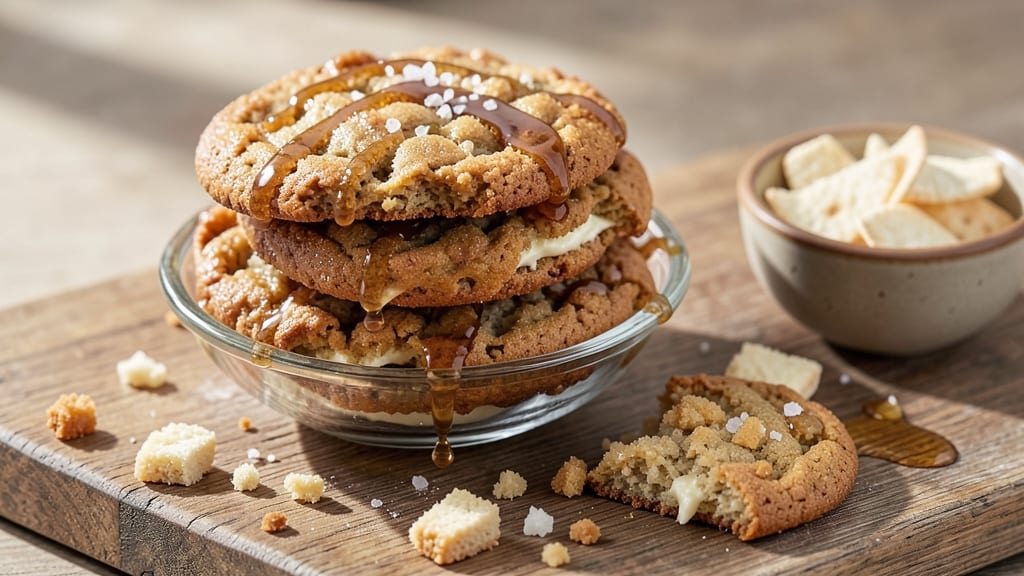
This saltine cookie recipe delivers the perfect balance of buttery vanilla swirls and a crispy, crunchy top layer that’s impossible to resist.
The secret lies in the saltine cracker crumbs mixed into the dough, creating a texture that’s both delicate and satisfying—like a cross between a shortbread cookie and a graham cracker.
I developed this recipe after years of baking, refining the technique to ensure the cookies stay tender inside while achieving that signature crunch on top.
The process is straightforward but requires precision: combining butter, sugar, and vanilla until light and fluffy, then folding in the crushed saltines for that signature texture. The dough needs to rest briefly to develop flavor, and baking at the right temperature ensures even browning without burning.
With just a few simple ingredients and careful attention to technique, you’ll end up with cookies that taste like a nostalgic treat from your childhood—only better.
What sets these apart is the crunchy top layer, achieved by sprinkling extra saltine crumbs before baking, which creates a satisfying contrast to the soft, buttery interior. The vanilla swirls add a touch of elegance, making these perfect for holidays or as a special dessert.
Once you try them, you’ll never go back to store-bought cookies again.
These cookies are foolproof and adaptable—whether you want to make them gluten-free or vegan, the technique remains the same. Ready in just 20 minutes of active prep (plus baking time), they’re ideal for impressing guests or satisfying a sweet tooth. Let’s get baking!
Ingredients for saltine cookie
Buttery, crunchy, and nostalgic—these cookies need just 11 simple ingredients for big flavor.
| Ingredient | Amount | Notes |
|---|---|---|
| Unsalted Butter 🧈 | 1 cup | Cold, cubed for creaming |
| Granulated Sugar 🍚 | 1 cup | White or light brown |
| Vanilla Extract 🍯 | 1 tbsp | Pure, not imitation |
| Large Eggs 🥚 | 2 whole | Room temperature preferred |
| Saltine Crackers 🍪 | 2 cups | Crushed into fine crumbs |
| All-Purpose Flour 🌾 | 2 cups | Sifted for light texture |
| Baking Powder 🍃 | ½ tsp | Aluminum-free preferred |
| Vanilla Sugar 🍚 | 2 tbsp | Or 1 tbsp vanilla + 1 tbsp sugar |
| Vanilla Bean Paste 🍯 | 1 tsp | For swirls, optional |
| Sea Salt 🧂 | ¼ tsp | Fine grain for sprinkling |
| Powdered Sugar 🍚 | ¼ cup | For rolling cookies |
The saltine crackers make or break this recipe. Ritz or Keebler Saltines work best—they crush finely and add that signature crunch. Grab the plain variety (no seasoning), and crush them in a food processor or sealable bag with a rolling pin. For extra crunch, toast the crackers at 350°F for 5 minutes before crushing. The butter? Use European-style butter like Plugrá if you want deeper flavor, but regular unsalted works perfectly fine. Keep everything cold until mixing to avoid overworking the dough.
No vanilla bean paste? Mix 1 tsp vanilla extract with 1 tsp sugar for a close substitute. Short on saltines? Graham cracker crumbs or crushed pretzels add different textures—pretzels give a saltier kick. The dough needs to rest 20-30 minutes for the gluten to relax and flavors to meld. Don’t skip this step! For a gluten-free version, swap the all-purpose flour for a 1:1 gluten-free blend. The baking powder is crucial—aluminum-free ensures no metallic aftertaste. If you’re feeling fancy, pipe the vanilla swirls with a pastry bag, but a spoon works just as well.
Store cookies in an airtight container at room temperature for up to 5 days, though they’ll likely disappear faster. For longer storage, freeze the dough balls (before baking) for up to 3 months. Thaw in the fridge overnight before baking. The crunchy topping stays crisp for 24 hours, so enjoy them fresh. Double the batch—they’re that good. If you’re making these for guests, sprinkle extra powdered sugar on top right after baking for a festive touch.
Why You'll Love This Recipe
- Pantry Magic: I swear, these cookies use what you already have—no special trips to the store. Butter, sugar, eggs, vanilla, and a box of saltines? That’s it. The crackers add that perfect crunch without extra effort, and honestly? I’ve made these with whatever brand was on sale.
- Buttery Vanilla Hug: The moment the crackers bake, they soak up that rich butter and sugar like a sponge, then crisp into something dangerously addictive. That vanilla? It’s not just a drop—it’s the star, making every bite taste like a warm hug from your favorite cookie jar.
- Party in a Pinch: Need last-minute cookies for a book club or potluck? Crush the saltines, mix the dough, and bake while you chat. They’re sturdy enough to pack in lunchboxes (my kid’s favorite) and hearty enough to impress guests who think you’re a baking genius.
- Zero-Waste Winner: Here’s what sold me—leftover dough? Just shape and bake. Too many crackers? Use them up. Even the scraps get tossed into muffins or oatmeal. And between us, this recipe costs less than half of store-bought cookies, so you’ll have cash left for extra butter.
Step-by-step instructions for saltine cookies recipe: buttery vanilla swirls
Here's how to create these distinctive cookies with a crispy saltine topping and tender vanilla swirl center.
Prepare the Saltine Crumb Topping
Begin by crushing the 2 cups of saltine crackers into fine crumbs using a food processor or rolling pin. You want them to resemble coarse sand—no large pieces should remain. This texture will create the signature crunchy layer on top of each cookie.
Transfer the crumbs to a medium bowl and set aside. In a separate small bowl, combine the 2 tablespoons of vanilla sugar with the 1 teaspoon of vanilla bean paste. Mix thoroughly to distribute the paste evenly. This sweet, aromatic mixture will infuse the crumb topping with rich vanilla flavor.
Cream Butter and Sugar for Light Texture
In a stand mixer fitted with the paddle attachment, beat the 1 cup of cold, cubed unsalted butter on medium speed until smooth and creamy, about 2 minutes. This ensures proper incorporation without melting. Gradually add the 1 cup of granulated sugar while continuing to mix.
Beat the butter and sugar mixture for 3-4 minutes until light and fluffy, nearly doubling in volume. You'll notice the color lighten slightly as air is incorporated. This step is crucial for achieving the tender, cake-like texture of the cookie base. Scrape down the sides of the bowl occasionally to ensure even mixing.
Incorporate Wet Ingredients and Dry Components
Add the 2 whole large eggs, one at a time, mixing on low speed after each addition until fully combined. Then add the 1 tablespoon of vanilla extract and mix for 10 seconds. In a separate bowl, whisk together the 2 cups of all-purpose flour, 0.5 teaspoon of baking powder, and 0.25 teaspoon of sea salt.
Gradually add the dry ingredients to the wet mixture, mixing on low speed just until combined. Avoid overmixing—you should still see small flour streaks. This ensures the cookies remain tender rather than developing a tough texture. The dough will be slightly sticky but manageable.
Create the Swirl and Assemble Cookies
Divide the dough into 4 equal portions. Roll each portion into a 6-inch log, about 1 inch in diameter. Wrap each log tightly in plastic wrap and refrigerate for 30 minutes to firm up. Meanwhile, mix the saltine crumbs with the vanilla-infused sugar mixture from Step 1.
Preheat your oven to 350°F. Line two baking sheets with parchment paper. Remove one dough log from the refrigerator and unwrap it. Place it on a lightly floured surface and gently flatten slightly with your hands. Spread about 2 tablespoons of the saltine mixture evenly over the top of the dough log, leaving a 1-inch border around the edges.
Bake to Golden Perfection
Carefully roll the dough log back up, sealing the saltine mixture inside. Place the sealed log seam-side down on the prepared baking sheet, spacing about 2 inches apart. Repeat with the remaining dough logs. Bake for 18-20 minutes until the edges are golden brown and the tops appear set.
Remove the cookies from the oven and let them cool on the baking sheets for 5 minutes before transferring to a wire rack. While still warm, roll each cookie gently in the 0.25 cup of powdered sugar to create the classic sugar coating. Allow them to cool completely before serving. These cookies will keep well in an airtight container for up to 5 days.
Pro Tips For Making Saltine Cookie
- CHILL THE BUTTER FIRST: I learned this the hard way—trying to cream cold butter and sugar at room temperature is a recipe for frustration. Pop that butter in the fridge for 20-30 minutes before starting. It’ll mix smoother, and your cookies won’t turn out greasy or dense.
- CRUSH CRACKERS FINE: Skip the food processor for this one. Use a rolling pin and a heavy pan to smash crackers into tiny, even crumbs—think fine sand, not coarse gravel. Lumpy bits show up in every bite, and nobody wants that texture surprise.
- DON’T OVERMIX THE DOUGH: Once the crackers hit the wet ingredients, stir just until combined. Overworking it turns the dough into a sad, flat pancake. Two or three gentle folds is all you need—your cookies will stay tender and chewy, not tough.
- BROWN THE BUTTER (IF YOU DARE): Sounds weird, but it works: Swap half the butter for browned butter in the dough. The nutty depth cuts through the sweetness, and the cookies get a richer, almost caramelized edge. Just don’t burn it—stop when it smells like toasted nuts, not smoke.
Wine and beer pairings for this saltine cookie
Sweet Wine Pairings
Saltine cookies have a delicate balance of buttery richness and vanilla sweetness, making them perfect with Moscato d'Asti—a lightly sparkling Italian white with honeyed apple and peach notes. This wine's effervescence cuts through the cookie's density while enhancing its vanilla flavors.
I also love Riesling from Germany, particularly a Kabinett or Spätlese, with its bright acidity and citrus undertones that complement the cookie's crunchy texture. 🍷
Rich Dessert Reds
For those who prefer red wine, a Pinot Noir from Oregon or Burgundy is ideal. Its red fruit flavors and silky texture won’t overpower the cookie’s delicate crunch. I recommend a Willamette Valley Pinot Noir—its cherry and berry notes harmonize beautifully with the vanilla swirl.
Avoid heavy, tannic reds like Cabernet Sauvignon, which would clash with the cookie’s buttery sweetness.
Creamy Beer Options
A Belgian-style witbier like Stella Artois or Hoegaarden works surprisingly well. The coriander and citrus notes in these beers refresh your palate between bites of the cookie’s crunchy top layer. For a bolder option, try a honey ale—its malty sweetness mirrors the cookie’s vanilla and sugar flavors.
Just avoid heavy stouts or IPAs, which would overpower the delicate cookie texture. 🍺
Coffee and Tea Pairings
Saltine cookies pair wonderfully with espresso or dark roast coffee—the bitterness balances the sweetness perfectly. I often enjoy them with a cortado (equal parts espresso and steamed milk) for a creamy contrast.
For a non-caffeinated option, chamomile tea with a touch of honey enhances the cookie’s vanilla notes without competing flavors.
After-Dinner Digestifs
Finish your dessert experience with a sherry like Pedro Ximénez—its caramel and dried fruit flavors complement the cookie’s buttery richness. A small glass of Amaretto or Frangelico also works beautifully, as their almond and vanilla notes echo the cookie’s signature flavors.
These pairings elevate the cookies from a simple treat to a sophisticated dessert experience. 💛
Nutrition facts
Frequently asked questions
Why do saltine cookies have a crunchy top layer?
The signature crunch comes from crushed saltine crackers mixed into the dough and pressed into the top before baking. This creates a satisfying texture contrast with the soft, buttery interior. The key is using fine crumbs (no large pieces) and baking at 350°F for even browning without burning.
Can I make these without a food processor?
Crush the saltine crackers in a sealable bag with a rolling pin or place them in a sturdy ziplock bag and use your hands to press and crush. For extra crunch, toast the crackers at 350°F for 5 minutes before crushing. A fork works too—just be patient!
How do I prevent my saltine cookies from spreading too much?
Chill the dough logs for 30 minutes before baking to firm them up. Use 1 tablespoon of vanilla sugar in the crumb topping (not just plain sugar) to add structure. Bake on a parchment-lined sheet and avoid overcrowding—space them 2 inches apart. A slightly lower oven temp (345°F) can also help.
What’s the best way to store these cookies?
Keep them in an airtight container at room temperature for up to 5 days. For longer storage, freeze the dough balls (before baking) for 3 months24 hours, so enjoy them fresh! For a festive touch, sprinkle extra powdered sugar before serving.
Can I make these gluten-free or vegan?
For gluten-free, replace all-purpose flour with a 1:1 gluten-free blend and use a gluten-free saltine alternative (like gluten-free graham crackers). For vegan, swap butter for vegan butter or coconut oil and eggs for flax eggs (1 tbsp ground flax + 3 tbsp water per egg). The technique stays the same—just adjust textures as needed.