
Tips
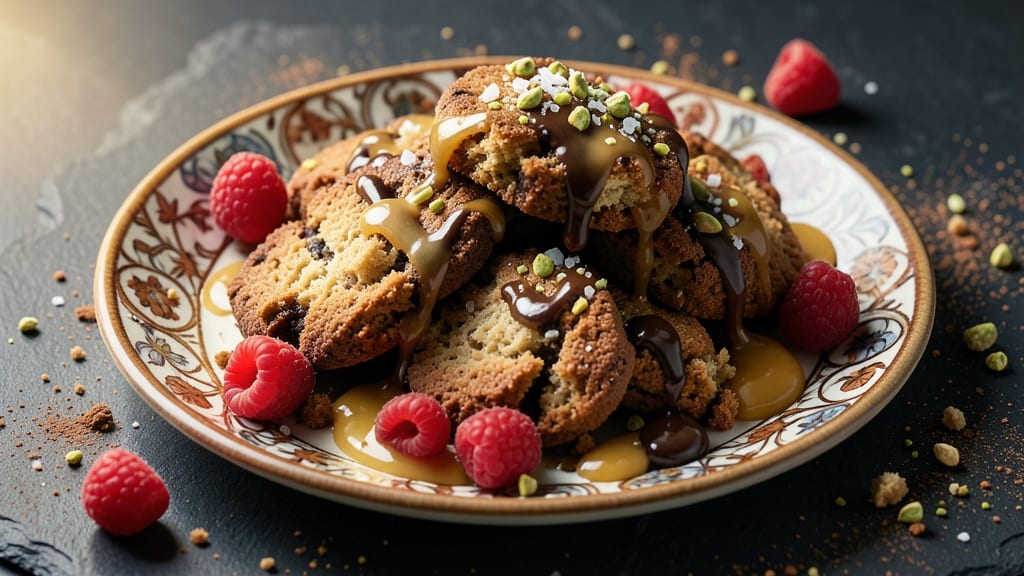
Rotten cookies taste bitter, sour, and rancid, with a stale, musty aroma and a crumbly or gummy texture. Off-flavors like vinegar, cardboard, or even a faint metallic taste signal spoilage from mold, oxidation, or improper storage.
My Nonna always said cookies start losing their magic when fats like butter or oil break down—think of that sharp, almost soapy taste you get when milk goes bad. 🔥 The real culprit? Oxygen and heat speeding up oxidation, turning delicate flavors into something harsh and unpleasant.
Even worse, mold can creep in silently, giving off that unmistakable musty smell before you even notice the texture turning gummy.
What’s fascinating is how storage makes all the difference. I’ve learned the hard way that leaving cookies in a loose bag lets moisture seep in, while an airtight container with a silica packet keeps them fresh for weeks.
Freezing is my go-to for homemade batches—it stops time on those rich, buttery flavors until I’m ready to bake again.
💡 In This Article
- Chemical Causes of Spoiled Cookie Flavor
- How to Store Cookies to Prevent Spoilage
Chemical causes of spoiled cookie flavor
When cookies go bad, it's not just about mold—it's a chemical breakdown of their core ingredients. The fats in butter and oils like vegetable oil start oxidizing when exposed to air, creating compounds that taste bitter and metallic.
This happens faster at higher temperatures, which is why cookies stored in warm pantries spoil quicker than those kept in cool places. The sugars in cookies also react with moisture, forming hydroxymethylfurfural (HMF), a compound that gives that unpleasant caramelized, almost burnt taste.
Mold growth introduces another layer of flavor destruction. Fungi release geosmin, a compound that smells like damp earth or mustiness, and methyl ketones, which contribute to that sharp, vinegary tang. These compounds develop when mold spores land on cookies and begin metabolizing the fats and sugars.
Even a single visible spot can mean the entire batch is compromised—mold roots spread silently, contaminating nearby cookies through microscopic spores. 🔥
Temperature and moisture are the biggest accelerants. Cookies stored above 70°F see oxidation rates double every 10°F increase, while humidity above 60% causes fats to break down into rancid free fatty acids.
That's why my Nonna always insisted on storing cookies in ceramic jars with tight seals—they kept out both air and moisture.
The contrast between fresh cookies (where fats are stable and sugars are crisp) and spoiled ones (where fats are fragmented and sugars are degraded) is stark: fresh tastes sweet and buttery, while rotten becomes harsh and chemical.
Here's what's happening at the molecular level: Fresh butter contains triglycerides that release pleasant volatile compounds when baked. When these fats oxidize, they form aldehydes and ketones—the same compounds that give paint thinner its sharp smell.
These break down further into short-chain fatty acids, which taste sour and soapy. The protein in flour also degrades, creating ammonia-like compounds that add to the metallic aftertaste. 💫
What most people don't realize is how quickly this happens with different cookie types. Shortbread cookies with high butter content spoil faster than oatmeal cookies because their lower moisture content makes fats more vulnerable to oxidation.
Chocolate chip cookies, meanwhile, develop that "cardboard" taste when cocoa butter oxidizes—its melting point of 94-104°F means it breaks down even at room temperature over time. The key to preventing this is understanding how each ingredient reacts to its environment.
For example, the polyunsaturated fats in vegetable oil-based cookies oxidize twice as fast as saturated fats in butter. That's why my Italian-American family always used butter for holiday cookies—it stays fresh longer.
The science here is clear: fats are the Achilles' heel of cookie freshness, and protecting them from oxygen and heat is the secret to keeping that golden, buttery taste intact. ✨