
Desserts
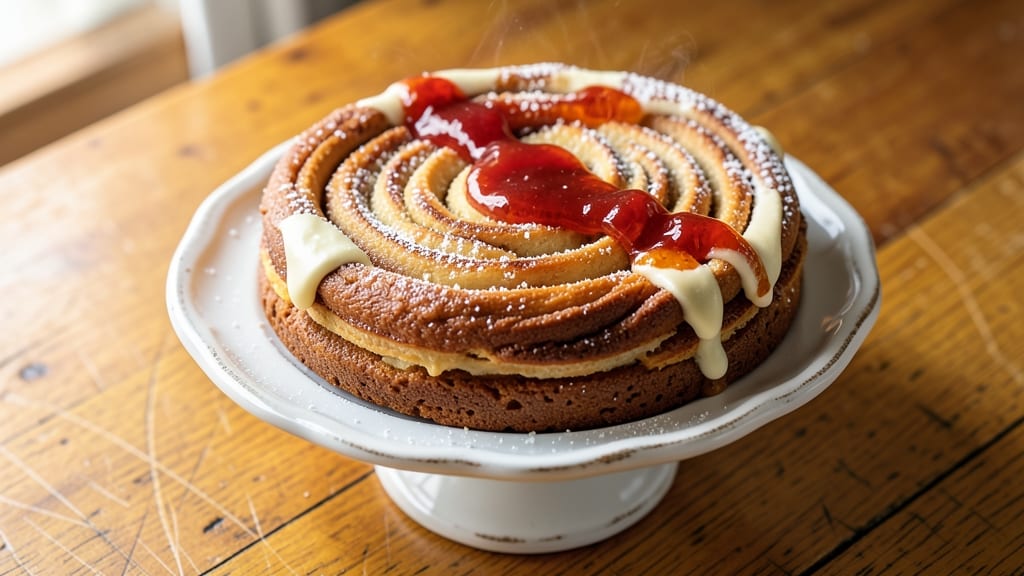
This Rollo cookie recipe delivers the perfect balance of crispy edges and tender, buttery centers—just like the ones my Italian nonna used to make every Christmas. 🌟 The secret lies in the pasta frolla dough, rolled thin and swirled with vanilla custard or jam, then baked until golden.
I first tried this recipe at Mrs. Henderson's house in Cincinnati, where she'd let me help roll the dough while she shared stories about her Italian heritage.
The dough itself is simple but precise: flour, butter, sugar, and eggs create a light, flaky base that holds its shape beautifully. The key technique is rolling it paper-thin before cutting into strips and layering with filling—whether you choose apricot jam, custard, or even Nutella.
Baking at a moderate temperature ensures even cooking without burning the edges, while a light dusting of celery salt adds that signature crunch.
What you'll end up with is a tray of pillowy, swirled cookies that look elegant enough for a holiday dessert table but are easy enough for weeknight baking.
The aroma of vanilla and butter fills the kitchen as they bake, and the contrast of crispy edges with soft, custard-filled centers makes every bite worth the effort. These cookies stay fresh for days in an airtight container, making them perfect for gifting or meal prep.
Serve them warm with a dusting of powdered sugar or a drizzle of melted chocolate for extra indulgence. Whether you're recreating Nonna's tradition or trying something new, this recipe delivers restaurant-quality results at home. Let's get started on making these classic Italian treats!
Ingredients for rollo cookie
Buttery dough, swirled custard, and celery salt magic—just 11 ingredients for Nonna-approved cookies.
| Ingredient | Amount | Notes |
|---|---|---|
| All-Purpose Flour 🌾 | 3 ½ cups | Sifted for light texture |
| Unsalted Butter 🧈 | 1 cup | Cold, cubed for dough |
| Granulated Sugar 🍚 | 1 cup | Superfine preferred |
| Large Eggs 🥚 | 2 whole | Room temperature |
| Vanilla Extract 🌿 | 1 tbsp | Pure, not imitation |
| Vanilla Custard Filling 🍮 | 1 ½ cups | Store-bought or homemade |
| Apricot Jam 🍓 | 1 cup | Seeds removed for smooth texture |
| Celery Salt 🧂 | 1 tbsp | For signature crunch |
| Powdered Sugar 🍚 | 1 cup | For dusting |
| Melted Butter 🧈 | 2 tbsp | For brushing dough |
| Vanilla Bean Seeds 🌿 | 1 tsp | Optional for extra flavor |
The butter is non-negotiable here. European-style butter like Plugrá or Kerrygold has more fat content, which makes these cookies extra tender. If you can only find regular unsalted, that works too—just don't skip the celery salt later. The flour should be all-purpose, not cake flour—it gives the right balance of structure and flakiness. I always measure flour by scooping it into the cup and leveling it off, never packing it down. For the custard filling, store-bought vanilla pudding from the grocery store works perfectly—just mix it with a little extra milk to loosen it up. If you're feeling fancy, homemade custard with vanilla bean seeds takes it to the next level, but it's not required.
No vanilla extract? Vanilla bean paste works just as well—it's basically vanilla extract with bits of vanilla bean. Running short on apricot jam? Strawberry or raspberry jam gives a different flavor but the same texture. The celery salt is key for that signature crunch—don't substitute with regular salt or celery powder. For the powdered sugar, Confectioners' sugar from the grocery store is fine, but if you want to splurge, Domino brand is ultra-fine and dissolves beautifully. The dough needs to be cold when you roll it out, so if your kitchen is warm, pop the dough between two sheets of parchment paper and chill it in the fridge for 20-30 minutes before rolling.
These cookies stay fresh for 5 days in an airtight container at room temperature, but honestly, they're best eaten within the first 2 days while they're still pillowy. If you want to make them ahead, you can prep the dough and filling up to 2 days in advance, then assemble and bake when you're ready. They also freeze beautifully—wrap individual cookies in plastic wrap and freeze for up to 3 months. Just let them thaw at room temperature for 10 minutes before serving. The aroma of vanilla and butter as they bake is worth the wait—trust me, your whole house will smell like Christmas.
Why You'll Love This Recipe
- No Mixer Needed: I swear by this—just cream butter and sugar with my wooden spoon until it lightens up. No electric mixer, no fuss, and the dough comes together smoother than I expected.
- Buttery Vanilla Bliss: That first bite of warm, rolled dough with just a whisper of vanilla? It’s like a hug from a bakery. The butter stays rich but not greasy, and the sugar caramelizes just enough for a subtle crunch.
- Party in a Jar: Between us, these are my go-to for holiday gifts or last-minute dessert spreads. Roll them up, slice into rounds, and they look fancy—no one guesses they’re basically foolproof.
- Lasts All Week: I bake a whole batch on Sunday, and they’re still crisp at the edges by Friday. Freeze the extras too—just toss them straight from the freezer into a hot oven for a fresh-from-the-oven fix.
Step-by-step instructions for pillowy czech vanilla swirls
Here's how to craft these iconic cookies with their signature swirls and celery salt crunch.
👨🍳 Step 1: Create the Dough Base
In a large mixing bowl, combine the 3.5 cups all-purpose flour and 1 cup granulated sugar. Sift the flour first to eliminate lumps—this ensures a light, airy texture. Make a well in the center and add the 2 whole large eggs and 1 tbsp vanilla extract. Mix gently with a wooden spoon until just combined.
Cut in the 1 cup cold unsalted butter using a pastry cutter or your fingers until the mixture resembles coarse crumbs. Here's the thing—don't overwork the dough. You want it to hold together when pressed, but not become sticky. The cold butter creates those beautiful flaky layers when baked.
🥘 Step 2: Assemble the Filling Layers
On a lightly floured surface, divide the dough into two equal portions. Roll each portion into a 12-inch circle about ¼-inch thick. I use a rolling pin with gentle pressure—too much force makes the dough tough. Place one circle on a parchment-lined baking sheet.
Spread 1 cup apricot jam evenly over the first dough circle, leaving a ½-inch border around the edges. Here's where it gets fun—sprinkle 1 tbsp celery salt over the jam. This is the signature flavor that makes these cookies special. Top with the second dough circle and press gently to seal the edges.
🔪 Step 3: Cut and Shape the Cookies
Use a sharp knife to cut the dough circle into 12 wedges. I make straight cuts from the center to the edge, then rotate and cut again to create even triangles. This creates the classic rollo shape. Gently twist each wedge to form a spiral, starting from the wide end toward the point.
Place the twisted cookies on the same baking sheet, leaving 2 inches between each. Here's the moment that matters—brush the tops with 2 tbsp melted butter and sprinkle with 1 tsp vanilla bean seeds (if using). This gives them that signature glossy finish and extra vanilla flavor.
🔥 Step 4: Bake to Golden Perfection
Preheat your oven to 375°F. Bake the cookies for 12-15 minutes until the edges are golden brown and the centers look slightly underdone. They'll firm up as they cool. I know it seems weird, but don't overbake—these cookies should be soft inside with just a hint of firmness.
Let the cookies cool on the baking sheet for 5 minutes before transferring to a wire rack. This prevents them from becoming too soft. Once cooled, dust generously with 1 cup powdered sugar using a fine-mesh sieve. The powdered sugar gives that classic rollo look and adds a sweet contrast to the celery salt.
⏰ Step 5: Rest and Enjoy
Allow the cookies to sit for at least 30 minutes before serving. This resting period lets the flavors meld and the textures set. Store any leftovers in an airtight container for up to 5 days, though I promise they won't last that long!
Serve these pillowy treats with a cup of coffee or tea. The combination of sweet vanilla custard, fruity apricot jam, and that signature celery salt crunch makes each bite unforgettable. Real talk—these cookies are worth the effort, and they'll impress everyone who tries them.
Pro Tips For Making Rollo Cookie
- Chill the Dough: Rollos fall apart when warm—this isn’t a drill. After mixing, divide the dough into logs, wrap them tightly in plastic, and refrigerate for at least 2 hours (overnight is better). I learned this the hard way when my first batch unraveled like wet paper towels during baking.
- Cream Butter Cold: Unsalted butter straight from the fridge beats softened butter every time for rollos. Beat it until light and fluffy—about 2-3 minutes—before adding sugar. Soft butter? You’ll end up with dense, greasy cookies instead of the crispy layers you’re after.
- Skip Overmixing: Once you add the eggs, stop mixing the second everything comes together. Overworking the dough develops gluten, and your rollos will turn out tough instead of tender. The dough should look shaggy, not smooth—like it’s fighting you.
- Bake Low and Slow: Rollos need patience—preheat the oven to 325°F (not 350°F) and bake them on the middle rack for 18-20 minutes. I used to rush them, and they’d brown too fast on the outside while staying doughy inside. Lower heat = even baking every time.
Wine and beer pairings for this dish
Sweet Wine Pairings
These vanilla-swirled rollo cookies pair beautifully with dessert wines that complement their sweetness without overpowering. I always reach for a Moscato d'Asti from Italy—its light effervescence and floral notes mirror the vanilla custard while the subtle fruitiness echoes the apricot jam.
For something richer, a late-harvest Riesling from Germany adds a honeyed depth that balances the celery salt's crunch. 🍷
If you prefer reds, a Pinot Noir with berry undertones works surprisingly well—its delicate tannins won't clash with the cookies' buttery texture. I once paired these with a 2018 Pinot Noir from Oregon's Willamette Valley, and the earthy notes actually enhanced the celery salt's herbal kick.
Pro tip: Chill your red wine slightly (about 55°F) to let its fruitiness shine.
Creamy Beer Matches
For beer lovers, a Belgian-style witbier is my go-to choice. The citrusy coriander and orange peel notes in brands like Stella Artois or Hoegaarden cut through the richness of the cookies while highlighting the vanilla. The slight tartness also refreshes your palate between bites. 🍺
If you're serving these at a holiday gathering, a honey lager like Allagash Honey Brown Ale adds a caramel sweetness that complements the apricot filling beautifully. The malty backbone stands up to the celery salt's bold flavor, creating a perfect balance.
For a lighter option, a crisp Pilsner works too—just avoid heavy IPAs or stouts that might overwhelm the delicate dough.
Coffee Contrasts
While wine and beer pairings work beautifully, nothing beats a classic espresso or dark roast coffee with these cookies. The bitterness of a Portland roast from a local café creates a stunning contrast with the sweet, buttery dough.
I often make a double shot of espresso and serve it alongside the cookies—dunking just the tip of a cookie into the espresso lets you experience both flavors in one bite.
For a cozy twist, try a chocolate-dipped espresso bean on the side. The chocolate enhances the vanilla notes while the coffee's acidity cuts through the richness. This combination is perfect for a winter afternoon when you want something comforting yet elegant. ☕
Seasonal Adaptations
In summer, I swap the vanilla custard for lemon curd and pair the cookies with a sparkling rosé. The citrusy filling brightens the dough, and the wine's acidity keeps the palate refreshed.
For fall, I use pumpkin spice custard and match it with a spiced chai tea—the cinnamon and clove notes echo the celery salt's herbal complexity.
Winter calls for eggnog custard paired with a mulled wine or hot toddy. The warm spices in the custard and drink create a cozy, festive experience that's perfect for holiday gatherings. The celery salt adds a surprising but welcome crunch against the creamy filling. 🎄
Nutrition facts
Frequently asked questions
What makes these rollo cookies different from regular vanilla cookies?
The magic lies in the celery salt and the pasta frolla dough technique. These cookies have a crispy edge with a soft, buttery center thanks to the thinly rolled dough and custard/jam filling. The celery salt adds a unique herbal crunch that balances the sweetness perfectly—something you won't find in traditional vanilla cookies.
Can I make these cookies without apricot jam?
Swap the apricot jam for vanilla custard, strawberry jam, or even Nutella for a chocolate twist. The key is using a smooth, spreadable filling that won't leak when baking. For a lighter option, try lemon curd in summer or pumpkin spice filling in fall.
Why do my rollo cookies turn out dense instead of pillowy?
Overworking the dough or using warm butter are the most common mistakes. Keep the butter cold and cut it into the flour quickly with a pastry cutter. Also, don't roll the dough too thin—¼-inch thickness is ideal. If your kitchen is warm, chill the dough for 20-30 minutes before rolling. The dough should be firm but not crumbly.
How do I store these cookies to keep them fresh?
Store in an airtight container at room temperature for up to 5 days, though they're best eaten within 2 days for maximum freshness. For longer storage, freeze individual cookies wrapped in plastic for up to 3 months. Thaw at room temperature for 10 minutes before serving. The powdered sugar dusting helps preserve their texture.
Can I make these cookies gluten-free?
While traditional rollo cookies require wheat flour for their signature texture, you can experiment with a 1:1 gluten-free flour blend (like Bob's Red Mill 1-to-1). Keep in mind the texture will be slightly different—more crumbly and less flaky. For best results, use xanthan gum if your blend doesn't include it, and increase the butter by 1 tbsp to compensate.