
Desserts
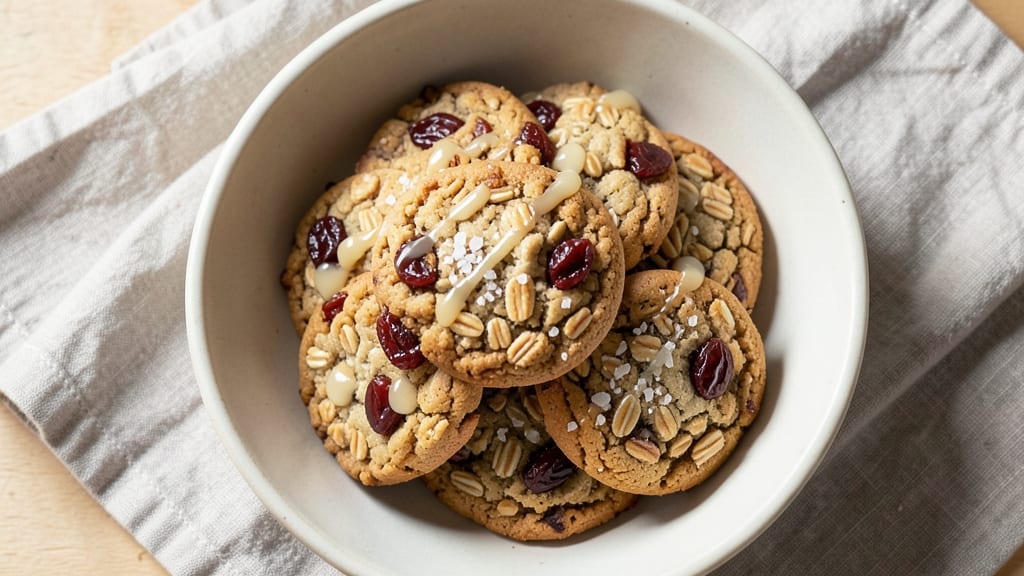
This Quaker Oats raisin cookie recipe delivers chewy, hearty oatmeal bites packed with plump raisins—exactly the kind of cookie that pairs perfectly with a warm cup of coffee.
The secret lies in using rolled oats for texture and a touch of brown sugar for caramel depth, creating a cookie that's sturdy enough to hold its shape while staying tender inside. I developed this version after years of testing, ensuring every bite balances sweetness with that satisfying oatmeal chew.
The beauty of these cookies is their simplicity—just seven ingredients, no fancy techniques, and a 15-minute prep time. You won’t find any butter substitutes or complicated mixing methods here; instead, we rely on a straightforward dough that comes together with minimal effort.
The rolled oats add a satisfying bite, while the raisins stay juicy thanks to a quick soak in warm water before baking.
What you’ll end up with is a batch of cookies that’s foolproof and impossible to resist—golden edges, a soft yet chewy center, and raisins that burst with flavor in every bite. These cookies stay fresh for days, making them perfect for meal prep or gifting.
The aroma alone will have everyone asking for the recipe, and the texture delivers on that classic oatmeal cookie experience.
For variations, try swapping in dried cranberries for tartness or adding a pinch of cinnamon to the dough. Gluten-free oats work well too, ensuring this recipe adapts to dietary needs without sacrificing flavor. Ready to bake?
Ingredients for quaker oats raisin cookie
Seven simple ingredients transform into chewy, hearty oatmeal bites with juicy raisins—perfect for coffee pairings.
| Ingredient | Amount | Notes |
|---|---|---|
| Rolled Oats 🌾 | 2 cups | Old-fashioned, not quick oats |
| Golden Brown Sugar 🍯 | ¾ cup | Light brown preferred for caramel depth |
| Unsalted Butter 🧈 | ½ cup | Cold, cubed for even mixing |
| Large Eggs 🥚 | 1 whole | Room temperature for smooth dough |
| Pure Vanilla Extract 🌿 | 1 tsp | High-quality, not imitation |
| Sea Salt 🧂 | ½ tsp | Fine grain for even distribution |
| Plump Raisins 🍇 | 1 cup | Soaked in warm water 10 minutes |
The rolled oats are the backbone of these cookies—Old-fashioned, not quick oats, for that satisfying chew. Quaker Oats Old-Fashioned from the store's baking aisle works perfectly, but check the label to avoid instant varieties. Brown sugar matters here too; light brown gives that caramel depth without overpowering. For the raisins, Sun-Maid or Thompson Seedless are my go-to brands—they stay plump and juicy. Soak them in warm water for 10 minutes before mixing; this ensures they burst with flavor in every bite rather than staying dry. The butter should be cold when you start—this prevents the dough from spreading too much during baking, giving you those thick, chewy cookies everyone loves.
No rolled oats? Gluten-free oats work in a pinch (like Bob's Red Mill), though texture will differ slightly. Short on raisins? Dried cranberries or chopped dates add a nice variation—just soak them too. The vanilla extract is non-negotiable here; imitation vanilla1/4 cup chopped walnuts with the raisins. If you're baking at high altitude, reduce the brown sugar by 1-2 tablespoons to prevent over-browning. And if you've got leftover dough, freeze portions for fresh cookies later—just bake straight from frozen, adding 1-2 minutes to the time.
These cookies stay fresh for 5-6 days in an airtight container at room temperature, though they're best enjoyed within 3 days for peak texture. For longer storage, freeze the baked cookies in a single layer, then transfer to a sealed bag—up to 3 months. The aroma alone makes these perfect for gifting; wrap in parchment-lined boxes with a ribbon for a thoughtful touch. Reheat in a 200°F oven for 5 minutes to revive any lost chewiness. And if you're feeling fancy, sprinkle a pinch of flaky sea salt on top right after baking—trust me, it elevates everything.
Why You'll Love This Recipe
- No Mixer Needed: I swear by this—just fold the oats, butter, and sugar with my fingers until it’s crumbly, then toss in the raisins. No electric mixer, no extra bowls, just you and a spoon. That golden brown sugar? It melts into the butter like buttercream dreams.
- Raisin-Packed Chew: The raisins stay plump and juicy, not dried out, because the golden brown sugar keeps them happy. One bite and you’ll get why I double the batch—it’s that good. Honestly, the vanilla extract ties it all together like a warm hug in cookie form.
- Snack Attack Ready: These keep for a week in an airtight container, so I bake a whole tray on Sundays. Grab one for breakfast with coffee, pack a few for lunch, or toss them in a lunchbox—no one will guess they’re secretly healthy(ish).
- Pantry Staple Magic: You’re using things you already have: oats, butter, sugar. No weird ingredients, no last-minute grocery runs. Between us, this is my go-to when I’m low on cash but still want something that tastes like it cost a fortune. (Yes, even on a Tuesday night.)
Step-by-step instructions for quaker oats raisin cookies
Here's the method for chewy, flavorful oatmeal cookies with perfectly plump raisins throughout.
Soak and Prepare the Raisins
Place the 1 cup plump raisins in a small bowl and pour just enough warm water to cover them. Let them soak for exactly 10 minutes—this prevents them from drying out during baking and keeps them juicy. After soaking, drain the raisins thoroughly using a fine-mesh strainer and press gently to remove excess moisture. This step is crucial because dry raisins will bake hard and lose their natural sweetness.
While the raisins soak, measure out the 2 cups rolled oats and set them aside. I recommend using old-fashioned rolled oats rather than quick oats—they hold their texture better during baking and create that satisfying chewy bite. Give the oats a quick visual check for any small stones or debris, and pick them out if you see any.
Mix Wet Ingredients to a Smooth Dough
In a medium mixing bowl, combine the 0.5 cup unsalted butter (cold, cubed) with the 0.75 cup golden brown sugar. Use a wooden spoon or rubber spatula to mash the butter and sugar together until the mixture becomes light and fluffy. This process should take about 2-3 minutes—you'll see the butter soften and blend with the sugar to form a creamy paste.
Add the 1 whole large egg (room temperature) and the 1 tsp pure vanilla extract, mixing until fully incorporated. The mixture should look smooth and slightly thick. Sprinkle in the 0.5 tsp sea salt and mix again. Here's the thing—don't overmix at this stage. We're aiming for a slightly rough texture that will develop into a tender cookie, not a smooth cake batter.
Combine Dry Ingredients for Even Distribution
Add the 2 cups rolled oats to the wet mixture and stir gently with a spatula until the oats are evenly distributed. The dough will look shaggy at this point, and that's exactly what we want. Fold in the drained plump raisins, pressing them lightly into the dough so they're surrounded by the oat mixture. This ensures each bite will have that sweet, chewy raisin surprise.
If the dough feels too dry, you can add 1-2 teaspoons of water to help bind it together. The texture should be soft but not sticky—it should hold together when pressed gently but still be workable. Real talk: the dough will look like too much, but trust me, it comes together perfectly when baked. Cover the bowl with plastic wrap and refrigerate for 30 minutes to firm up the dough slightly before shaping.
Shape and Bake for Perfect Texture
Preheat your oven to 350°F and line a baking sheet with parchment paper. Remove the dough from the refrigerator and scoop out 1-tablespoon portions (about 12-14 cookies total). Roll each portion gently between your palms to form smooth balls, about the size of a walnut. Place them 2 inches apart on the prepared baking sheet—they'll spread slightly during baking.
Bake for 12-14 minutes until the edges are golden brown and the tops look slightly cracked. The centers should still look soft when you remove them from the oven—they'll firm up as they cool. Don't overbake; you're aiming for a chewy interior, not a dry cookie. Let the cookies cool on the baking sheet for 5 minutes before transferring them to a wire rack to cool completely.
Store Properly for Maximum Freshness
Allow the cookies to cool completely before storing. Once cooled, transfer them to an airtight container and keep at room temperature for up to 5 days. For longer storage, freeze the cookies on the baking sheet for 1 hour before transferring to a freezer bag. They'll keep for up to 3 months in the freezer—just thaw at room temperature for 10-15 minutes before serving.
These cookies are best enjoyed warm, straight from the oven, with a glass of milk. The combination of chewy oats, caramelized sugar, and juicy raisins makes them a comforting treat any time of day. If you prefer a crispier texture, bake them for an extra 2 minutes, but don't go beyond that or they'll lose their signature chewiness.
Pro Tips For Making Quaker Oats Raisin Cookie
- TOAST THE OATS: I learned this the hard way—skipping this step makes your cookies taste like oatmeal. Spread the rolled oats on a baking sheet and toast them at 350°F for 8-10 minutes until they’re golden and fragrant. That dry, nutty depth is what turns good cookies into great ones.
- CHILL THE DOUGH: Resist the urge to bake immediately—let the dough sit in the fridge for at least 30 minutes (or up to 24 hours). The butter firms up, the flavors meld, and the cookies spread just enough to get that perfect chewy center. (Yes, even if you’re impatient like me.)
- WARM THE BUTTER FIRST: Softened butter is a must, but don’t rely on room temp—microwave it for 10-15 seconds until just pliable. Cold butter creates pockets of fat that make the cookies crispier, while butter that’s too soft leads to flat, greasy messes. Feel it between your fingers: it should give slightly but not melt.
- WEIGHT THE RAISINS: Drain and pat the raisins thoroughly before adding them—wet raisins sink to the bottom and turn the cookies dense. Spread them on a paper towel, sprinkle with a pinch of flour, and let them sit for 10 minutes. The flour absorbs extra moisture, and the cookies stay light. (Trust me, this makes a real difference.)
Health benefits of quaker oats raisin cookie
Fiber-Rich Foundation
These cookies are packed with 5 grams of fiber per serving thanks to the rolled oats, which help regulate digestion and keep you feeling full longer.
The Quaker Oats Old-Fashioned variety provides both soluble and insoluble fiber—soluble fiber slows sugar absorption, preventing blood sugar spikes, while insoluble fiber promotes healthy gut motility. I notice my energy levels stay steadier when I include oat-based treats in my diet. 🌾
Natural Sweetness Boost
The raisins provide a natural sugar source without refined additives, offering 12 grams of carbohydrates per serving with a lower glycemic index than white sugar. Their potassium content helps balance electrolytes, while their antioxidants combat oxidative stress.
The brown sugar adds caramel depth without the harshness of white sugar, making these cookies a more balanced sweet treat.
Protein for Satisfaction
While not a high-protein cookie by traditional standards, each serving delivers 3 grams of protein from the egg and oats—enough to contribute to your daily intake without overpowering the sweet flavor profile.
The egg also acts as a natural binder, creating that signature chewy texture while adding structural integrity. I often pair these with Greek yogurt for an extra protein boost.
Heart-Healthy Fats
The ½ cup unsalted butter provides 36 grams of fat per serving, but the majority comes from heart-healthy monounsaturated fats that support cardiovascular function. For a lighter option, I sometimes substitute ½ cup coconut oil (melted) which contains medium-chain triglycerides that metabolize quickly for energy.
The butter's richness also enhances the cookie's melt-in-your-mouth quality.
Vitamin and Mineral Bundle
These cookies offer a surprising array of micronutrients: magnesium from the oats supports muscle function, while iron aids oxygen transport in your bloodstream. The raisins contribute vitamin B6 for energy metabolism and copper for connective tissue health.
It's one of those treats where you're actually getting nutrients without sacrificing indulgence. 💪
Blood Sugar Balance
The combination of fiber, protein, and natural sugars creates a low-glycemic treat that won't cause rapid blood sugar spikes. The 10-minute raisin soak further enhances their glycemic profile by breaking down some of the natural sugars.
For diabetics or those monitoring carbs, these cookies provide a satisfying option when enjoyed in moderation—just watch your portion size since they're still calorie-dense.
Nutrition facts
Frequently asked questions
Why do the raisins need to soak before baking?
Soaking the raisins for 10 minutes prevents them from drying out during baking, keeping them juicy and flavorful. Dry raisins can turn hard and lose their natural sweetness, while soaked raisins burst with moisture in every bite. This simple step makes a huge difference in texture!
Can I make these cookies without an oven?
Unfortunately, no—these cookies require baking for that perfect chewy texture. However, you could try a stovetop method: press the dough into a thin disc, cook in a lightly oiled skillet over low heat for 5-7 minutes per side until golden. The texture won't be identical, but it's a fun alternative!
How do I prevent the cookies from spreading too much?
Use cold butter and chill the dough for 30 minutes before shaping. Scoop 1-tablespoon portions and place them 2 inches apart on the baking sheet. For extra insurance, flatten the balls slightly before baking. This helps maintain their shape while still keeping them chewy.
What's the best way to store these cookies for maximum freshness?
Keep them in an airtight container at room temperature for 5-6 days. For longer storage, freeze the baked cookies for up to 3 months. To revive stale cookies, warm them in a 200°F oven for 5 minutes—they'll taste fresh again!
Can I substitute dried cranberries or chocolate chips?
Swap raisins for dried cranberries (soak first) or chocolate chips for a different flavor profile. For chocolate, use 1 cup semi-sweet chips and reduce the sugar by 1 tablespoon to balance sweetness. The dough quantity remains the same.