
Soups & Stews
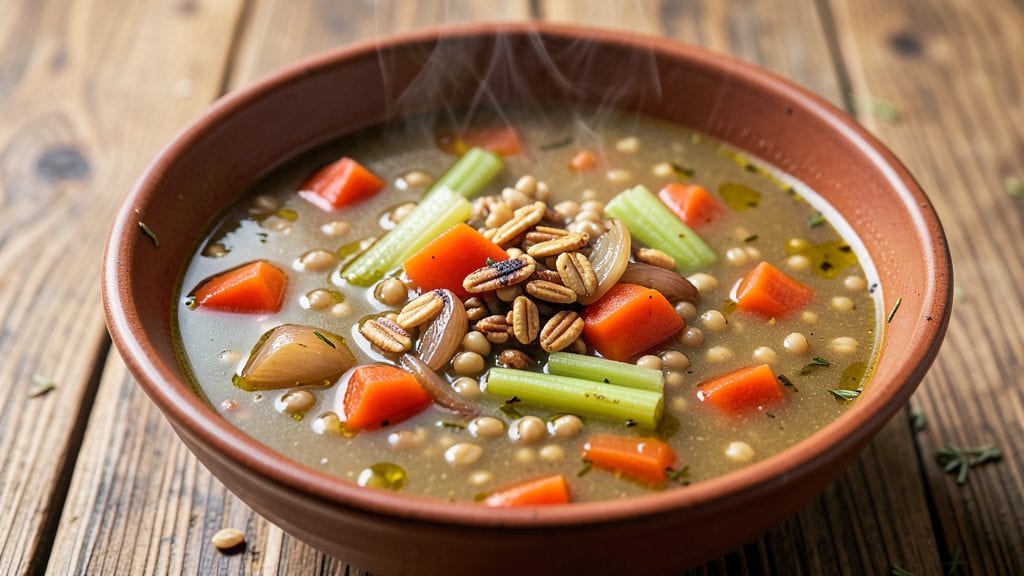
A Quaker oats and barley soup transforms simple pantry staples into a deeply satisfying, hearty meal that warms both body and soul. This vegetarian recipe blends the nutty depth of toasted barley with the comforting texture of oats, creating a soup that feels like a hug in a bowl.
The secret lies in toasting the grains first—this step unlocks their natural sweetness and builds a rich, aromatic foundation that no shortcut can replicate.
What sets this soup apart is its balance: earthy barley and creamy oats harmonize with fresh vegetables, while a touch of lemon brightens the finish. Unlike quick soups that rely on canned broths, this recipe starts with a homemade base—simmered onions, garlic, and celery—that infuses every spoonful with layered flavor.
The result is a soup that’s equally at home on a chilly Tuesday night or as a centerpiece for a cozy weekend gathering.
By the time you taste the first spoonful, you’ll notice how the barley holds its shape while the oats soften into a velvety texture, creating a satisfying contrast. The slow simmering process allows flavors to meld naturally, with no need for artificial thickeners or heavy cream.
This is the kind of soup that tastes even better the next day, making it perfect for meal prep or feeding a crowd.
Ready to make it? The process is straightforward—just 30 minutes of active prep followed by an hour of simmering—but the results are anything but ordinary. Whether you’re a seasoned cook or new to the kitchen, this recipe delivers restaurant-quality warmth without the fuss. Let’s get started.
Ingredients for quaker oats barley soup
Pantry staples meet whole-grain comfort in this hearty, vegetarian soup recipe.
| Ingredient | Amount | Notes |
|---|---|---|
| Quaker Old-Fashioned Rolled Oats 🍞 | 1 ½ cups | Uncooked, not instant |
| Pearl Barley 🌾 | 1 cup | Not quick-cooking variety |
| Yellow Onion 🧅 | 1 ½ lb | Diced, medium size |
| Carrot 🥕 | 1 ½ lb | Medium carrots, chopped |
| Celery Stalks 🌿 | 6 whole | Diced, with leaves |
| Garlic Cloves 🧄 | 6 cloves | Peeled, minced |
| Vegetable Broth 💧 | 6 cups | Low-sodium preferred |
| Extra-Virgin Olive Oil 🫒 | ¼ cup | For toasting grains |
| Fresh Thyme Leaves 🌿 | ¼ cup | Chopped, or 1 tbsp dried |
| Fresh Parsley Leaves 🌿 | ¼ cup | Chopped, for garnish |
| Lemon Juice 🍋 | 2 tbsp | Freshly squeezed |
| Sea Salt 🧂 | 1 ½ tsp | Adjust to taste |
| Black Pepper 🌶️ | ½ tsp | Freshly ground |
| Fresh Bay Leaf 🌿 | 2 whole | Removed before serving |
The grains are the soul of this soup. Quaker Old-Fashioned Rolled Oats and pearl barley (not quick-cooking) create that satisfying texture contrast—oats soften into creaminess while barley holds its shape. Grab them from the bulk section at Whole Foods or Trader Joe's for the freshest batches. If you're short on time, Bob's Red Mill pre-packaged oats work perfectly. For the barley, look for the pearl variety—it's what gives that classic hearty texture. Store these dry ingredients in airtight containers to preserve their nutty flavors for up to 6 months.
No fresh thyme? Dried works at one-third the amount, but fresh has that bright, herbal note this soup needs. The vegetable broth is non-negotiable—low-sodium versions like Pacific Foods or homemade save you from adding extra salt later. Swapping carrots? Sweet potatoes or parsnips add depth, but they'll change the soup's color. The lemon juice is key for brightness—Meyer lemons give a sweeter finish, but regular lemons work too. For the olive oil, California avocado oil has a higher smoke point if you're toasting the grains on the stovetop.
This soup tastes even better the next day as flavors meld. Store leftovers in the fridge for up to 5 days—portion into containers for easy lunches. Freeze for 3 months by dividing into airtight containers. The barley and oats will soften further when reheated, so add a splash of broth if it seems too thick. For meal prep, make a double batch—the extra effort saves time on busy weeknights. The bay leaves can be removed early if you prefer a smoother texture.
Why You'll Love This Recipe
- Pantry Magic: I swear by this one when I forget to grocery shop—just oats, barley, and whatever veggies are lurking in the crisper. No fancy ingredients, just honest, hearty flavor that doesn’t judge my fridge’s contents.
- Creamy Without Cream: That rolled oats and barley combo? It thickens up like a dream, giving you that rich, velvety texture without a drop of heavy cream. Honestly, it’s the kind of soup that makes you forget it’s secretly a health hack.
- Leftovers That Shine: Make a double batch—trust me, it’s worth it. The flavors deepen overnight, and reheating it? Absolute perfection. My lunchbox gets packed with this for days, and no one bats an eye.
- Budget Bowl: Pearl barley and oats are basically free, and the veggies? You can use whatever’s on sale. This soup feeds four for under $5, and it’s the kind of meal that makes you feel like you’re eating at a fancy bistro—without the price tag.
Step-by-step instructions for Quaker oats and barley soup
Here's how to create a deeply flavorful, one-pot soup that balances hearty grains with vibrant vegetables.
Toast the Grains for Maximum Flavor
Heat the 0.25 cup extra-virgin olive oil in a large Dutch oven over medium heat. Add the 1.5 cups Quaker Old-Fashioned Rolled Oats and 1 cup Pearl Barley, stirring constantly for 5 minutes until the grains turn a rich golden color and release a toasty aroma.
This toasting step develops deep nutty flavors that form the foundation of your soup. The oats and barley should smell distinctly toasted—like warm bread and toasted nuts—before moving forward. If they darken too quickly, reduce the heat slightly to prevent burning.
Sauté the Vegetable Base
Add the 1.5 lb diced yellow onion, 1.5 lb chopped carrot, and 6 whole diced celery stalks (including leaves) to the pot. Cook for 8-10 minutes, stirring occasionally, until the vegetables soften and the onions become translucent with golden edges.
Next, add the 6 cloves minced garlic and cook for 1 minute until fragrant. This step builds the aromatic base that will carry through the entire soup. The vegetables should be tender but still hold their shape—overcooking at this stage will make the final soup mushy.
Simmer with Broth and Seasonings
Pour in the 6 cups vegetable broth, then add the 2 whole fresh bay leaf, 1.5 tsp sea salt, and 0.5 tsp black pepper. Bring to a boil, then reduce heat to low and let it simmer uncovered for 45-50 minutes, stirring occasionally, until the grains and vegetables are tender.
Here's the thing—pearl barley needs time to break down properly. You'll know it's ready when the grains are soft but still hold their shape (not mushy) and the vegetables are fork-tender. The soup should have reduced slightly but still be brothy enough to coat a spoon.
Finish with Herbs and Brightness
Stir in the 0.25 cup chopped fresh thyme leaves and simmer for 5 minutes to infuse the flavors. Remove the 2 whole fresh bay leaf before adding the 2 tbsp lemon juice and 0.25 cup chopped fresh parsley leaves. Taste and adjust seasoning with additional salt if needed.
The lemon juice adds a bright contrast to the earthy grains and vegetables, while the parsley provides freshness. The soup should balance rich, hearty flavors with a touch of acidity. If it's too thick, add a splash of water or broth to reach your preferred consistency.
Pro Tips For Making Quaker Oats Barley Soup
- TOAST THE OATS FIRST: I learned this the hard way—skipping the toasting step means your oats will turn into mush instead of adding chewy texture. Dry-toast them in a separate pan for 3-4 minutes until golden and nutty before adding to the broth. (Yes, even if you’re impatient like me.)
- SOAK THE BARLEY: Pearl barley needs a head start or it’ll turn to glue. Rinse it well, then soak for 30 minutes in cold water before adding to the pot. This cuts cooking time by 20 minutes and keeps the grains intact—no more fighting for texture at the end.
- SWAP CELERY FOR STALKS: Skip the celery leaves—they’re bitter and overpower the soup. Use only the stalks, and chop them into ¼-inch pieces for even cooking. (Pro move: Toss them in the pot with the onions and carrots so they soften properly.)
- SALT THE BROTH LATE: Adding salt early makes the barley absorb too much liquid and stay gummy. Wait until the last 15 minutes of cooking, then adjust the seasoning. This ensures the grains stay firm and the broth tastes balanced—not bland or overly salty.
Creative variations of this quaker oats barley soup
Global Grain Twists
Swap the barley for farro (Italian) or freekeh (Middle Eastern) to add nutty depth. I love using farro because it cooks faster than barley while maintaining a satisfying chew. For freekeh, reduce simmer time to 30 minutes—it's pre-toasted and ready to go. 🌍
Inspired by Moroccan tagines, add 1 tsp ground cumin and ½ tsp cinnamon during the toasting step. Finish with 1 tbsp harissa paste and a handful of chopped cilantro for a bold, aromatic twist. The spices transform this into a warming winter stew.
Spiced & Creamy Upgrades
For a Thai-inspired version, stir in 1 tbsp red curry paste with the broth and add 1 cup coconut milk at the end. Top with lime wedges and fresh basil for a fragrant, creamy finish. This works especially well with jasmine rice instead of barley.
Try a Mexican-inspired adaptation by adding 1 diced chipotle pepper with the onions and finishing with ½ cup Mexican crema and crumbled cotija cheese. The smoky heat balances the earthy grains beautifully. 🌶️
Vegetable Variations
Swap carrots for roasted butternut squash (cubed, roasted first) and add sage for an autumnal twist. The natural sweetness of the squash pairs perfectly with the toasted grains. Roast the squash at 400°F for 20 minutes before adding it to the pot.
For a spring version, use asparagus and fava beans instead of carrots and barley. Add lemon zest and dill at the end for a bright, herbaceous finish. This lighter take works well with brown rice instead of oats for a gluten-free option.
Protein Add-Ins
Make it heartier with white beans (½ cup, added with broth) or crumbled tempeh (½ lb, pan-fried before adding). The beans add creaminess, while tempeh brings a nutty, umami depth. If using tempeh, marinate it in soy sauce and garlic before cooking.
For a seafood twist, stir in ½ lb cooked shrimp or smoked salmon in the last 5 minutes of cooking. The delicate flavors complement the earthy grains without overpowering them. Add dill and a squeeze of lemon for brightness. 🐟
Nutrition facts
Frequently asked questions
Why do I need to toast the grains before cooking?
Toasting the oats and barley unlocks their natural nutty flavors and prevents a raw, starchy taste in your soup. The 5-minute toasting step creates a rich, aromatic base that simmers into deep complexity—skipping this makes the soup taste flat and one-dimensional. Think of it as blooming spices but for grains!
Can I use quick-cooking barley instead of pearl barley?
Not recommended—quick-cooking barley loses its satisfying texture and turns mushy in this recipe. Pearl barley holds its shape beautifully while absorbing flavors, creating that perfect contrast with the creamy oats. If you're short on time, try farro (cooks in 20-25 minutes) for a similar nutty profile.
How do I fix soup that's too thick or too thin?
For thick soup, stir in ½ cup warm broth or water and simmer 5 minutes to blend. If too thin, mash a few cooked grains with a fork or add 1-2 tbsp cornstarch slurry (mix 1 tbsp cornstarch + 2 tbsp water) and simmer until thickened. The key is gradual adjustments—don't dump in too much at once!
Can I make this soup gluten-free?
Swap the barley for certified gluten-free rolled oats (like Bob's Red Mill) and quinoa or brown rice instead of barley. The texture will be lighter but still hearty. For extra flavor, add 1 tsp gluten-free tamari during the toasting step. Always check labels—some oats are processed in gluten facilities.
What's the best way to reheat leftovers?
Gently reheat on the stovetop over low heat with 2-3 tbsp broth or water to restore moisture. Microwaving works too, but stir frequently to prevent uneven heating. If the soup seems dry, add more liquid and simmer uncovered for 5 minutes. The grains will soften further, making it even more comforting!