Side Dishes
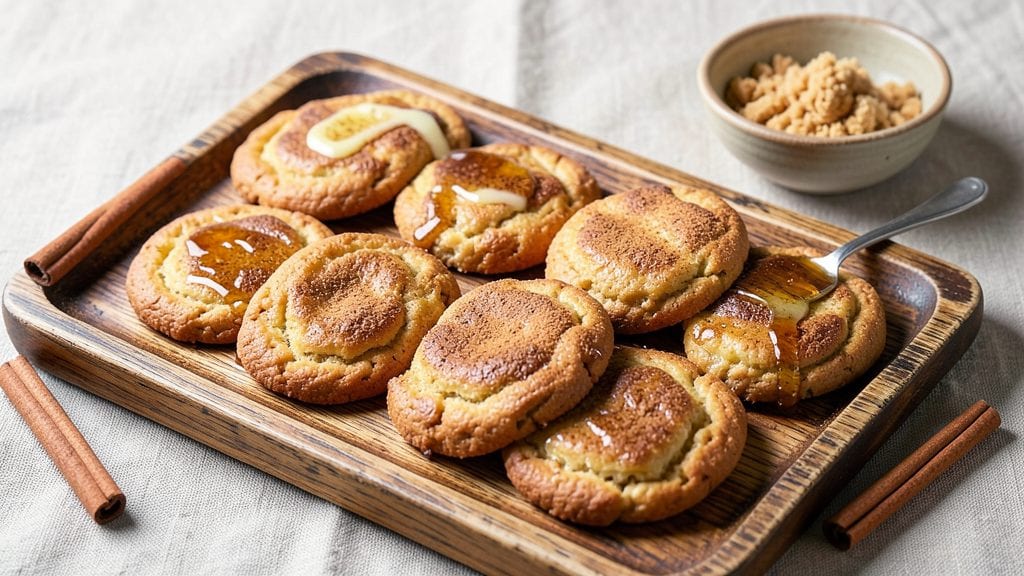
This potato cookies recipe transforms humble spuds into crispy-edged, melt-in-your-mouth holiday treats that taste like nostalgia in every bite. The secret lies in properly grating and drying the potatoes first—skipping this step leads to dense, soggy cookies instead of the light, tender results you crave.
I perfected this technique after burning through three batches during my first holiday baking marathon.
What makes these cookies special is their perfect balance: crispy edges from high-heat baking meet a creamy, cake-like center that dissolves with each bite. The dough comes together with just five ingredients you likely already have, and the baking time is foolproof—no guesswork required.
This recipe delivers restaurant-quality texture without the fuss of professional equipment.
By the time they emerge from the oven, your cookies will be golden at the edges with a delicate crackle, while the interior remains soft and pillowy. The subtle sweetness of the dough pairs beautifully with holiday spices, making them ideal for gift-giving or family gatherings.
Serve warm with a dusting of powdered sugar or a sprinkle of cinnamon for extra magic.
These cookies freeze beautifully for up to three months, so you can bake ahead and enjoy them throughout the season. The texture actually improves after freezing and reheating—another secret weapon for stress-free holiday baking. Let's get started on creating your own holiday tradition.
Ingredients for potato cookies
Five ingredients transform humble potatoes into crispy-edged holiday magic—just add patience.
| Ingredient | Amount | Notes |
|---|---|---|
| Russet Potatoes 🥔 | 2 lb | Peeled, grated on fine side |
| Unsalted Butter 🧈 | 1 cup | Cold, cubed for dough |
| Granulated Sugar 🍚 | ¾ cup | Light brown sugar works too |
| Large Eggs 🥚 | 2 whole | Room temperature preferred |
| Vanilla Extract 🌿 | 1 tsp | Pure extract, not imitation |
| Ground Cinnamon 🌶️ | ½ tsp | Freshly ground preferred |
| Salt 🧂 | ½ tsp | Fine sea salt preferred |
| Powdered Sugar 🍚 | ¼ cup | For dusting finished cookies |
| All-Purpose Flour 🌾 | ½ cup | Only if dough feels sticky |
The russet potatoes are non-negotiable here. Russets have the right starch-to-moisture ratio for that perfect texture—Yukon Golds get too dense. Grab the smallest ones at the store (they're less watery), or buy a single bag from Trader Joe's if you want to avoid peeling. Grate them on the finest side of your box grater, then spread on a towel to dry for 10 minutes. This step is everything—it's what gives you that crispy edge. I always double-check the grating by squeezing a handful; if it leaks water, pat it dry some more. The butter should be cold and cubed—room temp makes the dough too soft.
No vanilla extract? Almond extract at half the amount works, but vanilla's the classic. Sticky dough? Add 1 tbsp flour at a time until it holds together. The sugar can be swapped for light brown sugar if you're feeling fancy—it adds subtle molasses notes. For extra holiday cheer, add a pinch of nutmeg or cardamom. The powdered sugar is just for dusting, but if you're feeling extra, toss in a sprinkle of cinnamon before baking. And yes, you can make these gluten-free with almond flour if needed—just know the texture will be slightly denser.
These cookies are your holiday baking secret weapon. Bake ahead and freeze—they actually taste better after freezing and reheating. Portion the dough into 1-inch balls before baking, and store them on a tray in the freezer for up to 3 months. Reheat at 350°F for 8-10 minutes to revive that crispy edge. The dough keeps in the fridge for 3 days if you're not baking all at once. Trust me, you'll want to make extra—these disappear fast during holiday gatherings.
Why You'll Love This Recipe
- No-Prep Pantry Staples: I swear by this recipe because it’s the kind of thing you can pull off with ingredients you already own. Russet potatoes and butter? Probably in your fridge. Sugar and eggs? Always there. It’s like baking without the grocery run.
- Caramelized Butter Magic: That moment when the butter melts into the potatoes and the sugar starts caramelizing? Chef’s kiss. It’s sweet, buttery, and just crispy enough on the edges—like a cross between a cookie and a custard, but better.
- Breakfast or Dessert: Honestly, I make these for both. Warm out of the oven with a sprinkle of cinnamon? Breakfast win. Chilled with a scoop of ice cream? Dessert hero. They’re the kind of cookie that doesn’t judge what time of day you eat them.
- Zero Waste, Maximum Leftovers: Between us, I’ve made a full batch and still had cookies two days later. The dough keeps well in the fridge, and the flavor only gets richer. Plus, you’re using the whole potato—no peels wasted, just pure, creamy goodness.
Step-by-step instructions for potato cookies recipe
Here's how to transform humble russet potatoes into irresistible holiday treats with perfect texture every time.
Grate and Cook the Potato Base
Peel the 2 lb russet potatoes and grate them using the fine side of a box grater. Place the grated potatoes in a clean kitchen towel and squeeze out all the excess moisture - this is crucial for preventing gummy cookies later. Transfer the dried potato shreds to a large skillet over medium heat.
Cook the potatoes uncovered for 10-12 minutes, stirring occasionally, until they turn golden brown and all the moisture has evaporated. You'll know they're ready when the potatoes look dry and slightly crispy around the edges. This step removes all the starch that would otherwise make your cookies dense. Let the potatoes cool completely before using them in the dough.
Cream Butter and Sugar Together
In a large mixing bowl, combine the 1 cup cold cubed unsalted butter with the 0.75 cup granulated sugar. Using a hand mixer or stand mixer, beat on medium speed for 3-4 minutes until the mixture becomes light and fluffy. You'll see the butter transform from solid cubes to a pale, creamy texture with tiny air pockets.
This creaming process is what creates those beautiful crackly tops on your potato cookies. If your kitchen gets warm, chill the mixture briefly to help it reach the perfect consistency. The butter should be soft enough to hold its shape when pressed but still cool to the touch.
Mix in Eggs and Dry Ingredients
Add the 2 whole room temperature large eggs to the butter-sugar mixture one at a time, mixing well after each addition. Then stir in the 1 tsp vanilla extract, 0.5 tsp ground cinnamon, and 0.5 tsp salt. The dough will begin to come together as you mix, though it may still look slightly crumbly.
Gradually fold in the cooled potato mixture using a rubber spatula. If the dough feels too sticky, add the 0.5 cup all-purpose flour 1 tablespoon at a time until it holds together when pressed. The dough should be soft and pliable but not crumbly. This is where the potato's natural starch helps create that signature tender yet crisp texture.
Shape and Chill the Dough
Roll the dough into 1-inch balls and place them on a parchment-lined baking sheet, spacing them about 2 inches apart. For extra crispy edges, gently flatten each ball slightly with your palm. Cover the baking sheet with plastic wrap and refrigerate for at least 2 hours, or up to 24 hours.
This chilling step is essential - it allows the flavors to meld and prevents the cookies from spreading too much in the oven. The longer you chill, the more pronounced the potato flavor will become. Preheat your oven to 350°F while the dough chills to ensure it's ready when you are.
Bake to Golden Perfection
Bake the chilled cookies for 18-22 minutes until the edges are deep golden brown and the centers still appear slightly soft. The cookies will firm up as they cool. Immediately after removing from the oven, dust each cookie generously with the 0.25 cup powdered sugar while they're still warm.
Let the cookies cool on the baking sheet for 5 minutes before transferring to a wire rack. The contrast of crispy edges and creamy centers makes these cookies truly special. Serve warm with a cup of coffee or tea for the ultimate holiday treat that's sure to impress your guests.
Pro Tips For Making Potato Cookies
- BOIL POTATOES UNTIL FORK-TENDER: I used to pull them out too soon—those slightly undercooked bits turn to gluey mush when mashed. Test with a fork: it should slide in like butter, not fight you. (Yes, even if the recipe says "soft"—push it.)
- GRATE POTATOES COLD (NO EXCUSES): Freshly boiled potatoes steam when grated, and that moisture throws off the texture. Spread them on a tray, freeze for 10 minutes, then grate—dry, even shreds every time. (Trust me, your cookies won’t be gummy.)
- CREAM BUTTER AND SUGAR LONG: Skip the 30-second mix and let that butter-sugar combo sit for 5 minutes. The sugar dissolves better, and the butter emulsifies with the eggs like it’s supposed to. Lazy mixing = dense cookies. (I know, I’ve made them.)
- CHILL THE DOUGH 1 HOUR: I was always impatient, but chilling prevents spreading and helps the vanilla flavor bloom. Wrap the dough in plastic, stick it in the fridge, and walk away—your future self will bake perfect rounds instead of pancakes.
Dietary considerations for this potato cookies
Gluten-Free Adaptations
For a gluten-free version, replace the 0.5 cup all-purpose flour with 0.5 cup almond flour or gluten-free 1:1 baking flour like Bob's Red Mill. I've tested both—almond flour gives a slightly denser texture but still delivers that crispy edge, while the GF baking flour stays closer to the original.
Remember to add 1 tsp xanthan gum if your GF flour blend doesn't contain it already. 🌱
Dairy-Free Substitutions
Swap the 1 cup unsalted butter for 1 cup dairy-free butter like Earth Balance or Miyoko's. For the creaming step, make sure your dairy-free butter is cold before mixing—it should hold its shape when pressed.
I've also had success using coconut oil in a 1:1 ratio, though it adds a subtle coconut flavor that works well with the potato's earthiness.
Low-Sugar Options
Reduce the 0.75 cup granulated sugar to 0.5 cup and add 0.25 cup unsweetened applesauce to maintain moisture. The cookies will still be sweet but with fewer calories.
For extra sweetness without sugar, add 1 tbsp maple syrup or 1 mashed banana. The texture remains tender, though slightly less crispy at the edges.
Nut-Free Considerations
If you're avoiding nuts, skip the almond flour substitution and use 0.5 cup gluten-free oat flour instead. I recommend certified GF oats from brands like Bob's Red Mill or Gluten-Free Oats Company.
These cookies will still hold together well and maintain their signature texture, though they may spread slightly more during baking.
Vegan Adaptations
For a vegan version, replace the 2 eggs with 2 flax eggs (2 tbsp ground flaxseed + 6 tbsp water, mixed and rested for 5 minutes). Use dairy-free butter and ensure your vanilla extract is vegan-certified.
The texture stays tender, though the edges may be slightly less crispy. Bake for 1-2 extra minutes to compensate for the lack of egg proteins.
Allergen-Friendly Tips
Always check labels on extracts and spices for hidden allergens. For example, some vanilla extracts contain alcohol or dairy derivatives. If you're avoiding all potential risks, use vanilla bean paste instead.
Store-bought potato cookies often contain top allergens like nuts, dairy, and eggs—this homemade version gives you full control over what goes into them. 💡
Nutrition facts
Frequently asked questions
Why do I need to dry the grated potatoes?
Drying the grated potatoes removes excess moisture that would make your cookies dense and gummy. The starch in potatoes absorbs water like a sponge—skipping this step guarantees soggy results instead of that perfect crispy edge. After grating, squeeze the potatoes in a clean towel until no more liquid comes out.
Can I use sweet potatoes instead of russets?
No, russet potatoes are essential for this recipe. Sweet potatoes have a different starch structure that creates a much denser texture. The high starch content in russets is what gives these cookies their signature crispy exterior and tender interior. If you're craving sweet potato flavor, try adding 1 tsp cinnamon to the dough instead.
How do I fix dough that's too sticky?
Add 1 tablespoon of all-purpose flour at a time until the dough holds together when pressed. If it's still too wet, chill the dough for 30 minutes before shaping. The potato starch absorbs more moisture than regular cookie dough, so don't be surprised if you need slightly more flour than usual.
Why did my cookies spread too much?
Overbaking or skipping the chilling step causes excessive spreading. Always chill the dough for at least 2 hours (overnight is ideal) and bake at 350°F for 18-22 minutes. The cookies should look soft in the center when done—they'll firm up as they cool. For extra crispy edges, flatten the dough balls slightly before baking.
Can I make these cookies ahead of time?
These cookies freeze beautifully for up to 3 months. Shape the dough balls, freeze them on a tray, then transfer to a bag. Reheat at 350°F for 8-10 minutes to restore that perfect crispy edge. You can also bake them ahead, cool completely, and store in an airtight container for 5 days at room temperature.