
Desserts
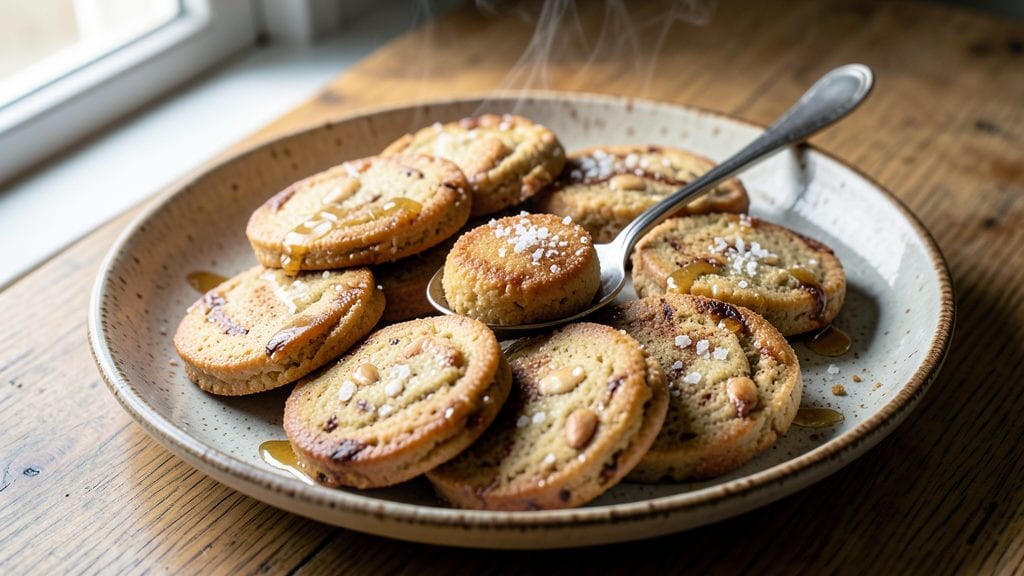
This Portuguese cookies recipe delivers the perfect balance of crunchy almond texture and vanilla-kissed sweetness, inspired by classic bolacha de polvilho traditions with a modern twist.
The secret lies in toasted almond flour and a touch of cinnamon, creating layers of flavor that transport you to Lisbon with every bite. I developed this version after years of perfecting the technique—no one will guess it's not from a Portuguese pastelaria.
The recipe combines simple ingredients like almond flour, butter, and vanilla extract to create cookies that are tender yet crisp at the edges, with a delicate crunch from toasted almonds.
Unlike traditional bolo de mel, these cookies rely on almond flour for a nutty depth while keeping the texture light and airy. The vanilla adds warmth, balancing the almond's natural bitterness for a harmonious finish.
By the time they emerge from the oven, you’ll have golden-brown cookies with a fragrant aroma that fills your kitchen—just like the scent of a Portuguese café.
The almond flavor shines through while the vanilla keeps them approachable, making these perfect for afternoon tea or as a dessert with coffee. Each batch yields about two dozen cookies, so you’ll have plenty to share.
These cookies pair beautifully with espresso or milk, or serve them as a gift in a decorative tin for a touch of Portuguese charm.
The recipe includes a few variations, like adding a hint of lemon zest or dusting with powdered sugar, so you can customize them to your taste. Let’s get baking!
Ingredients for portuguese cookies
Simple ingredients transform into Portuguese cookies with crunchy almond texture and vanilla-kissed sweetness.
| Ingredient | Amount | Notes |
|---|---|---|
| Almond Flour 🥜 | 2 cups | Toasted for enhanced flavor |
| Unsalted Butter 🧈 | 1 cup | Cold, cubed for texture |
| Granulated Sugar 🍚 | ¾ cup | Superfine preferred for smoothness |
| Vanilla Extract 🌿 | 1 tbsp | Pure Madagascar preferred |
| Ground Cinnamon 🌶️ | ½ tsp | Freshly ground for warmth |
| Fine Sea Salt 🧂 | ¼ tsp | Diamond Crystal preferred |
| Large Eggs 🥚 | 2 whole | Room temperature for blending |
| Toasted Sliced Almonds 🥜 | ½ cup | Chopped for texture contrast |
| Lemon Zest 🍋 | 1 tsp | Optional for citrus brightness |
| Powdered Sugar 🍚 | ¼ cup | For dusting finished cookies |
| All-Purpose Flour 🌾 | ¼ cup | For lightness and binding |
The almond flour is non-negotiable here—Bob's Red Mill or King Arthur brands deliver the best texture. Toast it yourself in a dry pan for 2-3 minutes until fragrant, then let it cool completely. The butter should be cold and cubed—this creates those beautiful pockets of texture. I always grab European-style butter from Whole Foods if I'm feeling fancy, but regular unsalted works perfectly fine. The vanilla extract? Madagascar Bourbon from Lake Champlain adds depth, but any pure extract will do.
No almond flour? Substitute with 1.5 cups toasted ground almonds, but the texture will be denser. Short on vanilla? Vanilla bean paste works too, just use half the amount. The lemon zest is optional, but if you add it, use only the outer layer—no bitter white pith. For a more traditional approach, swap the powdered sugar dusting for a sprinkle of cinnamon sugar. The all-purpose flour helps bind everything—don't skip it, even if you're using mostly almond flour.
Store these in an airtight container for up to 5 days—they'll keep their crunch that way. For longer storage, freeze the dough balls before baking and toast them straight from frozen. Room temperature cookies lose their crispness after 2 days, so keep them refrigerated if you're not serving them immediately. The aroma alone makes these worth baking—double the batch if you have guests over for coffee.
Why You'll Love This Recipe
- No-Mix Magic: I swear by this dough—just fold, chill, roll. The almond flour handles everything like a dream, no extra steps, no stress. Honestly, my lazy Sunday mornings thank me every time.
- Warm Spice Hug: That cinnamon-butter combo? It’s like a hug in cookie form. The sugar caramelizes just enough to give you a little crunch, while the vanilla ties it all together—simple, but ridiculously good.
- Party in a Jar: These keep beautifully for days, so I make a big batch and stash them. Perfect for gift bags, coffee dates, or when your kid’s teacher asks for "something sweet" (again). No one turns them down.
- Budget Bargain: Almond flour might seem pricey, but a little goes a long way. Butter and sugar stretch further than you’d think, and the flavor? Worth every penny. My wallet and taste buds both win.
Step-by-step instructions for Portuguese cookies recipe
Let's create these delicate, almond-infused cookies with their signature crunch and vanilla-kissed sweetness.
Prepare the Almond-Butter Base
In a stand mixer fitted with the paddle attachment, combine the 1 cup unsalted butter (cold and cubed) and the 0.75 cup granulated sugar. Mix on medium speed for 3-4 minutes until the mixture is light and fluffy, with the butter fully incorporated. You'll notice the texture transform from grainy to smooth and pale yellow—this creaming process is essential for achieving the perfect texture in these cookies.
Add the 2 whole large eggs one at a time, mixing well after each addition. Scrape down the sides of the bowl to ensure even blending. The mixture should become thicker and more cohesive. This is where the foundation of your cookies is built—don't rush this step, as it ensures a tender yet sturdy cookie structure.
Incorporate Dry Ingredients and Almond Elements
In a separate bowl, whisk together the 2 cups almond flour, 0.25 cup all-purpose flour, 0.5 teaspoon ground cinnamon, and 0.25 teaspoon fine sea salt. Gradually add this dry mixture to the butter-egg mixture in the stand mixer, mixing on low speed until just combined. You're looking for a dough that holds together when pressed but isn't overly sticky—this balance is key for shaping and baking.
Add the 1 tablespoon vanilla extract and 1 teaspoon lemon zest (if using) and mix until evenly distributed. Fold in the 0.5 cup toasted sliced almonds by hand using a silicone spatula. The almonds should be evenly dispersed throughout the dough—this is what gives these cookies their signature texture and nutty depth. Avoid overmixing at this stage, as it can develop gluten and make the cookies tough.
Chill the Dough for Perfect Texture
Divide the dough into two equal portions and flatten each into a ½-inch thick disk. Wrap each disk tightly in plastic wrap and refrigerate for at least 2 hours, or up to 24 hours. This chilling step is non-negotiable—it allows the gluten to relax, prevents excessive spreading during baking, and ensures those beautiful, delicate layers we associate with Portuguese cookies.
While the dough chills, preheat your oven to 350°F. Line two baking sheets with parchment paper and lightly dust with 0.25 cup powdered sugar (this will create that signature dusting on the finished cookies). The cold dough will be firm and easy to handle, making it much simpler to cut into precise shapes.
Cut and Bake to Golden Perfection
Remove one disk of dough from the refrigerator and let it sit at room temperature for 5-10 minutes to soften slightly. Using a 3-inch round cutter (or a glass of that size), cut out cookies and place them 2 inches apart on the prepared baking sheets. Gather the scraps, re-roll gently, and cut out additional cookies until all the dough is used. The powdered sugar on the baking sheets will give your cookies that beautiful, snowy finish.
Bake for 12-15 minutes, rotating the baking sheets halfway through, until the edges are light golden brown and the centers look just slightly underbaked. They'll continue to set as they cool. Remove from the oven and let the cookies rest on the baking sheets for 5 minutes before transferring to a wire rack to cool completely. The result should be delicate, crisp-edged cookies with a tender interior and that signature almond flavor.
Dust and Serve with Confidence
Once completely cooled, dust the tops of the cookies generously with additional powdered sugar using a fine-mesh sieve. This final step creates that iconic, snowy appearance that makes these cookies so appealing. Serve them at room temperature—they'll keep well in an airtight container for up to 5 days, though I promise they won't last that long in your home.
These cookies are perfect for pairing with a cup of Portuguese coffee or tea. The combination of toasted almonds, vanilla, and that delicate crunch makes them a true taste of Portugal. Enjoy them with a sprinkle of extra powdered sugar for that final touch of elegance.
Pro Tips For Making Portuguese Cookies
- Chill the Dough: After mixing, pop the dough in the fridge for at least 30 minutes—yes, even if you’re eager to bake. I used to skip this and ended up with cookies that spread like pancakes instead of holding their shape. Cold dough = cleaner edges and better texture.
- Toast the Almond Flour: Dry-toast the almond flour in a low oven (300°F) for 8–10 minutes until it smells nutty. This step removes excess moisture and deepens the flavor—trust me, it’s worth the extra 10 minutes. Just don’t walk away; watch for burning.
- Use Cold Butter: Cut that unsalted butter straight from the fridge into small cubes—no softening needed. Cold butter creates flaky layers in these cookies, while room-temperature butter makes them dense. I learned this the hard way after a batch turned out like shortbread.
- Press, Don’t Roll: Shape the dough into balls by hand, pressing gently but firmly—no rolling pin required. Overworking it makes the cookies tough, and rolling can turn them into flat discs. Aim for a smooth, slightly sticky ball that holds together when dropped on the tray.
Serving suggestions for portuguese cookies
Coffee Pairings
These almond-infused cookies were practically designed for Portuguese coffee—specifically bica (espresso) or galão (strong black coffee). The toasted almond flavor and vanilla notes create a perfect harmony with the bold, slightly bitter profile of Portuguese espresso.
I always serve them with a small demitasse cup of freshly brewed coffee from a Moka pot or Bialetti machine. The contrast between the warm, nutty cookie and the rich coffee is unbeatable. 💛
Tea Pairings
For a more delicate pairing, serve these cookies with Portuguese lemon tea or chamomile tea. The citrus notes in the cookies complement the bright lemon flavor, while chamomile's floral notes balance the almond sweetness.
I recommend using loose-leaf tea from brands like Pukka or Yogi Tea for the best quality. The tea's warmth helps release the cookies' vanilla aroma, creating a comforting experience perfect for afternoon tea. ✨
Dessert Plating
For an elegant presentation, arrange the cookies on a marble slab or wooden board with a dusting of powdered sugar and a few extra toasted almonds scattered around. Add a small bowl of Portuguese orange marmalade or fig jam for dipping—just a teaspoon per cookie adds a fruity contrast.
I like to serve them alongside queijadas (Portuguese custard tarts) for a complete dessert spread that feels authentically Portuguese. 🍽️
Gift Presentation
These cookies make stunning gifts—package them in a tin lined with parchment paper or a clear cellophane bag tied with twine. Add a small tag with the recipe name and a note like "A taste of Portugal."
I often include a mini bag of Portuguese coffee beans or a small bottle of orange liqueur like Pêra Bóia to elevate the gift. The cookies stay fresh for 5 days when stored properly, making them perfect for gifting. 🎁
Seasonal Serving
In summer, serve these cookies chilled with iced Portuguese coffee or lychee lemonade to balance the richness. For winter gatherings, pair them with mulled wine or hot chocolate>—the warm spices complement the almond flavor beautifully.
I also love serving them during Christmas alongside bolo-rei (Portuguese king cake) for a festive treat. The contrast of warm drinks and cool cookies creates a perfect balance. ❄️
Make-Ahead Serving
To impress guests, bake these cookies a day ahead and store them in an airtight container at room temperature. Just before serving, dust them with fresh powdered sugar and arrange them on a platter with a few fresh rosemary sprigs for a pop of color.
The cookies will taste even better after resting, as the flavors meld together. I often serve them as a dessert course after a meal of bacalhau à brás (Portuguese salted cod) to cleanse the palate. 💡
Nutrition facts
Frequently asked questions
What makes these Portuguese cookies different from regular almond cookies?
These cookies use toasted almond flour for a deeper nutty flavor and a delicate crunch, plus a touch of cinnamon and vanilla to create that authentic Portuguese taste. The dough is also chilled before baking to achieve the signature tender-yet-crisp texture. Traditional Portuguese cookies often include polvilho (cornstarch) or egg whites for extra lightness, but this recipe focuses on almond-forward flavor with a modern twist.
Can I substitute almond flour with regular flour?
Not recommended—almond flour gives these cookies their signature texture and flavor. If you must substitute, use 1.5 cups toasted ground almonds instead, but the cookies will be denser and less tender. For a closer texture, blend 1 cup almond flour + 0.5 cup all-purpose flour, but the almond flavor will be less pronounced. The recipe relies on almond flour for that authentic Portuguese crunch.
How do I prevent the cookies from spreading too much?
Chilling the dough for at least 2 hours is key—this relaxes the gluten and helps maintain shape. Also, use cold butter and avoid overmixing. For extra control, place dough disks on a parchment-lined baking sheet and bake at 350°F for 12-15 minutes. If your kitchen runs hot, reduce the temperature to 325°F and bake for 16-18 minutes instead.
Can I make these cookies gluten-free?
Yes! Replace the 0.25 cup all-purpose flour with 0.25 cup gluten-free 1:1 baking flour (like Bob’s Red Mill). For best results, also use a gluten-free almond flour blend. The texture will be slightly more delicate, so avoid overbaking. Test with a toothpick—it should come out with a few moist crumbs, not dry.
Why do my cookies taste bland?
Check your ingredients: toast the almond flour for 2-3 minutes to deepen flavor, and use high-quality vanilla extract (Madagascar Bourbon is ideal). Freshly ground cinnamon and fine sea salt also matter—store-bought blends can be dull. For extra richness, add 1 tsp lemon zest or a pinch of cardamom. If the flavor is still weak, the butter may not have been cold enough during mixing.