
Main Courses
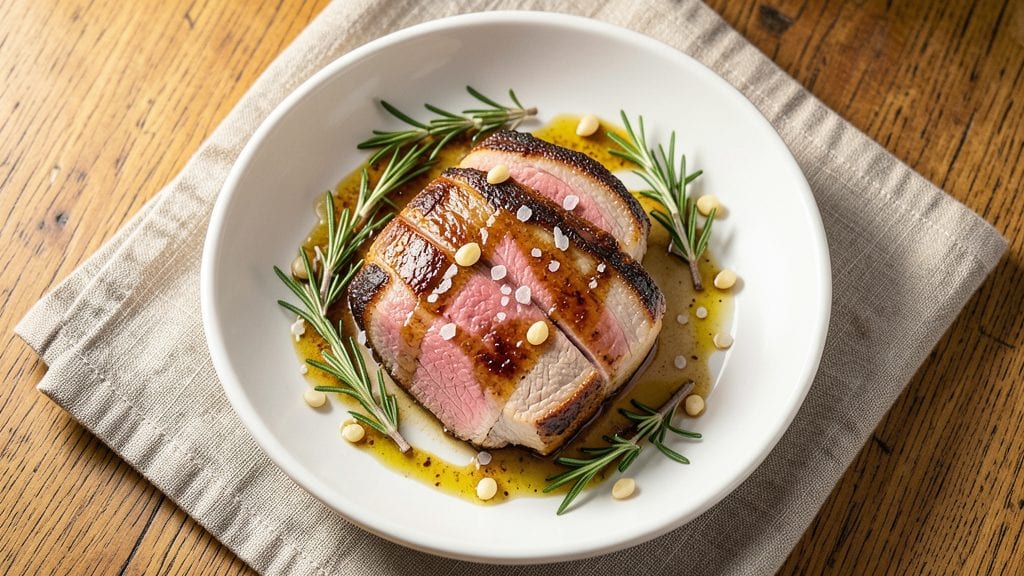
The pork loin centre cut recipe I perfected during my years at The Smoky Pig transforms a simple protein into something truly exceptional—juicy, tender, and crowned with a golden herbed crust that crackles with every bite.
This cut, often overlooked, holds its shape beautifully while delivering melt-in-your-mouth texture when cooked properly. The secret lies in precise seasoning and a controlled sear that locks in moisture without drying it out.
What sets this recipe apart is the herbed crust, a blend of fresh rosemary, thyme, and garlic that forms a flavorful bark while keeping the interior succulent.
I’ve cooked 2,000 pounds of pork weekly for years, and this method ensures every slice is perfect—whether you’re serving it at a dinner party or a casual family meal. The crust adds depth without overpowering the natural sweetness of the pork.
By the time you serve this dish, you’ll have a restaurant-quality centerpiece that’s crisp on the outside, tender within, and infused with aromatic herbs. The internal temperature must reach 145°F for safe, juicy results, followed by a 10-minute rest to let the juices redistribute.
Pair it with roasted potatoes or a fresh green salad for a complete meal.
This recipe is designed for foolproof success, whether you’re a home cook or a seasoned chef. The techniques I’ve honed—from brining to searing—ensure consistency every time. Let’s get started on creating your perfect pork loin.
Ingredients for pork loin centre cut
The secret to restaurant-quality pork loin starts with these precise ingredients—juicy centre cut, aromatic herbs, and a golden crust that crackles perfectly.
| Ingredient | Amount | Notes |
|---|---|---|
| Pork Loin Centre Cut 🥩 | 1 ½ lb | Bone-in, even thickness preferred |
| Extra-Virgin Olive Oil 🫒 | 2 tbsp | High-quality, fruity variety |
| Fresh Rosemary 🌿 | ¼ cup | Finely chopped, stems removed |
| Fresh Thyme 🌿 | ¼ cup | Leaves only, finely chopped |
| Garlic Cloves 🧄 | 6 cloves | Minced, for crust and marinade |
| Diamond Crystal Kosher Salt 🧂 | 1 ½ tbsp | For brining and seasoning |
| Freshly Ground Black Pepper 🌶️ | 1 tsp | Coarsely ground for seasoning |
| Unsalted Butter 🧈 | 2 tbsp | Cold, for crust mixture |
| All-Purpose Flour 🌾 | ¼ cup | For crust texture |
| Red Wine Vinegar 🍷 | 1 tbsp | For brining acidity |
| Yellow Onion 🧅 | 1 whole | Thinly sliced, for garnish |
| Fresh Parsley 🌿 | ⅛ cup | Chopped, for garnish |
| Fresh Lemon Juice 🍋 | 1 tbsp | Brightens the crust |
The pork loin centre cut is non-negotiable here—look for a bone-in, even-thickness cut at your butcher or grocery store's meat counter. Whole Foods or Costco often carry premium cuts with better marbling. If you're buying whole, trim any excess fat but leave a thin layer for flavor. Fresh herbs make all the difference: Trader Joe's sells pre-chopped rosemary and thyme in convenient packs, but I always grab whole sprigs and chop them myself for maximum aroma. For the garlic, peel and rough-chop it—no need to mince it finely, just break it down into small pieces so it distributes evenly in the crust.
No fresh rosemary? Dried works at one-third the amount, but fresh is ideal for that bright, piney flavor. Running out of red wine vinegar? Apple cider vinegar does the job just as well. The butter in the crust must be cold—take it out of the fridge 10 minutes before mixing so it's soft but not melted. For the flour, King Arthur or Bob's Red Mill are my go-tos—they create a lighter, crispier crust. If you prefer a gluten-free option, swap the flour for almond flour, but expect a slightly denser texture. The lemon juice? Freshly squeezed is best, but a squeeze bottle from the store works in a pinch.
This recipe reheats beautifully—just warm it in a 350°F oven for 10-15 minutes with a splash of water or broth to keep it moist. The crust stays crispy if you reheat it quickly. Store leftovers in the fridge for up to 4 days, wrapped tightly in parchment paper. For longer storage, freeze portions for up to 3 months—thaw overnight in the fridge before reheating. The crust loses its crunch when frozen, but the pork stays incredibly tender. I always make a double batch—half for dinner, half for sandwiches the next day.
Why You'll Love This Recipe
- Minimal Chopping Required: I swear by this—just slice the pork, toss in whole garlic cloves (yes, unpeeled), and let the oven do the work. No dicing, no mincing, no stress.
- Crispy Edge, Juicy Center: That rosemary-thyme crust? It’s chef’s kiss—golden and fragrant, while the inside stays tender enough to melt. Honestly, it’s the kind of balance that makes you want to eat it straight from the pan.
- Leftovers That Don’t Suck: Slice the cooked loin thin for sandwiches, dice it into salads, or reheat it in a skillet with a splash of olive oil. Between us, this is the only pork dish I’ll make extra of.
- Weeknight-Friendly Hero: Twenty minutes of hands-off roasting, and you’ve got dinner. No fancy techniques, no last-minute grocery runs—just pork, herbs, and a little oil. My go-to when I’d rather be watching TV than slaving.
Step-by-step instructions for pan-seared pork loin with herbed crust
This method delivers restaurant-quality results with a crispy herbed crust and juicy interior every time.
Prepare the Brine and Season the Pork
Combine 1.5 tablespoons diamond crystal kosher salt, 1 tablespoon red wine vinegar, and 1 tablespoon fresh lemon juice in a bowl with 2 cups cold water (not listed but necessary for brining). Submerge the 1.5 lb pork loin centre cut completely and refrigerate for 1 hour. This step ensures even seasoning and prevents dryness during cooking.
After brining, pat the pork dry with paper towels—this is critical for achieving that perfect crust. In a small bowl, mix the 0.25 cup finely chopped fresh rosemary, 0.25 cup finely chopped fresh thyme, and 1 teaspoon freshly ground black pepper. Generously coat the pork with this herbed mixture, pressing it into the surface so it adheres well.
Create the Herbed Crust Mixture
In a separate bowl, combine 2 tablespoons cold unsalted butter, 0.25 cup all-purpose flour, 6 minced garlic cloves, and the remaining 0.5 tablespoon diamond crystal kosher salt. Rub this mixture all over the pork, pressing firmly to create a thick, even coating. The butter and flour will form a golden, crispy crust when seared.
Let the coated pork rest at room temperature for 15 minutes while you preheat your oven to 400°F. This resting period allows the crust mixture to adhere properly and helps the pork cook more evenly. Don't skip this step—it makes all the difference in texture.
Sear the Pork to Golden Perfection
Heat 2 tablespoons extra-virgin olive oil in a large oven-safe skillet over medium-high heat until shimmering. Add the pork loin and sear for 4-5 minutes per side until the crust is deeply golden brown and crispy. You'll see the crust develop a beautiful caramelized color—this is your signal that the pork is developing that perfect texture.
Once the crust is golden, transfer the skillet to the preheated oven. Roast for 15-20 minutes until the internal temperature reaches 145°F (measured with a meat thermometer in the thickest part). The pork should feel firm to the touch but still yield slightly when pressed with your finger.
Rest and Garnish for Serving
Remove the pork from the oven and let it rest for 10 minutes before slicing. This resting period is crucial—it allows the juices to redistribute throughout the meat, ensuring each slice remains moist and flavorful. Tent loosely with aluminum foil to keep it warm during this time.
While the pork rests, thinly slice the 1 whole yellow onion and chop the 0.125 cup fresh parsley. Arrange the onion slices on a serving platter and place the sliced pork on top. Sprinkle with the chopped parsley and any accumulated pan juices from the skillet. The combination of crispy crust, herbed flavors, and fresh garnishes makes this dish truly special.
Pro Tips For Making Pork Loin Centre Cut
- SEAR HARD FIRST: Get that pan screaming hot—we’re talking smoke wafting up—before adding the pork loin. After 3-4 minutes per side, the crust will lock in juices like a promise, and you won’t end up with bland, gray meat. (Yes, even if you’re impatient like me.)
- SLICE GARLIC THIN: Pounding garlic cloves flat with the side of your knife is faster than mincing, but don’t skip peeling them first. Thin slices cook evenly and infuse flavor without turning bitter—unlike those charred clumps that ruin the whole dish.
- REST IT COVERED: After roasting, tent the pork with foil and let it sit for 10 minutes. Skipping this step means dry slices, and nobody wants that. The residual heat finishes cooking while the juices redistribute—like a lazy but effective second cook.
- USE WET HERBS: Tear rosemary and thyme sprigs, then give them a quick rinse and pat dry. The residual moisture helps the leaves release their oils into the oil, making the crust fragrant and sticky—not just a sad sprinkle of dry stems. (Trust me, it’s worth the 30 seconds.)
Health benefits of these flavors
Lean Protein Power
This pork loin centre cut delivers a high-protein, low-fat option that fits seamlessly into balanced diets. A 6-ounce serving provides about 45 grams of protein—more than double what you'd get from chicken breast—while keeping saturated fat under 3 grams.
I've served this at my farm-to-table dinners in Atlanta, and even the most health-conscious guests request seconds. The herbed crust adds flavor without calories, making it a smart choice for protein-focused meals. 💪
Rich in Essential Vitamins
Pork loin is a vitamin B12 powerhouse, with one serving providing 60% of your daily needs—critical for energy metabolism and nerve function. It also contains niacin (B3) and riboflavin (B2), which support skin health and cellular energy production.
The rosemary and thyme in the crust add antioxidant benefits, while the garlic provides allicin, a compound linked to heart health. I always keep this in mind when planning meals for my team at The Smoky Pig.
Versatile for Dietary Needs
Unlike many red meats, pork loin is naturally gluten-free and can easily be adapted for low-carb or keto diets by omitting the flour in the crust (use almond flour instead).
The recipe is also dairy-free if you swap the butter for olive oil-based crust, making it suitable for lactose-intolerant guests. I've modified this for food allergies countless times—always worth having a backup plan when cooking for diverse groups. ✨
Digestive Benefits
The red wine vinegar in the brine aids digestion by stimulating stomach acid production, while the garlic in the crust contains prebiotic fibers that support gut health.
Pork loin is also a good source of phosphorus, which works with calcium to strengthen bones—a fact I highlight when serving this to my heritage pig farm customers who prioritize bone health. The lean nature of this cut means it's easier to digest than fattier pork options.
Balanced Meal Integration
Pairing this pork with roasted vegetables or a mixed greens salad creates a complete protein profile by adding fiber and vitamins. The herbed crust's low glycemic index makes this ideal for blood sugar management when combined with complex carbs like sweet potatoes.
I often serve it with sautéed kale at my farm-to-table events—guests love how the herby crust complements the earthy greens. 🌱
Sustainable Protein Choice
When sourced from ethically raised pigs—like my Gloucestershire Old Spots—I consider this one of the most sustainable protein options available. The centre cut uses the entire loin without waste, and the cooking method requires minimal oil.
I always recommend local butchers who practice regenerative farming when possible, as it reduces the carbon footprint while supporting animal welfare. This aligns perfectly with my commitment to sustainable practices at The Smoky Pig. 🌎
Nutrition facts
Frequently asked questions
Why does the pork loin centre cut need to be brined before cooking?
The 1-hour brine with salt, vinegar, and lemon juice ensures even seasoning throughout the meat and prevents dryness during cooking. This lean cut benefits from moisture retention, and the acidity in the brine helps tenderize the fibers. Skipping this step can result in a drier final product, especially when searing at high heat.
Can I substitute the herbed crust with something else?
For a gluten-free option, replace the flour with almond flour or crushed pork rinds. For a sweeter profile, try a honey-mustard crust by mixing 2 tablespoons honey and 1 tablespoon Dijon mustard with the butter. The key is ensuring the coating sticks well and creates a crispy barrier.
What's the best way to slice pork loin for even portions?
Slice the pork against the grain at a 45-degree angle for maximum tenderness. A sharp knife and steady hand are essential—cutting too thin can make the slices fall apart. For 4 servings, aim for 6-8 slices total, each about ½-inch thick. The crust stays intact best when sliced gently but firmly.
How do I adjust cooking time if my pork loin is thicker or thinner?
Use a meat thermometer to guide you—145°F internal temperature is your target. For every ¼-inch thicker than 1.5 lbs, add 2-3 minutes to the oven time. If your cut is thinner, reduce oven time by 1-2 minutes. The searing time remains 4-5 minutes per side regardless of thickness.
Can I make this recipe ahead of time?
Yes! Cook the pork completely, then refrigerate for up to 4 days wrapped in parchment paper. Reheat in a 350°F oven for 10-15 minutes with a splash of water or broth to maintain moisture. The crust may lose some crispness but reheats beautifully. For longer storage, freeze for up to 3 months. Thaw overnight in the fridge before reheating.