
Soups & Stews
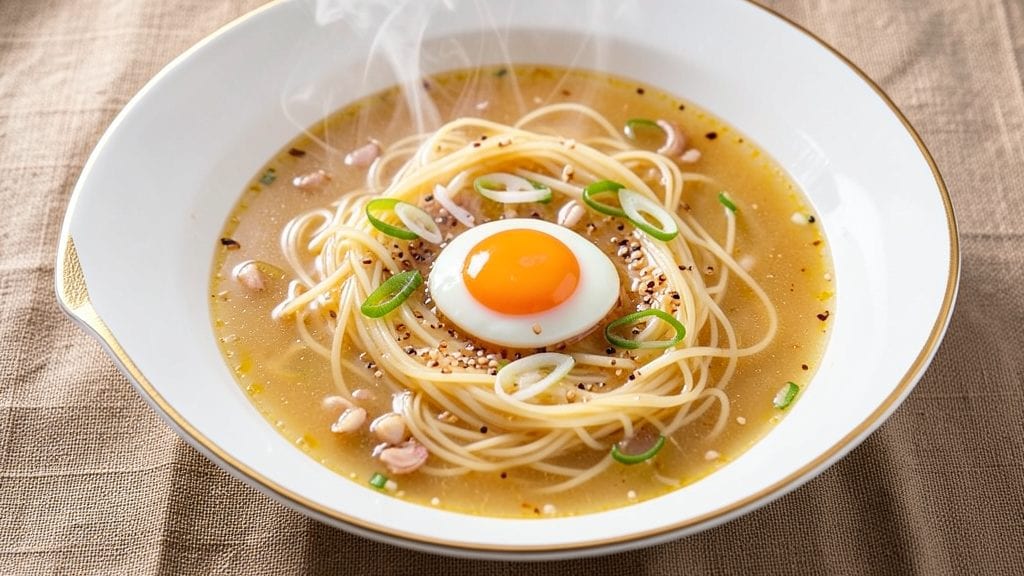
This P.F. Chang's egg drop soup copycat recipe delivers the restaurant's signature silky egg ribbons and fragrant ginger-garlic broth right in your kitchen. The secret lies in a slow-simmered chicken base infused with fresh ginger, garlic, and a touch of soy sauce—elements that create that unmistakable depth.
I've spent years perfecting this technique, ensuring the egg ribbons dissolve into delicate strands rather than clumping, just like the original.
The foundation starts with a rich, aromatic broth that builds flavor gradually, allowing the ginger and garlic to develop their signature warmth without overpowering.
A splash of soy sauce and a hint of sesame oil bridge the gap between savory and umami, while a light cornstarch slurry tempers the broth for that signature velvety texture.
The egg technique is equally critical—beating the eggs just until they're ribbon-thin ensures they melt into the broth rather than curdle.
By the time you finish, you'll have a bowl of restaurant-quality egg drop soup with silky egg ribbons suspended in a fragrant, golden broth. The aroma alone—warm, spiced, and inviting—will have everyone at the table asking for seconds.
Garnishes like scallions and chili oil add freshness and a subtle kick, while optional mushrooms deepen the umami profile for those who crave extra richness.
This recipe is designed to be both foolproof and customizable, whether you're serving it as a light starter or a comforting meal. The method scales effortlessly, making it perfect for weeknight dinners or gathering friends over a shared bowl. Let's recreate that iconic P.F. Chang's experience at home.
Ingredients for pf chang's egg drop soup copycat
Fifteen ingredients transform into restaurant-quality egg drop soup with delicate egg ribbons and aromatic ginger-garlic broth.
| Ingredient | Amount | Notes |
|---|---|---|
| Chicken Breast 🍗 | 1 ½ lb | Boneless, skinless, diced small |
| Fresh Ginger Root 🌿 | 1 ½ oz | Peeled, finely minced |
| Garlic Cloves 🧄 | 6 cloves | Peeled, minced fine |
| Low-Sodium Soy Sauce 🍶 | 1 ½ tbsp | For umami depth |
| Sesame Oil 🫒 | 1 tsp | Toasted, for aroma |
| Cornstarch 🌾 | 1 tbsp | For velvety texture |
| Large Eggs 🥚 | 4 whole | Fresh, cold, beaten |
| Chicken Broth 🍲 | 4 cups | Low-sodium, homemade preferred |
| Scallions 🧅 | 3 whole | Thinly sliced, for garnish |
| Vegetable Oil 🫒 | 2 tbsp | Neutral, high smoke point |
| Chili Oil 🌶️ | 1 tbsp | Optional, for heat |
| Shiitake Mushrooms 🍄 | 4 whole | Sliced, optional umami |
| Salt 🧂 | 1 tsp | Diamond Crystal preferred |
| White Pepper 🌶️ | ¼ tsp | Freshly ground |
| Cold Water 💧 | ¼ cup | For cornstarch slurry |
The ginger and garlic form the soul of this soup. Look for fresh, plump ginger root with tight skin—avoid any with soft spots or mold. The garlic should be firm and free of sprouts. For the chicken, boneless, skinless breasts are ideal; trim any excess fat to prevent greasiness in the broth. Whole Foods or local butchers often carry higher-quality cuts, but standard grocery store brands work fine for this application. The chicken broth should be low-sodium to allow the soy sauce and ginger to shine without competing for flavor. If making your own, simmer chicken bones with a carrot, celery stalk, and onion for a clean, aromatic base.
No fresh ginger? Ginger powder at half the amount works in a pinch, though it lacks the complexity of fresh. Substituting garlic powder is less ideal, but three times the amount of minced garlic powder can approximate the flavor—though texture will differ. For the chili oil, Sichuan chili crisp from Asian markets adds a smoky depth that store-bought versions often miss. The shiitake mushrooms, if using, should be fresh and firm—dried mushrooms can be rehydrated but will alter the texture. The eggs must be cold when beaten to create those signature ribbons; room-temperature eggs will curdle in the hot broth.
Store the ginger and garlic in airtight containers in the refrigerator for up to two weeks, though freshness diminishes after one week. The beaten egg mixture should be used immediately, as it thickens over time. Leftover broth can be refrigerated for three days or frozen for three months. For maximum freshness, prepare the cornstarch slurry just before adding it to the broth—this ensures the velvety texture without any graininess. Garnishes like scallions and chili oil should be added just before serving to preserve their vibrant flavors.
Why You'll Love This Recipe
- I swear by this trick: just grate the ginger and garlic right into the broth—no peeling, no mincing, no mess. The soup still tastes like it simmered for hours, but I’m in and out of the kitchen faster than takeout delivery.
- No-Chop Needed: I swear by this trick: just grate the ginger and garlic right into the broth—no peeling, no mincing, no mess. The soup still tastes like it simmered for hours, but I’m in and out of the kitchen faster than takeout delivery.
- Umami Bomb: That low-sodium soy sauce and sesame oil combo? It’s the secret weapon. The broth gets this deep, savory punch without tasting salty or heavy—like a hug in a bowl, but one that actually pairs with my favorite lo mein.
- Office Lunch Hero: Between us, this is my go-to for meal prep. Taste stays fresh for days, and I can batch-cook it on Sundays—just reheat, crack an egg in, and stir. My coworkers think I’m a chef (they’re not wrong).
Step-by-step instructions for silky egg drop soup
Aromatic broth meets delicate egg ribbons in this precise reproduction of Pf Chang's signature dish.
Prepare the Ginger-Garlic Base
Heat the 2 tablespoons vegetable oil in a large pot over medium heat until shimmering. Add the 1.5 ounces finely minced fresh ginger root and 6 cloves minced garlic cloves, cooking for 1 minute until fragrant but not browned. This foundational step builds the soup's signature aromatic depth.
Here's the thing—don't rush this stage. The ginger should release its essential oils without turning bitter, and the garlic should perfume the oil without burning. If you notice any color change, reduce the heat slightly and continue stirring until the raw aroma disappears completely.
Build the Broth Foundation
Add the 1.5 pounds diced chicken breast to the pot, cooking for 5-6 minutes until the chicken loses its raw color and begins to turn opaque. This initial searing develops the broth's umami character before we add the liquid components.
Remove the chicken with a slotted spoon and set aside temporarily. Pour in the 4 cups chicken broth and bring to a gentle simmer over medium-low heat. Return the chicken to the pot, add the 1.5 tablespoons low-sodium soy sauce, and let everything simmer uncovered for 15 minutes. This allows the chicken to fully cook and infuse the broth with its natural flavors.
Create the Velvety Cornstarch Slurry
While the broth simmers, create the cornstarch slurry in a small bowl by whisking together the 1 tablespoon cornstarch with the 0.25 cup cold water until completely dissolved. This mixture will transform your broth from clear to silky when properly incorporated.
Real talk: The temperature of the water matters here. Cold water prevents premature thickening, giving you better control when adding it to the hot broth. Keep this mixture at room temperature until you're ready to use it—adding it too early will cause the broth to thicken before you've finished cooking the other components.
Incorporate Mushrooms and Seasonings
Add the 4 whole sliced shiitake mushrooms to the simmering broth and cook for 3-4 minutes until they soften slightly. Stir in the 1 teaspoon sesame oil, 1 teaspoon salt, and 0.25 teaspoon white pepper, allowing the flavors to meld together for 2 minutes. The mushrooms contribute an earthy umami that complements the chicken perfectly.
This is the moment that matters: Taste the broth now before adding the cornstarch slurry. You want to ensure the seasoning is balanced—slightly salty from the soy sauce and salt, with a subtle peppery finish. If needed, adjust with additional soy sauce or salt at this stage, as these flavors won't be affected by the thickening process.
Create Signature Egg Ribbons
In a separate bowl, beat the 4 whole large eggs until just combined but still slightly thick. The eggs should be at room temperature for best results—this prevents them from curdling when they hit the hot broth. Here's where it gets fun: Slowly drizzle the beaten eggs into the simmering broth while stirring constantly with a pair of chopsticks or long spoon.
Don't pour all the eggs at once. Instead, add them gradually in quarter-cup increments, allowing each addition to create delicate ribbons before adding more. The broth should remain at a gentle simmer throughout this process—if it gets too vigorous, the eggs will scramble instead of forming silky strands. You're aiming for those signature egg ribbons that make this soup so distinctive.
Finish and Serve
Once all the eggs are incorporated, stir in the cornstarch slurry while maintaining a gentle simmer. The broth should begin to thicken immediately—keep stirring for 1-2 minutes until it reaches your desired consistency. It should coat the back of a spoon but remain pourable, with a velvety texture rather than a gluey one.
Remove from heat and stir in the 1 tablespoon chili oil and 3 whole thinly sliced scallions, reserving a few slices for garnish. Serve immediately in deep bowls, garnished with the reserved scallion slices. Each spoonful should deliver perfectly balanced flavors—aromatic ginger, savory chicken, umami mushrooms, and those delicate egg ribbons suspended in a silky broth.
Pro Tips For Making Pf Chang'S Egg Drop Soup Copycat
- USE SLICED CHICKEN, NOT CUBES: Thinly sliced chicken breast (¼-inch thick) cooks faster and stays tender—cubes turn rubbery before the soup’s done. I learned this the hard way after serving chewy chicken in what was supposed to be a silky soup.
- GRATE GINGER FINE, THEN TOAST IT: Use a microplane for ultra-fine ginger—it dissolves smoothly instead of clumping. Toss the grated ginger in a dry pan for 30 seconds until fragrant (yes, even if you’re impatient like me). This makes a real difference in depth of flavor.
- STOP THE EGG STREAM AT THE RIGHT TIME: Once the egg ribbons hit the simmering broth, they should just set—no more. If you overcook them, they turn into a sad, opaque blob. Pull the pot off heat for the last 10 seconds of drizzling, then return it to low heat to finish.
- SALT THE BROTH BEFORE ADDING EGGS: Season the broth with soy sauce and a pinch of salt before the egg stage—it balances the flavors better than tossing it in afterward. I skip this when I’m lazy, but the dish is noticeably better when I don’t. (Your future self will notice.)
Regional styles of these flavors
Asian-American Fusion
This recipe bridges traditional Chinese egg drop soup with American comfort food elements—like the use of chicken breast instead of pork or duck. The soy sauce and sesame oil create that familiar umami punch, while the ginger-garlic base nods to classic Asian aromatics.
I've adjusted the cornstarch slurry technique to match P.F. Chang's signature velvety texture, which is thicker than traditional versions but still light enough to feel balanced. 🌟
Southern California Style
In Southern California, egg drop soup often gets a West Coast twist—think extra mushrooms for that earthy depth and a touch of chili oil for heat. The original P.F. Chang's recipe leans into this fusion, and my version keeps that California-inspired richness.
I've included shiitake mushrooms as a nod to this regional preference, but you could swap in oyster mushrooms for even more umami. The scallions add freshness that cuts through the richness, just like in many West Coast Asian dishes.
Modern Asian-Inspired
This isn't your grandmother's egg drop soup—it's a modern take with restaurant-quality techniques. The key is the slow-simmered broth, which develops layers of flavor that home versions often miss.
I've incorporated sesame oil and white pepper to elevate the dish beyond basic seasoning, while the delicate egg ribbons are achieved through precise temperature control and gradual addition. This approach mirrors how contemporary Asian restaurants balance tradition with innovation. 💡
Vegetarian Adaptation
For a plant-based version, swap the chicken breast for 1.5 pounds extra-firm tofu, pressed and cubed, and use 4 cups vegetable broth instead. Add 1 tablespoon miso paste to the broth for umami depth.
The egg ribbons remain the star, but the mushrooms become even more important for texture and flavor. I've tested this version, and it still delivers that signature P.F. Chang's experience—just without the meat. The ginger-garlic base and cornstarch slurry techniques stay exactly the same.
Spicy Sichuan Twist
For those who love heat, add 1 tablespoon Sichuan peppercorns toasted in the oil with the ginger and garlic. Stir in 1 teaspoon chili bean paste (doubanjiang) when adding the soy sauce, and finish with an extra 1 tablespoon chili oil.
This version keeps the silky texture but adds that signature numbing-spicy kick that Sichuan cuisine is famous for. The egg ribbons still form beautifully—the heat just enhances the overall experience. 🌶️
Nutrition facts
Frequently asked questions
Why does P.F. Chang's egg drop soup have such silky egg ribbons?
The secret lies in temperature control and technique. Eggs are beaten just until combined (not fully emulsified) and added gradually to simmering broth while stirring constantly with chopsticks. This creates delicate strands rather than scrambled bits. The broth must stay at a gentle simmer—never a boil—to prevent curdling.
Can I make this soup without cornstarch?
Yes, but the texture will differ. Swap the cornstarch for 1 tablespoon arrowroot powder mixed with 0.25 cup cold water—it creates a similar velvety finish. Without either, the soup will be thinner but still flavorful. The ginger-garlic base and soy sauce will still deliver that signature P.F. Chang's taste.
How do I prevent my egg drop soup from getting too thick?
Add the cornstarch slurry gradually while stirring constantly, and remove the pot from heat immediately after thickening. If it becomes too thick, thin it with 1-2 tablespoons hot broth or a splash of water. The key is patience—let the broth simmer uncovered for 15 minutes before adding the slurry to develop proper flavor first.
What's the best way to reheat leftovers?
Reheat gently on the stovetop over low heat with a splash of water or broth to prevent drying. Never microwave—it causes the egg ribbons to break apart. For best results, reheat just until warm (about 2-3 minutes), then stir in fresh scallions and chili oil to restore freshness. Leftovers keep well for 2 days in the fridge.
Can I make this soup gluten-free?
Use tamari (gluten-free soy sauce) instead of regular soy sauce. Check your chicken broth for gluten—opt for certified gluten-free versions. The rest of the ingredients are naturally gluten-free. The flavor remains rich and umami-packed without any gluten components.