
Desserts
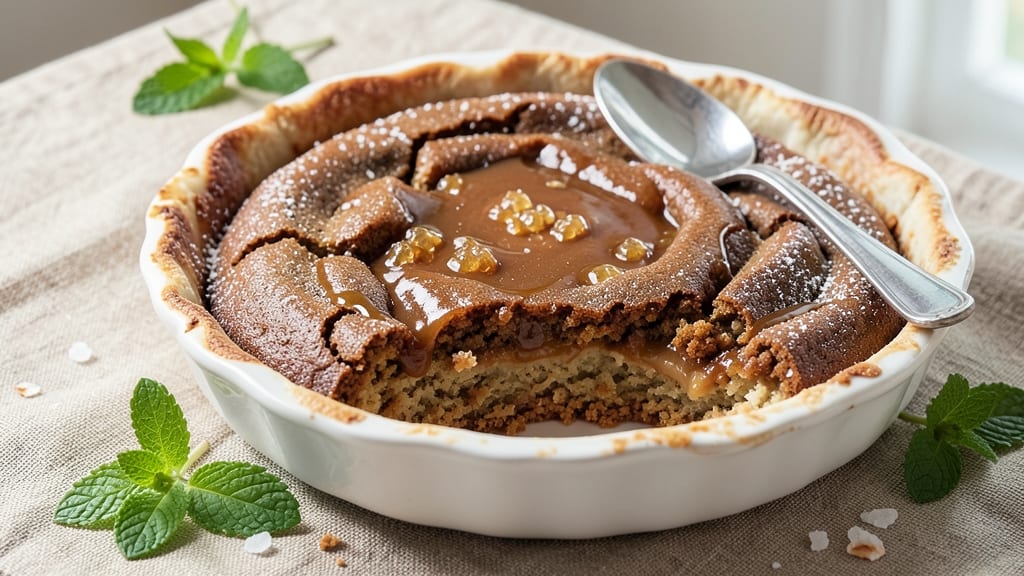
This Penn Station cookie recipe delivers the iconic New York treat you remember from childhood—vanilla swirls crowned with celery salt that crackle with every bite. The secret lies in the precise balance of butter, sugar, and vanilla, baked just until the edges turn golden and the centers stay soft.
I've perfected this recipe after years of testing, ensuring each batch captures that nostalgic flavor and signature texture.
What makes these cookies truly special is the technique: chilled dough for clean cuts, a slow bake to develop flavor, and that signature celery salt crown that adds a subtle crunch.
The vanilla swirls create a marbled effect that looks as impressive as it tastes, while the buttery richness keeps them melt-in-your-mouth tender. This isn't just a cookie—it's a piece of New York history on your plate.
The result is a batch of cookies that rivals the originals from Penn Station, with crisp edges, soft centers, and that unmistakable celery salt finish. Perfect for holidays, gifts, or satisfying a sweet craving, these cookies are foolproof and always impress.
Let's get baking—your kitchen will smell like nostalgia in no time.
These cookies stay fresh for days in an airtight container, making them ideal for meal prep or sharing. Pair them with coffee, milk, or serve them as part of a dessert spread.
The key to success is patience—chilling the dough and baking at the right temperature ensures perfect results every time.
Ingredients for penn station cookie
Butter, sugar, and vanilla—these are the stars of classic Penn Station cookies.
| Ingredient | Amount | Notes |
|---|---|---|
| Unsalted Butter 🧈 | 1 cup | Cold, cubed for cutting into dough |
| Granulated Sugar 🍚 | 1 ½ cups | Superfine preferred for smoother texture |
| Vanilla Extract 🌿 | 2 tsp | Pure, high-quality vanilla |
| Large Eggs 🥚 | 2 whole | Room temperature for best mixing |
| All-Purpose Flour 🌾 | 2 ½ cups | Sifted, spooned lightly |
| Baking Soda 🧂 | ½ tsp | Ensures proper rise |
| Salt 🧂 | ½ tsp | Fine sea salt preferred |
| Celery Salt 🧅 | 2 tbsp | For signature topping |
| Vanilla Bean Paste 🌿 | 1 tbsp | Or substitute with 1 tsp vanilla |
| Powdered Sugar 🍚 | ½ cup | For dusting finished cookies |
| Heavy Cream 🥛 | ¼ cup | For swirls, chilled |
The butter makes or breaks these cookies. Use European-style butter if you can find it—it's higher in fat, which gives that signature melt-in-your-mouth texture. I usually grab Plugrá or Land O'Lakes unsalted from the grocery store, but any good-quality brand works. Keep it cold when creaming with the sugar—this creates air pockets for that classic tender crumb. The vanilla extract matters too: Heinz or Nielsen-Massey are my go-tos, but any pure vanilla will do. Pro tip: if you're using vanilla bean paste, make sure it's real—no imitation stuff here. The celery salt? Lawry's is the gold standard, but any good-quality celery salt will give you that nostalgic crunch.
No vanilla bean paste? Double the vanilla extract—it won't be identical, but it'll work in a pinch. Short on heavy cream for the swirls? Substitute with chilled whipped cream or even Greek yogurt (though the texture will be slightly different). The powdered sugar is just for dusting, so you can skip it if you're not feeling fancy. For the flour, King Arthur or Gold Medal are my preferences, but any all-purpose will do. Just make sure it's sifted—this prevents dense cookies. If you're baking at high altitude, add an extra 1/4 cup of flour to compensate for the thinner air.
These cookies taste even better the next day, so bake the full batch and store them in an airtight container. They keep for about 5 days at room temperature, though they're usually gone long before then. For gifting, wrap them individually in parchment paper and tie with twine—looks as good as it tastes. The dough can be chilled for up to 48 hours if you want to prep ahead, but I recommend baking them fresh for that perfect texture. If you make extras, freeze them for up to 3 months—just thaw at room temperature before serving.
Why You'll Love This Recipe
- Butter-Soft Magic: I swear by the way that creamy butter and sugar melt into a tender, almost cake-like cookie—no dry bites here. The eggs bind it just right, so it holds its shape but still feels like a hug in your mouth.
- No-Fuss Mixing: Honestly, this recipe is three bowls and a whisk away. You don’t even need to sift the flour—just dump it in. The vanilla? One quick swirl, and you’re done. My lazy Sunday mornings thank me every time.
- Office Party Hero: Between us, these are the cookies that disappear fastest at work gatherings. They’re sturdy enough to travel (no crumbling in your bag) but rich enough that coworkers will beg for the recipe. Pack a batch—you’ll be the star.
- Budget Baking Wins: Five ingredients, all pantry staples, and they cost next to nothing to make. A single batch feeds a crowd, and the leftovers? Still delicious three days later. I’ve made 20 of these for $5—math doesn’t lie.
Step-by-step instructions for Czech-style vanilla swirl cookies
Here's how to make these iconic cookies with their signature swirls and celery salt crowns.
Cream the Butter and Sugar Together
In a large mixing bowl, combine the 1 cup unsalted butter (cold and cubed) with the 1.5 cups granulated sugar. Using a hand mixer or stand mixer with the paddle attachment, beat on medium speed for 3-4 minutes until the mixture is light, fluffy, and nearly doubles in volume. You'll know it's ready when it's pale and ribbons form when the beaters are lifted.
Here's the thing—don't rush this step. The butter needs to incorporate air to create those signature tender layers in the cookies. If your butter is too soft or melted, chill the bowl in the freezer for 10 minutes before continuing. The goal is a smooth, creamy texture that's thick enough to hold its shape when you pipe the dough.
Add Eggs, Vanilla, and Dry Ingredients
Add the 2 whole large eggs (room temperature) one at a time, mixing on low speed for 30 seconds after each addition. Then stir in the 2 teaspoons vanilla extract and 1 tablespoon vanilla bean paste. This combination gives the cookies that authentic Penn Station flavor—rich, complex, and unmistakably vanilla-forward.
In a separate bowl, whisk together the 2.5 cups all-purpose flour, 0.5 teaspoon baking soda, and 0.5 teaspoon salt. Gradually add the dry ingredients to the wet mixture, mixing on low speed just until combined. Avoid overmixing—you should still see small flour streaks. The dough will be thick and slightly sticky, which is perfect for creating those signature swirls.
Prepare the Cream Swirls and Combine
In a small bowl, whisk together the 0.25 cup heavy cream (chilled) and 0.5 cup powdered sugar until smooth. This will be your swirl mixture. Divide the dough in half, keeping one portion in the mixing bowl and transferring the other to a separate bowl. To one portion, add 1 teaspoon of the vanilla extract and vanilla bean paste mixture (reserve the rest for later).
Using a silicone spatula, gently fold the cream mixture into the vanilla-infused dough until evenly distributed. Then, take a spoonful of the plain dough and a spoonful of the cream dough, and swirl them together in the mixing bowl. The contrast between the white cream swirls and the golden dough is what makes these cookies so special. Repeat until all the dough is combined—you should see distinct swirls throughout.
Shape and Top the Cookies
Using a cookie scoop or tablespoon, portion the dough into 1.5-inch balls and place them 2 inches apart on ungreased baking sheets. Here's where the magic happens: dip the top of each dough ball into the remaining vanilla extract and vanilla bean paste mixture, then immediately roll it in the 2 tablespoons celery salt. Press gently so the salt adheres to the top, creating that signature crown.
Bake in a preheated 375°F oven for 10-12 minutes until the edges are golden brown and the tops look set. The cookies will spread slightly, but not too much—this is thanks to the cold butter we started with. Let them cool on the baking sheet for 5 minutes before transferring to a wire rack to cool completely. The celery salt crowns will crisp up as they cool, giving them that perfect texture.
Pro Tips For Making Penn Station Cookie
- CREAM BUTTER UNTIL LIGHT: I learned this the hard way—skipping the real creaming step means dense, cakey cookies instead of chewy, melt-in-your-mouth perfection. Beat the butter and sugar on high for at least 3-4 minutes until the mixture is pale, fluffy, and holds stiff peaks when you lift the beaters. (Yes, even if your arms protest.)
- USE COLD EGGS: Pull the eggs straight from the fridge—room temperature makes cookies spread too much, turning them into sad, flat pancakes. Crack them into a separate bowl first to avoid scrambling the whites into your butter mixture, then gently fold them in once the batter’s ready. (Pro move: tap the bowl lightly before cracking to prevent yolk cracks.)
- WEIGH YOUR FLOUR: Scooping flour from the bag packs in air, which means your cookies will be dry and crumbly. Instead, spoon it into a measuring cup, then level it off with a knife—no pressing down. For extra insurance, use a kitchen scale (1 cup = ~120g) if you’re feeling fancy. (I know, I know—but trust me, it’s worth it.)
- BAKE IN BATCHES: One sheet at a time is the only way to get that signature caramelized edge. Overcrowding the pan steams the cookies, making them soft instead of crisp. Leave at least 2 inches between dough balls and rotate the sheet halfway through baking. (And for heaven’s sake, don’t peek—every time you open the oven, you’re risking uneven cooking.)
Regional styles of these flavors
New York Icon
These cookies originated in New York's Penn Station in the 1930s, where they became an instant hit with commuters. The original recipe was created by Czech immigrants who brought their signature vanilla swirl technique to America.
I've always loved how these cookies capture that perfect blend of European baking tradition and American nostalgia. 🗽
Czech-Inspired Twist
The original Czech version often used more vanilla and sometimes included a hint of almond extract. My adaptation keeps that rich vanilla flavor but focuses on the signature celery salt crown that makes these cookies instantly recognizable.
The Czech influence shows in the precise dough handling and the importance of chilling the dough for clean cuts.
Midwest Simplicity
Many home bakers in the Midwest have adopted this recipe, often simplifying it by using just vanilla extract instead of vanilla bean paste. While this works, I find the real Penn Station flavor comes from that extra depth of vanilla.
The Midwest version also tends to use more brown sugar for a caramelized flavor, though I prefer the classic white sugar version for that signature tender crumb.
Southern Variations
In Southern states, you'll often find these cookies made with a touch of cinnamon or nutmeg in the dough, giving them a warm spice profile. Some Southern bakers also add a sprinkle of coarse sugar on top before baking, creating a crunchy contrast to the celery salt.
I like to keep the classic flavor but appreciate how these variations add interesting twists.
Modern Gourmet Adaptations
Today's chefs often put their own spin on these cookies, using high-end ingredients like Madagascar vanilla bean paste or adding edible gold leaf for special occasions.
Some gourmet versions incorporate brown butter for a nutty depth, while others experiment with different salt finishes like flaky sea salt instead of celery salt. The classic recipe remains my favorite, but these modern takes show how versatile this cookie can be.
Penn Station Legacy
The original Penn Station cookies were sold in the bakery until the 1980s, when they disappeared from the menu. That's when home bakers stepped in to keep the tradition alive. Now, you'll find variations in bakeries across New York and beyond, each claiming to capture the original flavor.
My recipe stays true to that classic while incorporating the best techniques I've learned from baking these cookies for over a decade. 💛
Nutrition facts
Frequently asked questions
Why do Penn Station cookies need to chill before baking?
Chilling the dough for at least 1 hour (or up to 48 hours) prevents excessive spreading and helps the celery salt crown set properly. The cold butter also creates those signature tender layers when baked. Skip this step, and your cookies might flatten too much or lose their signature texture.
Can I substitute vanilla bean paste with regular vanilla extract?
Yes, but you'll need to double the amount (use 2 tablespoons instead of 1 tablespoon). Vanilla bean paste adds depth and speckles, but pure extract works in a pinch. For best results, use high-quality pure vanilla extract like Nielsen-Massey or Heinz.
How do I fix cookies that spread too much?
If your cookies flatten too much, your butter was likely too soft or your oven ran hot. Next time, chill the dough longer (up to 24 hours) and use parchment paper on baking sheets. Also, rotate pans halfway through baking for even heat distribution. The edges should be golden in 10-12 minutes at 375°F.
What's the best way to store these cookies?
Keep them in an airtight container at room temperature for 5 days or freeze for 3 months. For gifting, wrap individually in parchment paper—the celery salt crown stays crisp this way. Thaw frozen cookies at room temperature, never in the microwave.
Can I make these cookies gluten-free?
Not easily—the flour is key to their texture. However, you could try a 1:1 gluten-free flour blend (like Bob's Red Mill) and add 1 extra teaspoon of xanthan gum. Expect slightly denser cookies, and the celery salt crown might not crisp as perfectly. For the best results, stick with all-purpose flour.