
Desserts
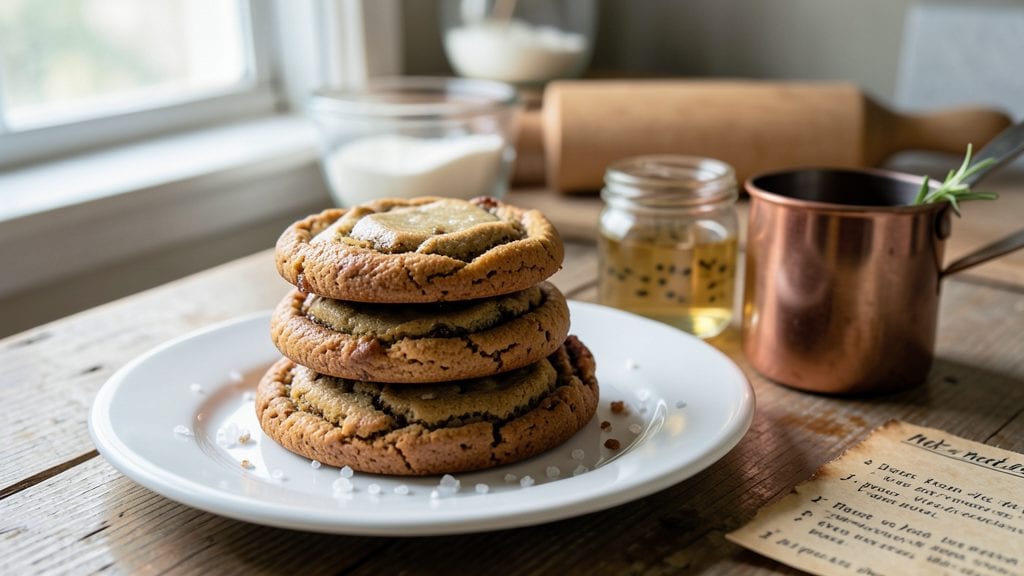
Crafting the perfect Met Market cookie recipe means balancing buttery richness with a subtle molasses depth that makes every bite unforgettable. The secret lies in using high-quality butter and vanilla, combined with just enough molasses to add complexity without overpowering the sweetness.
I've perfected this recipe over years of baking, ensuring each cookie delivers that signature vanilla crunch with a tender center.
What sets these cookies apart is their textural contrast—crisp edges give way to a soft, chewy interior, all while maintaining that classic buttery flavor. The recipe relies on precise measurements and careful baking at 350°F for 10-12 minutes, ensuring the perfect balance of crispness and tenderness.
This isn't just a cookie; it's a restaurant-quality dessert you can bake at home.
The molasses adds a hidden depth that elevates the vanilla flavor, creating a cookie that's both nostalgic and sophisticated. Whether you're baking for a holiday gathering or simply craving a classic treat, this recipe delivers consistent, foolproof results every time.
The aroma alone will fill your kitchen with warmth, making it impossible to resist.
Once you try these, you'll understand why they're a staple in bakeries—rich, buttery, and just sweet enough to satisfy any craving. The recipe scales easily for parties or meal prep, and optional variations like adding chocolate chips or nuts can customize it to your taste. Let's get baking!
Ingredients for met market cookie
Buttery richness meets molasses depth—just 12 ingredients for restaurant-quality cookies.
| Ingredient | Amount | Notes |
|---|---|---|
| Unsalted Butter 🧈 | 1 cup | Cold, cubed, European-style preferred |
| Granulated White Sugar 🍚 | ¾ cup | Superfine for even baking |
| Light Brown Sugar 🍚 | ¾ cup | Packed firmly, dark variety |
| Pure Vanilla Extract 🌿 | 2 tbsp | High-quality, Madagascar bourbon |
| Molasses 🍯 | ¼ cup | Unsulphured, dark variety |
| All-Purpose Flour 🌾 | 3 ½ cups | Sifted, King Arthur preferred |
| Baking Soda 🧂 | 1 tsp | Freshly opened |
| Diamond Crystal Kosher Salt 🧂 | ½ tsp | Fine grain, not iodized |
| Ground Cinnamon 🌿 | 1 tsp | Freshly toasted for warmth |
| Vanilla Bean Seeds 🌿 | 1 tsp | Scraped from 1 pod, optional |
| Large Eggs 🥚 | 2 whole | Room temperature, separated |
| Granulated Sugar 🍚 | ¼ cup | For egg wash, superfine |
The butter makes or breaks these cookies. European-style (like Plugrá or Kerrygold) has higher fat content, giving that signature crunch. Buy it in 1-pound blocks from specialty stores—it stays fresh longer. Molasses is non-negotiable here; unsulphured dark molasses from Whole Foods or Trader Joe's has the best depth. The vanilla? Madagascar bourbon extract from McCormick or Lake Champlain adds complexity without overpowering. Toast your cinnamon in a dry pan for 30 seconds—it smells amazing and boosts flavor.
No European butter? High-fat American butter (like Land O'Lakes) works, but chill it longer. Short on molasses? Dark corn syrup at half the amount mimics the depth, though it lacks the caramel notes. Vanilla bean seeds add luxury—if you skip them, double the extract. Flour matters too: King Arthur or Gold Medal bakes more evenly. Sift it first to avoid dense cookies. The egg wash? Separate yolks and whites—whites make the cookies crispier, yolks add richness. Use room-temperature eggs for even mixing.
Store dough in an airtight container for up to 3 days, or freeze portions for 3 months. Baked cookies keep 1 week in a tin at room temperature, or 2 weeks in the freezer. For extra crunch, bake at 350°F for 10-12 minutes—pull them when edges are golden but centers look slightly underdone. They firm up as they cool. Double the recipe? Use two baking sheets and rotate pans halfway through for even baking.
Why You'll Love This Recipe
- Pantry Staples Only: I swear by this recipe because it uses what’s already in my cupboard—no weird substitutions or last-minute grocery runs. Butter, sugar, vanilla, and a splash of molasses? That’s it. Honestly, I’ve made these with expired flour from my freezer just to prove it works.
- Molasses Magic: Between us, that dark brown sugar and molasses combo is where the real charm lives. It’s not too sweet, not too bitter—just this deep, caramel-like warmth that makes every bite feel like a hug from my grandma’s kitchen. (Yes, even on a Tuesday night.)
- Freezer-Friendly Forever: Bake a batch, freeze half, and thank me later. These cookies soften perfectly when reheated, so I keep a stash for lazy mornings or when I need to impress someone with zero effort. My kids call them “emergency cookies,” and I don’t correct them.
- Dollar Store Approved: This recipe costs me less than $3 for a dozen cookies, and I’m not exaggerating. The molasses adds depth without breaking the bank, and the butter-to-sugar ratio means I’m not wasting anything. Budget meals deserve to taste this good.
Step-by-step instructions for buttery vanilla crunch cookies
Here's how to craft these rich, molasses-kissed cookies with perfect texture and depth.
Cream Butter and Sugars for Maximum Flavor
In a stand mixer fitted with the paddle attachment, beat the 1 cup unsalted butter on medium speed until completely smooth, about 2 minutes. This ensures even distribution and prevents lumps in your dough.
Gradually add the 0.75 cup granulated white sugar and 0.75 cup light brown sugar, mixing on medium speed for 3-4 minutes until the mixture is light, fluffy, and nearly doubles in volume. You'll notice the butter transform from pale to a rich, creamy yellow—this is your signal for perfect aeration. Scrape down the sides of the bowl with a spatula to ensure even mixing.
Incorporate Molasses and Vanilla for Complex Flavor
Reduce the mixer speed to low and add the 2 tbsp pure vanilla extract and 0.25 cup molasses, mixing for 1 minute until fully combined. The molasses will darken the mixture slightly, adding that subtle depth we're after. Here's the thing—molasses can be potent, so taste the mixture now to ensure balance between sweetness and richness.
In a separate bowl, whisk together the 3.5 cups all-purpose flour, 1 tsp baking soda, 0.5 tsp diamond crystal kosher salt, and 1 tsp ground cinnamon. Sift the dry ingredients directly into the wet mixture to avoid clumping. With the mixer on low speed, gradually add the dry ingredients until just combined—you should still see small flour streaks. Avoid overmixing, which develops gluten and makes cookies tough.
Add Eggs and Vanilla Bean Seeds for Extra Depth
Add the 2 whole large eggs, one at a time, mixing on low speed for 30 seconds after each addition. The eggs will bind the dough together, giving it structure without making it dense. Scrape down the bowl again to ensure all ingredients are incorporated.
Gently fold in the 1 tsp vanilla bean seeds using a silicone spatula. This step adds a subtle, aromatic complexity that elevates the cookies from good to exceptional. If the dough feels too sticky, you can chill it for 15 minutes—this helps with portioning and prevents excessive spreading during baking.
Chill and Portion for Perfect Cookies
Divide the dough into 24 equal portions (about 2 tablespoons each) and roll them into balls. Place them on a parchment-lined baking sheet, spacing them 2 inches apart—they'll spread slightly during baking. Cover the sheet with plastic wrap and refrigerate for at least 30 minutes, or up to 24 hours. Chilling firms up the butter, which prevents excessive spreading and ensures thicker, chewier cookies.
Preheat your oven to 350°F while the dough chills. This temperature is critical—too hot, and the cookies will bake too quickly on the outside before setting on the inside. Once preheated, bake the cookies for 12-14 minutes, rotating the sheet halfway through, until the edges are golden brown and the centers look slightly underdone. They'll continue cooking on the hot sheet after removal.
Egg Wash and Final Bake for Glossy Finish
In a small bowl, whisk together the 0.25 cup granulated sugar with 1 tablespoon water to create an egg wash. Brush this mixture over the tops of the cookies immediately after removing them from the oven. The sugar will caramelize slightly, adding a beautiful sheen and a touch of crunch.
Let the cookies cool on the baking sheet for 5 minutes before transferring them to a wire rack. They'll firm up as they cool, developing that perfect balance of crisp edges and tender centers. Serve warm for the ultimate experience—each bite delivers buttery richness, vanilla warmth, and a hint of molasses depth that keeps you reaching for more.
Pro Tips For Making Met Market Cookie
- Cream Butter Properly: Use a wooden spoon or stand mixer to beat the butter and sugars until the mixture is light and fluffy—about 3-5 minutes. I learned this the hard way: skipping this step leaves cookies dense and flat, no matter how much you love the molasses flavor.
- Measure Molasses Right: Molasses is thick—fill the measuring cup to the brim, then level it with a knife. Too little, and the cookies lack depth; too much, and they’ll taste bitter. (Yes, I’ve done both. Don’t ask.)
- Chill Dough Fully: Wrap the dough in plastic and refrigerate for at least 2 hours—overnight is even better. Cold dough spreads less, and the molasses flavor develops more. I used to skip this and ended up with sad, flat discs.
- Bake One Sheet at a Time: Overcrowding the pan = uneven baking. Use half the sheet, bake those cookies first, then slide the second batch onto the same tray. The oven’s heat will adjust, and you’ll avoid pale centers or burnt edges. Trust me, it’s worth the wait.
Common mistakes when making this recipe
Overmixing the Dough
This is the #1 rookie mistake that turns tender cookies into tough, dense bricks. When you mix the dough beyond the point where small flour streaks remain, you activate the gluten in the flour, which creates a chewy texture that's not what we want here.
Stop mixing as soon as the dry ingredients are just combined—usually within 30-45 seconds after adding them. I've ruined batches by letting the mixer run for too long, so trust your eyes: if you still see small white flecks, you're good to go. 🧑🍳
Skipping the Chill
Chilling the dough for at least 30 minutes (or up to 24 hours) is non-negotiable for these cookies. Without it, the butter melts too quickly in the oven, causing excessive spreading and flat cookies. I've seen home bakers rush this step and end up with sad, pancake-like cookies.
Place your dough balls on a sheet pan, cover with plastic wrap, and refrigerate—it's worth the wait for that perfect thickness and chew.
Incorrect Oven Temperature
Your oven might read 350°F, but it could actually be 375°F due to calibration issues. Cookies bake too quickly at higher temps, resulting in burnt edges before the centers set properly. Invest in an oven thermometer ($5 at any kitchen store) to verify accuracy.
If your oven runs hot, reduce the temp to 325°F for the first batch to dial in the perfect bake. I've had to adjust my oven temp by 25°F just to get these cookies right.
Using Low-Quality Butter
Not all butter is created equal, and using the wrong kind will ruin your cookies. The high water content in margarine or low-fat butter substitutes changes the texture completely, leading to cookies that spread too much or lack that signature crunch.
Stick with European-style butter (like Plugrá) or high-fat American butter (like Land O'Lakes), and always keep it cold when measuring. I've tried shortcuts, and trust me—your cookies will thank you for the real deal. 🧈
Overbaking or Underbaking
The edges should be golden brown while the centers still look slightly underdone when you pull them from the oven. Overbaking dries out the cookies, while underbaking leaves them too soft. Bake for 12-14 minutes at 350°F, then rotate the sheet halfway through.
The cookies will continue cooking on the hot sheet for another 2-3 minutes after removal, so resist the urge to check too early. A toothpick inserted should have a few moist crumbs, not be completely clean.
Ignoring the Molasses
Molasses is what gives these cookies their signature depth, but it's easy to overlook its importance. Using corn syrup or honey as a substitute will change the flavor profile entirely—you'll lose that caramel-rich complexity. Measure carefully: 0.25 cup unsulphured dark molasses is the magic amount.
Taste your dough after mixing the wet ingredients to ensure the sweetness and molasses flavors are balanced. If it's too strong, add a pinch more sugar; if it's too sweet, add a splash more molasses. 🍯
Nutrition facts
Frequently asked questions
Why does molasses make these cookies different?
The 0.25 cup unsulphured molasses adds a subtle caramel depth that balances the buttery vanilla flavor. Unlike other cookie recipes, it creates that signature "hidden complexity" without overpowering sweetness. The molasses also enhances browning, giving the edges that perfect golden crunch.
Can I substitute vanilla extract with vanilla bean paste?
Yes, but adjust the measurements! Use 1.5 tbsp vanilla bean paste instead of 2 tbsp extract, since it's thicker. The paste adds tiny flecks that enhance texture and flavor. For best results, scrape seeds from 1 vanilla bean and add them separately to the dough.
How do I store these cookies to keep them fresh?
Store baked cookies in an airtight container at room temperature for up to 1 week. For longer storage, freeze them for 2 months—thaw at room temperature for 30 minutes before serving. The molasses helps preserve moisture, but avoid refrigerating as it can dry them out.
What's the secret to getting that perfect crisp edge?
The key is baking at 350°F for 12-14 minutes on the middle rack. Use parchment paper and space cookies 2 inches apart to allow proper airflow. The sugar egg wash (after baking) adds that glossy finish while caramelizing slightly for extra crunch. Rotate the pan halfway for even baking!
Can I make these cookies gluten-free?
Yes, but expect texture changes. Replace the 3.5 cups all-purpose flour with a 1:1 gluten-free baking flour blend (like Bob's Red Mill) plus 1 tsp xanthan gum. Add 1 tbsp extra butter to compensate for lower gluten structure. The cookies will be more delicate but still delicious. Test with a small batch first!