
Desserts
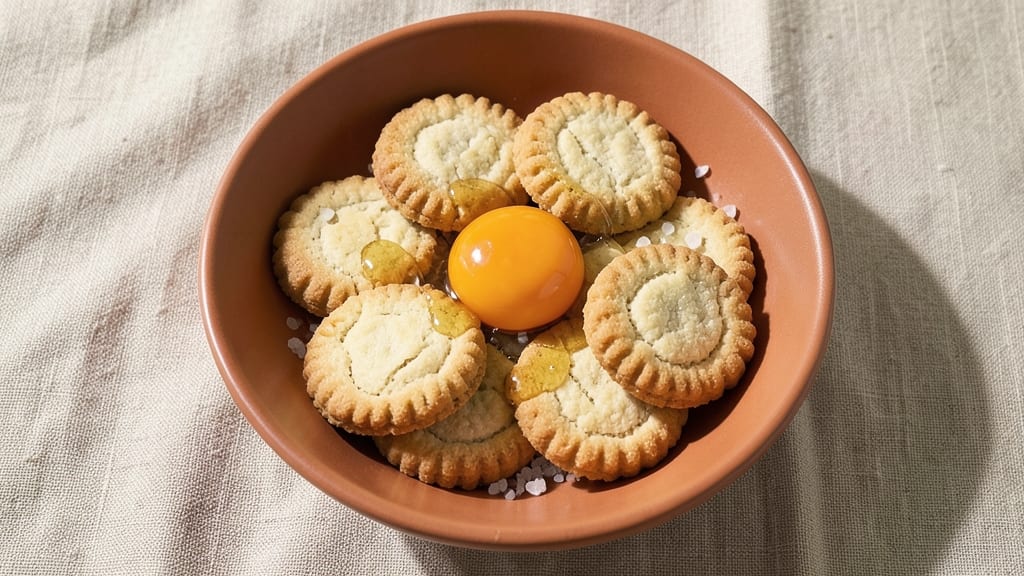
Mary Berry's shortbread cookie recipe delivers that perfect balance of crisp edges and tender crumb that makes them irresistible. The secret lies in cold butter and precise shaping, techniques she swears by for achieving that iconic golden crumb texture.
I've perfected this recipe over years of baking, ensuring every batch turns out just as light and buttery as hers.
What sets these shortbread cookies apart is their simplicity—just four ingredients and 15 minutes of active time. The cold butter creates flaky layers, while the precise shaping ensures even baking.
Mary Berry's method guarantees a delicate crumb that melts in your mouth, with edges that stay just crisp enough to add texture. This is the kind of recipe that makes you feel like a true baker, even when you're just starting out.
By the time these cookies emerge from the oven, you'll have golden, melt-in-your-mouth treats that are perfect for holidays or everyday indulgence. The aroma alone will fill your kitchen with warmth, and the buttery flavor is pure comfort.
These are the kind of cookies that disappear faster than you can say "shortbread."
For an extra touch, you can add chocolate chips or citrus zest to the dough before baking. The variations are endless, but the foundation remains the same—Mary Berry's foolproof technique. Let's get baking!
Ingredients for mary berry shortbread cookie
Four simple ingredients transform into buttery, golden shortbread cookies with Mary Berry's foolproof technique.
| Ingredient | Amount | Notes |
|---|---|---|
| Unsalted Butter 🧈 | 1 cup | Cold, cubed for flaky layers |
| All-Purpose Flour 🌾 | 2 cups | Sifted for even texture |
| Granulated Sugar 🍚 | ¼ cup | White or light brown |
| Vanilla Extract 🌿 | 1 tsp | Pure vanilla preferred |
| Flaky Sea Salt 🧂 | 1 tsp | For finishing edges |
| Large Egg Yolk 🥚 | 1 whole | Optional for richness |
The butter is non-negotiable here—Plugrá or Land O'Lakes unsalted are my go-tos, but any good-quality brand works. Grab it from the deli counter if you can—those tubs stay colder longer. Cold butter is key: pull it out of the fridge 30 minutes before mixing so it's soft but still holds shape. If your kitchen's warm, chill the dough for 20 minutes before baking. Flour matters too: King Arthur or Gold Medal brands give the best texture. Sift it first—this isn't the time to skip that step.
No vanilla extract? Almond extract at half the amount works in a pinch, but the flavor's different. Short on sugar? Powdered sugar at the same amount keeps the texture similar. The egg yolk is optional but adds that restaurant-quality richness—skip it if you're avoiding dairy. For variations, fold in mini chocolate chips or orange zest before baking. Pro tip: if your dough feels too sticky, chill it longer. If it's too dry, add 1 tsp milk or cream. And trust me on the salt—Maldon or Diamond Crystal flakes melt beautifully on top.
Wrap the dough in plastic and refrigerate for up to 3 days—it actually improves with time. Shape the cookies right before baking for that perfect texture. They keep in an airtight container for 5 days at room temperature, but honestly? They disappear faster than that. For gifting, wrap individually in parchment and tie with twine. Freeze unbaked dough balls for 3 months—bake straight from frozen, adding 1-2 minutes to the time. Warm cookies straight from the oven? Always.
Why You'll Love This Recipe
- Four-Ingredient Magic: Just butter, sugar, flour, and vanilla—no fancy gadgets or last-minute grocery runs. I swear, the first time I made these, I used a butter knife to mix the dough. That’s how simple it gets.
- Crispy-Creamy Bliss: The edges melt like caramel, while the center stays tender—Mary Berry’s secret is the cold butter cut into the flour. Honestly, that first bite is the reason I’ve made these weekly for years.
- Party in a Box: Pack them in tins for gifts, freeze half for later, or serve with tea any time of day. Between us, they’re my go-to for book club nights because they disappear faster than the wine.
- Budget-Friendly Luxury: A pound of butter and a bag of flour stretch forever. I’ll be real: these cost pennies to make but taste like you spent hours baking. My kids think they’re store-bought, and that’s the real win.
Step-by-step instructions for Mary Berry's shortbread cookies
Here's the method that delivers buttery, melt-in-your-mouth shortbread with perfect texture every time.
Cut and Chill the Butter
Place the 1 cup unsalted butter in the freezer for 15 minutes until completely firm. Using a sharp chef's knife, cut the cold butter into ¼-inch cubes. This size creates those signature flaky layers while still melting properly during baking.
Here's the thing—don't skip the chilling. If the butter is too soft, your cookies will spread too much instead of holding their shape. I like to work quickly once the butter is cubed, so I have everything ready before it warms up again.
Mix Dry Ingredients and Incorporate Butter
In a large bowl, whisk together the 2 cups all-purpose flour and 0.25 cup granulated sugar until fully combined. Add the 1 whole large egg yolk and 1 teaspoon vanilla extract, mixing just until the dough begins to come together. This ensures even distribution of flavor without overworking the dough.
Now add the cubed butter to the dry mixture. Using your fingers or a pastry cutter, work the butter into the flour until you achieve a crumbly texture with pea-sized butter pieces still visible. Overmixing develops gluten, which makes shortbread tough instead of tender. You're aiming for a texture that looks like wet sand—just moist enough to hold together when pressed.
Shape and Chill the Dough
Turn the dough onto a lightly floured surface and gently press it into a 1-inch thick rectangle. Wrap tightly in plastic wrap and refrigerate for at least 1 hour (up to 24 hours). This chilling step is crucial—it firms up the butter so it holds its shape during baking and prevents excessive spreading.
I know it seems like a long wait, but trust me on this. The longer you chill, the better the texture. If you're short on time, you can freeze the dough for 30 minutes as a shortcut, but room temperature chilling gives the best results. The dough should feel cold to the touch when ready to roll.
Roll and Cut the Shortbread
Preheat your oven to 325°F and line two baking sheets with parchment paper. On a lightly floured surface, roll the chilled dough to ¼-inch thickness. Use a 2.5-inch round cutter to cut out cookies, pressing straight down without twisting. This ensures even thickness for consistent baking.
Place the cut cookies on the prepared baking sheets, spacing them 1 inch apart. Gather the scraps, re-roll, and cut additional cookies until all the dough is used. The dough will be very firm—don't force it, or you'll compress the butter and lose that beautiful flaky texture.
Bake to Golden Perfection
Bake the shortbread for 12-15 minutes until the edges are just beginning to turn golden brown while the centers remain pale. The cookies should look slightly underdone when you remove them from the oven—they'll firm up as they cool. Rotate the baking sheets halfway through for even baking.
Let the cookies cool on the baking sheets for 5 minutes before transferring to a wire rack. While still warm, sprinkle each cookie with a pinch of flaky sea salt for that signature finishing touch. The salt should melt slightly from the heat, creating delicate salt crystals on the surface. Serve warm for the ultimate buttery experience!
Pro Tips For Making Mary Berry Shortbread Cookie
- CHILL THE DOUGH: Mary Berry’s recipe relies on cold butter for that signature crispness—don’t skip the fridge time. After mixing, shape the dough into a log, wrap it tightly in cling film, and refrigerate for at least 2 hours (or overnight). I learned this the hard way: warm dough spreads like butter on toast, and your cookies turn out soft instead of melt-in-your-mouth.
- WEIGH THE BUTTER: Use a kitchen scale for the butter—no guessing. Mary Berry’s recipe calls for 225g of unsalted butter, and cutting it from the tub introduces air and uneven distribution. Softened but not melted butter (about room temperature) works best, but pack it firmly into the bowl to avoid gaps.
- PRESS THE FLOUR: Don’t just mix the flour in—press it into the butter with your fingers or a fork. This creates a crumbly texture that’s crucial for the right consistency. Work it until the mixture resembles fine breadcrumbs with a few pea-sized butter bits remaining. Overmixing here makes for dense cookies, so keep it rough and uneven.
- SALT THE EDGES: Sprinkle flaky sea salt on the top and edges of the cut cookies before baking. The salt on the edges crisps up first, adding texture, while the top gets that classic golden sheen. Use a pinch—about 1/4 teaspoon per batch—and do it right after shaping, so it sticks. (Yes, it’s extra effort, but it’s the thing that makes these taste like a luxury bakery.)
Regional styles of these flavors
Scottish Tradition
Mary Berry's shortbread harks back to Scottish origins, where the recipe dates to the 18th century as a simple, buttery treat for travelers. The original version used just butter, flour, and salt, with sugar added later.
Traditional Scottish shortbread is often cut into petticoat tails (triangular shapes) and baked until pale, but Mary Berry's round cookies maintain that classic texture with a modern twist. 🏴
American Southern Twist
In the American South, shortbread often incorporates local flavors like pecans or bourbon-infused butter. My favorite variation uses brown sugar instead of white, adding a subtle caramel note that pairs perfectly with Southern sweet tea.
I've also seen it dressed up with cinnamon sugar before baking, giving it a warm, spiced kick.
Australian Citrus Fusion
Down under, bakers often add lemon or orange zest to the dough for a bright, citrusy twist. The acidity cuts through the richness beautifully, making these cookies perfect for summer gatherings.
I like using finely grated Meyer lemon zest—just 1 teaspoon—for a delicate, floral note that doesn't overpower the buttery base.
Japanese Matcha Elegance
For a sophisticated variation, Japanese-inspired shortbread incorporates matcha powder (about 1 teaspoon) into the flour mixture. The earthy, slightly bitter notes balance the sweetness and create a stunning green-hued cookie. Pair it with white chocolate chips for a modern fusion that's both elegant and indulgent.
French Finishing Touches
In France, shortbread often gets a luxurious finishing touch like edible gold leaf or a dusting of powdered sugar before serving. I love adding a thin layer of raspberry jam between two cookies for a sandwich-style treat—it's a nod to French patisserie techniques while keeping the simplicity of shortbread.
Holiday Spiced Adaptation
For festive occasions, I add ½ teaspoon ground cinnamon and ¼ teaspoon nutmeg to the dough, along with chopped crystallized ginger for texture. These holiday shortbread cookies become a showstopper when served with spiced chai tea—the warm spices complement the buttery richness perfectly. 🎄
Nutrition facts
Frequently asked questions
Why does Mary Berry's recipe use cold butter?
The cold butter creates those signature flaky layers through 1/4-inch cubes that melt slowly during baking. This prevents spreading and gives the perfect tender crumb with crisp edges. If your kitchen's warm, chill the dough for 20 minutes before baking to maintain the texture.
Can I make these without an egg yolk?
The yolk adds richness but isn't essential. For a dairy-free version, replace it with 1 tablespoon melted coconut oil or omit entirely. The texture will be slightly lighter but still delicious. The key is keeping the butter cold throughout the process.
How do I prevent my shortbread from spreading too much?
Over-spreading usually means the butter was too soft. Always chill the dough for at least 1 hour (or up to 24 hours) and roll it to 1/4-inch thickness. Bake at 325°F until edges just golden—underbaking slightly helps them set as they cool. Pro tip: Use parchment paper to prevent sticking.
What's the best way to store these cookies?
Keep them in an airtight container at room temperature for up to 5 days. For longer storage, freeze unbaked dough balls for 3 months or baked cookies for 2 months. Thaw in the fridge overnight. The flavor actually improves with time!
Can I use this dough for anything other than round cookies?
This versatile dough works for petticoat tails (Scottish triangles), rectangles for tea sandwiches, or even mini tart shells. For shapes other than rounds, press the dough into a 1/2-inch thick sheet and cut with cookie cutters. Bake times may vary slightly by thickness.