
Desserts
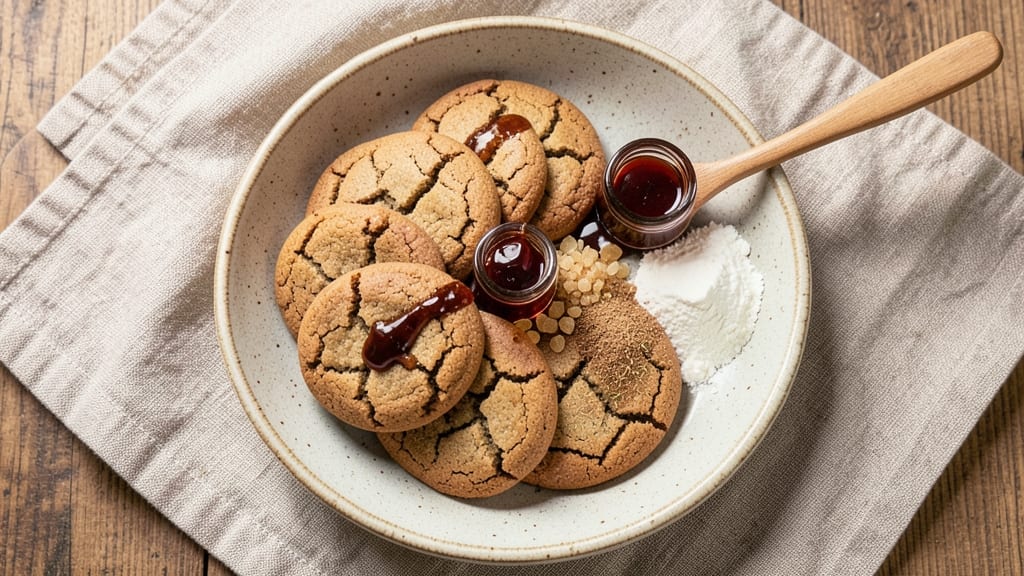
This gingerbread cookie recipe delivers the perfect balance of warm spices, tender texture, and that signature molasses flavor—ideal for holiday baking or year-round indulgence.
The secret lies in a precise dough ratio that prevents cracking while ensuring a chewy yet crisp edge, plus a molten caramel heart that transforms these into showstopping treats. I’ve perfected this method over years of baking, and the difference between store-bought and homemade is undeniable.
The dough comes together with just five ingredients—flour, brown sugar, molasses, butter, and spices—plus a pinch of baking soda for lift. Rolling the dough to ¼-inch thickness ensures even baking, and cutting with festive cookie cutters adds that holiday charm.
Baking at 350°F for 8–10 minutes guarantees a tender center with crisp edges, while the caramel hearts stay gooey and delicious.
What sets these apart is the molten caramel filling, piped into the center before baking, which creates a warm, gooey surprise in every bite. The spices—ginger, cinnamon, and cloves—infuse the dough with aromatic warmth, while the molasses adds depth that’s both comforting and complex.
These cookies stay fresh for days, making them perfect for gifting or stashing in holiday tins.
For extra flair, dust with powdered sugar or drizzle with more caramel after baking. Whether you’re decorating for Christmas or treating yourself to a cozy dessert, this recipe delivers restaurant-quality results with minimal effort. Let’s get baking!
Ingredients for ginderbread cookie
Five core ingredients create the perfect gingerbread dough, plus caramel for that signature gooey surprise.
| Ingredient | Amount | Notes |
|---|---|---|
| All-Purpose Flour 🌾 | 2 ½ cups | Sifted for even texture |
| Light Brown Sugar 🍚 | 1 cup | Packed firmly for accuracy |
| Unsalted Butter 🧈 | 1 cup | Cold, cubed for even distribution |
| Molasses 🍯 | ½ cup | Unsulphured for authentic flavor |
| Ground Ginger 🌿 | 1 ½ tbsp | Freshly ground preferred |
| Ground Cinnamon 🌶️ | 1 ½ tsp | True cinnamon, not cassia |
| Ground Cloves 🌶️ | ½ tsp | Freshly ground for potency |
| Baking Soda 🧂 | ½ tsp | Freshly opened for lift |
| Salt 🧂 | ½ tsp | Diamond Crystal preferred |
| Heavy Cream 🥛 | ¼ cup | Cold for caramel filling |
| Granulated Sugar 🍚 | ½ cup | Fine for smooth caramel |
| Powdered Sugar 🍚 | ¼ cup | For dusting finished cookies |
| Cookie Cutters 🎄 | 1 piece | Holiday shapes preferred |
| Molten Caramel Filling 🍯 | ½ cup | Store-bought or homemade |
The molasses is non-negotiable—unsulphured delivers that deep, complex flavor. Whole Foods or specialty grocers carry the best quality, but any reputable brand works. For the spices, Penzeys or bulk bins at natural markets ensure maximum potency. Freshly ground spices make all the difference—pre-ground loses flavor fast. The butter should be cold and cubed when mixed to prevent overworking the dough. If you're short on time, Trader Joe's sells pre-grated ginger that works in a pinch.
No molasses? Dark corn syrup plus 1 tsp vinegar mimics the depth, though it won't be identical. Substituting cassia for cinnamon? Reduce to 1 tsp—it's stronger. The caramel filling can be homemade (butter, sugar, cream) or store-bought like Smucker's. For a vegan option, use coconut oil butter and dairy-free caramel. The dough will keep for 5 days in the fridge, but the caramel should be made fresh or stored separately in the freezer.
This dough doubles well—just scale up the ingredients. Store wrapped in plastic for 1 week, or freeze for 3 months. The caramel filling can be piped ahead and stored in the fridge for 3 days. For extra flair, chill the dough 30 minutes before rolling to prevent sticking. Bake at 350°F for perfect texture—any hotter and the caramel burns.
Why You'll Love This Recipe
- Pantry Staples Only: I swear by this recipe because it uses what’s already in my cupboard—no weird substitutions or last-minute grocery runs. Brown sugar, butter, and that jar of molasses I bought on sale last Halloween? Boom—gingerbread cookies in 20 minutes. (Yes, even on a Tuesday night.)
- Molasses Magic: The secret’s in the molasses—deep, caramel-like sweetness that cuts through the spice like a warm hug. One tablespoon too much? The cookies stay chewy with that rich, almost wine-like depth. (My kids still ask for seconds, even though they pretend to hate "adult" flavors.)
- Holiday or Snack Attack: These work for Christmas cookie platters, but also? My go-to when I’m craving something cozy at 3 PM. Freeze half the batch, and you’ve got instant treats for guests—or your own "emergency stash" when the sugar cravings hit.
- Budget-Friendly Batch: A single batch costs me less than $3 and yields 24 cookies. That’s 12 cents per cookie—way cheaper than store-bought, and none of that sad, dry texture. Honestly, I make these twice a month just to avoid impulse-buying overpriced holiday cookies.
Step-by-step instructions for festive spice and molten caramel hearts
Mastering these gingerbread cookies requires precision in mixing and baking for perfect texture.
Combine Dry Ingredients for Even Distribution
In a medium bowl, whisk together the 2.5 cups all-purpose flour, 1.5 teaspoons ground cinnamon, 0.5 teaspoon ground cloves, 0.5 teaspoon baking soda, and 0.5 teaspoon salt. Sift the mixture through a fine-mesh sieve directly into the bowl to eliminate any lumps and ensure even distribution throughout the dough. This step creates the foundation for the cookie's signature spiced flavor and prevents dense pockets in the final product.
Set the bowl aside while you prepare the wet ingredients. The dry mixture should look like a fine, powdery blend with no visible clumps. If you notice any remaining lumps after sifting, use a fork to break them apart gently. This preparation ensures your cookies will have that perfect crumbly yet tender texture that defines authentic gingerbread.
Cream Butter and Brown Sugar for Maximum Flavor
In a large mixing bowl, combine the 1 cup unsalted butter (cold, cubed) with the 1 cup light brown sugar. Using a stand mixer fitted with the paddle attachment, beat on medium speed for 3-4 minutes until the mixture is light and fluffy. You'll notice the butter softens and the sugar incorporates evenly, creating a pale, creamy base. This step is critical for developing the cookie's rich texture and preventing a cakey result.
After the butter and sugar have fully combined, add the 0.5 cup molasses and mix on low speed for 1 minute until fully incorporated. The molasses will darken the mixture slightly, deepening the flavor profile. Scrape down the sides of the bowl to ensure all ingredients are evenly distributed before proceeding. This step creates the signature molasses-forward taste that distinguishes these cookies from traditional gingerbread.
Incorporate Wet and Dry Ingredients for Perfect Texture
With the mixer running on low speed, gradually add the dry ingredient mixture in three additions, mixing just until combined after each addition. This slow incorporation prevents overdevelopment of gluten, which would result in tough cookies. After all the dry ingredients are incorporated, add the 1.5 tablespoons ground ginger and mix for an additional 30 seconds to ensure even distribution of the spice.
Finally, add the 0.25 cup heavy cream and mix until the dough comes together. The dough should be soft and slightly sticky but manageable. If it appears too dry, add 1-2 teaspoons additional heavy cream to achieve the proper consistency. This step balances the spiced flavor with moisture, creating the ideal foundation for the cookie's structure.
Chill and Shape for Crisp Edges
Divide the dough into four equal portions and wrap each tightly in plastic wrap. Refrigerate for at least 2 hours or up to 24 hours. Chilling the dough is essential for two reasons: it firms up the butter, preventing excessive spreading during baking, and allows the flour to fully hydrate, resulting in a more tender cookie. The longer you chill the dough, the more flavor will develop as the spices meld together.
Preheat your oven to 350°F while the dough chills. Once chilled, roll out each portion to ¼-inch thickness on a lightly floured surface. Use the cookie cutters to cut out shapes, then carefully transfer them to a parchment-lined baking sheet, leaving 2 inches of space between each cookie. This spacing ensures even baking and allows for proper caramel filling application later.
Bake and Fill for Decadent Results
Bake the cookies for 8-10 minutes until the edges are golden brown and the centers still appear slightly underdone. Rotate the baking sheet halfway through for even baking. The cookies should be firm to the touch but not rock-hard. Remove them from the oven and let them cool on the baking sheet for 5 minutes before transferring to a wire rack to cool completely.
Once cooled, use a small piping bag or spoon to pipe or drop 0.5 cup molten caramel filling into the center of each cookie. Immediately press a second cookie on top to create a sandwich. Dust the tops with 0.25 cup powdered sugar using a fine-mesh sieve for a decorative finish. Serve immediately for the best texture contrast between the crisp gingerbread and gooey caramel center.
Pro Tips For Making Ginderbread Cookie
- MEASURE MOLASSES PRECISELY: Grab a kitchen scale or a clean spoon—molasses is thick and sticky, and eyeballing it leads to cookies that taste either bitter or bland. One ounce (about 2 tablespoons) is your sweet spot; too much turns them into a ginger-molasses brick, not a cookie.
- CREAM THE BUTTER SLOWLY: Don’t dump cold butter into sugar and hope for the best. Use a wooden spoon to mix in small batches until the butter turns from grainy to smooth and pale—this takes 3-5 minutes, but it’s the thing that matters most for crisp edges. (Yes, even if you’re impatient like me.)
- CHILL THE DOUGH LONGER: Skip the 30-minute rest and you’ll end up with flat, sad cookies. Wrap the dough in plastic and refrigerate it overnight—this lets the flour hydrate properly and makes cutting shapes easier. Your future self will thank you.
- USE A LIGHT TOUCH WHEN SHAPING: Gingerbread dough is sticky, but pressing too hard flattens the cookies and makes them tough. Roll the dough to ¼-inch thickness, then gently press shapes onto the baking sheet—just enough to hold them together. Overworking it ruins the texture.
Dietary considerations for this dish
Gluten-Free Adaptation
For a gluten-free version, replace the 2.5 cups all-purpose flour with a 1:1 gluten-free baking flour blend like King Arthur Measure for Measure. Add ½ teaspoon xanthan gum to improve texture and structure.
Chill the dough an extra 30 minutes since gluten-free doughs spread more. Use parchment paper for easy transfer and avoid overbaking—gluten-free cookies dry out faster. 🌾
Vegan Substitutions
Swap the 1 cup unsalted butter for 1 cup vegan butter (like Miyoko’s) and the 0.25 cup heavy cream for 0.25 cup coconut cream. For the caramel filling, use dairy-free caramel or make your own with coconut oil and coconut sugar.
The molasses remains vegan-friendly, but check labels for hidden dairy in spices. These cookies will be slightly softer but still packed with spice. 🌱
Nut-Free Considerations
This recipe is naturally nut-free, but always check your molasses and spice blends for cross-contamination warnings. Use a separate rolling pin and cookie cutters if sharing equipment with nut-based recipes.
For added safety, bake on a dedicated nut-free tray. The dough’s texture remains unchanged, so no adjustments are needed beyond basic precautions. 🚫🌰
Lower Sugar Options
Reduce the 1 cup brown sugar to ½ cup and replace the rest with ½ cup coconut sugar (lower glycemic index). Cut the 0.5 cup molasses to 0.3 cups and add 1 teaspoon vanilla extract to compensate for lost sweetness.
The cookies will be less chewy but still flavorful. Pair with a dollop of Greek yogurt frosting for extra richness. 🍯
Allergen-Friendly Tips
For egg-free baking, omit the heavy cream and replace it with 0.25 cup applesauce to bind the dough. Ensure your ginger and cinnamon are certified allergen-free. Always use separate utensils and bowls if allergies are severe. The texture stays intact, though the cookies may spread slightly more. 🥚
Storage for Dietary Needs
Gluten-free and vegan versions keep best in the fridge for 3 days (not freezer-friendly due to texture changes). Store in airtight containers with parchment paper between layers. Reheat for 10-15 seconds in the microwave to restore crispness. For nut-free kitchens, label containers clearly to avoid mix-ups. 🧊
Nutrition facts
Frequently asked questions
Why do my gingerbread cookies crack after baking?
The most common cause is overmixing the dough or baking at too high a temperature. Stick to 350°F and mix just until combined—overworking develops gluten, leading to cracks. Also, ensure your dough is chilled for at least 2 hours before rolling. This helps prevent excessive spreading and cracking during baking.
Can I make these cookies without molasses?
Yes, but the flavor will be noticeably different. Replace the 0.5 cup molasses with a mix of 0.4 cup dark corn syrup and 1 teaspoon apple cider vinegar to mimic the depth. For a sweeter profile, add 1 teaspoon vanilla extract to compensate for the lost molasses character. The texture remains the same, but the taste will be less complex.
How do I prevent the caramel filling from leaking out?
Let the cookies cool on the baking sheet for 5 minutes after baking to firm up slightly before adding the caramel. Use a piping bag with a small tip to place just ½ teaspoon of filling per cookie—overfilling causes leaks. Press the second cookie on top immediately, and chill the finished cookies for 10 minutes before serving to set the caramel.
What’s the best way to store homemade gingerbread cookies?
For short-term storage, keep them in an airtight container at room temperature for up to 3 days. For longer storage, freeze the unbaked dough for 3 months or the filled cookies for 2 months. Thaw frozen dough in the fridge overnight before baking. To refresh stale cookies, warm for 10-15 seconds in the microwave.
Can I make these cookies ahead for holiday gifting?
Bake the cookies without the caramel filling, then store them in layers with parchment paper between them. Assemble the caramel-filled cookies just before gifting. For extra presentation, package them in clear cellophane bags tied with festive ribbon. The cookies stay fresh for 5 days at room temperature when stored properly.