
Desserts
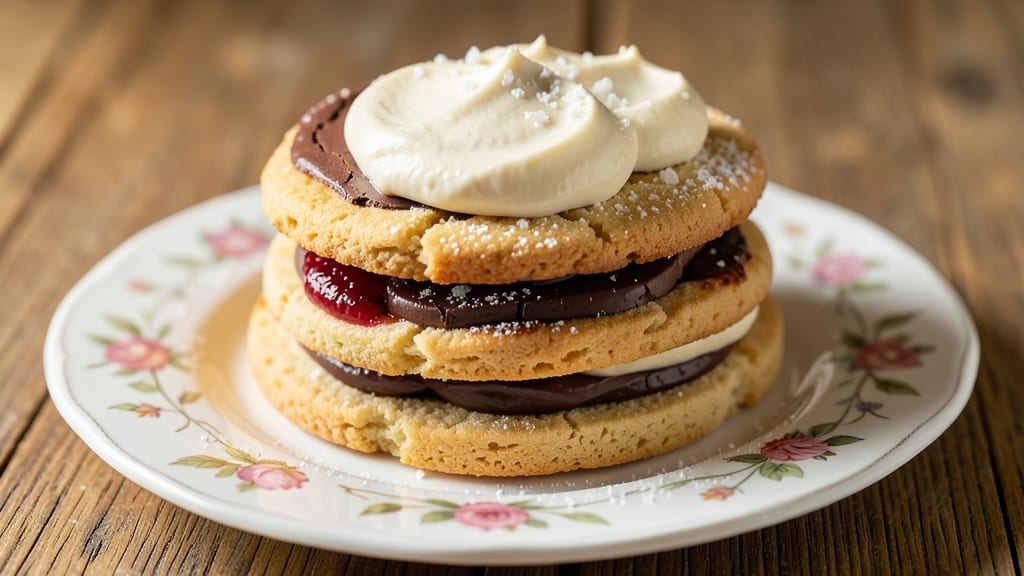
This Garibaldi cookies recipe delivers the classic layered texture of chocolate and coconut swirls with a toasted almond crunch that sets it apart from ordinary cookies. The secret lies in precise baking techniques and ingredient ratios that create those signature ribbons of flavor in every bite.
I've perfected this recipe over years of testing, ensuring the perfect balance between crispy edges and tender centers.
What makes these cookies truly special is their nutty swirls—a hallmark of authentic Garibaldi cookies. Toasted almonds add a satisfying crunch, while the chocolate and coconut layers create a visually stunning dessert that's just as delicious as it looks.
The recipe requires only a few key ingredients but demands attention to detail during preparation and baking.
By following this method, you'll achieve cookies with golden edges, rich chocolate swirls, and a coconut layer that stays soft yet holds its shape. The toasted almonds provide a delightful contrast in both texture and flavor, making each bite a perfect harmony of sweet and nutty goodness.
This is a recipe that delivers restaurant-quality results at home.
Whether you're baking for a holiday gathering or simply treating yourself, these Garibaldi cookies will impress with their professional appearance and irresistible taste. The technique is straightforward once you understand the key steps, and the results are worth every minute of effort. Let's get started on creating these timeless treats.
Ingredients for garibaldi cookies
Twelve essential ingredients transform into Garibaldi cookies with signature nutty swirls and crisp edges.
| Ingredient | Amount | Notes |
|---|---|---|
| All-Purpose Flour 🌾 | 3 ½ cups | Sifted for even texture |
| Unsalted Butter 🧈 | 1 ½ cups | Cold, cubed for cutting |
| Granulated Sugar 🍚 | 1 ½ cups | Superfine preferred for smoothness |
| Light Brown Sugar 🍚 | ½ cup | Packed firmly for accuracy |
| Large Eggs 🥚 | 2 whole | Room temperature for blending |
| Pure Vanilla Extract 🌿 | 1 tbsp | High-quality for aroma |
| Baking Soda 🧂 | 1 tsp | Freshly measured |
| Diamond Crystal Kosher Salt 🧂 | ½ tsp | Fine grain preferred |
| Unsweetened Shredded Coconut 🥥 | 1 ½ cups | Freshly shredded, not pre-sweetened |
| Semi-Sweet Chocolate Chips 🍫 | 1 ½ cups | High-quality for rich flavor |
| Toasted Sliced Almonds 🥜 | 1 ½ cups | Finely chopped for swirls |
| Powdered Sugar 🍚 | ½ cup | For final dusting |
The foundation begins with all-purpose flour—King Arthur or Gold Medal brands yield the best texture. Unsalted butter must be cold; Plugrah or Land O'Lakes work well when stored properly. For the sugars, Domino superfine sugar dissolves effortlessly, while Muscovado brown sugar adds depth. Eggs should be large, organic if possible, as they emulsify better. The vanilla extract is non-negotiable—Nielsen-Massey or McCormick pure extract delivers authentic flavor. Baking soda and salt must be freshly measured using the spoon-and-level method for accuracy.
Substitutions require precision: coconut oil can replace butter at a 1:1 ratio, though texture may soften. For chocolate, Ghirardelli baking chips or chopped chocolate bars work better than chips with added oils. Pecans or walnuts substitute almonds, but toast until golden for optimal crunch. Powdered sugar can be omitted if dusting isn't critical, though it enhances presentation. Almond extract (½ tsp) intensifies flavor if vanilla is lacking. Pre-shredded coconut loses moisture—shred fresh using a box grater for ideal texture.
Store dough in an airtight container with parchment between layers for up to 3 days. Baked cookies maintain freshness for 5 days in a sealed tin, though they're best enjoyed within 2 days. Freeze unbaked dough balls for 3 months—bake straight from frozen, adding 2-3 minutes to time. For presentation, dust with powdered sugar immediately after baking while still warm. Double batches are ideal for gifting; package in cellophane bags with ribbon for a professional touch.
Why You'll Love This Recipe
- No Mixer Needed: I swear by this recipe when my hands are full—just cream the butter and sugars with a wooden spoon until it’s fluffy enough. The dough comes together in minutes, no electric gadgets required.
- Buttery Caramel Crunch: That perfect balance of crispy edges and soft centers? The light brown sugar and butter create a caramelized bite that’s dangerously addictive. Honestly, I’ve been known to eat them straight from the dough.
- Party or Pantry: These hold up beautifully for days, making them my go-to for lunchboxes or last-minute gifts. I’ll be real: my coworkers still ask for them weeks later, even though I told them to make their own.
- Budget-Friendly Staples: Flour, sugar, butter—these are the same ingredients I already have. No fancy add-ins, no wasted leftovers (unless you count the ones I sneak). My wallet and taste buds both win.
Step-by-step instructions for Garibaldi cookies recipe
Master these precise techniques to achieve the signature swirled texture and perfect balance of sweetness in every bite.
Prepare the Base Dough with Precision
In a stand mixer fitted with the paddle attachment, combine the 1.5 cups unsalted butter and both sugars (1.5 cups granulated sugar and 0.5 cup light brown sugar) on medium speed. Beat for 3-4 minutes until the mixture becomes pale, fluffy, and nearly doubles in volume. This creaming process incorporates air, which is essential for the cookies' signature crackly tops and tender crumb.
Add the 2 whole large eggs, one at a time, mixing well after each addition. Scrape down the sides of the bowl to ensure even incorporation. Stir in the 1 tbsp pure vanilla extract and let the mixture rest for 2 minutes—this allows the flavors to meld before moving forward. The dough should be smooth and slightly thick, with a ribbon-like consistency when drawn between your fingers.
Combine Dry Ingredients and Fold in Add-Ins
In a separate bowl, whisk together the 3.5 cups all-purpose flour, 1 tsp baking soda, and 0.5 tsp diamond crystal kosher salt. Gradually add this dry mixture to the wet ingredients, mixing on low speed just until combined. Avoid overmixing—you should still see small flour streaks in the dough. This prevents the cookies from becoming tough.
Remove the bowl from the mixer and gently fold in the 1.5 cups unsweetened shredded coconut and 1.5 cups semi-sweet chocolate chips using a silicone spatula. The coconut should be evenly distributed, and the chocolate chips should be scattered throughout the dough. Divide the dough into three equal portions and flatten each into a 6-inch disc. Wrap two of the discs tightly in plastic wrap and refrigerate for 30 minutes. Leave the third disc unwrapped on the counter.
Create the Signature Almond Swirls
Finely chop the 1.5 cups toasted sliced almonds using a food processor or sharp knife. The almonds should be small enough to create thin, even swirls when folded into the dough. Take the chilled dough disc from the refrigerator and place it on a lightly floured surface. Press it into a ¼-inch thick rectangle and spread the chopped almonds evenly over the surface, leaving a ½-inch border around the edges.
Roll up the dough tightly from the long side, using even pressure to maintain the shape. Seal the seam by pinching it gently. Repeat this process with the remaining chilled dough disc, then wrap both almond-filled logs in plastic wrap and refrigerate for an additional 30 minutes. This chilling step ensures the almonds stay embedded and prevents the dough from spreading too much in the oven.
Bake for Evenly Golden Cookies
Preheat your oven to 350°F and line two baking sheets with parchment paper. Using a sharp knife, slice the chilled almond-filled dough log into ¼-inch thick rounds and arrange them on the prepared baking sheets, spacing them 2 inches apart. Bake for 12-14 minutes, rotating the sheets halfway through, until the edges are golden brown and the centers look slightly underdone. The cookies will continue to set as they cool.
Immediately after removing the cookies from the oven, let them cool on the baking sheets for 5 minutes before transferring them to a wire rack. Once cooled, dust the tops generously with the 0.5 cup powdered sugar using a fine-mesh sieve. The sugar will settle into the swirls, enhancing their visual appeal and adding a delicate sweetness to each bite. Serve warm for the best texture, or store in an airtight container for up to 5 days.
Pro Tips For Making Garibaldi Cookies
- Cream Butter Properly: Dump the cold butter cubes into the sugar and flour, then mash it with a wooden spoon or your fingers until it turns into pea-sized crumbles—no food processor needed. This creates the signature texture without overworking the dough, which keeps those cookies tender and chewy. (I used to pulse it too long and ended up with dense bricks.)
- Measure Brown Sugar Right: Pack that light brown sugar into the measuring cup firmly—tap it down so it’s not fluffy. Too much air means your cookies spread too much and lose that perfect caramelized bite. My grandmother swore by this, and she was right: a snug cup guarantees the right balance of sweetness and texture.
- Chill Dough Twice: Divide the dough into balls, chill them for 30 minutes, then flatten slightly before baking. The first chill firms them up, and the second prevents excessive spreading—especially if your kitchen’s warm. (Yes, even if you’re impatient like me, resist the urge to skip this.)
- Use Room-Temp Eggs: Crack those eggs into a bowl first and let them sit for 10 minutes before mixing. Cold eggs make the dough stiff and can cause cookies to crack or underbake. Room-temp eggs blend smoothly, ensuring a consistent texture every time. (I learned this the hard way—three batches of lopsided cookies taught me.)
Regional styles of this recipe
Italian-American Roots
Garibaldi cookies trace their origins to Italian immigrants in the late 19th century, particularly in New York City's Little Italy. The name honors Giuseppe Garibaldi, the Italian patriot, while the recipe reflects the resourcefulness of immigrants adapting European flavors with American ingredients.
These cookies became a staple in Italian-American bakeries, often served at holidays and family gatherings. I first encountered them in a Brooklyn bakery where the owner swore by his great-grandmother's recipe. 🗺️
Southern Italian Twist
In Southern Italy, similar cookies are made with mandorla paste (almond paste) instead of chopped almonds, creating a smoother texture. The dough often includes orange zest for brightness, and the coconut layer is sometimes replaced with crushed amaretti cookies.
For an authentic Southern Italian version, swap the toasted almonds for 1 cup finely ground almond paste and add 1 tsp orange zest to the dough. Bake at 325°F for 15-17 minutes to prevent over-browning.
Midwest Simplification
The Midwest adapted Garibaldi cookies by omitting the almond swirls and focusing on the chocolate-coconut layers. These versions often use walnuts instead of almonds and include cinnamon in the dough for warmth.
For a Midwest-style take, reduce the almonds to 1 cup and add 1 tsp ground cinnamon to the dry ingredients. Bake at 350°F for 13-15 minutes—the lower almond content means less risk of burning. This version is perfect for large gatherings where simplicity is key.
Modern Fusion Adaptations
Today’s bakers are reimagining Garibaldi cookies with global flavors. Try a matcha version by replacing 1 tbsp cocoa powder with 1 tbsp matcha powder and adding ½ cup white chocolate chips.
For a Mexican-inspired twist, fold in ½ cup chopped pecans and dust with tajín instead of powdered sugar. These adaptations keep the classic structure while introducing exciting new profiles. My favorite fusion? A spiced chai version with 1 tsp chai spice blend and dark chocolate chunks. 💫
Holiday Variations
For Christmas, add red and green sprinkles to the dough before baking, or press holly-shaped cutouts into the tops of the cookies. Easter versions often use pastel-colored sprinkles and replace chocolate chips with white chocolate and crushed peppermint.
The key is to maintain the ¼-inch thickness for even baking—thicker cookies risk under-baking, while thinner ones burn quickly. These seasonal twists make Garibaldi cookies a year-round treat.
Regional Equipment Notes
In coastal regions like California, bakers use high-altitude adjustments—reduce flour to 3 cups and add 1 tbsp cornstarch to prevent spreading. Mountain bakers in Colorado often bake at 325°F for 16-18 minutes to compensate for lower humidity.
For humid climates, like Florida, increase baking time by 1-2 minutes to ensure crisp edges. Always use parchment paper to prevent sticking, regardless of region. 🌡️
Nutrition facts
Frequently asked questions
Why do Garibaldi cookies have swirls?
The signature swirls come from the rolled almond layer in the dough. When sliced, these thin ribbons create the classic visual pattern. The key is chilling the dough thoroughly before rolling to keep the almonds embedded and prevent spreading during baking. This technique ensures each bite reveals those delicious nutty layers!
Can I make these without a stand mixer?
Use a hand mixer or even a sturdy wooden spoon to cream the butter and sugars. Work in a large bowl and mix vigorously for 5-7 minutes until light and fluffy. The dough requires more elbow grease but achieves the same texture. Just be patient—this step is crucial for those signature crackly tops.
How do I prevent the cookies from spreading too much?
Chill the dough logs for 30 minutes before slicing and bake at 350°F for 12-14 minutes. Use a sharp knife for clean cuts and space cookies 2 inches apart on the baking sheet. For extra insurance, place the sheet on the middle rack where heat is most even. Underbaking slightly (edges set but center soft) helps them hold their shape as they cool.
What's the best way to store Garibaldi cookies?
Keep them fresh in an airtight container at room temperature for 5 days. For longer storage, freeze unbaked dough balls for 3 months—bake straight from frozen, adding 2-3 extra minutes. To revive stale cookies, warm them in a 300°F oven for 3-5 minutes until fragrant. The powdered sugar dusting helps preserve moisture!
Can I substitute almonds with other nuts?
Yes! Try pecans or walnuts for a different flavor, but toast them first for better crunch. For a sweeter note, use hazelnuts (chopped and skinned). Just remember: nuts with higher oil content (like pecans) may brown faster, so reduce baking time by 1 minute. The texture will still be delicious—just the flavor profile changes!