
Breakfast & Brunch
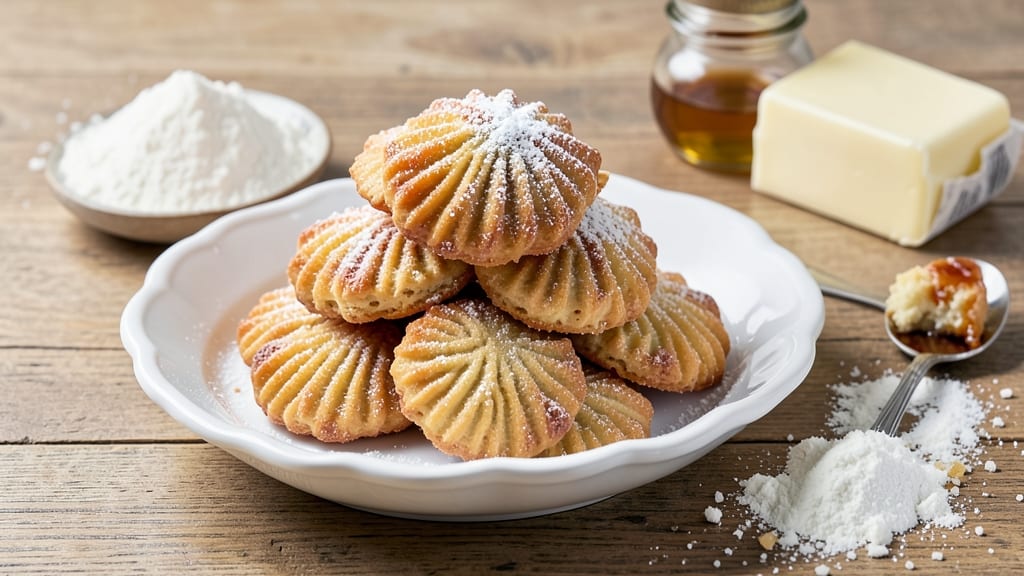
French palmier cookies recipe delivers the delicate, buttery layers that make them a star of French patisserie—each crispy, shatterable leaf is a testament to precision and patience. 💛 These iconic cookies, with their signature palm leaf pattern, require just a few simple ingredients but demand careful technique to achieve their signature texture and appearance.
I've perfected this method over years of baking, ensuring every batch delivers that satisfying crackle with every bite.
The secret to authentic palmier cookies lies in the dough's composition—rich with butter and sugar, yet light enough to create those delicate layers. Shaping the dough into thin sheets and scoring them with precise cuts creates the classic palm leaf pattern.
Baking at the right temperature ensures crispy edges while keeping the centers tender, resulting in cookies that practically dissolve on the tongue.
What makes this recipe truly special is how it transforms a simple dough into something extraordinary with just a few expert techniques. The final product is a stack of golden, buttery layers that shatter effortlessly, revealing crispy, melt-in-your-mouth goodness.
This is the kind of treat that elevates any breakfast or afternoon tea to something truly memorable.
Whether you're baking for a special occasion or simply indulging in a classic French pastry, these palmier cookies will impress. The process is straightforward once you understand the key steps, and the results are worth every moment of attention to detail. Let's create something truly special together.
Ingredients for french palmier cookies
Rich butter and delicate sugar form the heart of these iconic French cookies—where precision meets indulgence.
| Ingredient | Amount | Notes |
|---|---|---|
| Unsalted Butter 🧈 | 1 cup | Cold, cubed for precise dough texture |
| Granulated Sugar 🍚 | ¾ cup | Superfine preferred for smoother dough |
| Powdered Sugar 🍚 | ½ cup | For delicate sweetness and finish |
| All-Purpose Flour 🌾 | 2 cups | Sifted for light, airy texture |
| Vanilla Extract 🌸 | 1 tsp | Pure, high-quality vanilla |
| Salt 🧂 | ¼ tsp | Fine sea salt for balance |
| Egg Yolk 🥚 | 1 whole | Only yolk for rich flavor |
| Cornstarch 🌾 | 2 tbsp | For crispy, shatterable layers |
| Palmier Cookie Cutter ✂️ | 1 piece | Or use a fork for scoring |
The butter is non-negotiable here—European-style unsalted butter (like Plugrá or Bérenger) delivers superior flavor and texture. Chill it thoroughly before mixing to prevent gluten development, which keeps those layers crisp. For the sugar, superfine granulated dissolves more smoothly, but if you only have regular granulated, pulse it in a food processor for a few seconds. The cornstarch is a game-changer—it creates that signature shatter, so don't skip it. If you're feeling fancy, Whole Foods or specialty baking shops carry it in bulk.
No vanilla extract? Vanilla bean paste works beautifully, or even a pinch of vanilla sugar in a pinch. Running short on powdered sugar? Mix superfine granulated sugar with 1 tbsp cornstarch for a 1:1 substitute. The egg yolk can be tricky—if you only have whole eggs, use just the yolk and reserve the white for another recipe. For the palm leaf pattern, a palmier cutter is ideal, but a fork or even a knife works in a pinch. Just score deeply and precisely—this is what creates those iconic layers. If your dough feels too sticky, chill it for 30 minutes before rolling.
These cookies keep beautifully in an airtight container for up to 5 days, though they're best enjoyed fresh. For longer storage, freeze the unbaked dough sheets between parchment paper for up to 2 months. Once baked, they soften slightly when thawed, so pop them back in the oven for 2-3 minutes to restore crispness. I like to wrap them in parchment and tie with twine for gifting—they make stunning presents. Store at room temperature if you plan to use them within a few days, but avoid humidity to prevent sogginess.
Why You'll Love This Recipe
- No-Fuss Dough Magic: I swear by this dough—just butter, sugar, and flour rolled thin, then folded like a letter. No fancy tricks, no waiting for the oven to preheat forever. The rolling pin does most of the work while I sip coffee.
- Buttery Crunch Perfection: That first bite? Pure contrast—crisp edges from the sugar caramelizing, then the soft, melt-in-your-mouth center. The vanilla ties it all together, but honestly, the butter makes this recipe dangerously addictive.
- Party in a Box: Between us, these are my go-to for holidays, teacher gifts, or just because. Stack them in a tin, tie a ribbon, and boom—elegant without effort. (Yes, even on a Tuesday night.)
- Lasts for Days: I make a double batch and freeze half. No weird texture when reheated—just warm, crispy palmier cookies straight from the freezer. Budget-friendly too: butter and flour stretch far, and no one resists seconds.
Step-by-step instructions for French palmier cookies
Master the art of these delicate cookies with crispy, shatterable layers that melt in your mouth.
👨🍳 Step 1: Create the Perfect Dough Foundation
In a stand mixer fitted with the paddle attachment, combine the 1 cup unsalted butter (cold and cubed) with the 0.75 cup granulated sugar and 0.5 cup powdered sugar. Mix on medium speed for 3-4 minutes until the mixture is light, fluffy, and pale in color. This creaming process incorporates air, which is essential for those signature crispy layers.
I like to press down on the butter mixture with a spatula during the first minute—this prevents it from becoming too aerated and ensures proper layering later. You'll know it's ready when the butter is fully incorporated and the mixture looks like soft, pale whipped cream.
👨🍳 Step 2: Incorporate Wet and Dry Ingredients
Add the 1 whole egg yolk, 1 tsp vanilla extract, and 0.25 tsp salt to the butter mixture. Mix on low speed for 1 minute until fully combined. The yolk adds richness while the vanilla and salt balance the sweetness perfectly.
In a separate bowl, whisk together the 2 cups all-purpose flour and 2 tbsp cornstarch. Gradually add this dry mixture to the wet ingredients, mixing on low speed until just combined. Avoid overmixing—you should still see small flour streaks. The cornstarch is crucial here; it creates that signature crispy texture that shatters when you bite in.
🍳 Step 3: Shape and Chill the Dough
Turn the dough out onto a lightly floured surface and gently press it into a 1-inch thick rectangle. Wrap tightly in plastic wrap and refrigerate for at least 1 hour (or up to 24 hours). This chilling step is non-negotiable—it firms up the dough so it holds its shape during baking and prevents excessive spreading.
Here's the thing—if you skip chilling, your palmier cookies will spread too much and lose that delicate, layered structure. The cold dough also ensures those crispy, shatterable layers we're after. I usually chill mine overnight for even better results.
🔥 Step 4: Roll and Cut the Perfect Shapes
Preheat your oven to 350°F and line two baking sheets with parchment paper. On a lightly floured surface, roll the chilled dough to ⅛-inch thickness. Use the palmier cookie cutter (or a fork for scoring) to cut out shapes—traditional palmier cookies have a fan-like design with slits on one side.
Place the cut cookies 2 inches apart on the prepared baking sheets. The spacing is important—they'll spread slightly as they bake. Don't worry if the edges look uneven; that's part of their rustic charm. The slits you create will expand during baking, forming those beautiful crispy layers.
⏰ Step 5: Bake to Golden Perfection
Bake for 12-15 minutes until the edges are golden brown and the cookies look slightly puffed. They should be firm to the touch but still soft in the center. Rotate the baking sheets halfway through for even baking—oven temperature can vary, so watch closely after the 12-minute mark.
Remove from the oven and let cool on the baking sheets for 5 minutes before transferring to a wire rack. This brief resting period prevents the cookies from becoming too crisp too quickly. Serve warm for the ultimate experience—those layers should shatter with every bite, revealing the buttery, crispy interior.
Pro Tips For Making French Palmier Cookies
- Chill the Dough Properly: I learned this the hard way—rolling out warm dough for palmier cookies makes them spread unevenly. Press the dough between two sheets of parchment, then refrigerate for at least 30 minutes (yes, even if you're impatient like me). The cold dough holds its shape better when you roll it thin for those signature fan layers.
- Use Cold Butter, Not Soft: This isn’t the prettiest method, but it’s the tastiest. Cream the unsalted butter with the granulated sugar until it’s just combined—no need for peaks. If it’s too soft, pop it in the fridge for 10 minutes first. Cold butter creates flakier layers when baked, and nobody wants a dense palmier.
- Roll Thin and Even: Skip the thick spots—uneven rolling ruins the fan effect. Aim for about ⅛-inch thickness (or slightly thinner if your rolling pin is heavy). Press firmly but don’t overwork the dough; it’ll firm up as you roll. Pro tip: Rotate the dough 90 degrees after every few rolls to keep it square.
- Don’t Overbake the Fans: Watch the heat—palmier cookies bake fast. They’re done when the edges are just golden (not brown) and the centers still look slightly underdone. Pull them at 340°F (170°C) for 12–15 minutes max, or they’ll turn into crispy crackers. Let them cool on the tray for 5 minutes before transferring.
Creative variations of this recipe
Citrus-Inspired Twist
Add 1 tbsp lemon or orange zest to the dough along with the vanilla extract for a bright, zesty variation. The citrus cuts through the richness while adding a refreshing aroma.
I like to pair this version with a dusting of powdered sugar mixed with ½ tsp lemon extract after baking for extra zing. 🍋
Coffee-Infused Version
Replace ½ cup of the granulated sugar with an equal amount of instant espresso powder for a mocha-inspired palmier. The coffee enhances the buttery flavor while adding subtle depth.
For an extra boost, add 1 tsp vanilla bean paste instead of regular extract. This version is perfect with a cup of freshly brewed coffee. ☕
Spiced Chai Variation
Infuse the dough with warmth by adding ½ tsp ground cinnamon, ¼ tsp ground cardamom, and pinch of nutmeg to the dry ingredients. The spices complement the butter beautifully and create a cozy, aromatic cookie.
I recommend serving these with a sprinkle of turbinado sugar for texture contrast. 🌿
Salted Caramel Fusion
After baking, drizzle the warm cookies with 2 tbsp salted caramel sauce (store-bought or homemade) and sprinkle with flaky sea salt. The salty-sweet combination elevates the classic palmier to gourmet status. For extra decadence, add ½ cup chopped pecans to the dough before baking. 🍯
Almond-Filled Delight
Create a sandwich-style palmier by rolling out two sheets of dough, sandwiching ½ cup finely chopped marcona almonds between them, then cutting and baking as usual. The almonds add crunch and nutty flavor that pairs perfectly with the buttery layers.
Press lightly on the filled dough before baking to ensure good adhesion. 🌰
Seasonal Holiday Edition
For Christmas, add 1 tsp ground ginger and ½ tsp cinnamon to the dough, then roll out and cut into star or tree shapes. Decorate with a sprinkle of colored sugar or edible gold dust.
These festive cookies make stunning gifts and taste even better with a cup of eggnog. 🎄
Nutrition facts
Frequently asked questions
Why do French palmier cookies need to be chilled before baking?
Chilling the dough for at least 1 hour (or overnight) is essential to prevent spreading and maintain those delicate, shatterable layers. The cold butter solidifies, creating crisp edges while keeping the centers tender. Skipping this step often results in flat, dense cookies that lack the signature texture.
Can I make palmier cookies without a special cutter?
Use a fork to create the classic palm leaf pattern by pressing down firmly in a crisscross motion. For a cleaner look, score the dough with a sharp knife in even lines before baking. The key is precision—deep, even cuts will expand beautifully during baking.
How do I fix cookies that spread too much?
If your cookies spread excessively, your dough was likely too warm or the butter wasn't cold enough. Next time, chill the dough longer and roll it ⅛-inch thick instead of thinner. For immediate fixes, place the baked cookies back in the oven for 1-2 minutes at 325°F to crisp them up.
What's the secret to achieving crispy layers?
The magic lies in the cornstarch and proper baking time. Cornstarch creates that signature shatter, while baking at 350°F for 12-15 minutes ensures crisp edges. Let them cool on the baking sheet for 5 minutes before transferring—they'll crisp further as they cool.
Can I use margarine instead of butter?
While possible, margarine lacks the rich flavor and proper fat content for authentic palmier cookies. Butter's higher fat content (80%) creates those crispy layers, while margarine often results in a denser texture. For the best results, stick with high-quality unsalted butter.