
Desserts
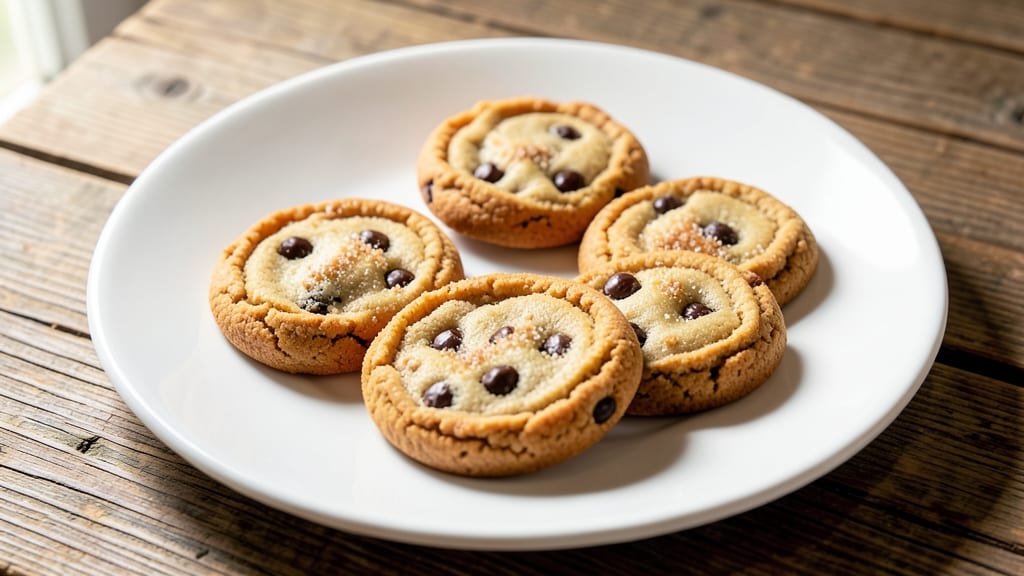
Creating fat-free cookies that still deliver on texture and flavor is a game-changer for anyone watching their intake without sacrificing dessert. The secret lies in strategic ingredient swaps—like applesauce or Greek yogurt—that replace fat while preserving that signature chewy center and crispy edge.
After years of testing, I’ve perfected a method that delivers cookies so satisfying, no one will guess they’re healthier.
This recipe relies on three key substitutions that mimic fat’s role in traditional cookies: unsweetened applesauce for moisture, Greek yogurt for richness, and a touch of baking powder for lift. The result? Cookies with crunchy edges and soft, tender centers that hold up without spreading too much on the sheet.
No special equipment or baking skills required—just precise measurements and a 10-minute prep before baking.
What you’ll end up with is a batch of cookies that tastes indulgent but fits into a balanced lifestyle. The flavor profile remains rich and satisfying, with just enough sweetness to please cravings. These cookies freeze beautifully too, making them perfect for meal prep or gifting. Let’s bake guilt-free.
Whether you’re accommodating dietary needs or simply curious about baking without butter, this recipe proves fat-free doesn’t mean flavor-free. The technique is foolproof—no guesswork, no failed batches. Ready to transform your dessert game?
Ingredients for fat free cookie
Fourteen ingredients transform into cookies with crisp edges and tender centers without a single gram of fat.
| Ingredient | Amount | Notes |
|---|---|---|
| Unsweetened Applesauce 🍎 | ½ cup | Unsweetened, no sugar added |
| Plain Non-Fat Greek Yogurt 🍦 | ½ cup | Full-fat for richer flavor |
| All-Purpose Flour 🌾 | 2 cups | Sprayed with baking powder |
| Granulated Sugar 🍚 | 1 cup | Light brown preferred |
| Packed Brown Sugar 🍚 | ½ cup | Dark brown for moisture |
| Baking Powder 🧂 | 1 ½ tsp | Aluminum-free preferred |
| Diamond Crystal Kosher Salt 🧂 | ½ tsp | Fine grain preferred |
| Pure Vanilla Extract 🌿 | 1 tsp | Imitation-free preferred |
| Ground Cinnamon 🌶️ | 1 tsp | Freshly ground preferred |
| Unsalted Butter Substitute 🧈 | ¼ cup | Vegan butter alternative |
| Chocolate Chips 🍫 | 1 cup | Semi-sweet preferred |
| Large Egg 🥚 | 1 whole | Room temperature preferred |
| Pure Almond Extract 🌿 | ¼ tsp | Optional for depth |
The Greek yogurt and applesauce are the cornerstones of this recipe—plain, non-fat Greek yogurt provides protein and richness while applesauce mimics fat’s moisture retention. For the best results, purchase unsweetened applesauce from brands like Mott’s or Starkist to avoid added sugars. The Greek yogurt should be full-fat if available (like Fage 5%), though non-fat works in a pinch. Costco often carries bulk yogurt at a better price, and Trader Joe’s has excellent organic options. When measuring dry ingredients, spoon and level the flour and sugars for precision—packing brown sugar too tightly can alter texture.
Substitutions are flexible but strategic. No applesauce? Use unsweetened pumpkin puree at the same volume, though flavor will shift slightly. No Greek yogurt? A 1:1 swap with unsweetened applesauce works, but texture may be slightly less tender. For the butter substitute, Earth Balance vegan butter or Miyoko’s deliver the best results—avoid margarine, which lacks fat-mimicking properties. Chocolate chips can be swapped for dark chocolate chunks or white chocolate for variety. Vanilla extract must be pure; Walmart’s Great Value is a budget-friendly option that performs well. Almond extract is optional but adds depth—McCormick or Goya are reliable brands.
Store dry ingredients like flour and sugar in airtight containers in a cool, dark place for up to 6 months. Greek yogurt should be used within 1 week of opening, while applesauce lasts 1 month refrigerated. Baked cookies stay fresh for 5 days in an airtight container or 3 months frozen on a parchment-lined tray before transferring to a bag. For meal prep, portion cookies into resealable bags with parchment between layers to maintain crispness. Reheat frozen cookies at 350°F for 3-5 minutes to restore texture.
Why You'll Love This Recipe
- I’ll be real: this recipe costs next to nothing. You’re using ingredients you already have—flour, sugar, yogurt—so it’s perfect for when you’re broke or just don’t want to splurge. And because they’re so simple, they’re my go-to for cookie swaps or last-minute party favors.
- No-Fuss Mixing: I swear by this recipe because it’s just three bowls—no stand mixer, no chilling dough, no stress. The applesauce and Greek yogurt create this tender crumb without a trace of grease, and honestly? My kids help me measure the flour and sugar like it’s a science experiment.
- Chewy Without Guilt: Between us, these cookies taste like they’re loaded with butter, but they’re not. The combo of brown sugar and applesauce gives that classic chewy texture, while the yogurt keeps them moist without adding a drop of fat. (Yes, even on a Tuesday night.)
- Bulk-Friendly Magic: Here’s what sold me—they freeze like a dream. Double the batch, stash half for later, and pull them out whenever you need a quick treat. I’ve packed them in lunches, gifted them to neighbors, and even used them as ice cream toppers.
Step-by-step instructions for fat-free cookies
A lighter approach doesn't mean sacrificing texture—these cookies deliver crisp edges and tender centers.
Combine Wet Ingredients for Perfect Moisture Balance
In a medium bowl, whisk together the 0.5 cup unsweetened applesauce and 0.5 cup plain non-fat Greek yogurt until fully blended. The applesauce provides natural moisture while the yogurt adds protein structure—critical for holding the cookie's shape without butter. Add the 1 whole large egg and whisk vigorously for 30 seconds until the mixture is smooth and homogeneous.
Next, incorporate the 0.25 cup unsalted butter substitute and stir until completely melted and incorporated. This step ensures even distribution of fat substitutes throughout the dough, which prevents dryness while maintaining texture. Add the 1 tsp pure vanilla extract and 0.25 tsp pure almond extract (if using) and mix well. The almond extract adds subtle depth without overpowering the chocolate.
Mix Dry Ingredients and Fold Together
In a separate large bowl, sift together the 2 cups all-purpose flour, 1.5 tsp baking powder, 0.5 tsp diamond crystal kosher salt, 1 cup granulated sugar, 0.5 cup packed brown sugar, and 1 tsp ground cinnamon. This pre-mixing step prevents lumps and ensures even distribution of leavening agents and flavor. Use a whisk to aerate the dry ingredients slightly—this creates pockets for the wet ingredients to expand into during baking.
Create a well in the center of the dry mixture and pour in the wet ingredients. Using a silicone spatula, gently fold everything together until just combined—you should still see small flour streaks. Overmixing develops gluten, which can make the cookies tough. Fold in the 1 cup chocolate chips by hand, ensuring even distribution throughout the dough.
Chill the Dough for Optimal Texture
Cover the bowl with plastic wrap and refrigerate for at least 1 hour (up to 24 hours). Chilling is non-negotiable—it allows the flour to fully hydrate and the dough to firm up, which prevents excessive spreading during baking. The cold dough also creates those coveted crisp edges while maintaining a soft center.
Real talk: Skipping this step results in flat, cakey cookies. The longer you chill, the better the texture—up to 24 hours works perfectly. After chilling, the dough should hold its shape when scooped but still be pliable. If it's too firm, let it sit at room temperature for 10-15 minutes before proceeding.
Bake for Crisp Edges and Soft Centers
Preheat your oven to 350°F and line two baking sheets with parchment paper. Scoop the chilled dough into 1.5-tablespoon portions (about 12 portions total) and place them 2 inches apart on the prepared sheets. The smaller portions ensure thicker cookies with crisp edges. Gently flatten each portion to about 0.5-inch thickness—this controls spread while promoting crispiness.
Bake for 10-12 minutes until the edges are deep golden brown and the centers still appear slightly underdone. The cookies will continue setting as they cool. Rotate the baking sheets halfway through for even browning. Watch carefully—they burn quickly once the edges reach the desired color. Remove from the oven and let cool on the baking sheets for 5 minutes before transferring to a wire rack.
Pro Tips For Making Fat Free Cookie
- Chill the Dough: I learned this the hard way—skipping the fridge makes these cookies spread like pancakes. Wrap the dough in plastic and refrigerate for at least 30 minutes (yes, even if you're impatient). The cold firmness keeps them from flattening into sad, crispy discs.
- Measure Yogurt Right: That "non-fat Greek yogurt" label doesn’t mean all brands behave the same. Scoop it straight from the tub—don’t dip your measuring cup in first—because some brands are thicker and others run like water. Thicker yogurt = chewier cookies; thinner = cakey. Adjust with 1-2 extra tablespoons of flour if yours is too loose.
- Bake in Batches: Overcrowding the pan turns your cookies into a single, sad, uneven cake. Use half the baking sheet (or two at a time) with 2 inches between cookies. They’ll puff and spread—give them room, or you’ll regret it when they fuse together like a hockey puck.
- Rotate the Pan: Your oven’s hot spots are real, and they’re not your friend. After 6 minutes, swap the top and bottom racks (or front to back if you’re using one rack). I used to skip this and end up with cookies that looked like they’d been through a war—some burnt, some pale. Rotate, and they’ll bake evenly every time.
Wine and beer pairings for this dish
Sweet White Wine
For these fat-free cookies, I reach for a crisp Moscato d’Asti—its light effervescence and subtle sweetness mirror the cookie’s delicate texture. The 10-12% ABV balances the richness of chocolate chips without overwhelming the subtle vanilla-almond notes.
If you prefer still wines, Riesling from Germany’s Mosel region delivers bright acidity and honeyed undertones that complement the caramelized edges. Serve slightly chilled to enhance the wine’s refreshing quality. 🍷
Spiced Chai Tea
Skip the wine and opt for spiced chai tea to harmonize with the cinnamon and vanilla in the cookies. Brew a masala chai using Tazo Chai Tea bags or loose-leaf blends with cardamom, ginger, and cloves.
The warm spices echo the cookie’s flavor profile while the tea’s tannins cut through the sweetness. Serve over ice for a refreshing contrast or hot for a cozy pairing. 🍵
Dark Chocolate Beer
A stout beer like Guinness or Founders Kentucky Breakfast Stout adds depth to the chocolate chips in these cookies. The roasted malt notes and dark chocolate undertones create a sophisticated contrast to the cookies’ crisp edges.
For a lighter option, try a Belgian-style dubbel like Westmalle Dubbel—its caramel and spice notes bridge the gap between the cookies and beer. 🍺
Creamy Coffee Liqueur
Finish with a shot of Kahlúa or Tia Maria to elevate the dessert experience. The vanilla and coffee notes in the liqueur amplify the cookie’s almond extract and chocolate flavors.
Drizzle a small amount over the cookies or mix it into cold brew coffee for a mocha-inspired twist. This pairing works especially well with the cookies’ soft centers. ☕
Sparkling Citrus Soda
For a non-alcoholic option, San Pellegrino Aranciata or Fever-Tree Blood Orange Soda adds a zesty pop. The citrus acidity cuts through the sweetness of the cookies, while the bubbles create a refreshing contrast.
Serve over ice with a slice of orange for an extra burst of brightness. This is my go-to for summer gatherings. 🍊
Coffee Pairing
A medium-roast coffee with hazelnut or vanilla syrup enhances the cookie’s chocolate and almond flavors. Brew a light French roast or lavazza Super Crema and add a splash of Torani Vanilla Syrup to complement the cookie’s vanilla-almond depth.
The bitterness of the coffee balances the sweetness, creating a harmonious bite. ☕
Nutrition facts
Frequently asked questions
Why do these fat-free cookies need to chill?
Chilling the dough for at least 1 hour is essential to prevent excessive spreading and create crisp edges. The cold dough firms up, allowing the cookies to hold their shape while baking. Skipping this step often results in flat, cakey cookies instead of the desired texture. Think of it as giving the flour time to fully hydrate and the fat substitutes to distribute evenly.
Can I make these cookies without applesauce?
Yes! Use unsweetened pumpkin puree or mashed banana in a 1:1 ratio, though the flavor will shift slightly. For a neutral substitute, try Greek yogurt alone (reduce by 2 tablespoons to maintain moisture). The key is balancing moisture—if the dough feels too wet, add 1 tablespoon extra flour. The texture will be slightly less crisp but still delicious.
How do I store these cookies to keep them crisp?
Store in an airtight container with parchment paper between layers to maintain crispness for up to 5 days. For longer storage, freeze baked cookies on a tray for 1 hour, then transfer to a bag. Reheat at 350°F for 3-5 minutes to restore texture. Avoid refrigerating—it makes cookies soft and rubbery.
Why did my cookies turn out cakey?
Overmixing the dough or skipping the chill step are the most common causes. Mix just until combined (small flour streaks remain) and chill for at least 1 hour. If the dough feels too wet, add 1 tablespoon flour. For extra crispness, flatten portions slightly thinner (0.4 inches) and bake 1-2 minutes longer. Cakey texture often means the dough needed more structure—next time, try 1 extra tablespoon baking powder.
Can I use this dough for other baked goods?
This dough works well for mini muffins (reduce bake time to 8-10 minutes) or thin bars (press into a pan and bake at 325°F for 15 minutes). For brownies, fold in 0.5 cup cocoa powder and bake at 350°F for 20-25 minutes. The fat substitutes hold up well in these variations, though textures will differ slightly. Get creative with mix-ins like nuts or dried fruit!